
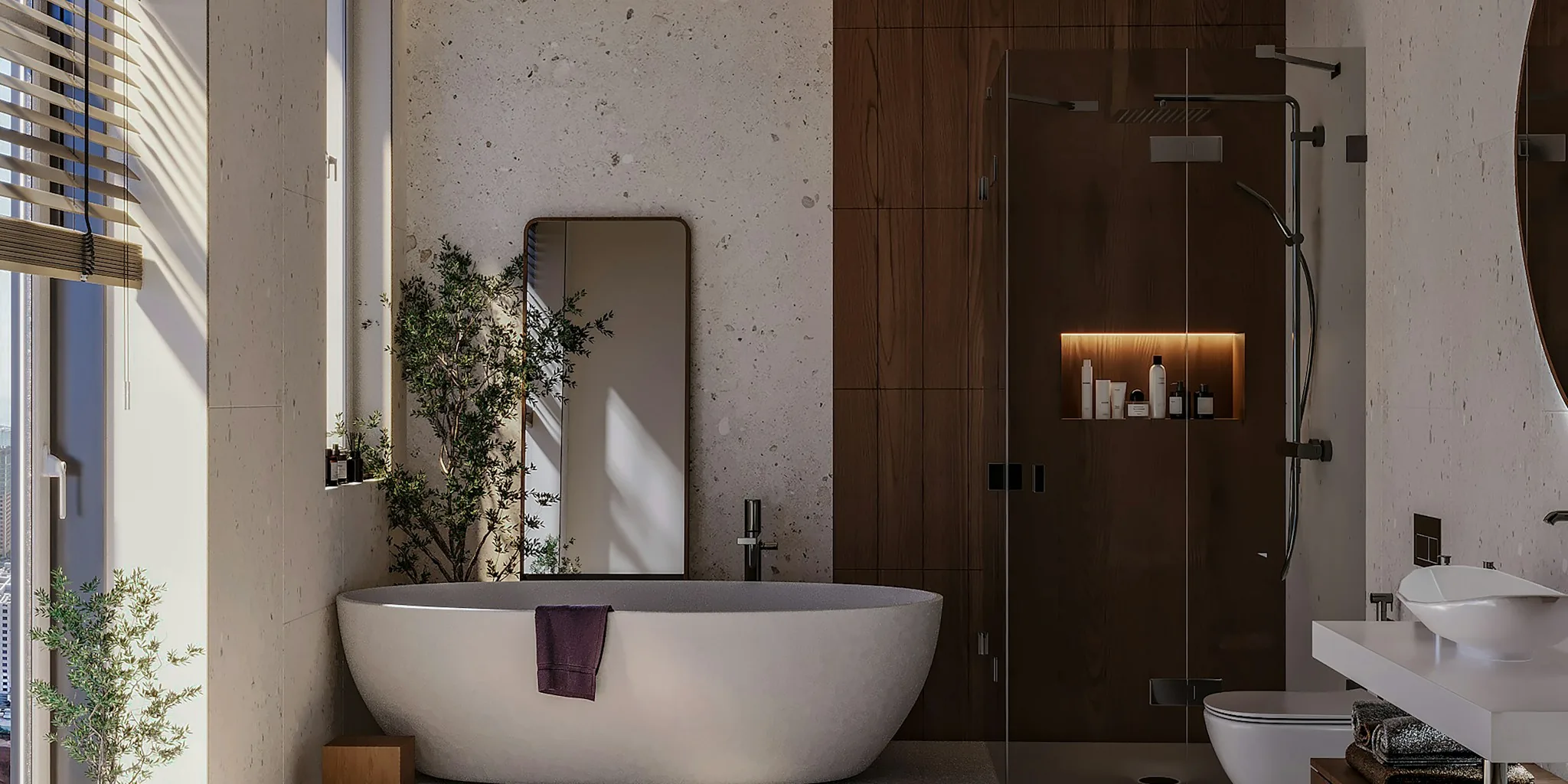

A sleek design movement is reshaping how homeowners approach bathroom spaces, and it centers on a surprisingly simple idea: remove visual clutter and let the architecture speak for itself. Known as the invisible shower or wet room trend, this aesthetic has gained momentum among design-conscious shoppers who want their bathrooms to feel more like spa retreats than utilitarian spaces.
What Is the Invisible Shower Trend?
The invisible shower concept eliminates traditional shower curtains, glass enclosures, and raised shower pans in favor of seamless, open floor plans. A wet room is a fully waterproofed bathroom where water drains from anywhere on the floor, allowing showers and bathing areas to blend into the overall space without visual barriers. The result feels minimalist, airy, and luxuriously uncluttered.
The appeal goes beyond aesthetics. Without shower curtains or glass panels interrupting sightlines, bathrooms feel larger and brighter. Hardware like faucets and valve handles can be mounted directly on walls, keeping plumbing fixtures from drawing the eye. Large-format tiles that run continuously across floors and walls amplify this effect, creating an unbroken visual flow throughout the space.
Why This Trend Is Gaining Ground
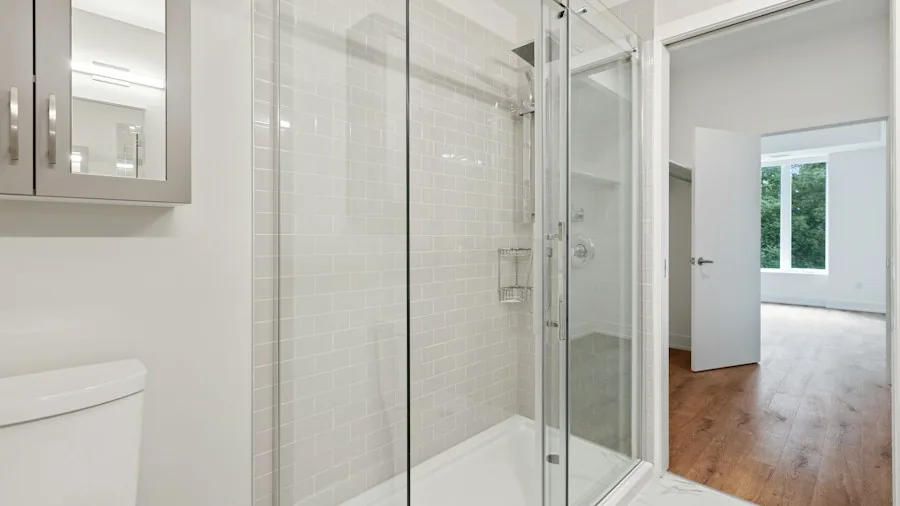
High-profile bathroom redesigns have brought this look into mainstream conversation. The minimalist approach emphasizes calm and tranquility, which appeals to shoppers seeking personal spa-like environments at home. A monochromatic color palette in neutrals like white, cream, and gray further enhances the serene atmosphere while making spaces feel more spacious.
For retailers and homeowners alike, the trend signals a shift away from traditional shower enclosures toward open, flowing bathroom layouts. This means new opportunities for frameless glass panels, wall-mounted fixtures, and premium waterproofing products designed specifically for wet room installations.
Practical Considerations for Shoppers
Before committing to a full wet room renovation, potential buyers should understand the maintenance demands. Wet rooms require consistent cleaning and careful waterproofing to prevent mold and water damage. They also demand adequate square footage to function properly. A smaller bathroom may benefit more from a walk-in shower paired with minimalist fixtures instead.
If a complete renovation feels out of reach, smaller updates can still capture the invisible shower aesthetic. Swapping a traditional vanity for a floating model exposes more floor space and instantly modernizes the look. Wall-mounted faucets and shower hardware solutions that hide plumbing lines contribute to the streamlined effect without major construction.
Budget-Friendly Ways to Refresh Your Bathroom
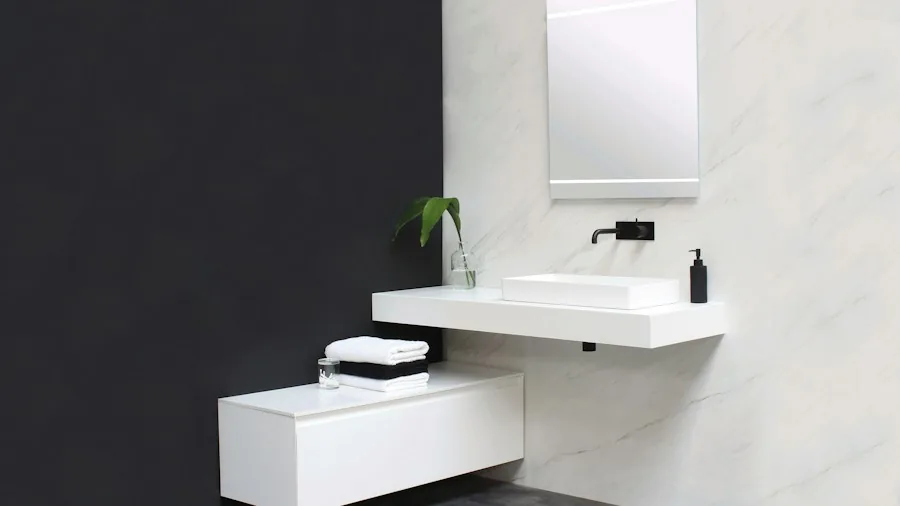
Not every shopper can afford a full wet room installation. The good news is that strategic, smaller changes create a cohesive minimalist appearance. Continuous large-format flooring that extends up the walls unifies the space visually. Handle-free cabinetry and drawer fronts also support the clean aesthetic that defines this trend.
Shoppers working with limited budgets can prioritize coordinated hardware and accessories that create unity across the space. Even switching to matching fixtures in brushed nickel or matte black makes a surprising difference. Consider innovative storage solutions that maintain your minimalist design while keeping daily necessities organized and out of sight.
What This Means for Your Bathroom Shopping
As this trend grows, manufacturers are responding with new product categories aimed at the invisible shower market. Frameless glass shower panels, premium waterproofing membranes, and wall-mounted fixtures are becoming more widely available and competitively priced. Shoppers exploring this aesthetic now have more options than ever before.
The invisible shower trend represents a broader movement toward intentional, clutter-free living spaces. Whether you commit to a full wet room or simply incorporate a few minimalist elements, understanding this aesthetic helps you make informed decisions about which bathroom fixtures and materials will serve your long-term design goals. Wall-mounted fixtures, strategic hardware choices, and continuous flooring all work together to create bathrooms that feel open, bright, and deliberately designed.
The takeaway for shoppers is clear: invest in quality fixtures that emphasize clean lines, prioritize proper waterproofing and drainage if going the wet room route, and remember that even modest updates can align your space with this popular design direction.





