


The Hidden Costs of Vinyl Shower Curtains
For decades, plastic vinyl shower curtains have dominated bathrooms across America. They are durable, affordable, and easy to clean. But convenience comes at a price. Vinyl shower curtains emit volatile organic compounds, or VOCs, which can accumulate in your bathroom air and cause health problems including nausea, liver damage, and eye irritation. Beyond air quality concerns, these plastic liners also shed microplastics into your wastewater, contributing to broader environmental contamination. Even worse, while vinyl is technically recyclable, most curbside programs reject it, requiring special handling that many homeowners simply do not pursue.
The combination of health risks and recycling challenges has prompted many consumers to reconsider their shower enclosure materials. As households continue exploring sustainable living upgrades, the shower curtain represents an overlooked but important area where change is both practical and beneficial.
Why Cotton Offers a Cleaner Alternative
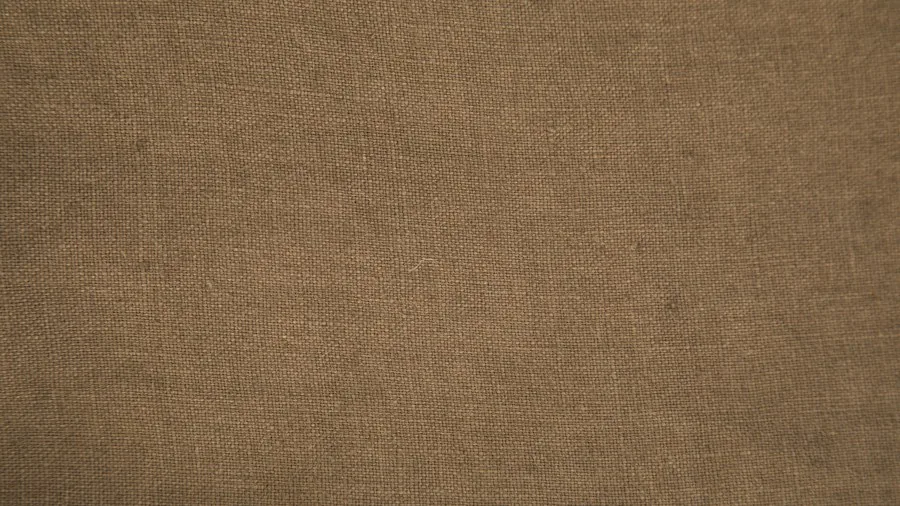
Cotton shower curtains provide a genuine eco-friendly substitute that eliminates the chemical concerns of vinyl. Unlike plastic liners, cotton is naturally permeable, allowing moisture to pass through while maintaining water containment. Because cotton breaks down naturally when properly disposed of, you sidestep the recycling headaches entirely. The material also avoids releasing VOCs or microplastics into your home or water systems.
Of course, cotton is not a perfect one-to-one replacement. It dries slower than vinyl and requires more maintenance to prevent mildew growth. The upfront cost is also higher, typically ranging from moderate to premium pricing depending on quality. However, many households find these trade-offs worthwhile when weighed against long-term health and environmental benefits.
Selecting the Right Cotton Shower Curtain
When shopping for a cotton option, examine the material specifications on packaging. Standard cotton is a solid choice, but Egyptian cotton or organic cotton varieties use fewer synthetic pesticides during cultivation. Look for certifications like Oeko-Tex or GOTS (Global Organic Textile Standard) to verify manufacturing practices. These badges indicate that fewer chemicals were applied throughout production and processing.
One critical shopping tip: purchase one size larger than your current curtain measurements to account for potential shrinkage during washing. This simple step prevents discovering a too-small curtain after its first wash cycle.
Because cotton lacks the water-repelling barrier of vinyl, expect some moisture to reach your bathroom floor. Two solutions exist. First, choose a heavyweight cotton weave that naturally resists water penetration. Second, apply fabric wax to the shower-facing side, creating a water-resistant layer without chemicals. Multiple thin coats applied over several days work best, and the process takes minimal effort once completed.
Care and Maintenance Make the Difference
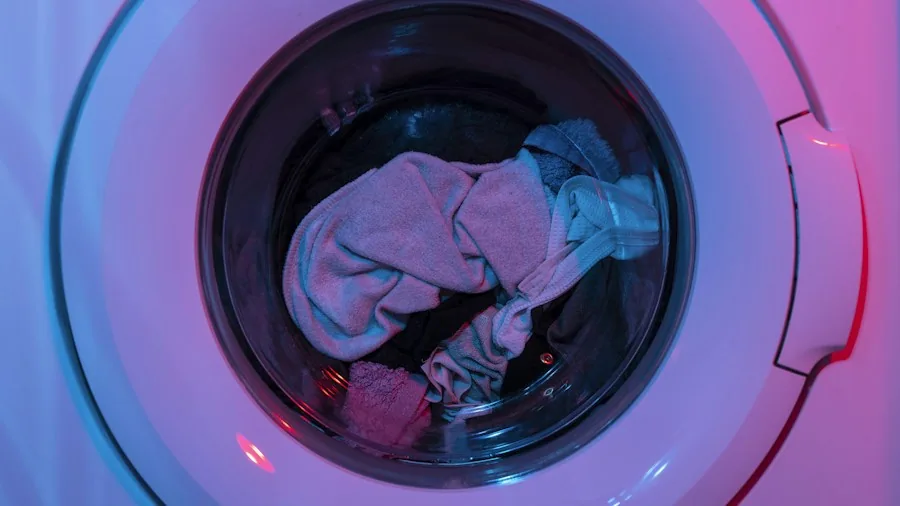
Keeping a cotton shower curtain in top condition requires establishing a simple routine. After each shower, close the curtain and run your bathroom exhaust fan for approximately thirty minutes to facilitate thorough drying. Regular washing prevents mildew accumulation, which is the primary maintenance challenge with fabric options.
Your washing frequency depends on usage patterns. For daily showers, a weekly wash cycle keeps mildew at bay. Less frequent bathroom use may only require biweekly or monthly washing. Always follow the manufacturer care instructions, as different treatments and weights have specific recommendations. Hang drying until completely damp ensures the cotton retains its shape and integrity.
If you are exploring other shower upgrades alongside switching your curtain material, consider how different elements work together. For instance, soap scum prevention products designed for shower liners can extend the life of any barrier you choose. Similarly, modern cleaning tools designed for shower maintenance can reduce the effort required to keep fabric curtains pristine.
Making the Switch Worth It
The decision to replace a vinyl shower curtain with cotton reflects a broader commitment to household health and environmental responsibility. Yes, it demands slightly more attention and planning than grabbing a plastic liner from a store shelf. But the absence of chemical off-gassing, combined with the assurance that your curtain will biodegrade rather than persist in landfills for decades, justifies the extra consideration.
For shoppers ready to make this transition, investing time in selecting the correct weight, certification level, and size upfront prevents frustration later. Once your maintenance routine is established, caring for a cotton shower curtain becomes second nature, and you will enjoy the peace of mind that comes with choosing a genuinely sustainable bathroom essential.





