
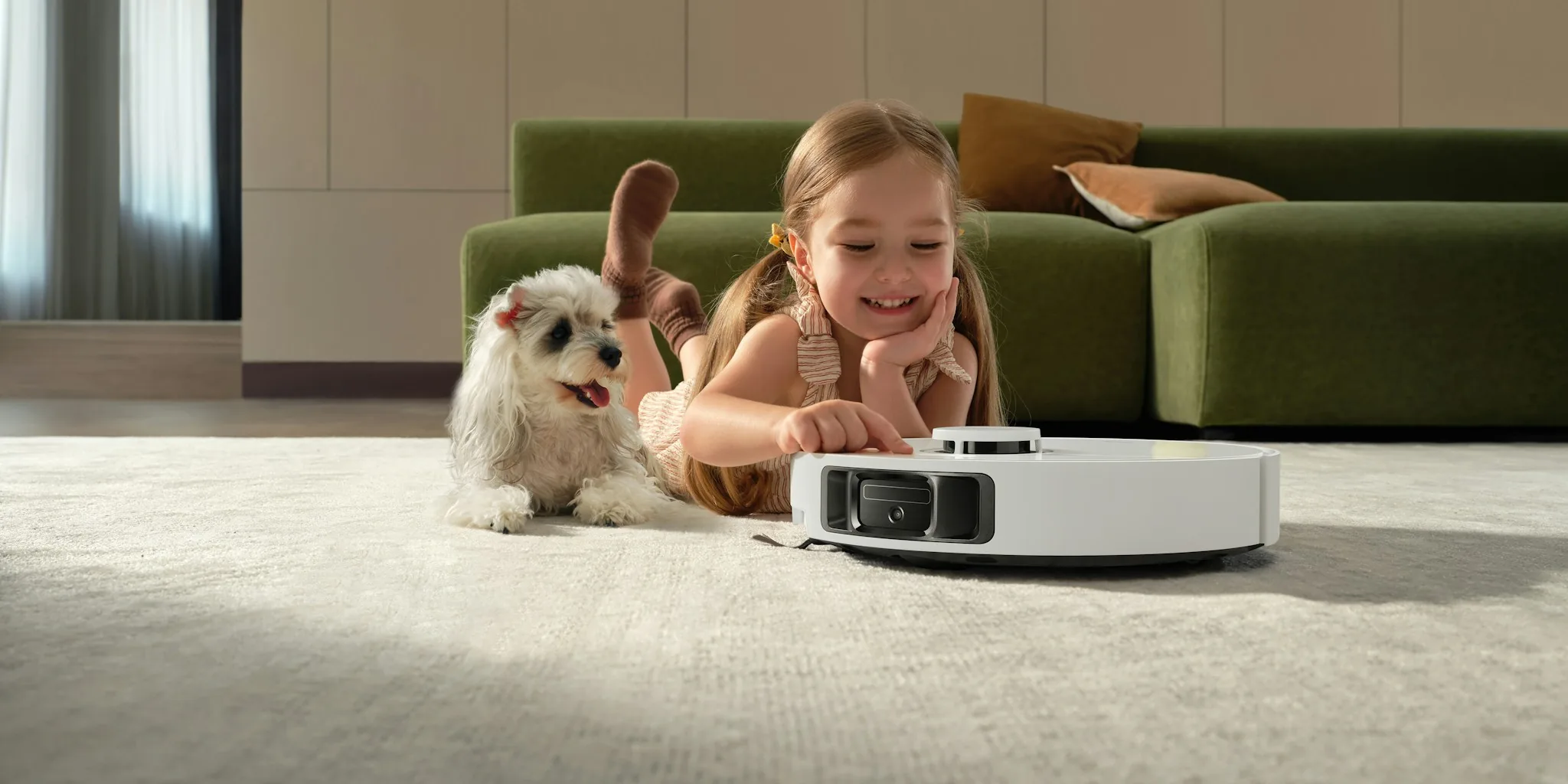

For years, robot vacuum manufacturers have been adding more and more features to their machines, packing docks with mopping systems, water tanks, and hot-air drying stations. But a significant gap has remained in the market: shoppers who simply want a high-quality vacuum without all the mopping extras. The new Dyson R1 Nurovi Dry directly addresses this demand, signaling an important shift in how manufacturers are thinking about the category.
The Rise of Over-Complicated Robot Vacuums
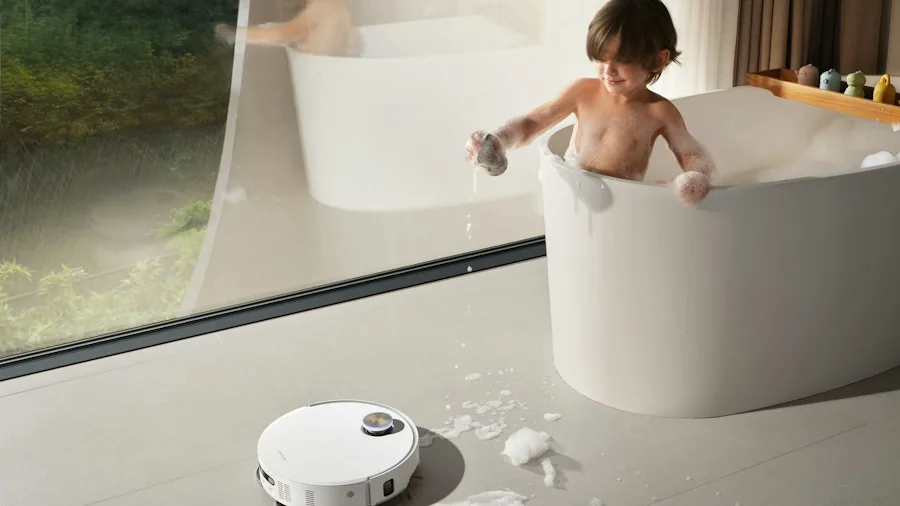
Over the past several years, robot vacuum technology has become increasingly complex and bulky. Most premium models now include wet-cleaning capabilities alongside traditional vacuuming. This means larger docking stations with dual water tanks, hot-water mop washing systems, and heated-air drying functions. Many newer machines feature roller mops that make the units themselves taller and more cumbersome than necessary. Some flagship models even generate steam for deeper cleaning.
The downside: these all-in-one systems are more expensive, take up more space, and create maintenance headaches. Docking stations have become massive fixtures in homes. The added mechanical complexity increases failure points. And for many households, wet mopping is simply not part of their routine or necessary for their cleaning needs.
Why Shoppers Are Asking for Vacuum-Only Models
Consumer feedback has made clear that not everyone wants or needs mopping functionality. Some people explicitly distrust robotic mops on their carpets, viewing them as potential hazards rather than helpful upgrades. Others prefer a smaller footprint, lower price point, and a system focused entirely on suction power. Still others haven’t yet embraced multi-function robots and would prefer to enter the robot vacuum category with a simpler, single-purpose device. Like other innovations in smart home cleaning, understanding how robot vacuums actually work helps shoppers make confident purchasing decisions.
The Dyson R1 responds directly to this overlooked segment. By stripping away mopping capability, the machine becomes what its design team calls “small, effective, and sympathetic to the home.” The dock shrinks considerably without needing space for water tanks and heat-generation systems. The robot itself can be engineered purely for vacuuming, eliminating height increases that come with roller mop hardware. This streamlined approach could also serve as a gateway product for shoppers hesitant about hybrid wet-and-dry systems.
Solid Specs Underneath the Simplicity
Calling the R1 a basic model would be a mistake. Despite its vacuum-only focus, the specifications are competitive and thoughtful. The unit delivers 21,000Pa of suction power, which ranks as very respectable in the robot vacuum space. It includes an extending side sweeper and an anti-tangle brush bar to handle various debris types.
Several features stand out. The machine includes a Piezo sensor that monitors dust levels and dynamically adjusts suction power, a system also found in Dyson’s stick vacuums. There’s also a “Twin-capture system” with two separate suction inlets: one highly concentrated area designed to lift ultra-fine particles, and a larger roller section for chunky crumbs and debris. This dual-inlet design ensures minimal particle escape.
Unlike most competitors, the R1 eliminates dust bags entirely, reducing recurring purchase costs and maintenance chores. The dustbin capacity matches the R2 model but uses a single column instead of three, freeing up dock space while maintaining practical capacity. According to Dyson’s design team, the bin lasts approximately 100 days for average households, with pet owners potentially needing more frequent emptying.
What This Shift Means for the Market
The arrival of a premium vacuum-only robot model from a major manufacturer signals recognition of a genuine market need. For too long, shoppers have faced a choice: accept unnecessary mopping features and pay for technology they don’t want, or settle for lower-end models lacking suction power and smart features. The R1 breaks that false binary.
This trend could influence other brands to reconsider their product strategies. Not every household needs complex self-cleaning mop systems or multi-function capabilities. Some homes are better served by specialized equipment designed to excel at a single task. The R1 represents a refreshing acknowledgment that bigger, more expensive, and more complicated are not always better.
For shoppers in the market for a robot vacuum, the R1 offers a compelling option for those prioritizing suction strength, compact design, and straightforward functionality. Whether you’ve avoided robot vacuums due to mopping concerns or simply prefer a streamlined approach, this shift toward specialized cleaning devices suggests the market is finally listening to what consumers actually need.





