
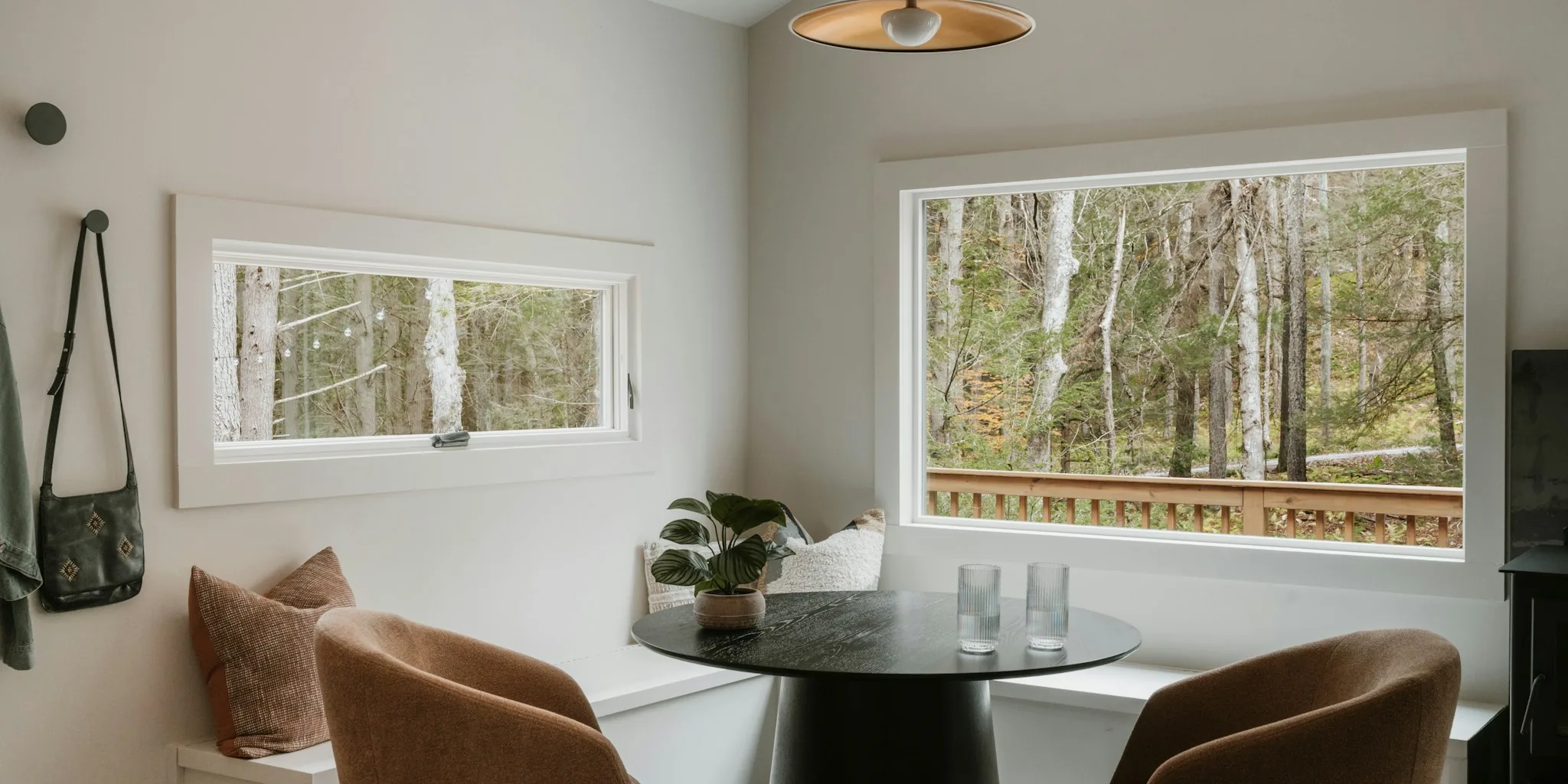

Small kitchen dining areas present a real challenge for homeowners and those preparing to sell. Get the sizing and functionality wrong, and the space feels cramped and unusable. Get it right, and you unlock genuine value and everyday enjoyment. A recent home project by a professional stager demonstrates exactly how to approach this common problem and what shoppers should expect when tackling similar spaces.
The Challenge of Tight Kitchen Dining Areas
Kitchen nooks and compact dining corners are staples in many American homes, but furnishing them correctly requires careful planning. An oversized table forces people to squeeze past each other, making the area feel awkward and smaller than it actually is. A table that is too small, on the other hand, fails to deliver the functionality the space should provide. These sizing mistakes are costly mistakes that turn buyers away or leave homeowners frustrated with daily use.
When a professional stager inherited a narrow dining nook adjacent to her kitchen, she recognized the space had potential but needed a comprehensive refresh. The original setup used mismatched furniture that had simply been placed in the corner without any intentional design. After living with the space for about a year, she decided the time had come for a serious overhaul.
Strategic Design Changes That Deliver Results
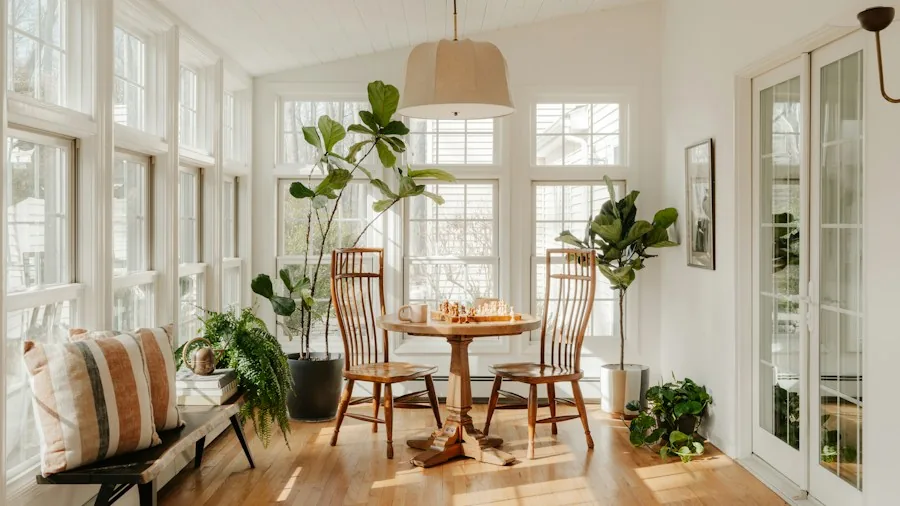
The first step involved color. The existing wall paint was a dull taupe gray that absorbed light rather than reflecting it, making the already-tight space feel even more closed off. She selected a lighter, warmer palette to open up the footprint visually. Simultaneously, she replaced an oversized light fixture that was completely out of proportion with a sleeker, modern pendant that didn’t overwhelm the low ceiling.
The centerpiece of the renovation was a custom-built bench seat designed and installed by a local carpenter. Rather than traditional separate chairs, the bench allowed her to maximize seating capacity without sacrificing movement through the space. The carpenter matched the bench design to existing moldings, ensuring it looked like an original architectural feature rather than an afterthought. She then added a custom cushion tailored to the exact dimensions, creating both comfort and polished appearance.
To complete the transformation, she incorporated a properly scaled dining table, coordinating pillows sourced from local retailers, meaningful artwork, and decorative hanging baskets. The result was a space that blended traditional and modern elements while maintaining neutral, cohesive aesthetics. Similar design principles apply whether you’re working with a kitchen breakfast nook or a larger kitchen island setup, where balance and proportion remain essential.
Real Numbers: What This Project Cost
The total budget for the renovation was approximately $4,100. The majority of that expense went toward the custom bench seat design and installation. Paint, the new light fixture, cushion, and decorative items consumed the remaining budget. This price point is important for shoppers to understand: a meaningful kitchen or dining area upgrade doesn’t require five or six figures. Strategic spending on built-in elements that add both function and character delivers strong returns.
For homeowners considering similar updates, the longevity matters too. Two years after completion, the space continues to perform beautifully and shows no signs of wear. The family uses it constantly for meals, casual work, and entertaining. From a resale perspective, the clear functionality and visual appeal eliminate confusion about what the space is meant to do, which helps buyers envision themselves in the home.
What This Means for Kitchen Shoppers
If you own or are shopping for a home with a small kitchen dining area, this project illustrates several key takeaways. First, size and scale matter more than you might think. Furniture that fits the footprint prevents the cramped, claustrophobic feeling that kills buyer enthusiasm. Second, lighting and color are not luxuries. They directly impact how spacious and inviting the area feels. Third, strategic built-in elements like benches or custom storage solutions deliver visual appeal while improving daily function.
When evaluating kitchen spaces in homes you are considering, look beyond the current furniture arrangement. Imagine what proper sizing and lighting could achieve. When planning your own kitchen dining area updates, resist the temptation to squeeze in too much or leave the space feeling empty. Work with proportions that make sense for your footprint.
Small kitchen dining areas will always be part of the residential landscape. The difference between one that feels awkward and one that feels intentional and comfortable comes down to thoughtful design, appropriate scale, and attention to detail. This project proves that meaningful transformation is achievable within a reasonable budget when priorities are clear and execution is deliberate.





