

The Kitchen Island Era Is Ending: Here’s What’s Replacing It
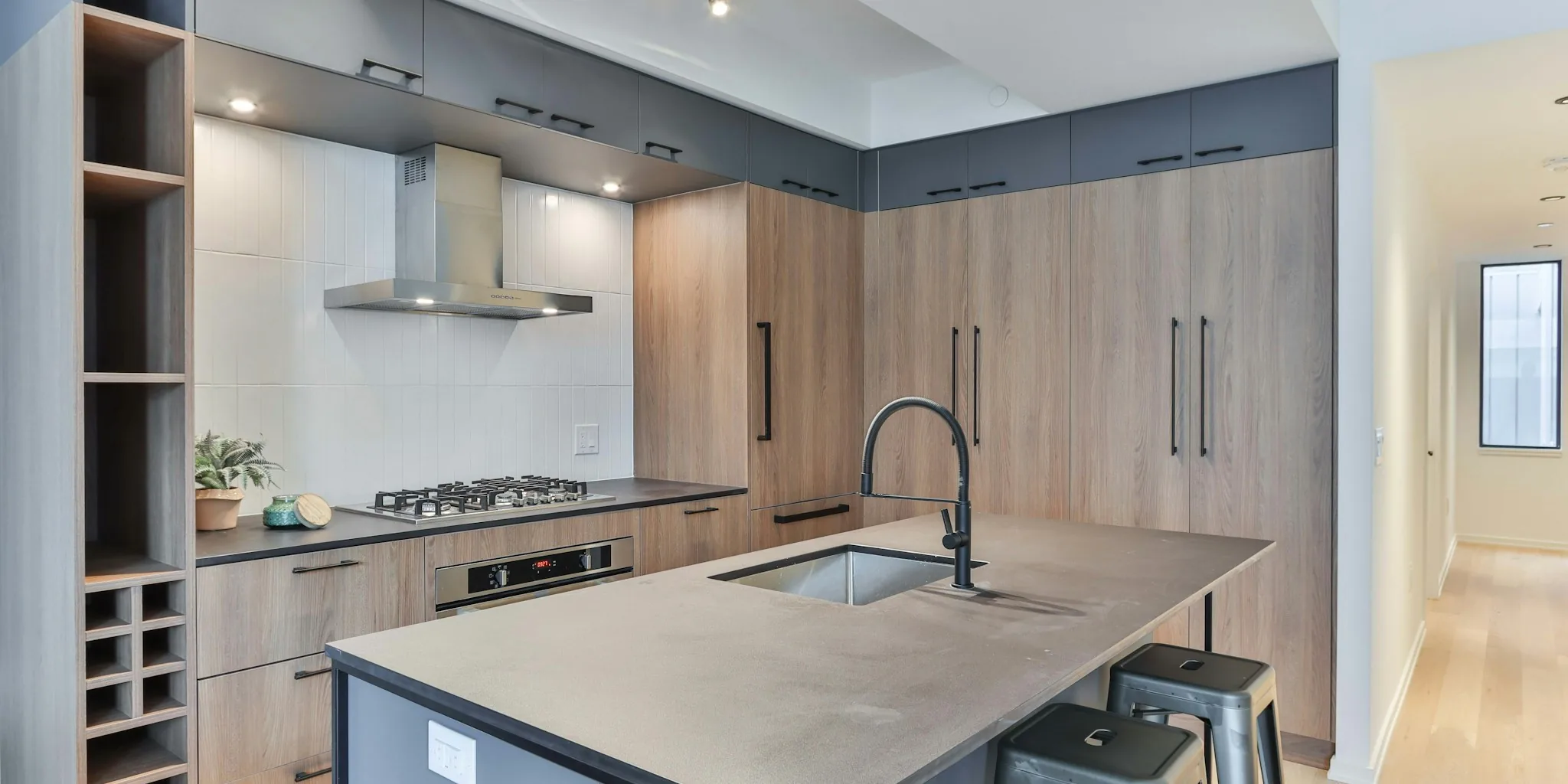
For decades, the kitchen island has been considered a must-have feature in modern home design. From cooking shows to home improvement television, islands dominated kitchen layouts and became synonymous with contemporary style. But top interior designers are now signaling a significant change in kitchen trends for 2027 and beyond. The shift is moving away from built-in islands and utilitarian cabinetry toward a warmer, more personalized approach that draws inspiration from living room design principles.
According to renowned design professionals, the oversaturation of matching built-in cabinets and fixed islands has led to kitchens that feel sterile and purely functional. Designers are pushing back against this aesthetic, encouraging homeowners to think about their kitchens as integrated extensions of their living spaces rather than isolated work zones. This represents a meaningful shift in how Americans approach kitchen renovation and decorating decisions.
Why Designers Are Moving Away from Built-In Islands
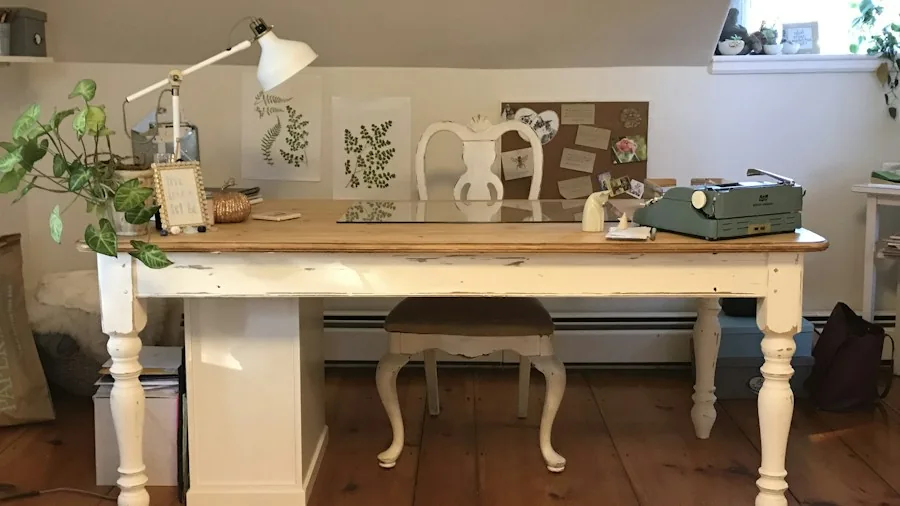
The departure from traditional islands stems from a broader desire to create homes that feel collected, personal, and lived-in rather than overly designed or manufactured. Homeowners increasingly crave spaces that tell a story through layered details and mixed furniture styles. A kitchen with wall-to-wall matching cabinetry and a fixed island can feel prescriptive and impersonal, lacking the character many buyers now seek.
Design experts note that freestanding pieces offer significantly more flexibility and personality than built-in fixtures. When you select individual furniture items, open shelving, and accent pieces, your kitchen becomes a reflection of your aesthetic preferences rather than a reflection of a design template. This approach also gives homeowners the freedom to evolve their spaces over time without committing to permanent fixtures.
What Shoppers Should Buy Instead
If you’re planning a kitchen refresh, consider replacing a built-in island with a freestanding kitchen table or mobile island on wheels. These alternatives provide food preparation and dining surfaces while maintaining the flexibility to reposition items based on your needs. Vintage-inspired wooden tables work particularly well, as they introduce warmth and character that modern cabinetry cannot match.
Freestanding cabinets with storage capability are another excellent substitution. Look for pieces in warm wood tones that echo Victorian-era kitchens, which relied on individual furniture rather than built-in cabinetry. These cabinets serve practical storage needs while adding visual interest and softness to the space. You can source these pieces from antique markets, online marketplaces, or new furniture makers specializing in furniture-forward kitchen design.
Incorporate artwork, table lamps, and decorative open shelving to further integrate your kitchen with the rest of your home. These elements soften hard surfaces and create visual variety without requiring expensive renovations. A simple but quality piece of art or a vintage brass lamp on the counter transforms a purely utilitarian space into somewhere you actually want to spend time.
Warm Wood Tones Are Essential to This Trend
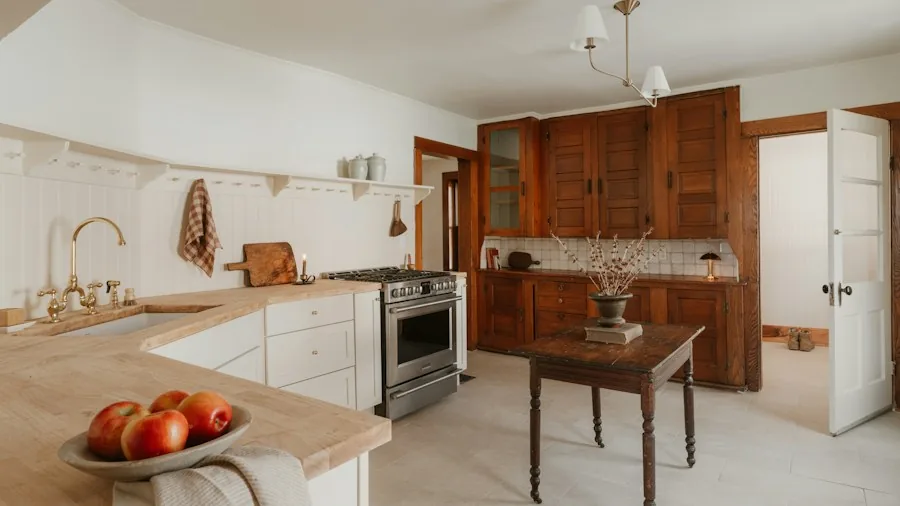
After years of all-white and stainless steel dominating kitchen design, the pendulum is swinging toward warmer, more grounded aesthetics. Natural wood tones create an immediate sense of comfort and sophistication that white cabinetry cannot achieve. Whether you’re selecting a freestanding island, additional shelving, or even newer trending decor elements, choosing warm wood finishes will align with where professional designers are heading.
Wood pieces benefit from appearing slightly weathered or antique-inspired rather than brand new and pristine. This aged quality makes spaces feel more authentic and connected to history. Many homeowners are discovering that mixing wood tones (light oak, medium walnut, darker mahogany) within a single kitchen actually feels more intentional and personal than matching everything perfectly.
How to Execute This Change in Your Kitchen
If you currently have a built-in island you’re considering removing, think strategically about the layout changes that will follow. You’ll need adequate counter space elsewhere, so freestanding cabinets or additional open shelving become important. Professional designers can help reconfigure layouts to ensure your kitchen remains functional without a central island.
Start by evaluating which pieces in your current kitchen feel truly essential versus which ones you’ve kept out of habit. Introduce personality through authentic touches that reflect how you actually live and cook. A vintage cabinet, beautiful dishware displayed on open shelves, or a quality table lamp creates warmth without requiring major structural changes.
The key takeaway for kitchen shoppers is this: your kitchen doesn’t need to look like a showroom or follow a single design prescription. The direction of kitchen design is moving toward warmth, personality, and integration with the rest of your home. Whether that means removing an island, swapping out cabinetry, or simply adding wood-toned freestanding pieces, you have permission to design a kitchen that feels genuinely like your own.





