


Turn Your Shower Curtain Into Stylish Patio Pillows
Outdoor patio pillows can transform a tired backyard space into an inviting retreat without the expense of replacing furniture or other large items. A few new pillows refresh the look and introduce color and pattern that make the space feel intentional and vibrant. However, retail outdoor pillows typically start at around $12 each, and costs climb quickly when you want multiple pieces in matching or coordinated designs.
The good news: shower curtains make an excellent raw material for a DIY outdoor pillow project. The fabric is engineered to resist moisture and humidity, which translates perfectly to outdoor conditions. Many shower curtains are either fully waterproof or water-repellent, meaning they resist mold and mildew growth even when exposed to rain and damp air. Beyond durability, most shower curtains feature attractive patterns and colors designed to brighten interior spaces, an aesthetic quality that works just as well on a patio. A standard shower curtain provides roughly 5 yards of usable fabric, which is enough to create four or five pillows depending on size. If you have an older curtain at home that needs replacing, this project becomes remarkably affordable.
Materials and Measurements You Will Need
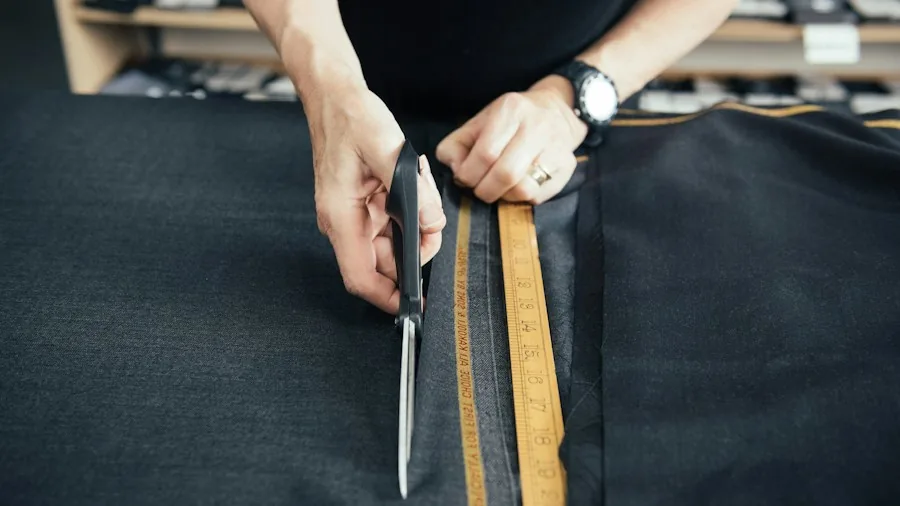
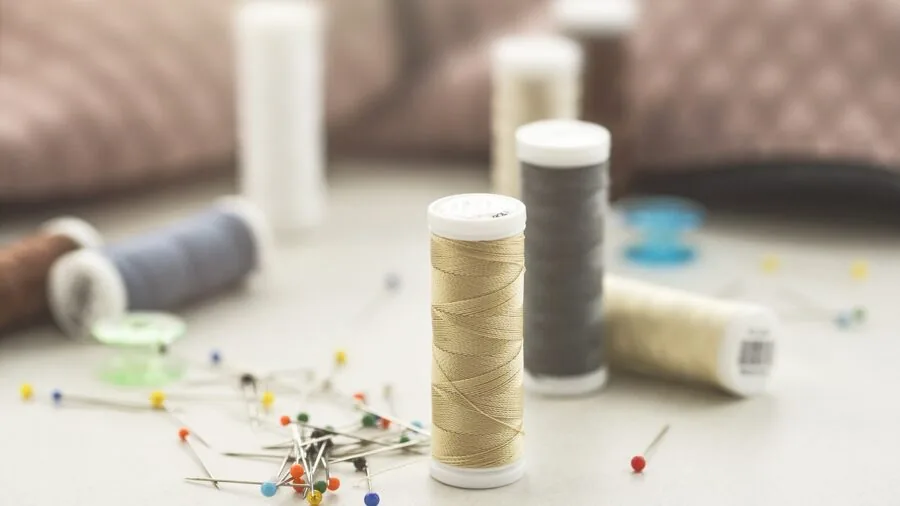
Gather these items before you start: a shower curtain (new or repurposed), scissors or a rotary cutter, outdoor pillow inserts, sewing equipment or fabric glue, and a closure mechanism. For outdoor use, zippers are the strongest choice because they create a secure seal that keeps water and insects out of the pillowcase. Shower rings and fasteners designed for outdoor conditions can help you hang finished pillows. Envelope closures work if you have extra fabric and prefer fabric glue, but zippers or outdoor-grade Velcro provide superior protection.
Accurate measurement is crucial. Determine the length and width of your pillow insert, then calculate your fabric piece dimensions: double the pillow length plus 2 inches for the length of fabric, and the pillow width plus 2 inches for the fabric width. This accounts for seams, zipper placement, and the pillow’s bulk. If you prefer a tighter, less puffy appearance, subtract 1 inch from each measurement. If you want extra loft, add 1 inch. Since shower curtain material typically has no stretch, it is better to err on the conservative side when cutting. If you cut the fabric too small, you can remove some filling from the pillow insert to make it fit.
Step by Step Assembly Instructions
Start by cutting your fabric piece carefully along your marked lines. Next, prepare the zipper installation. Finish the raw edges on the two shorter ends of your fabric piece, where the zipper will be attached. If your zipper is too long, trim it to size and secure the new end with a zigzag stitch to prevent fraying.
Lay the unzipped zipper along one finished edge, positioning it on the right side of the fabric. Sew or glue it in place, taking care to keep the zipper alignment straight. Repeat on the opposite edge. Once both sides of the zipper are secured, fold the fabric in half lengthwise so the zipper remains open and centered, with the right sides of the fabric facing each other. Pin the fabric to hold it steady, then sew or glue along the two open sides where the zipper is not installed. You will now have an inside-out pillowcase with three sealed edges and an open zipper.
Turn the pillowcase right side out through the open zipper. Insert your pillow form, zip it closed, and you have one finished outdoor pillow. Repeat the process with any remaining shower curtain fabric to create additional pillows.
Caring for Your New Outdoor Pillows
Although shower curtains resist moisture well, they are not engineered for prolonged outdoor exposure. Extended UV sunlight can fade colors over time. Proper drying and care extend the life of all fabric items, including outdoor textiles. To maximize the lifespan of your DIY pillows, bring them indoors during heavy rain, thunderstorms, or extended periods of extreme sun. Applying an outdoor fabric protection spray adds an extra shield against UV damage. Alternatively, store pillows in a plastic shed or covered storage container when not in use to keep them clean and protected from the elements.
This DIY approach gives you custom-sized, patterned outdoor pillows at a fraction of retail cost while repurposing materials you may already have at home.





