
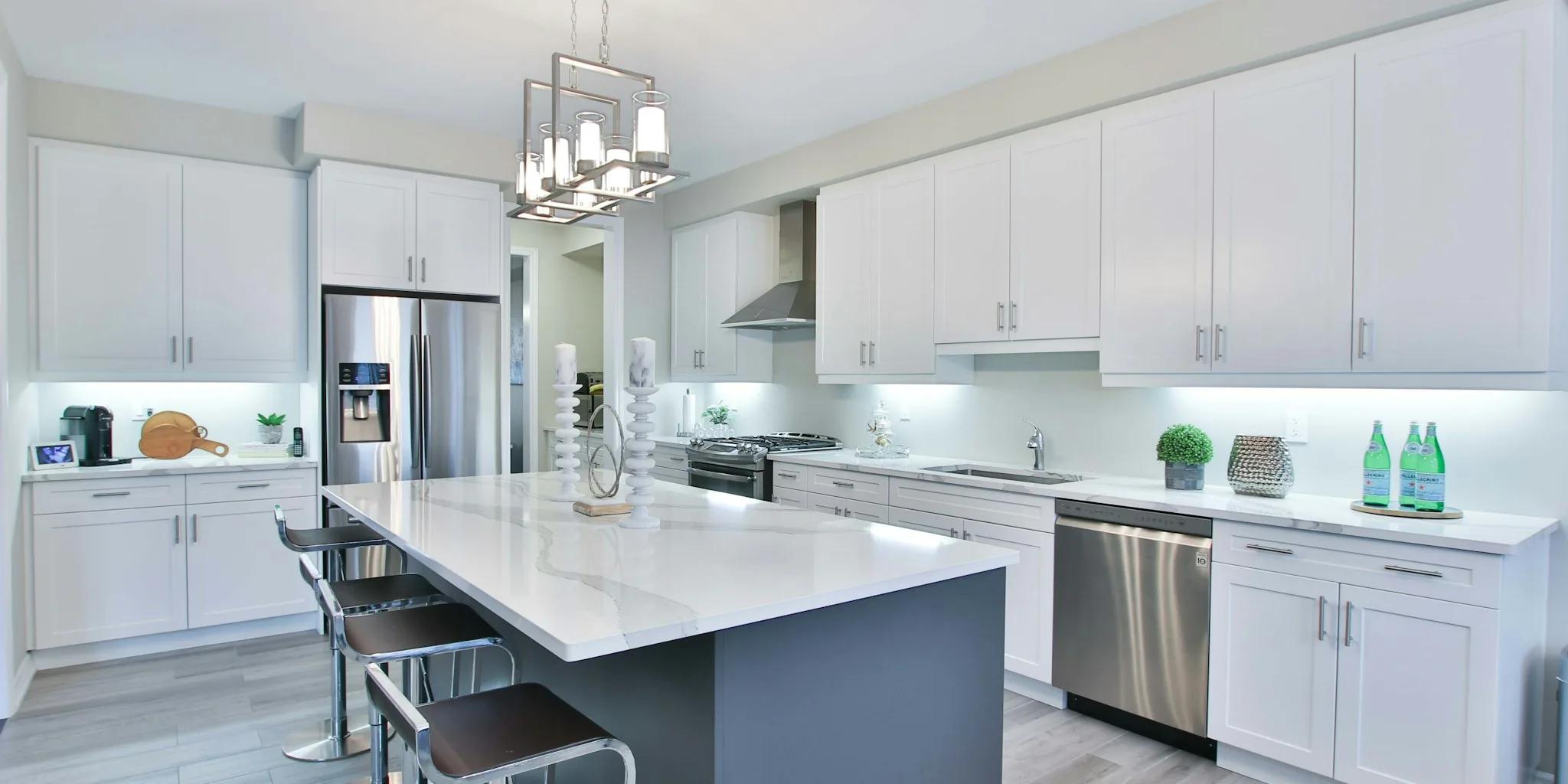

A recent home renovation in Nice, France demonstrates a powerful lesson for American shoppers planning kitchen updates: smart material choices and strategic design decisions can transform even the tiniest cooking spaces into luxury-feeling rooms without breaking the bank.
The 484-square-foot apartment belonged to architects and designers who faced a common challenge: their kitchen was cramped and disconnected from the living area. Their solution offers practical insights for anyone working within kitchen constraints in the US market.
Opening Up a Compact Kitchen
The first major decision was structural. The owners removed a wall separating two rooms, merging the kitchen with the living and dining areas. This created one large, open space that functions as the heart of the home. For shoppers with small kitchens, this approach may not always be possible, but the principle matters: creating visual and functional connections between spaces makes kitchens feel larger.
When you cannot remove walls, consider other strategies like keeping cabinetry streamlined and choosing open shelving for display items. Wall mounted storage solutions save floor and counter space, making compact kitchens more functional.
Strategic Use of Budget-Friendly Cabinetry
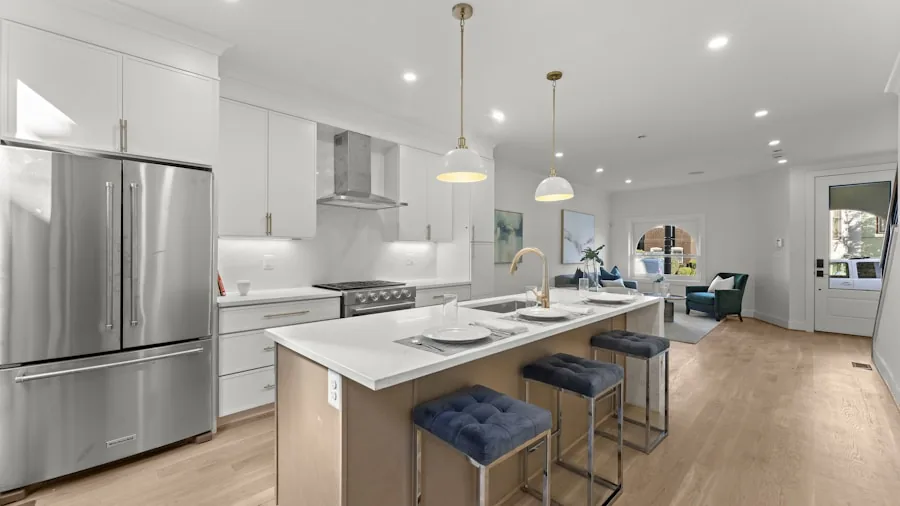
Here is where the renovation becomes especially relevant for budget-conscious American buyers: the owners built their kitchen using flat-pack cabinetry components, customizing them to fit their space exactly. Rather than ordering an expensive custom setup, they selected affordable modular cabinets and elevated the entire look through material choices and finishing touches.
The red travertine countertop and backsplash became the statement pieces. By investing in luxe materials for these highly visible surfaces, the owners created a high-end aesthetic without spending premium prices on cabinetry itself. This layered approach to spending is smart for shoppers: allocate your largest budget to durable, visible materials like countertops and backsplashes, then use quality but affordable cabinetry as the foundation.
Material Choices That Define the Space
The renovation prioritized natural materials throughout the kitchen: red travertine, warm wood cabinetry, and carefully selected lighting. These choices make the space feel both functional and personal, according to the homeowners. The combination creates warmth that flat, modern kitchens often lack.
For American shoppers, this suggests avoiding overly trendy materials that may feel dated quickly. Instead, focus on natural stone, solid wood, and classic finishes that develop character over time. Contemporary kitchen design increasingly focuses on material quality over layout novelty, suggesting this philosophy aligns with current design direction.
Mixing Old and New
The apartment retained its historic ceiling frescoes while featuring modern appliances and contemporary furniture. This blend of old and new prevented the space from feeling sterile or cold. For American homes, the lesson is clear: preservation of architectural details creates character that new construction cannot replicate, while modern functionality ensures the space works for daily life.
The owners filled their kitchen and adjoining spaces with vintage finds and carefully chosen contemporary pieces, creating a highly personal environment. Shoppers can replicate this by mixing new appliances and cabinetry with reclaimed wood accents, vintage hardware, or salvaged materials.
Lighting and Ambiance Matter
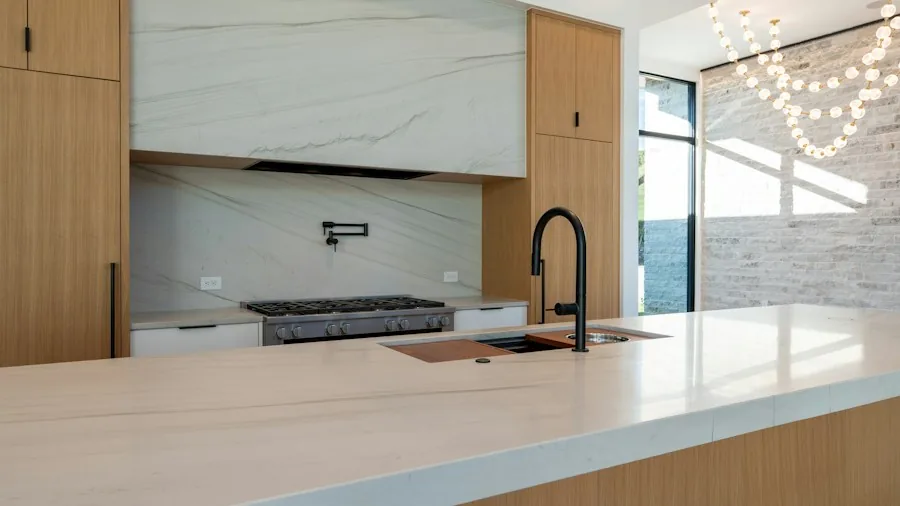
The renovation emphasized careful lighting throughout. The right fixtures can transform a small, historic space into something that feels intentional and elevated. For kitchen planning, this means investing in multiple light sources: overhead fixtures for task lighting, pendant lights for ambiance, and under-cabinet lighting for functionality.
What This Means for Your Kitchen Project
The renovation shows that kitchen luxury is not about square footage or high-end brand names. Instead, it results from thoughtful material selection, functional planning, and attention to details like lighting and finishes. Current kitchen design trends emphasize personalization and material authenticity over standardized aesthetics, meaning your individual choices matter more than following a formula.
American shoppers planning kitchen renovations should consider: What architectural features can you preserve? Which materials deserve your biggest investment? How can you create visual space when physical space is limited? The Nice apartment proves that thoughtful design strategy creates better results than simply spending more money.





