
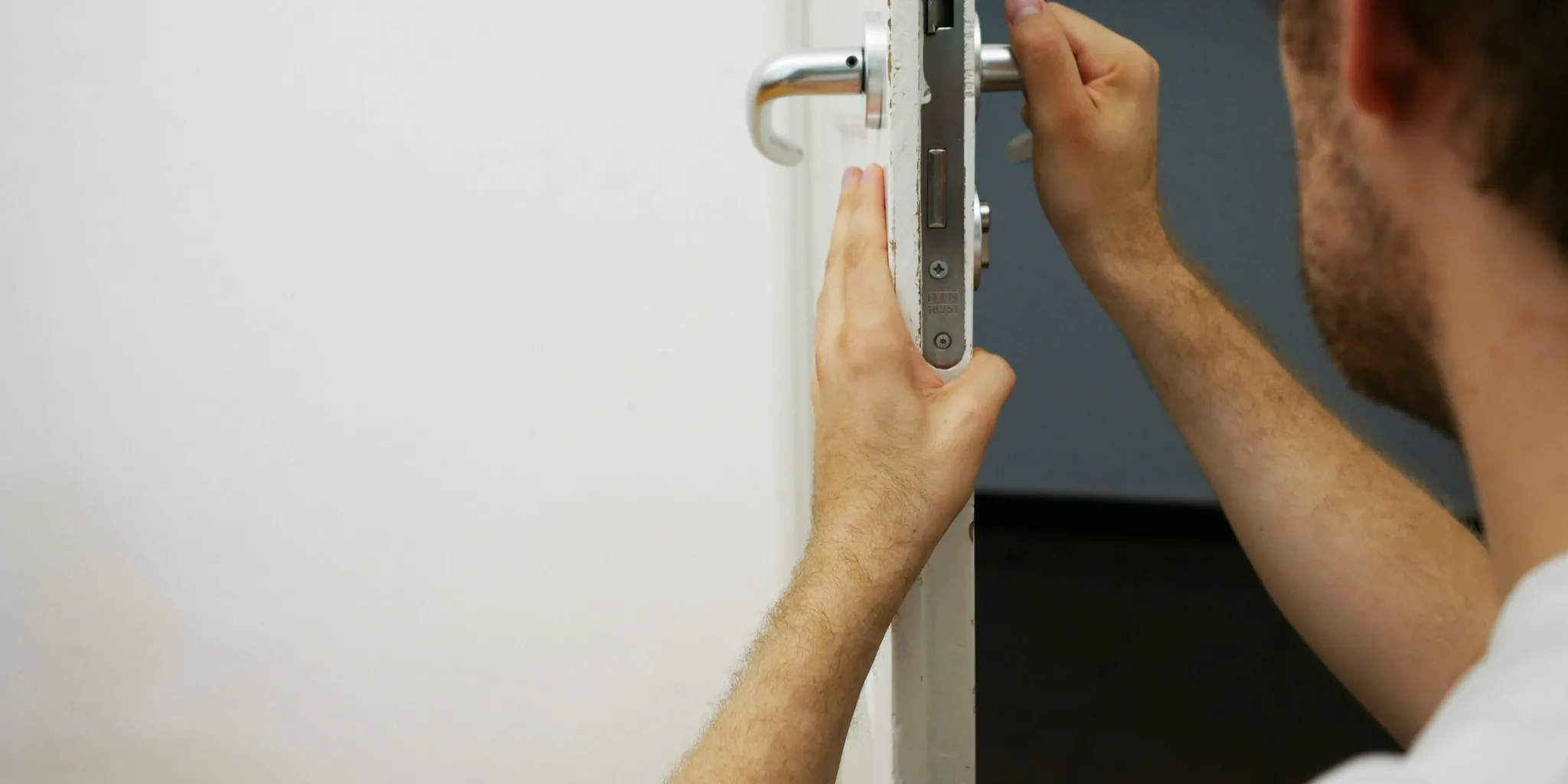

Ring is bringing a fresh entry to the smart lock market with its upcoming Smart Lock, slated to arrive in the first quarter of 2027 at $249. Available in black, silver, and brass finishes, this device marks a significant moment for the smart home space as manufacturers continue to innovate around one of the most persistent pain points: battery failure and the resulting lockout risk.
The Problem Ring Is Solving
When a smart lock’s battery dies, owners typically face an awkward situation. The device becomes unusable through all its convenient features, and many homeowners resort to keeping a physical key hidden outside or nearby. Ring founder Jamie Siminoff describes this backup approach as outdated, and he set out to find a better answer.
The core issue Siminoff calls “range anxiety” stems from uncertainty about what happens when power runs out. Unlike traditional locks, a dead smart lock doesn’t simply revert to manual operation, it becomes inert. Understanding this challenge is crucial for anyone evaluating smart lock upgrades that make your front door more secure, since backup access is essential for real-world reliability.
The Power Dial Innovation

The most distinctive feature of Ring’s new smart lock is the Power Dial, a hand crank mechanism built into the front of the device. After five to eight manual cranks, the dial charges an internal supercapacitor with enough energy to power the lock for 10 to 30 seconds, allowing you to enter your access code and unlock the door. This solution doesn’t recharge the main battery pack, which Siminoff says lasts approximately one year and uses Ring’s quick-replace design.
Instead, the Power Dial functions as a emergency jumpstart designed specifically for that critical moment when the primary battery fails. Siminoff explained that using hand-crank energy to charge the main battery would be ineffective, comparing it to using a garden hose to fill an Olympic-sized swimming pool. The supercapacitor approach solves the immediate problem without adding bulk or significant cost.
Why This Approach Matters
Siminoff expressed surprise that no other manufacturer had previously implemented a hand-crank backup system. His realization came during discussions with Amazon’s internal AI assistant while exploring whether the concept was even technically viable. Using AI to model the design phase upfront allowed him to confirm feasibility before committing an engineering team to the project, ultimately saving time and resources.
The founder acknowledged that without AI modeling, his team might have designed a solution that was either impractical or unnecessarily large. With AI validation, he could hand his team a fully scoped project knowing it would actually work. This development approach shows how artificial intelligence is accelerating product innovation beyond just manufacturing efficiency.
Access and Connectivity Features
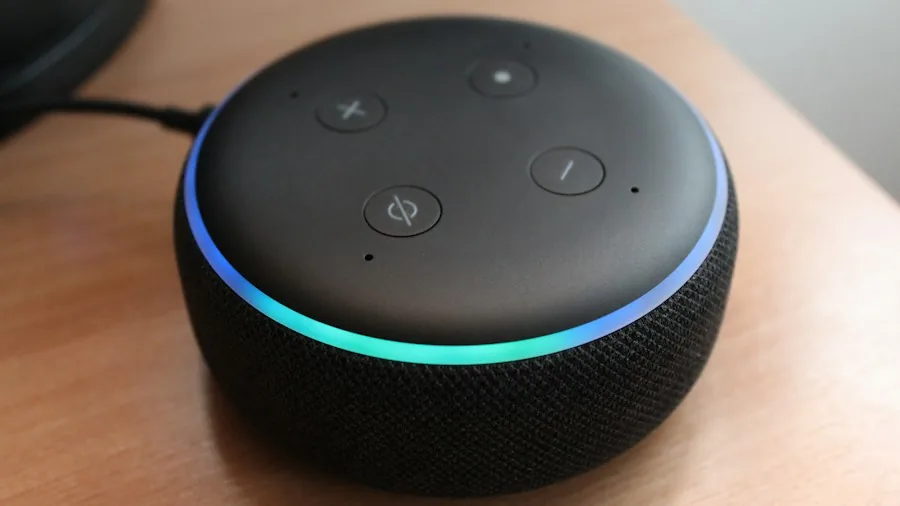
Beyond emergency manual access, the Ring Smart Lock supports multiple entry methods including a numeric keypad code, fingerprint scanning, the Ring mobile app, and voice commands through Alexa. The device includes Amazon Sidewalk integration, which maintains connectivity if your home Wi-Fi connection drops unexpectedly.
Ring confirmed that Apple Home and Matter protocol support are not part of the initial launch. Siminoff indicated that Ring views Alexa as the primary connectivity platform and will rely on Alexa’s existing lock integrations rather than building direct support for competing ecosystems. Through the Ring app, users can grant temporary access to guests, monitor lock status, and establish usage schedules.
For shoppers considering this device, it’s worth noting that reliance on Amazon Sidewalk and Alexa integration may not suit everyone. Those specifically wanting Apple Home Key functionality or broader ecosystem compatibility might need to explore competing products, such as ULTRALOQ’s recently announced smart locks for 2026.
What Buyers Should Consider
The $249 price point positions Ring’s offering in the mid-to-premium range of the smart lock market. The hand-crank backup is genuinely innovative for a consumer product, addressing a real concern that previous solutions handled poorly. However, the lack of Matter or Apple Home support may limit appeal for users already invested in Apple’s ecosystem.
The device has not yet received FCC authorization, so final specifications could shift before the Q1 2027 launch date. Shoppers interested in this lock should stay informed about any regulatory changes or feature adjustments as the release approaches.
Ring’s expansion into smart locks comes during an already competitive phase for the category, with multiple brands pursuing their own innovations. The hand-crank emergency backup represents a thoughtful solution to a genuine problem, even if the overall ecosystem compatibility remains narrowly focused on Amazon products. For homeowners prioritizing reliable backup access and deep Alexa integration, this smart lock warrants serious consideration.





