
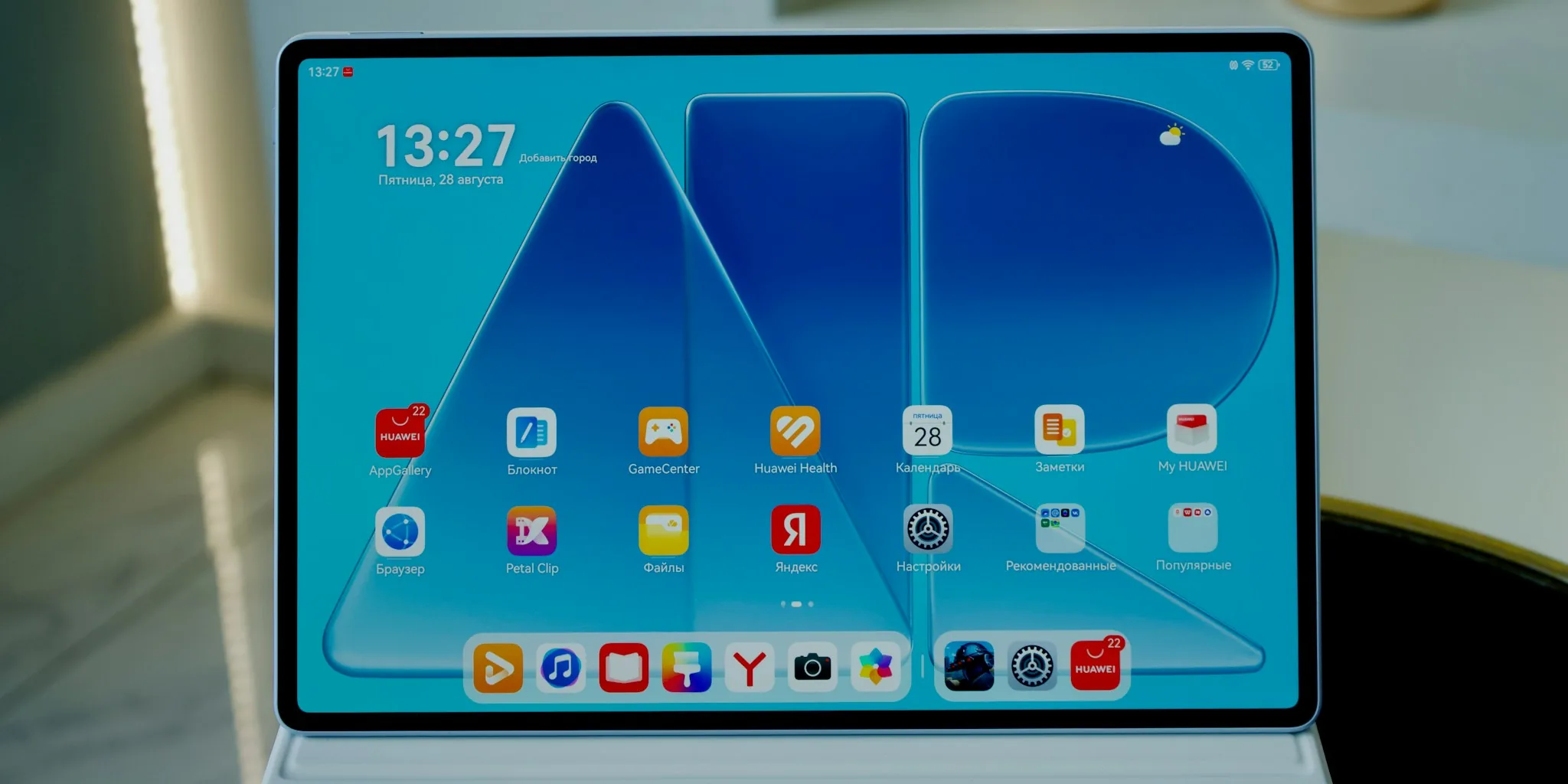

Amazon has made a dramatic shift in its tablet strategy by introducing its first premium-tier Android tablet, the Alexa Tablet 12 Pro, alongside two smaller variants. This move represents a major departure from the company’s long history of positioning tablets as affordable, entry-level devices designed primarily to funnel users into Amazon’s ecosystem.
What Changed in Amazon’s Tablet Strategy
For years, Amazon’s Fire tablets were known as budget-friendly alternatives to iPad and Samsung Galaxy models. While they sold in high volumes, they were intentionally configured as loss-leader products to drive Amazon service adoption rather than compete as standalone premium tablets. The new Alexa Tablet lineup, available in 12-inch, 11-inch, and 8.7-inch sizes, abandons this playbook entirely.
The most significant change is the move to full Android. Previous Amazon tablets ran Fire OS, a custom operating system that locked users into Amazon’s app ecosystem. The new tablets now support the Google Play Store, giving shoppers access to millions of apps including Gmail, Google Maps, YouTube, and productivity tools that rival what Apple and Samsung offer.
Hardware and Performance Improvements

The Alexa Tablet 12 Pro specs genuinely compete with Apple’s iPad Air. The 12-inch model features a 120Hz display, up to 16GB of RAM, and processing power three times greater than any tablet Amazon has previously manufactured. The device is built with aluminum construction and runs on a 4nm 8-core processor.
Buyers can configure the premium model with an anti-glare Nanomatte finish, a technology that improves outdoor visibility and makes on-screen text appear as if it sits atop the display, similar to premium finishes found on flagship smartphones. This level of customization signals Amazon’s intent to appeal to professionals and serious users, not just casual consumers.
The smaller Alexa Tablet 11 and Tablet 8 offer lower specifications at reduced price points, though all three models share the same core commitment to full Android and Alexa Plus integration.
The Role of Alexa Plus AI
Amazon has embedded its Alexa Plus voice assistant directly into these tablets as a core feature rather than an optional add-on. The assistant appears in a dedicated Dynamic Tab that sits in the top left corner and can expand to a full-screen experience. Unlike previous implementations, Alexa Plus can view your screen (with explicit permission) and provide contextual assistance in real time, mirroring functionality found in competing AI assistants.
Alexa Plus ordinarily costs $19.99 per month but comes free to Prime members. Amazon has not yet clarified how the service will function for non-subscribers on the tablets themselves.
Pricing and Value Proposition
The pricing undercuts Apple’s iPad Air significantly. The Alexa Tablet 12 Pro starts at $499 USD equivalent for the base model with 128GB storage, while the maxed-out version with 16GB RAM and 256GB storage reaches $599. An iPad Air with comparable screen size starts at $749 and features a smaller 11-inch display with a static 60Hz refresh rate.
Bundle pricing proves especially compelling for buyers seeking accessories. A complete package including the Tablet 12 Pro with Nanomatte display, a dedicated Pro Keyboard, and a stylus costs just $729, still substantially less than an iPad Air alone. As tablet usage evolves beyond entertainment toward productivity tasks like coding and content creation, smart home integration becomes increasingly valuable for users managing connected devices.
Unique Features for Different User Types

The Alexa Tablet 12 Pro includes a Kindle mode that transforms the device into a distraction-free reading experience. This mode silences notifications, reduces blue light output, and extends battery life, making it particularly effective on the 12-inch model when paired with the Nanmatte finish.
Amazon designed this tablet lineup to serve entertainment seekers, gamers, and productivity-focused users without forcing compromises. The emphasis on cloud computing power and access to professional-grade applications signals that smart home devices and tablets are converging into unified control platforms.
What Shoppers Should Know
These tablets begin shipping October 19 and are available for pre-order now in the United States, United Kingdom, and Australia. The shift toward full Android and premium hardware represents genuine competitive positioning rather than incremental improvement. Shoppers comparing tablets should evaluate whether access to the Google Play Store, embedded Alexa Plus, and significantly lower pricing justify choosing an Amazon device over established iPad and Samsung alternatives. The value proposition appears strongest for Prime members seeking an integrated smart home controller with tablet functionality rather than a tablet that secondarily manages smart home devices.





