
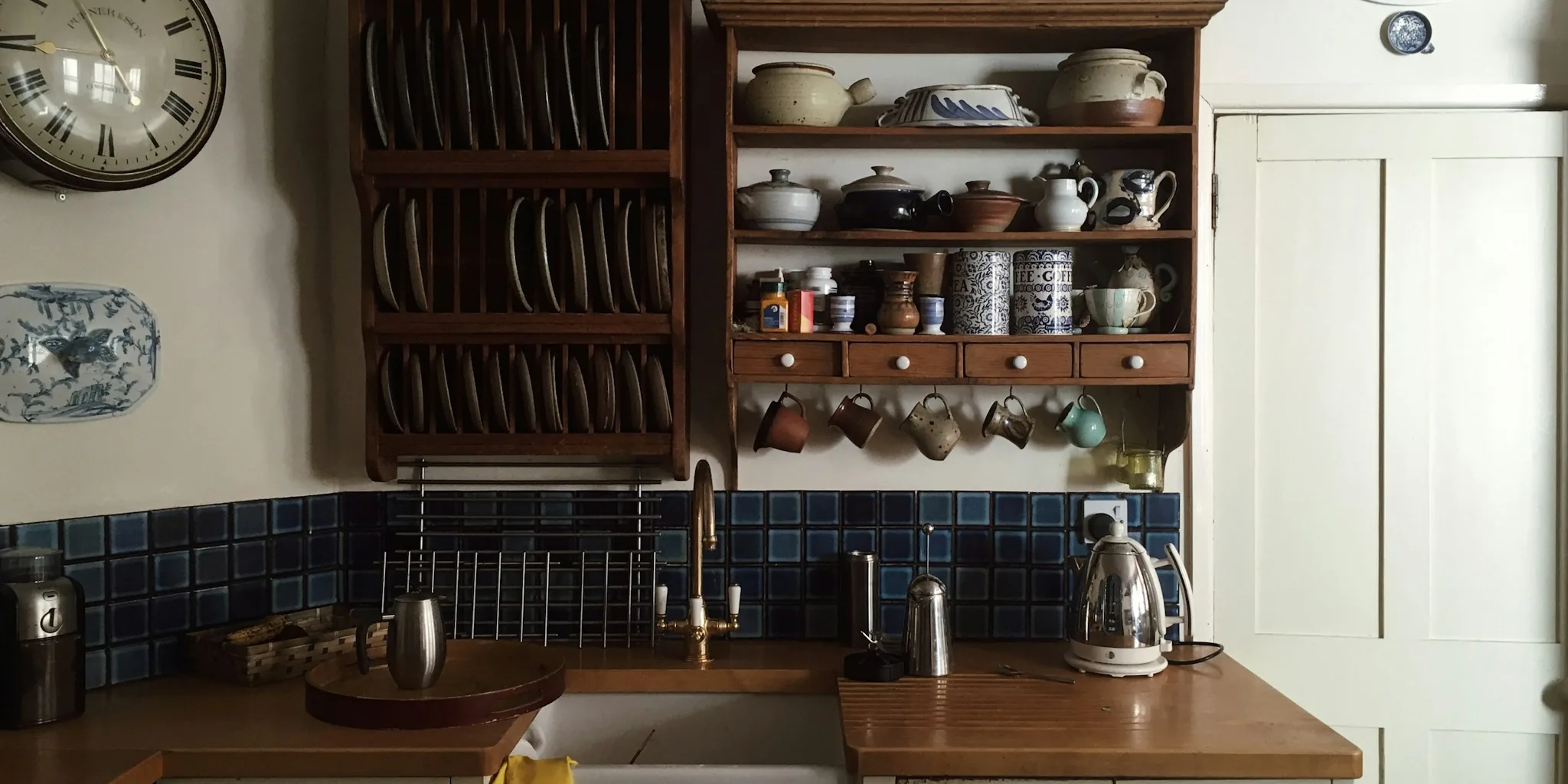

An Old-Fashioned Kitchen Detail Is Making a Major Comeback
Interior design trends often feel like a pendulum, swinging between minimalism and maximalism, between function and flourish. The latest swing has designers and homeowners alike rediscovering a kitchen feature that hasn’t been mainstream for decades: decorative cutouts in cabinet doors and drawer fronts. This Georgian-era detail, which originally served a practical purpose, is now being celebrated as a way to add character and visual interest to modern kitchens.
Cabinet cutouts are exactly what they sound like: shapes or patterns carved into the front surfaces of cabinet doors and drawers, typically positioned in the center or upper third of the design. These can range from simple slot-like slashes and small dots to more elaborate geometric patterns like diamonds or droplets. What’s interesting about this trend is that it represents a shift in how homeowners are thinking about their kitchens not just as functional spaces, but as thoughtfully designed rooms worth decorating with personality.
Where This Kitchen Trend Actually Came From
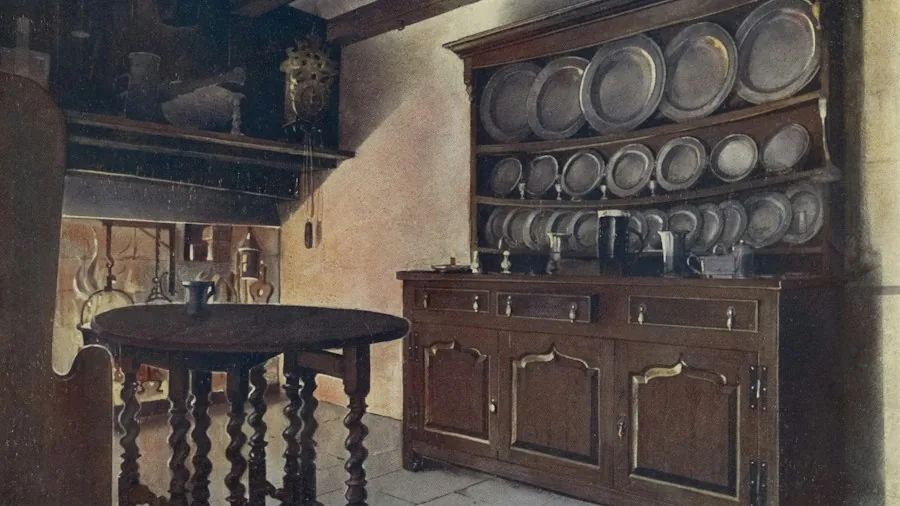
The history of cabinet cutouts stretches back at least 300 years to England’s Georgian period. But they weren’t purely decorative then. These openings served a critical function: ventilation. During the Georgian era, kitchens and food storage areas like larders and pantries were often built in basements or against exterior walls where dampness was a constant problem. Without proper air circulation, mold would develop and ruin stored foods. Ventilation cutouts in cabinet doors allowed cool air to flow through storage spaces, keeping perishables fresh and dry.
Builders and estate carpenters developed regional variations in cutout patterns, and successful designs were copied by other craftsmen. Some of the most practical variations, like the lozenge-shaped slots found in historic meat safes, were even backed with mesh to prevent insects from entering while still allowing air to pass through. These weren’t just attractive features; they were essential solutions to real storage problems.
How Cabinet Cutouts Evolved Over Time
As kitchen technology advanced throughout the 20th century and refrigeration became standard, the functional need for ventilation cutouts diminished. However, the design detail didn’t disappear entirely. During the mid-century modern era in America, cabinet cutouts found a new purpose as hardwareless pulls, allowing homeowners to open and close doors and drawers without visible hardware. Some traditional kitchens have always maintained cutouts in pantries and larders where ventilation remains important for proper food storage and air circulation.
Today, professionals who specialize in period-appropriate or traditional kitchen design continue to include cutouts as part of their standard offerings. Whether someone is renovating a historic home or simply wants to add old-world charm to a new kitchen, these details remain available and increasingly requested.
The Modern Design Movement Bringing Them Back
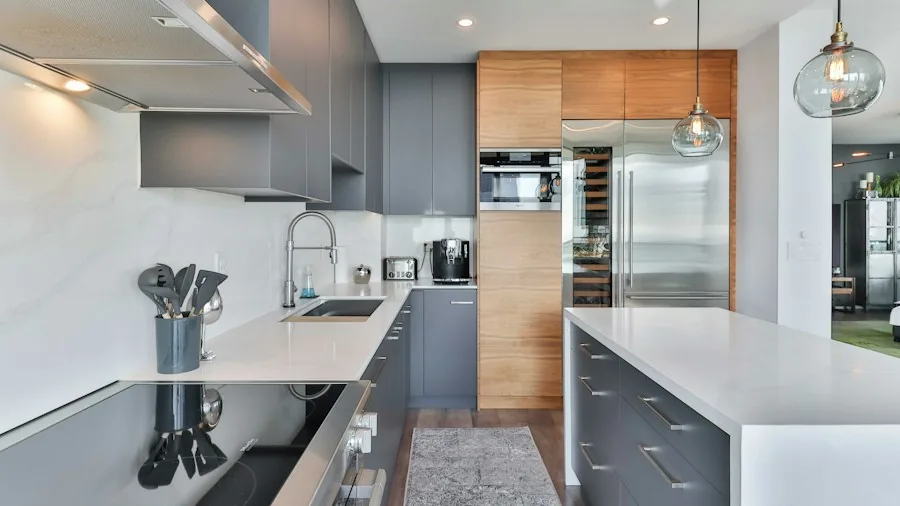
What’s truly noteworthy about the current revival is that designers and homeowners are embracing cutouts primarily for their aesthetic value rather than their ventilation function. This represents a broader trend toward adding handcrafted details and vintage-inspired elements to kitchens. How smart material choices transform small kitchens has become an important consideration, and decorative cutouts can serve as one of those differentiating design elements.
High-end kitchens are now featuring circular cutouts arranged in diamond patterns across cabinet faces. Designers are experimenting with placement and pattern to complement wallpaper, fabrics, and the overall aesthetic of the room. This isn’t limited to kitchens anymore, either. Kitchen design is shifting in unexpected ways, and cutouts are appearing in pantries, laundry rooms, mudrooms, home offices, and bedrooms with built-in cabinetry.
What This Means for Kitchen Shoppers
If you’re planning a kitchen renovation or update, cabinet cutouts represent one more way to personalize your space and add character. They work particularly well if you’re drawn to traditional, farmhouse, or transitional design styles. The practical benefit is that they can provide genuine ventilation in larders, airing cupboards, and pantries if you’re installing those storage solutions. Even without a functional purpose, the visual appeal is undeniable.
When considering this detail for your own kitchen, think about how the cutout pattern will interact with other design elements. Wall-mounted storage solutions also play an important role in overall kitchen aesthetics, so coordinating various details creates a cohesive look. Whether you go with a simple slot design or something more intricate like diamonds or circles, cabinet cutouts offer a way to step outside the standard, hardware-focused cabinet designs that have dominated kitchens for decades.
This trend underscores a larger movement in kitchen design toward embracing character and history. Homeowners are increasingly willing to invest in details that make their kitchens feel like intentionally decorated spaces rather than just functional work zones. If you appreciate vintage details and want to add a touch of old-world charm to your kitchen, now is an excellent time to explore what cabinet cutouts can offer.





