

Pressure Cooker Extension Cord Safety: What Buyers Should Know
Pressure cookers are powerful kitchen tools that make meal prep faster and easier. However, their high electrical demands create real safety risks that many home cooks overlook. Understanding how to use these appliances safely is essential for protecting your home and family from potential hazards.
Why Extension Cords and Pressure Cookers Don’t Mix
The fundamental problem comes down to electrical capacity. A typical pressure cooker operates at 1,250 watts or higher, drawing intense electrical current during the cooking cycle. Your standard kitchen outlet, rated at 15 amps and 120 volts, can safely handle around 1,500 watts, so plugging directly into a wall outlet poses no issue.
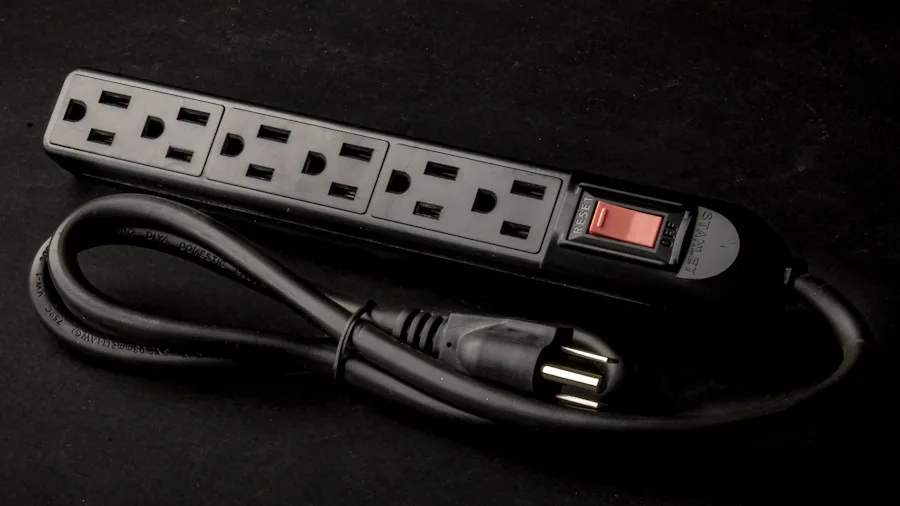
Extension cords, however, present a different story. Most indoor extension cords are rated for only 10 amps, which limits their wattage capacity to approximately 1,200 watts. When you plug a high-powered pressure cooker into such a cord, the intense electrical current flowing through the cord’s thin wiring can cause damage. The wire may overheat and fry, creating a serious fire risk. At minimum, the extension cord itself will be ruined and your pressure cooker may suffer permanent damage.
This same principle applies to other high-wattage kitchen appliances with powerful heating or searing functions. Multi-cookers and similar devices with intensive settings face identical risks when used with standard extension cords.
The Danger of Overloaded Circuits
Another critical safety concern involves running multiple high-powered appliances simultaneously on the same circuit. Even if your pressure cooker and another appliance are plugged into different outlets, they may share the same circuit breaker. When circuit capacity is exceeded, the breaker trips as a safety measure.
In homes with modern grounded outlets, a tripped breaker is merely an inconvenience: you reset the switch and resume normal operation. However, older homes with ungrounded outlets face genuine danger. When these circuits become overloaded, electrical resistance builds up heat inside the wiring behind your walls. This heat can melt insulation and ignite the wires themselves, creating a fire hazard that may go undetected until it’s too late.
The best practice is to dedicate a single outlet to your pressure cooker and avoid using other high-demand appliances while it operates. Keep toaster ovens, electric kettles, and similar devices off the same circuit during pressure-cooking sessions.
Additional Critical Safety Tips
Beyond the extension cord issue, several other precautions protect your home and loved ones. Always unplug your pressure cooker when you’re not actively using it. Electrical surges during storms or faults in your home’s wiring could unexpectedly activate the heating element, creating fire risk.
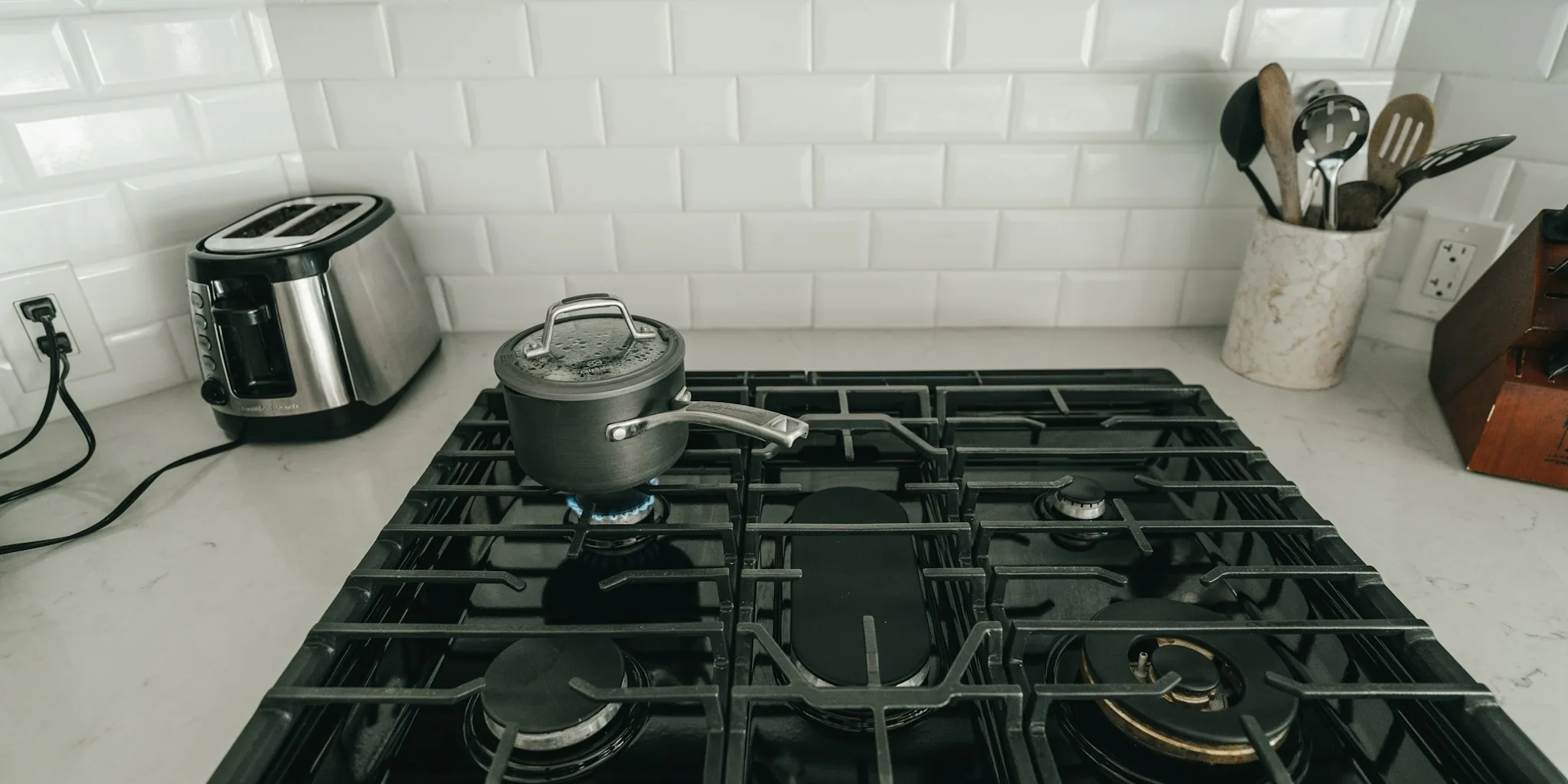
Never allow the power cord to dangle off the counter. Children and pets may pull on the cord, potentially dragging the pressure cooker down on top of them. Additionally, keep the cord positioned away from any heat sources. Gas burner flames can ignite the cord’s plastic coating, while high heat from electric cooktops can melt it.
Some modern kitchens feature outlets installed below countertop level, particularly on kitchen islands. Avoid plugging your pressure cooker into these below-counter outlets. Doing so leaves the cord exposed and creates tripping hazards. When shopping for appliances, consider outlet placement as part of your overall kitchen safety planning.
Planning Your Kitchen Layout
The desire to use an extension cord usually stems from limited counter space. Rather than compromise safety, invest in strategic appliance storage and outlet placement. Keep your pressure cooker in a base cabinet when not in use and identify a dedicated counter location for cooking sessions. This approach frees up workspace while ensuring safe, direct outlet access.
If your kitchen layout genuinely requires additional outlets, consult a licensed electrician about installing dedicated circuits for high-power appliances. This permanent solution protects your home and provides flexibility for future cooking needs. You might also explore appliance care and maintenance tips to extend the lifespan of your existing equipment.
Pressure cookers deliver real convenience and efficiency in the kitchen. By respecting their electrical demands and following safety guidelines, you can enjoy that convenience without putting your home or family at risk. Always plug directly into a wall outlet, never overload your circuits, and keep cords safely positioned away from heat and curious hands. These simple precautions transform pressure cooking from a potential hazard into a safe, reliable cooking method.





