
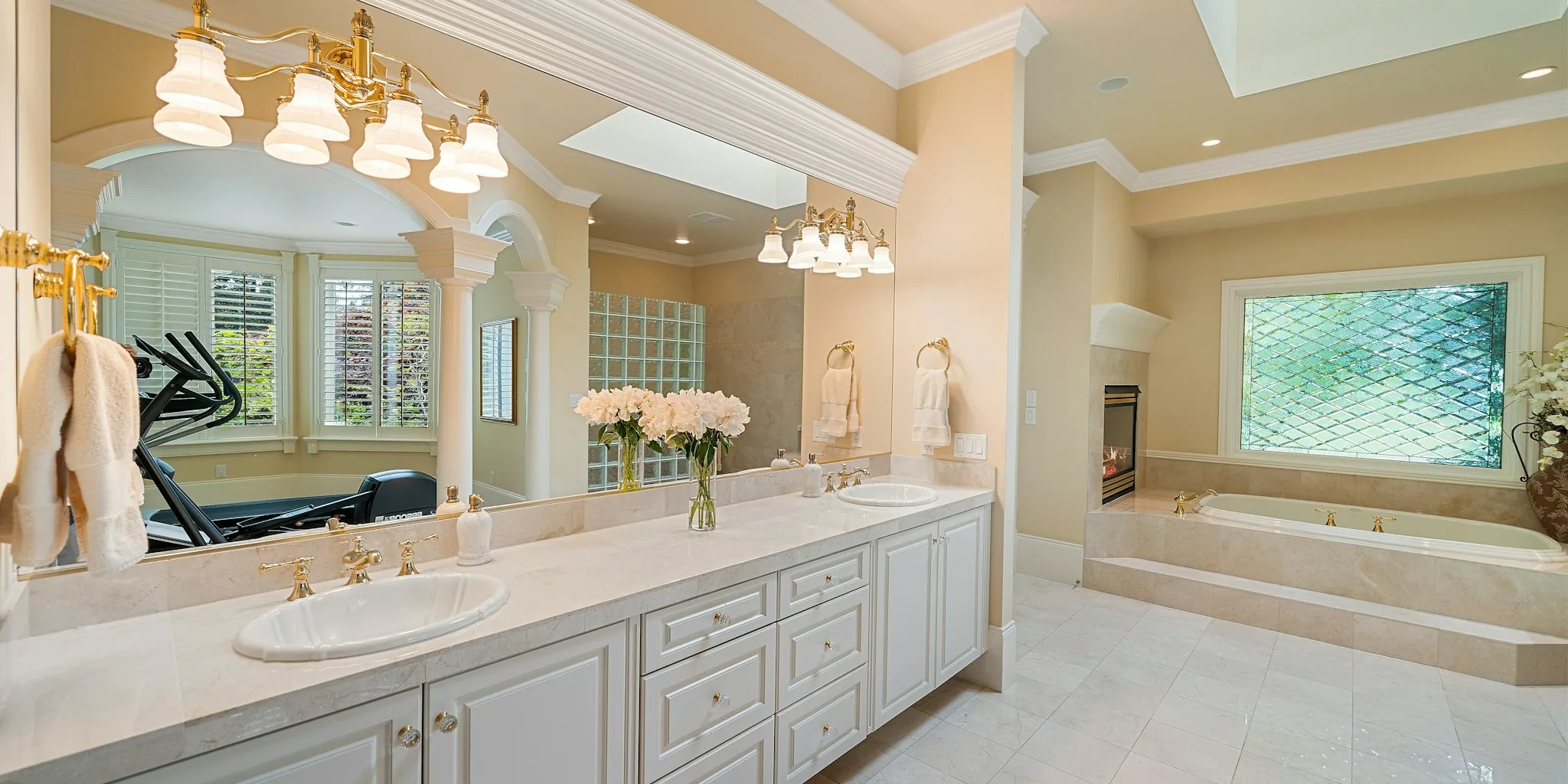

Taj Mahal Porcelain vs Marble: What Bathroom Shoppers Need to Know About Durability and Cost
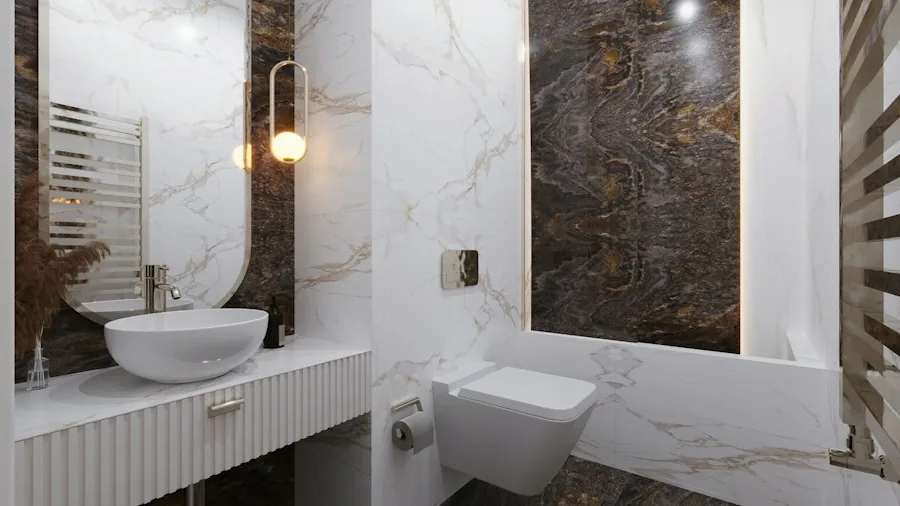
Marble has long been the go-to choice for homeowners wanting to elevate their bathroom design with a touch of luxury. However, the reality of living with marble counters tells a different story than the Instagram-perfect images suggest. Real marble is porous, soft, and vulnerable to staining from everyday bathroom products like makeup, toothpaste, and soap. Beyond maintenance headaches, marble comes with a premium price tag that can stretch budgets quickly. This gap between expectation and practicality has led many homeowners to explore alternatives that deliver the high-end aesthetic without the drawbacks.
Taj Mahal porcelain has emerged as a smart solution for buyers seeking that sophisticated, marble-inspired look in their bathroom without sacrificing durability or emptying their wallets. This engineered material successfully mimics the warm tones and delicate veining of natural stone while offering tangible advantages that matter in daily use. Available in shades ranging from crisp whites to warm beiges, Taj Mahal porcelain brings an upscale feel to bathroom counters, shower walls, floors, and even kitchens.
Why Durability Makes a Real Difference in Bathroom Counters
The primary advantage of choosing porcelain over marble comes down to durability. Unlike marble, porcelain is not a natural stone, which actually works in its favor when it comes to bathroom performance. Porcelain resists scratching and staining far better than marble, making it ideal for countertop applications where exposure to moisture and cosmetic products is constant. Another key benefit: porcelain doesn’t require sealing, unlike natural stone. This eliminates the ongoing maintenance routine that marble demands, saving time and money over the years.
For homeowners who have already invested in designer-approved bathroom fixture brands, Taj Mahal porcelain pairs seamlessly with quality faucets and finishes, allowing for a cohesive, polished bathroom aesthetic without worrying that water spots or soap residue will permanently mark the counters.
Understanding Your Installation Options and Costs
Taj Mahal porcelain comes in multiple formats: slabs, tiles, and mosaics. Each serves different purposes and budgets. Slabs represent the most luxurious option because they’re larger and create fewer grout lines, resulting in a seamless, sophisticated appearance. However, slabs typically command the highest price among the three formats. Tiles and mosaics offer more budget-friendly alternatives while still delivering the marble-look appeal.
Cost comparisons make the appeal of porcelain clear. Homeowners typically pay between 5 and 50 dollars per square foot for porcelain installation, including labor and materials. Marble ranges from 8 to 30 dollars per square foot, though premium marble varieties can exceed 350 dollars per square foot. For DIYers working with tiles from major retailers, Taj Mahal porcelain tiles run between 2 and 10 dollars per square foot without professional installation factored in. This pricing flexibility allows buyers to match their bathroom renovation budget while maintaining quality and style.
Is Porcelain the Right Choice for Your Bathroom?
While Taj Mahal porcelain solves many marble-related challenges, it may not suit everyone’s priorities. Homeowners committed to authentic materials will argue that genuine marble’s uniqueness, with each slab featuring one-of-a-kind veining, cannot be replicated. Additionally, if you’re planning to sell your home, authentic stone countertops can influence buyer perception positively, though maintaining that appearance requires consistent effort and expense.
Natural marble does demand significant maintenance to keep it pristine. Owners must commit to regular cleaning and sealing, and they need to address spills immediately to prevent permanent stains. This ongoing care represents a real lifestyle commitment that many homeowners underestimate when selecting countertop materials.
When planning a comprehensive bathroom renovation, consider how your countertop material works with other design elements. Incorporating versatile storage solutions and thoughtful accessories helps maximize your space. Many shoppers are rethinking traditional storage cabinets, and buyers are ditching cabinets for wicker baskets to create a more open, modern feel that complements contemporary countertop choices.
Making Your Final Decision
The choice between marble and Taj Mahal porcelain ultimately depends on your priorities. If durability, minimal maintenance, and affordability rank high on your list, porcelain delivers compelling value. If you’re drawn to the irreplaceable character of natural stone and you’re willing to invest in ongoing upkeep, marble remains an option. For most bathroom shoppers, however, the combination of porcelain’s practical advantages and its ability to achieve that luxurious aesthetic makes it a smart investment. With options ranging from tiles to dramatic slabs, Taj Mahal porcelain allows you to create a beautiful, durable bathroom that stays looking elegant for years without constant maintenance or budget strain. Whether you pair it with updated decorative towel rings or other fixtures, this material provides the foundation for a bathroom you’ll genuinely enjoy using every day.





