
A Designer’s Secret to High-End Dining Room Lighting
Interior design trends often trickle down from celebrity homes to everyday living spaces, and one particular lighting strategy is gaining serious momentum among homeowners seeking luxury on a budget. The “rule of three” lighting approach, popularized by using multiple chandeliers instead of a single fixture, is reshaping how people think about dining room illumination and overall home ambiance.
This design concept involves hanging three chandeliers in a line above a dining table rather than installing one large central fixture. The technique creates visual interest, enhances the perception of space, and delivers more even, flattering lighting across the entire dining area. Design professionals now recognize this as a practical solution for anyone looking to upgrade their home’s aesthetic without investing in a complete renovation.
Why Three Lights Beat One

The human eye naturally finds odd-numbered groupings more visually balanced than even quantities, which is why three fixtures create a pleasing composition without feeling too formal or rigid. When applied to dining room lighting, this approach guides your gaze across the entire length of the table, making the room feel larger and more welcoming.
Unlike a single overhead chandelier that can create harsh shadows at table ends, three properly spaced fixtures deliver consistent, ambient lighting throughout. This means diners at every seat enjoy the same quality illumination and warm atmosphere. The technique essentially eliminates dark corners while maintaining an elegant, layered look that screams intentional design.
The asymmetry created by hanging different antique or vintage chandeliers adds subtle sophistication. Each fixture can have its own character, yet together they form a cohesive statement that feels collected over time rather than purchased as a matching set.
How to Recreate This Look at Home
Getting the rule of three right requires attention to specific measurements and technical details. First, scale matters tremendously. Each individual chandelier should have a smaller diameter than the single fixture it replaces, so the combined width of all three equals roughly two-thirds of your table’s width. This prevents visual crowding and maintains proportion.
Spacing is equally critical. Position the chandeliers 24 to 30 inches apart from center to center, and hang each so its bottom sits 30 to 36 inches above the tabletop. These clearances ensure safe passage and comfortable dining while maintaining the visual flow the design creates.
Perhaps most importantly, wire all three chandeliers to a single dimmer switch. This allows you to adjust brightness across the entire trio simultaneously, creating that warm, inviting atmosphere that makes dining special. Being able to control all three fixtures as one unit gives you flexibility to transition from bright task lighting for meals to softer ambient lighting for entertaining.
What This Means for Your Shopping Strategy
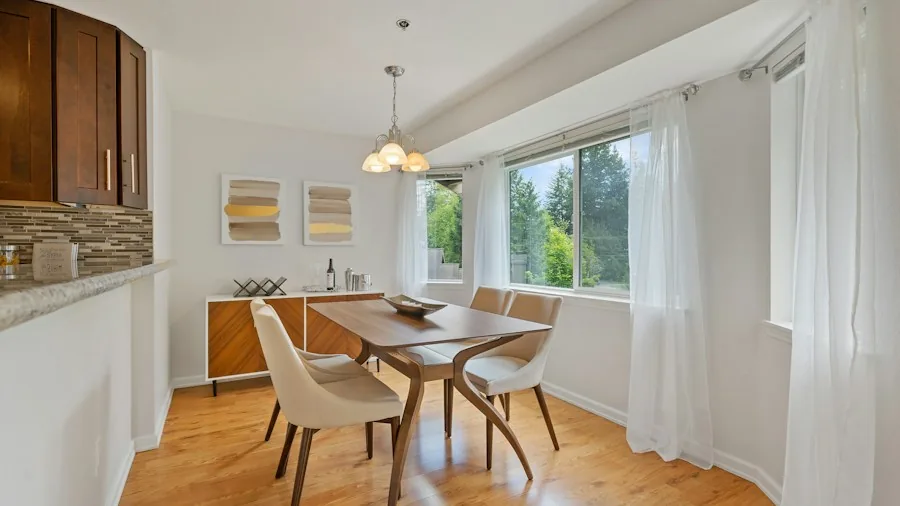
If you’re ready to upgrade your dining room lighting, you now have options beyond traditional single-fixture installations. You can source three matching crystal chandeliers from the same retailer, or mix and match similar styles in complementary finishes for a more curated appearance.
Budget-conscious shoppers will appreciate that three smaller chandeliers can sometimes cost less than one large statement piece, while delivering greater visual impact and functionality. Additionally, exploring diverse lighting approaches means you’re not locked into a single aesthetic or price point.
Consider your dining table length, ceiling height, and existing decor when selecting fixtures. Measure twice before purchasing, and verify that your electrical system can handle three separate fixtures or that you can install proper wiring.
The Takeaway for Today’s Homeowners
The rule of three lighting strategy represents a shift toward more thoughtful, personalized home design. Rather than defaulting to whatever comes standard with a new construction or renovation, homeowners now see fixtures as decorative elements that deserve careful consideration.
This trend also reflects a broader movement toward creating spaces that feel lived-in and collected rather than sterile and showroom-ready. Three different chandeliers tell a story in a way that one does not. They suggest history, travel, and personal taste.
Whether you implement this exact approach or simply apply the principle of odd-numbered lighting groupings elsewhere in your home, understanding why this technique works gives you confidence in your own design decisions. Good lighting transforms not just how a room looks, but how it feels, and how you experience your home every single day.