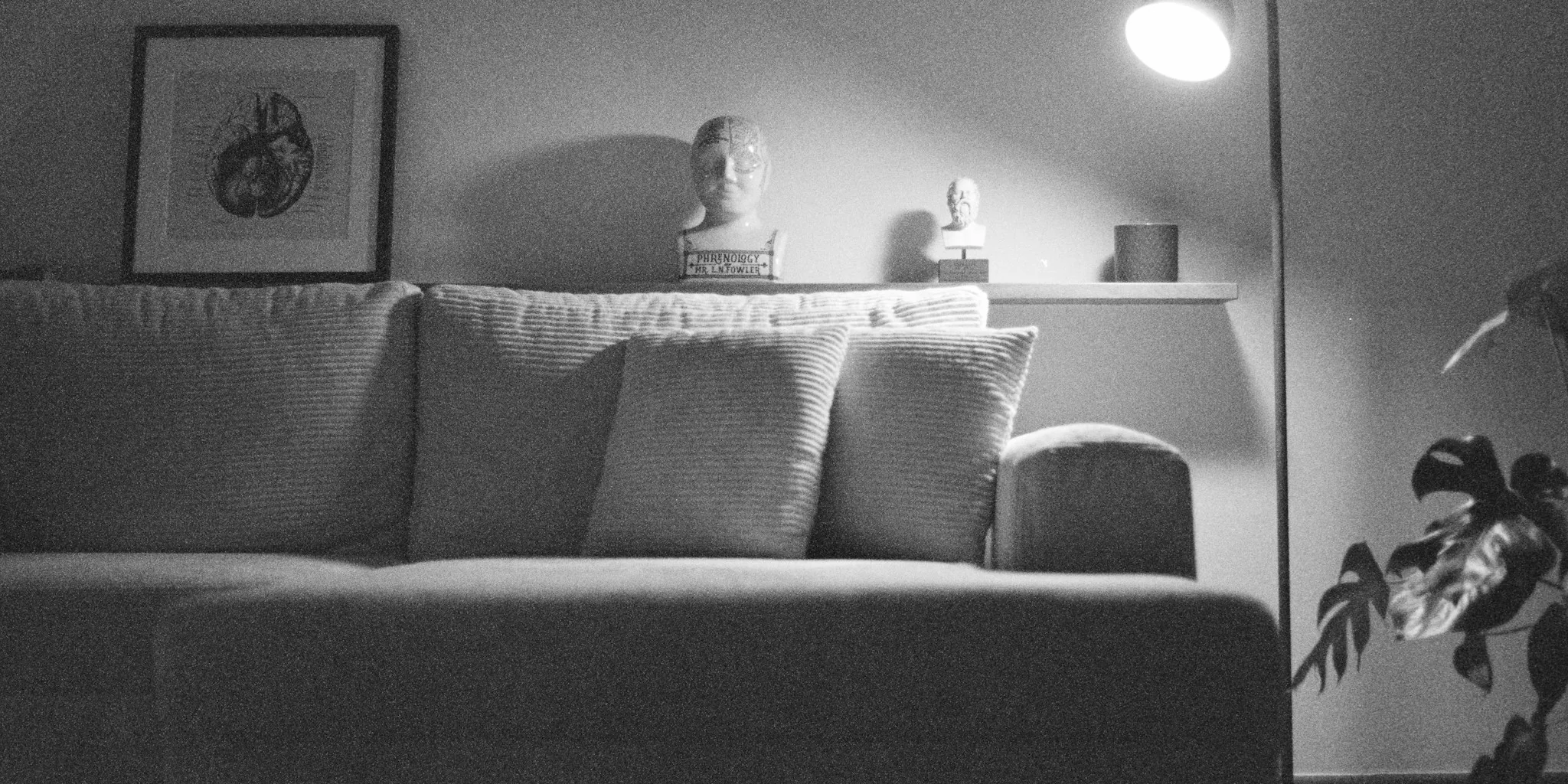

Design Experts Agree: One Overhead Light Simply Isn’t Enough
If you’ve been relying on a single ceiling fixture to illuminate your living room, you’re missing out on one of the most impactful design decisions you can make. Interior designers across the industry are united on one principle: layered lighting creates warmth, ambiance, and functionality that overhead fixtures alone cannot deliver. But how many lamps does your space actually need, and what should you know before you start shopping?
The answer isn’t a fixed number. Instead, it depends on your room’s size, layout, and how you use the space. A small living room might work beautifully with two or three lighting sources, while larger rooms can accommodate four, five, or even six strategically placed fixtures. The goal isn’t to hit a specific target but to create pockets of warm, inviting light throughout your space.
The Minimum Setup Most Experts Recommend

While opinions vary, interior designers consistently suggest starting with at least two core lighting elements: a table lamp and a floor lamp. These two pieces provide far more flexibility than overhead lighting alone. Table lamps can be positioned on side tables, console tables, or bookshelves, while floor lamps offer adjustable height and direction for reading and task work.
Beyond these basics, consider adding wall sconces for ambient lighting and accent fixtures that highlight architectural features or artwork. Picture lights have emerged as a popular way to add visual interest and draw attention to gallery walls or cherished art pieces. Many homeowners are also discovering that peel and stick sconces offer an easy solution for adding wall lighting without rewiring, making this approach accessible to renters and those in temporary spaces.
Scale and Placement Matter as Much as Quantity
The size of your lighting fixtures is just as critical as how many you install. A small living room with six oversized fixtures will feel cluttered, while a large space with only two petite lamps will feel dimly lit and disconnected. Pay attention to the proportions of each piece relative to your furniture, ceiling height, and overall room dimensions.
Placement strategy separates amateur lighting schemes from professionally designed ones. Rather than concentrating all light in the center of the room, distribute fixtures across multiple height levels and zones. Position reading lamps near seating areas, place wall sconces at eye level on side walls, and use accent lighting to highlight architectural details or create drama around the room’s perimeter.
Understanding the Three Types of Lighting
Professional designers structure living room lighting around three fundamental categories: ambient, task, and accent lighting.
- Ambient lighting provides overall illumination and sets the room’s mood. Wall sconces, table lamps, and soft overhead fixtures all contribute to this layer.
- Task lighting enables specific activities like reading or working. Floor lamps with directional heads and desk lamps serve this purpose effectively.
- Accent lighting highlights artwork, architectural features, or creates visual drama. Picture lights, uplighting, and strategically placed smaller fixtures fall into this category.
The best living room schemes incorporate all three types rather than relying on a single light source. This approach creates visual interest, allows you to adjust brightness for different moods, and ensures every corner of your room receives adequate illumination.
Zone-Based Planning for Maximum Impact
Think about how you actually use your living room and plan lighting accordingly. If you have a reading nook, that zone needs dedicated task lighting. If artwork or a fireplace commands attention, dedicate accent lighting to showcase it. Create groupings of light sources that work together, rather than scattering random fixtures throughout the space.
This approach also enables you to control different zones independently. You might have brighter task lighting for reading but softer ambient lighting for watching television or entertaining. Modern smart switches, like affordable voice controlled options now available at budget prices, make managing multiple zones easier than ever.
The Cold Light Problem Most Overlook
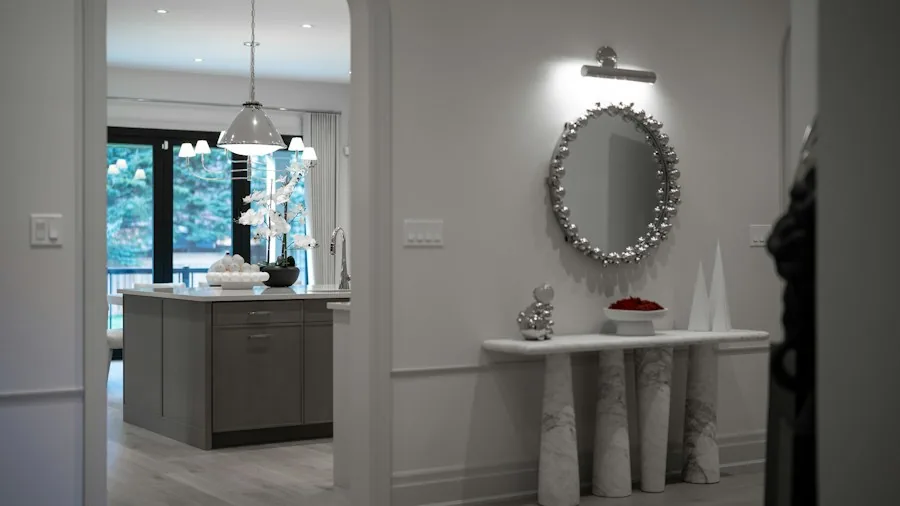
Many homeowners make the mistake of installing can lights or recessed ceiling fixtures in a grid pattern dictated by construction rather than design. This approach often creates harsh, unflattering light that resembles parking lot illumination. Designers consistently recommend replacing this strategy with layered lamps that cast warm, welcoming glows at various heights and angles.
Warm light makes spaces feel lived in and cozy, while cool overhead lighting creates an unwelcoming atmosphere. The trend among homeowners now emphasizes reducing reliance on harsh ceiling lighting and building schemes around table lamps, floor lamps, and wall mounted fixtures instead.
What You Should Know Before Shopping
Before purchasing new lighting, evaluate your room’s current setup. How many zones do you have? What activities happen in each area? Where could additional warmth improve the atmosphere? Use these questions to determine your actual lighting needs rather than assuming a specific number works for all living rooms.
Remember that no magic number exists for perfect living room lighting. Your scheme should reflect your home’s unique size, style, and how you live in the space. The universal truth among design professionals is this: move away from single source ceiling fixtures, embrace layering, and never settle for lighting that feels harsh or uninviting.