
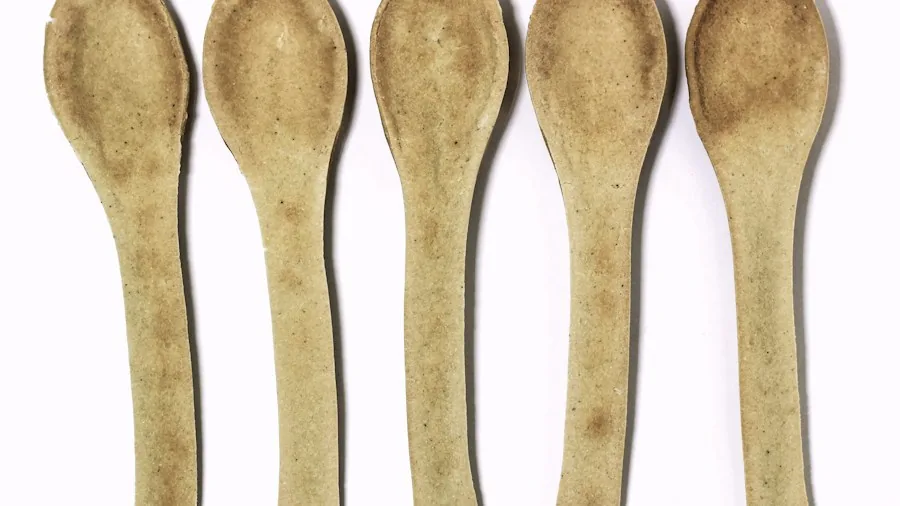
Wooden spoons are a kitchen essential that most home cooks rely on daily. They’re gentle on nonstick cookware, stay cool during cooking, and can remain useful for years with proper care. However, one common habit can drastically reduce their lifespan: running them through the dishwasher.
A team of home care experts has confirmed what many kitchen professionals have long suspected. Putting wooden utensils in the dishwasher exposes them to conditions that wood simply cannot withstand over time. Understanding these risks helps shoppers make informed decisions about caring for their kitchen tools and getting the most value from their investment.
Why Dishwashers Damage Wooden Utensils
The dishwasher creates a harsh environment for wood through three primary mechanisms. First, the extended water exposure during a full wash cycle saturates the wood fibers far beyond what hand washing produces. Second, the high heat inside a dishwasher cycles the wood through repeated expansion and contraction. Third, modern dishwasher detergents are formulated to cut through grease and buildup, which means they can gradually strip away the protective finishes that manufacturers apply to wooden utensils.
Together, these factors cause predictable damage patterns. Wood warps, cracks develop, and the utensil eventually splits. These aren’t minor cosmetic issues. Cracks in wooden spoons create small crevices where food particles become trapped, making thorough cleaning nearly impossible. This defeats the purpose of having kitchen utensils that come into direct contact with food you’re preparing.
The damage doesn’t happen after a single wash cycle. Instead, it accumulates gradually with repeated dishwasher use. This means occasional expedience might seem harmless, but the long-term cost is a kitchen tool that no longer serves its purpose.
What About Dishwasher-Safe Wooden Items
Some manufacturers do produce wooden utensils specifically engineered to withstand dishwasher conditions. These items will have clear labeling on the packaging or the utensil itself indicating they’re safe for machine washing. If your wooden spoons, spatulas, or other implements carry this designation, follow the manufacturer’s specific instructions for care.
If you’re uncertain about an existing wooden utensil or can’t locate the original packaging, the safest approach is to hand wash. The minor inconvenience of a quick hand wash is worth the extended lifespan of a quality wooden tool. This is especially true for premium wooden items that belong on lists of things never to put in the dishwasher.
The Right Way to Clean Wooden Utensils
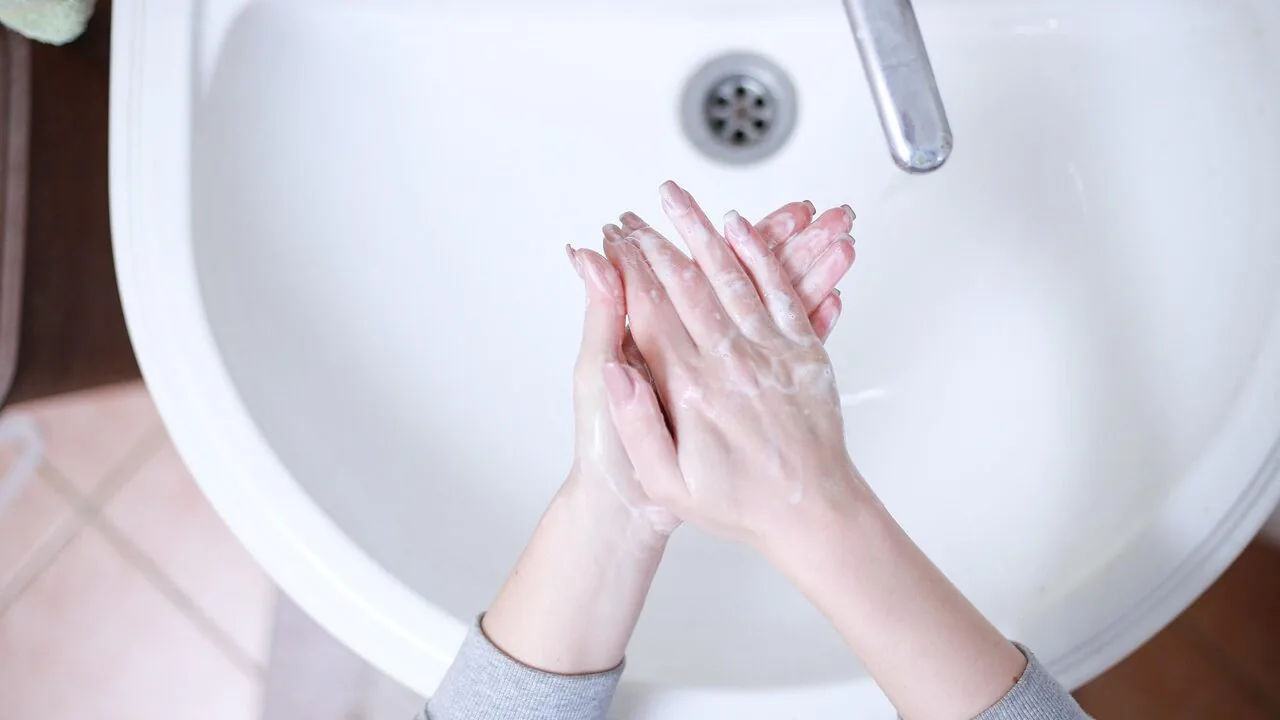
Hand washing wooden kitchen tools requires minimal effort and only takes a few extra seconds at the sink. The recommended approach is straightforward and uses supplies you already have.
- Wash with warm water and a modest amount of dish soap immediately after use
- Use only a soft sponge or cloth, avoiding any abrasive scrubbers that can gouge the wood surface
- Never allow wooden utensils to soak in water, as prolonged submersion causes the same damage as a dishwasher cycle
- Dry thoroughly with a clean towel right after washing rather than leaving items to air dry
These simple steps take roughly the same amount of time as loading items into a dishwasher, making the trade-off straightforward. You gain years of reliable use from each wooden utensil by committing to this basic routine.
Apply This Care Method to All Wooden Kitchen Tools
The guidance for wooden spoons extends to all wooden kitchen implements. Spatulas, salad servers, cutting boards, and wooden serving utensils all benefit from the same gentle hand-washing approach. When considering which products to use for cleaning kitchen items, remember that strong dishwasher detergents are particularly harsh on wood finishes.
When You’re in a Pinch
Life happens, and sometimes the sink is overflowing during a dinner party. Running a wooden spoon through the dishwasher one time won’t destroy it immediately. The deterioration process requires repeated exposure. However, making this a habit will eventually compromise the utensil’s integrity. If you occasionally use the dishwasher in an emergency, simply plan to hand wash the wooden pieces more frequently and inspect them regularly for signs of damage.
Choosing to hand wash wooden kitchen utensils is an investment in durability. A quality wooden spoon can last for decades when treated properly, making it one of the most cost-effective tools in your kitchen. By avoiding the dishwasher and following a simple cleaning routine, shoppers can ensure their wooden utensils remain functional, attractive, and hygienic for years to come.