
The hunt for vintage lighting at thrift stores and estate sales has become increasingly competitive, especially as collectors recognize the value hiding in plain sight. One of the most prized finds today is the original Emeralite banker’s lamp, a piece of lighting history that commands impressive prices in the resale market. If you’re a savvy shopper looking to add character to your home or invest in collectible fixtures, understanding what makes these lamps valuable is essential.
What Is an Emeralite Banker’s Lamp?
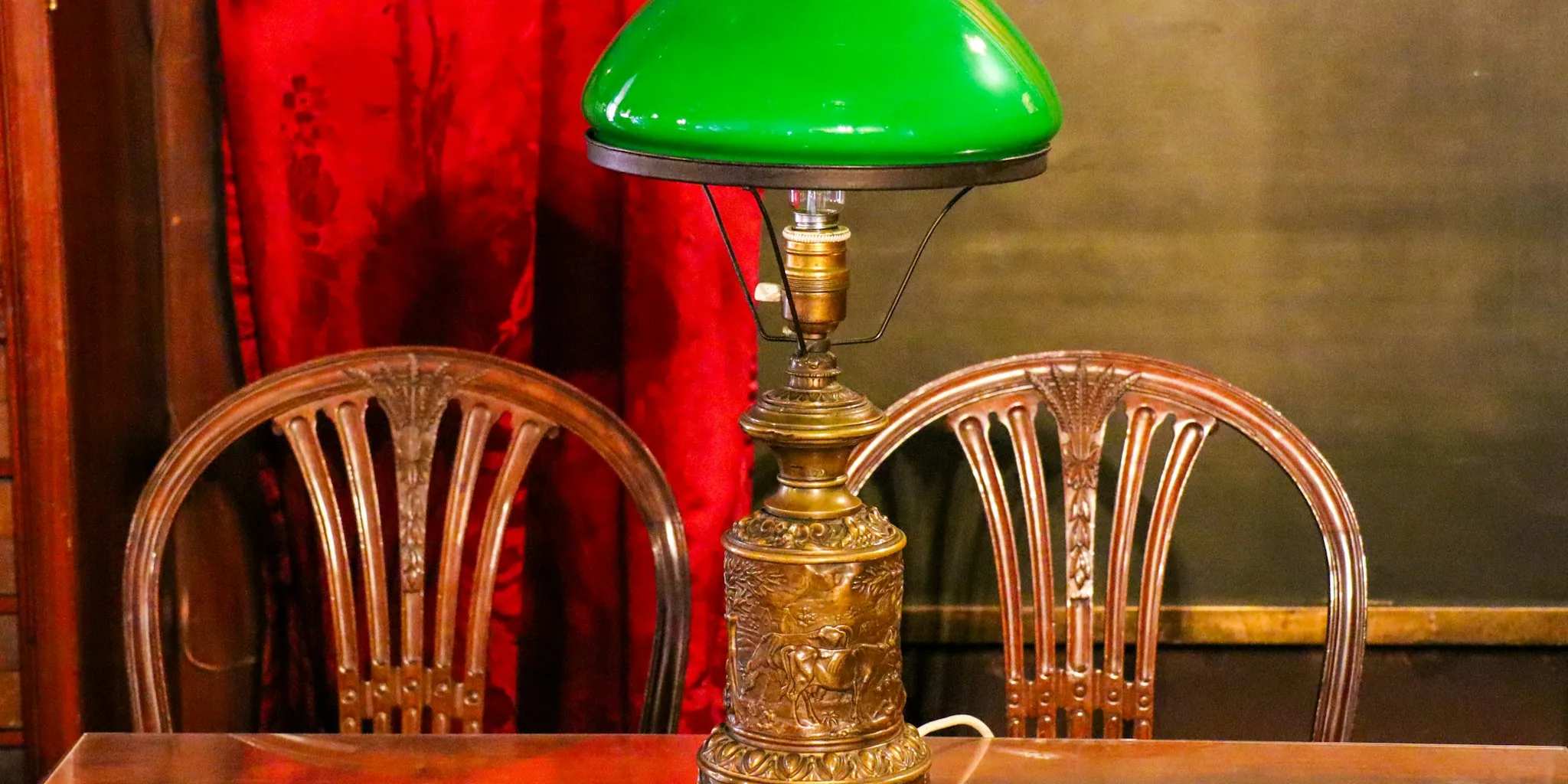
The Emeralite banker’s lamp became an iconic fixture in offices, banks, and libraries throughout the early twentieth century. Introduced in 1909 by H. G. McFaddin & Co., the design was based on a patented lampshade created by Harrison D. McFaddin. The name combines “emerald” and “light,” a fitting description for the lamp’s most distinctive feature: its signature green glass shade paired with a brass or brass-plated base.
These lamps were engineered with purpose. The curved shades were designed to direct light downward onto work surfaces, reducing glare and eye strain. While manufacturers marketed them as being gentler on the eyes, the real innovation lay in how the shades were constructed using a technique called cased glass, where white opal glass was fused to green glass. The white opal interior reflected light downward efficiently, making them genuinely functional for desk work.
Why Collectors Are Paying Top Dollar

Original Emeralite lamps have become highly collectible in recent years, with prices that can surprise the uninformed shopper. An early signed Emeralite with its original green shades sold for $795 in 2020. Even individual original shades alone can fetch substantial sums. In May 2025, a particularly rare shade featuring a lightning bolt design sold for $300. The market for these pieces has stayed strong, though condition plays an enormous role in determining final value. A genuine early lamp requiring electrical rewiring and showing minor damage sold for just $130 at auction in January 2026, demonstrating how significantly deterioration affects desirability.
The appeal extends beyond mere nostalgia. These fixtures offer authentic vintage character that far surpasses most modern reproductions. Unlike mass-produced contemporary desk lamps made from plastic, genuine Emeralites bring craftsmanship and heritage to any space. Modern lighting trends continue to emphasize both function and aesthetic appeal, but few contemporary options match the timeless elegance of these historic pieces.
How to Spot a Real Emeralite at the Thrift Store
The popularity of Emeralite lamps has spawned countless reproductions, ranging from obvious knock-offs to remarkably convincing fakes. Learning to identify genuine pieces could mean the difference between a bargain score and wasted money.
Authentic Emeralites typically have manufacturer markings and patent information etched or stamped onto the metal shade holder. The green glass shades should have a distinctive milky white interior where the cased glass technique was used. Feel the base: genuine originals are noticeably heavy and substantial, reflecting quality brass construction. Original labels or stamps on the shade itself are rare finds due to age, but if present, they’re strong indicators of authenticity.
Interestingly, there are variations among genuine originals worth noting. The earliest versions, produced from 1909 to 1916, feature small holes through the shade’s sides for attachment to supporting arms. Later models in the 8734 series used a different mounting system with a specially designed channel, eliminating the side holes. Knowing these details helps you evaluate whether a thrift store discovery is genuinely valuable.
What Condition Really Means for Your Purchase
Before you rush to the checkout with a suspected original, inspect it carefully. Rewiring an old lamp isn’t necessarily a problem, especially if you plan to actually use it. In fact, a century-old fixture with original wiring poses serious safety hazards and should be professionally rewired. However, buyers and collectors distinguish between necessary updates and compromised authenticity. Mixing original and reproduction parts reduces both value and collectibility dramatically.
Modern lighting innovations have made safety upgrades standard practice. Collectors accept this reality when evaluating pieces. What matters is whether the core components remain original. Never plug in an untested vintage lamp yourself. Have it inspected and rewired by a professional who understands antique fixtures.
Whether you’re drawn to these lamps for their beauty, their functionality, or their investment potential, authentic Emeralites represent a smart addition to any home. The combination of historical significance, superior craftsmanship, and timeless design ensures they’ll remain sought-after by both decorators and collectors for years to come.