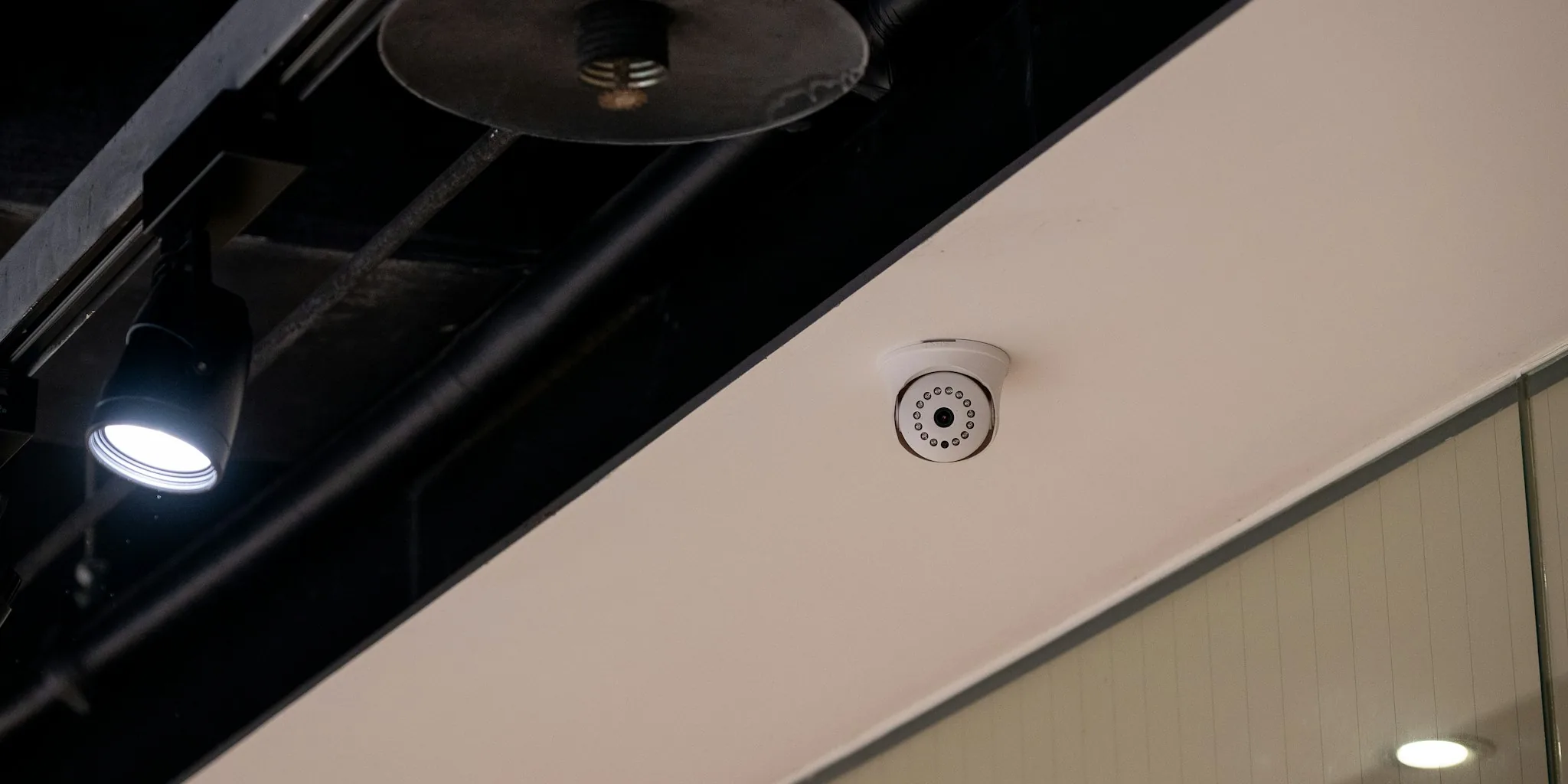

Installing smoke detectors throughout your home is one of the most effective ways to protect your family from fire. However, simply having them is not enough. According to fire safety experts, the placement of your smoke detectors is just as critical as having them installed in the first place. With families having as little as three minutes to escape a home fire once it starts, smoke alarms serve as your earliest warning system. Knowing where not to install them is essential to ensuring they function properly when you need them most.
Why Placement Matters for Fire Safety
Fire safety professionals stress that smoke detector placement directly impacts how quickly your family can escape a dangerous situation. When temperatures and conditions are right, smoke travels rapidly through a home. Your alarms must be positioned to detect this smoke as early as possible. Poor placement can delay detection, reduce alarm sensitivity, or cause false alarms that lead homeowners to disable their devices entirely. Understanding five key locations where smoke detectors should never be placed can help you create an effective home safety plan.
Kitchens Are Often the Wrong Location

One of the most common installation mistakes occurs in kitchens. While fire safety is important throughout your entire home, installing a smoke detector too close to cooking appliances causes frequent false alarms. Experts recommend placing smoke detectors at least ten feet away from stoves, ovens, and toasters. When you burn toast or cook with steam, nearby alarms trigger unnecessarily. This leads many homeowners to disable or remove their alarms, defeating the entire purpose of having them. If nuisance alarms are a persistent problem in your kitchen area, consider upgrading to newer technology that better differentiates between cooking smoke and actual fire smoke.
Bathrooms and Humidity Create False Alarms
Bathrooms are another location where smoke detectors frequently malfunction. Steam from showers, hot baths, and appliances like hairdryers and washing machines can trigger false alarms in these spaces. Fire safety experts recommend positioning smoke detectors at least three feet away from any bathroom containing a shower or tub. This spacing prevents moisture in the air from interfering with sensor operation. If your bathroom is small or your bedroom opens directly to the bathroom, consider placing the detector in the bedroom hallway instead.
Garages and Unfinished Attics Present Temperature Challenges
While you should install smoke detectors in basements and throughout your home’s main living areas, garages and unfinished attics present unique challenges. Temperatures in these spaces fluctuate dramatically between seasons, sometimes dropping below 40 degrees Fahrenheit or exceeding 100 degrees. These extreme temperature swings make smoke alarm sensors less reliable and cause them to malfunction. Additionally, dust and debris common in these unfinished spaces can interfere with proper operation. Stick to finished areas and climate-controlled spaces for your detector placement.
Air Movement and Drafts Disrupt Sensors
Smoke requires still air to reach your detector’s sensors effectively. When you place detectors near windows, air conditioning registers, heating vents, or ceiling fans, air currents push smoke away from the sensors. This delays detection and can prevent alarms from sounding during an actual fire. Proper placement is especially important when coordinating fire safety with other home safety systems, such as carbon monoxide detectors. Avoid any location where you notice air movement or feel drafts flowing through the space.
Obstruction Blocks Smoke From Reaching Sensors

Smoke detectors need clear access to circulating air in your home. When you position them behind heavy fabrics, inside cabinets, or under structural beams, smoke cannot reach the sensors quickly enough. Similarly, tall shelves, closed doors, and ceiling decorations can obstruct smoke movement and reduce your alarm’s effectiveness. Position your detectors in open areas where smoke can travel freely and reach the sensors within seconds of a fire starting. Creating a comprehensive home safety strategy involves considering air quality and circulation throughout your living spaces.
Best Practices for Smoke Detector Installation
Install detectors in every bedroom and outside sleeping areas where your family spends time. Place them on every level of your home, including the basement. Test your detectors monthly and replace batteries twice yearly. Check that alarms are not expired, as most units have a ten year lifespan. By avoiding these five problematic locations and following expert placement guidelines, you significantly improve your family’s chances of receiving an early warning during a fire emergency.