Carbon monoxide is an odorless, colorless gas that can build up in your home without any warning. According to the Centers for Disease Control and Prevention, more than 400 people in the United States die from accidental CO poisoning every year, and thousands more are hospitalized. A reliable carbon monoxide detector is one of the simplest, most affordable ways to protect everyone in your household. At HomeThru, our editorial team independently researched and evaluated dozens of models from leading brands including Kidde and First Alert to bring you this shortlist of the best carbon monoxide detectors you can buy right now.
Whether you need a plug-in detector for the living room, a hardwired unit for a newly renovated home, or a portable battery-powered model for travel, there is an option in this guide for every situation and budget. We focused on sensor reliability, alarm loudness, power source flexibility, ease of installation, and overall value when assembling this list. If you are also upgrading your home security setup, pairing a CO detector with smart plugs or smart thermostats can add another layer of automated protection.
Top Carbon Monoxide Detectors
Pros
- Easy setup with standard outlet compatibility and no professional installation needed
- Battery backup provides protection during power failures, keeping your family safe 24/7
- Durable construction with 7-year lifespan and clear end-of-life indicator prevents expired units
- Compact design fits naturally into any room without taking up significant space
- Single test/silence button keeps operation simple and intuitive
Cons
- No digital display or readout to show actual CO levels, only alarm when danger threshold is reached
- Limited to rooms with accessible outlets, which may exclude some locations like attics or crawlspaces
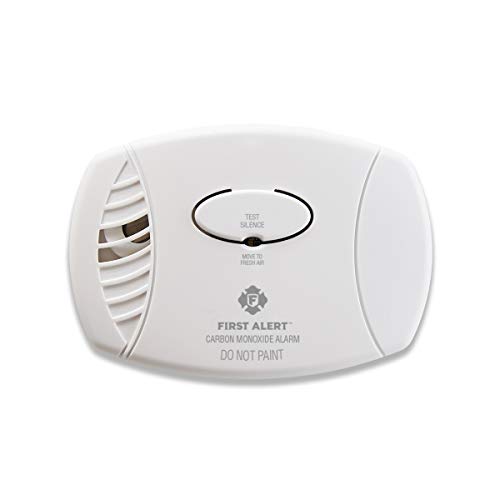
The First Alert CO606 represents a practical approach to carbon monoxide detection for homeowners who want straightforward protection without unnecessary complexity. The plug-in design means you can have this detector operational within seconds of unboxing, and the battery backup system ensures it continues monitoring even if your home loses power. For families living in areas prone to power outages or those with older electrical systems, this dual-power capability provides genuine peace of mind.
The electrochemical sensor at the heart of this detector is designed to accurately identify carbon monoxide regardless of where you position it in a room. The 85-decibel alarm is sufficiently loud to wake sleeping household members and alert you to danger, meeting the safety requirements that matter most. The mutable low battery signal is a thoughtful feature that prevents constant chirping while still ensuring you know when replacement batteries are needed.
Where this detector excels is in straightforward reliability and durability. The 7-year lifespan with an end-of-life chirp means you'll know exactly when to replace the unit, preventing the common problem of expired detectors providing false security. For homeowners prioritizing dependable CO protection across multiple rooms without complex installation, this First Alert model delivers solid value and functionality.
| Specification | Details |
|---|---|
| Brand | First Alert |
| Model | CO606 |
| Color | White |
| Dimensions | 3.4 x 1.38 x 5 inches |
| Weight | 0.2625 pounds |
| Installation Type | Plug-In (Standard Outlet) |
| Power Source | AC with Battery Backup |
| Sensor Type | Advanced Electrochemical |
| Alarm Level | 85 Decibels |
| Warranty | 7-Year Limited |
| Certifications | UL Standards Approved |
| Quantity | 1-Pack |
Placement Matters: Install one CO606 detector on each level of your home and in each bedroom. Place units near sleeping areas where you'll hear the alarm, and in rooms with fuel-burning appliances like furnaces, water heaters, and fireplaces.
Avoid Problem Locations: Don't place detectors in kitchens where cooking fumes trigger false alarms, directly above sinks or bathrooms where moisture damages sensors, or in extremely hot or cold areas. Keep units away from windows, doors, and vents that allow outside air to interfere with detection.
Regular Maintenance: Test your detector monthly using the test button. Replace batteries when the low battery signal sounds, and mark your calendar to replace the entire unit after 7 years. Keep detectors clean and dust-free for optimal sensor performance.
Know the Alarm Signals: A loud, continuous alarm indicates dangerous CO levels and requires immediate evacuation and emergency services. A periodic chirp signals low battery or end-of-life status. Familiarize all household members with these signals.
Who Should Buy This Detector: Homeowners seeking basic, reliable CO protection with minimal installation hassle. It's ideal for renters, those with budget constraints, and anyone wanting to add detectors to multiple rooms without professional installation costs.
Key Considerations: Assess your home's outlet availability in key locations like bedrooms and near fuel-burning appliances. If your home lacks convenient outlets, consider hardwired models instead. Verify that you're comfortable replacing batteries annually and the entire unit every 7 years.
Quantity Planning: Safety experts recommend one detector per level of your home and in each bedroom. A typical single-family home needs 2-4 detectors depending on layout. Budget accordingly for complete coverage.
Integration with Other Safety Systems: This detector operates independently and doesn't connect to smart home systems or security monitoring. If you want integrated CO detection with your existing security setup, consider hardwired models with monitoring capabilities instead.
Initial Setup: Unpack the CO606 and locate a standard electrical outlet on the wall where you want detection. The outlet should be accessible but not behind furniture. Plug the detector directly into the outlet. The unit will be operational immediately.
Testing the Alarm: Once installed, press and hold the single test/silence button for 3 seconds. You should hear the 85-decibel alarm sound, confirming the detector is functioning. Release the button to stop the test alarm. Perform this monthly test to ensure reliability.
Battery Backup Operation: The CO606 includes batteries for backup power. When you first install the unit, batteries are pre-installed. If power fails, the detector continues monitoring using battery power. When the low battery signal sounds, replace the batteries promptly to maintain backup protection.
Responding to Alarms: If the alarm sounds continuously and you suspect CO exposure, immediately evacuate your home and call emergency services from outside. Do not re-enter until authorities confirm the area is safe. A periodic chirp indicates low battery or end-of-life status, not an emergency.
Pros
- Combines two essential safety detectors in one compact unit, saving space and cost
- Battery backup keeps your home protected during power failures when CO risk is highest
- Digital display eliminates guesswork by showing actual CO levels rather than just on/off alerts
- Peak memory feature helps you spot recurring gas exposure issues before they become dangerous
- 85dB alarm is loud enough to wake you and alert everyone in the home
Cons
- No reviews available yet, so real-world durability and long-term performance data is limited
- Requires placement near a 120V outlet, which may limit flexibility in choosing optimal detector locations
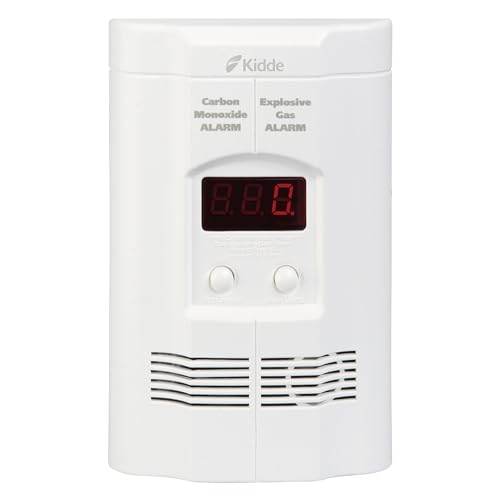
The Kidde combination CO and gas alarm addresses a common homeowner concern: protecting your family from multiple invisible threats with a single, affordable device. This plug-in model combines carbon monoxide detection with explosive gas sensing for natural gas and propane, making it particularly valuable for homes with gas appliances, furnaces, or propane heating systems. The straightforward plug-and-play installation means you can activate protection in minutes without calling an electrician or drilling into walls.
What sets this detector apart is its digital display, which shows real-time carbon monoxide levels in parts per million rather than just sounding an alarm. This transparency helps you understand your home's CO exposure over time, and the Peak Level Memory feature records the highest concentration detected since the last reset. Combined with an 85-decibel alarm that's loud enough to wake sleeping household members, the unit delivers both immediate alerts and ongoing awareness of air quality threats.
The 9V battery backup is essential insurance for plug-in detectors. Power outages often occur during winter months when heating systems run continuously and CO risk peaks. With battery backup, your family remains protected even when the grid fails. The compact 2.48 x 3.82 x 6.1 inch design fits easily on a shelf, nightstand, or wall outlet without dominating your decor.
| Specification | Details |
|---|---|
| Brand | Kidde |
| Model | 3rd Edition Combination CO + Gas Alarm |
| Detection Type | Carbon Monoxide + Explosive Gas (Natural Gas & Propane) |
| Power Source | 120V AC outlet with 9V battery backup |
| Display | Digital LED with CO level readout and GAS alert |
| Alarm Volume | 85 decibels |
| Special Features | Peak Level Memory, LED status indicators |
| Color | White |
| Dimensions | 2.48 x 3.82 x 6.1 inches |
| Package Quantity | 1 unit |
Placement Matters: Install this detector in or near bedrooms and living areas where family members spend the most time. For maximum effectiveness, place it 4-8 feet from potential CO sources like gas furnaces, water heaters, and cooking appliances. Avoid placing it in kitchens where cooking fumes may trigger false alarms.
Regular Testing: Test your detector monthly by pressing the test button. Most units have a dedicated test function that simulates an alarm without actual gas detection. This ensures the alarm mechanism and battery backup are functioning properly. Mark your calendar or set a phone reminder for consistent testing.
Battery Maintenance: Replace the 9V backup battery annually, even if the detector still operates. Don't wait for the low-battery warning. Keep spare 9V batteries on hand so you can replace them immediately when needed.
Know Your Symptoms: Recognize CO poisoning signs in household members: headache, dizziness, weakness, upset stomach, chest pain, and confusion. If multiple people experience these symptoms simultaneously, suspect CO exposure, evacuate immediately, and call emergency services. Don't re-enter the home until authorities confirm it's safe.
Do You Need This? If your home uses natural gas, propane, or oil for heating, water heating, or cooking, a CO detector is essential. Even homes with electric heat benefit from CO protection if they have gas fireplaces, grills, or generators. The combination design makes sense if you want one device addressing multiple gas threats.
Single vs. Multiple Units: One detector provides basic protection for a single room or small home. Larger homes benefit from multiple detectors placed in different zones. The plug-in design makes it easy to add additional units without professional installation.
Plug-in vs. Hardwired: Plug-in detectors offer flexibility and easy installation but depend on outlet availability and power supply. Hardwired models (sold separately) integrate with home electrical systems and often include battery backup as standard. Choose plug-in for quick, rental-friendly protection; choose hardwired for permanent, integrated safety.
Budget Considerations: This combination unit costs less than buying separate CO and gas detectors. Compare the total cost of multiple single-function detectors against one combination unit when planning your home safety strategy.
Strategic Outlet Selection: Choose an outlet that's accessible for monthly testing but not in high-traffic areas where it might get bumped or unplugged accidentally. Avoid outlets behind furniture or appliances. If your home's outlet placement isn't ideal, consider a heavy-duty extension cord rated for continuous use to position the detector more effectively.
Leverage Peak Memory: Check the peak level reading monthly during your test routine. If you notice CO levels creeping upward over time, it signals a developing problem with your heating system or gas appliances. Schedule professional HVAC inspection before the situation becomes dangerous. This early warning system is one of this detector's best features.
Combine with Ventilation: A good detector works best alongside proper home ventilation. Ensure gas appliances are properly vented, keep furnace vents clear of snow and debris, and maintain adequate air circulation in your home. Detectors alert you to problems; proper maintenance prevents them.
Create a Family Safety Plan: Establish a household evacuation plan in case of CO or gas alarm. Everyone should know to leave immediately when the alarm sounds, not investigate the source. Designate a meeting spot outside and ensure everyone knows to call emergency services from a safe location.

Pros
- No installation required; works right out of the box with included AA batteries
- Genuinely portable design makes it perfect for travel and temporary accommodations
- Meets rigorous UL 2034 5th Edition safety standards for reliable CO detection
- Test/Hush button lets you verify function and temporarily silence false alarms
- Compact footprint fits easily on nightstands, shelves, or mounted on walls
Cons
- Battery-powered operation means you'll need to replace AA batteries periodically, adding ongoing maintenance costs
- No hardwired backup power option, so dead batteries leave your home unprotected until replaced
The Kidde COB carbon monoxide detector brings straightforward, no-nonsense CO protection to homeowners and travelers who want flexibility without complicated installation. This battery-powered unit operates independently of your home's electrical system, making it ideal for renters, vacation properties, and anyone who needs to move their detector between locations. The compact design and lightweight construction mean you can take it with you to hotels or rental cabins where built-in detectors may be missing or unreliable.
Performance-wise, the COB delivers what matters most: reliable detection and clear alerts. The 85 dB alarm is loud enough to wake you and alert occupants to evacuate, while the LED status light provides visual confirmation that the unit is functioning. The device meets UL 2034 5th Edition standards, which means it's been rigorously evaluated to detect carbon monoxide at dangerous levels. The Test/Hush button lets you verify the alarm works without triggering a full alert, and it can temporarily silence false alarms while you investigate the source.
The main trade-off with this design is maintenance: you'll need to monitor and replace the two AA batteries periodically. Unlike hardwired detectors that have backup battery power, this unit depends entirely on those batteries, so dead batteries mean zero protection until you replace them. For homeowners willing to add battery replacement to their maintenance routine, the Kidde COB offers practical, affordable CO detection that goes where you go.
| Specification | Details |
|---|---|
| Model | Kidde COB (5th Edition) |
| Detection Type | Carbon Monoxide (CO) |
| Alarm Level | 85 dB |
| Power Source | Two AA Batteries (included) |
| Installation | Wall-mounted or tabletop placement |
| Color | White |
| Dimensions | 1.52 x 5.14 x 2.83 inches |
| Weight | 0.37 pounds |
| Safety Certification | UL 2034 5th Edition, ETL Listed |
| Warranty | 10-year limited warranty |
| Features | LED status light, Test/Hush button |
Installation: Insert the two included AA batteries into the battery compartment on the back of the unit. Choose a location on a wall at eye level, or place the detector on a stable surface like a nightstand or shelf. No tools or wiring required.
Testing: Press the Test/Hush button to verify the alarm sounds. You should hear the 85 dB alarm and see the LED light activate. Test your detector monthly to ensure it's working properly.
Operation: The LED light blinks periodically to indicate the unit is powered and functioning. If carbon monoxide is detected, the alarm will sound continuously and the LED will light up. Evacuate to fresh air immediately and call emergency services.
Silencing False Alarms: If the alarm sounds but you suspect it's a false alarm (cooking smoke, steam), press the Test/Hush button to temporarily silence it while you investigate. If the alarm continues, evacuate anyway and seek help.
Battery Replacement: Replace batteries annually or whenever the LED stops blinking. Keep spare AA batteries on hand for quick replacement.
Placement Matters: Install your CO detector in bedrooms and common living areas where you'll hear the alarm. Carbon monoxide is odorless and colorless, so detection is your only defense. Place units on walls at eye level or on furniture where they're visible and accessible.
Know Your Symptoms: While waiting for the detector to alert you, be aware that carbon monoxide poisoning causes headache, dizziness, weakness, nausea, confusion, and chest pain. If you experience these symptoms along with an alarm, evacuate immediately and seek medical attention.
Maintain Your Detector: Test monthly using the Test/Hush button. Replace batteries at least annually, even if the unit still seems to work. A dead battery leaves you unprotected.
Common CO Sources: Furnaces, water heaters, fireplaces, gas stoves, car exhaust in attached garages, and portable generators produce carbon monoxide. Ensure appliances are properly vented and never use portable generators indoors or in partially enclosed spaces.
Evacuation Plan: Know where your exits are and have a plan to get outside quickly if the alarm sounds. Carbon monoxide is deadly at high concentrations, so speed matters.
Who Should Buy This: Renters who can't install hardwired detectors, travelers who want portable CO protection, homeowners with vacation properties, and anyone needing a backup detector in addition to their main system.
When You Need It Most: During winter months when furnaces run constantly, in homes with attached garages, in older homes with aging appliances, and in any space with gas-burning appliances or fireplaces.
Key Considerations: This detector is battery-dependent, so you must commit to regular battery replacement. If you prefer a set-it-and-forget-it solution, a hardwired detector with battery backup may be better. However, for flexibility and ease of installation, the Kidde COB is hard to beat.
Complement Your Safety: A CO detector is one layer of home safety. Pair it with smoke detectors, fire extinguishers, and regular maintenance of gas appliances for comprehensive protection.
Budget-Friendly Option: At its price point, the Kidde COB is an affordable way to add CO detection to any room or property without hiring an electrician or running wires through walls.

Pros
- No wiring or professional installation required - mount on wall or place on table
- Genuinely portable for use across multiple locations, from primary residences to seasonal homes
- Backlit digital display is easy to read in low light conditions
- Meets rigorous UL 2034 standards for accurate carbon monoxide detection
- Affordable option compared to hardwired detectors, especially for renters
Cons
- Battery-dependent operation means you must remember to replace AA batteries periodically to maintain protection
- No data logging or smart home connectivity features like some premium models offer
The Kidde COBD is a straightforward, no-nonsense carbon monoxide detector designed for homeowners and renters who want reliable CO protection without the expense and hassle of hardwired installation. It operates on two AA batteries and can be mounted on a wall or placed on a shelf, making it flexible for any room in your home. The backlit digital display clearly shows operational status and alarm conditions, while the 85-decibel alarm is loud enough to alert you from another room.
This detector has been rigorously evaluated to meet UL 2034 5th Edition standards, which govern CO detection accuracy and response times in residential settings. The inclusion of a test/hush button lets you verify the alarm is working without triggering a false alert, and the compact 1.52 x 5.14 x 2.83-inch form factor makes it genuinely portable for travel or use in vacation properties. Kidde backs the unit with a 10-year limited warranty, providing reasonable protection for your investment.
The main trade-off is battery dependency - you'll need to replace the AA batteries periodically to keep the detector operational. It also lacks smart home features or data logging that premium models offer. However, for straightforward, affordable CO detection in a primary residence, rental property, or travel scenario, the Kidde COBD delivers solid performance at a practical price point.
| Specification | Details |
|---|---|
| Model | COBD (5th Edition) |
| Color | White |
| Power Source | Two AA batteries (included) |
| Alarm Volume | 85 decibels |
| Display | Digital backlit display |
| Dimensions | 1.52 x 5.14 x 2.83 inches |
| Weight | 0.37 pounds |
| Certification | UL 2034 5th Edition, ETL Listed |
| Warranty | 10-year limited warranty |
| Installation | Wall mount or tabletop placement |
Installation: Remove the detector from its packaging and insert two AA batteries into the battery compartment. Mount it on a wall using the included hardware, or simply place it on a stable shelf or nightstand. Position the detector at least 12-15 feet away from fuel-burning appliances like furnaces, water heaters, or gas stoves to avoid nuisance alarms.
Testing: Press the test/hush button to verify the alarm is functioning properly. You should hear the 85-decibel alarm sound and see the display respond. Test your detector monthly to ensure it's working correctly.
Battery Replacement: Replace the AA batteries at least once per year, or immediately if the display dims or fails to light. Some detectors emit a warning chirp when batteries are low - if you hear this, replace them promptly to maintain protection.
Alarm Response: If the alarm sounds and you smell gas or suspect carbon monoxide, evacuate your home immediately and call 911 from outside. Do not re-enter the building until authorities have cleared it as safe.
Placement Matters: Install CO detectors on every level of your home, particularly near bedrooms and living areas. In multi-story homes, place at least one detector on the ceiling or high on a wall where CO rises, and another near floor level to catch heavier pockets of gas.
Avoid False Alarms: Keep detectors at least 15 feet away from fuel-burning appliances, fireplaces, and cooking stoves. Avoid placing them in kitchens or bathrooms where steam and humidity can trigger false alerts.
Know the Difference: A continuous alarm means CO is present - evacuate immediately. A single chirp every 30 seconds usually indicates low batteries, not a CO emergency.
Maintenance Schedule: Test your detector monthly and replace batteries annually, even if they still power the unit. Mark your calendar so you don't forget. Dust the detector gently with a soft cloth every few months to keep the sensors clean and responsive.
Know Your Risks: Carbon monoxide is produced by any fuel-burning appliance - furnaces, water heaters, generators, grills, and car engines. Risk increases in winter when heating systems run continuously and homes are sealed tight.
Who Should Buy This Detector: The Kidde COBD is ideal for renters who can't install hardwired detectors, homeowners seeking affordable CO protection, travelers who stay in vacation rentals or hotels, and anyone with seasonal properties. It's also a smart choice for RV owners and boat owners who need portable safety equipment.
Key Considerations: Battery-powered detectors require regular maintenance and battery replacement, so choose this option only if you're willing to test monthly and change batteries annually. If you want set-it-and-forget-it protection, a hardwired detector with battery backup may be better. For homes with multiple levels, plan to buy several units to ensure adequate coverage.
Budget Planning: This detector is one of the most affordable CO safety options available. Budget for replacement AA batteries annually and consider buying extra detectors for multiple rooms or properties.
Warranty and Support: Kidde's 10-year limited warranty covers manufacturing defects. Keep your receipt and warranty documentation. If the detector fails to alarm during a test or shows a blank display, contact the manufacturer for a replacement.

Pros
- Simple installation any homeowner can complete in seconds
- Battery backup ensures continuous protection during power outages
- Digital readout lets you monitor CO levels in real time
- Loud 85dB alarm cuts through noise to alert occupants
- Peak Level Memory helps you understand when exposure occurred
Cons
- Requires a dedicated outlet near sleeping areas, limiting placement flexibility in some homes
- No wireless connectivity or smartphone alerts for remote monitoring
The Kidde Plug-In Carbon Monoxide Detector delivers straightforward home safety without unnecessary complexity. Its main strength is installation simplicity: plug it into any standard 120V outlet and you're protected. The digital LED display provides real-time CO level readings, giving you visibility into your home's air quality rather than relying solely on alarm triggers. This transparency is valuable for homeowners who want to understand what their detector is sensing.
The 9-volt battery backup is a practical addition that keeps the unit functioning during power outages, when CO risks from generators or blocked heating vents actually increase. The 85-decibel alarm is sufficiently loud to wake sleeping occupants, and the Peak Level Memory feature records the highest concentration detected since installation or last reset, helping you assess whether exposure occurred and when.
This detector suits homeowners prioritizing reliability and ease of use over advanced features. It's a solid choice for bedrooms, living areas, or basements where you need dependable CO detection without smart home integration. The compact 1.75-inch depth means it won't protrude awkwardly from your outlet.
| Specification | Detail |
|---|---|
| Brand | Kidde |
| Color | White |
| Power Source | 120V AC outlet with 9V battery backup |
| Alarm Volume | 85 decibels |
| Display Type | Digital LED with status indicators |
| Dimensions | 6.06 x 3.75 x 1.75 inches |
| Weight | 3 pounds |
| Key Features | Peak Level Memory, battery backup, digital readout |
| Installation | Plug-in to standard outlet |
Installation: Locate a standard 120V outlet in a bedroom, living area, or basement. Plug the detector directly into the outlet. Ensure the outlet is not controlled by a wall switch that might be accidentally turned off.
Initial Setup: The unit will display a startup sequence. Insert a fresh 9-volt battery into the backup compartment (usually on the back or side). Press the test button to verify the alarm sounds and the display activates.
Monitoring: Check the LED status light regularly (typically green for normal operation). The digital display shows current CO levels. If the alarm sounds, evacuate immediately to fresh air and call emergency services. After evacuation, you can view the Peak Level Memory reading to understand exposure levels.
Maintenance: Replace the 9-volt battery annually or when the low-battery indicator appears. Press the test button monthly to confirm the alarm functions. Keep the unit clean and dust-free for optimal sensor performance.
Placement Matters: Install detectors in bedrooms and near sleeping areas where occupants will hear the alarm. Place additional units near fuel-burning appliances (furnaces, water heaters, fireplaces) but not directly above them, as heat can affect sensors.
What Triggers CO Detection: Blocked furnace vents, malfunctioning appliances, running generators indoors, and car exhaust in attached garages all produce carbon monoxide. If your detector alarms, leave your home immediately and call 911 from outside.
False Alarms: Some cooking activities or temporary appliance malfunctions may trigger low-level readings. If the alarm sounds briefly and clears, note it. Repeated alarms indicate a real problem requiring professional HVAC inspection.
Battery Backup Importance: Winter heating season and power outages increase CO risk. The 9V backup battery ensures your detector stays active when AC power fails. Test this monthly and replace the battery yearly.
Who Should Buy This: Homeowners with furnaces, water heaters, or fireplaces benefit most from CO detection. Renters in units with fuel-burning appliances should consider this detector. Budget-conscious buyers appreciate the affordable price point without sacrificing core safety features.
How Many Do You Need: Install at least one detector per sleeping area and one near fuel-burning appliances. A typical home benefits from 2-3 units. Larger homes or those with multiple heating zones may need more.
Plug-In vs. Hardwired: This plug-in model offers flexibility and easy installation but requires available outlets. Hardwired detectors are permanent but need professional installation. Plug-in units work well for renters or those avoiding electrical work.
Key Decision Factors: Choose this model if you prioritize simplicity and don't need smart home connectivity. If you want smartphone alerts or integration with other home systems, explore wireless or smart-enabled alternatives. For basic, reliable CO detection at an accessible price, this Kidde detector delivers.

Pros
- Battery backup ensures protection continues during power outages without interruption
- Rotating plug design eliminates installation frustration and works in any outlet orientation
- Portable enough to protect your family in rental properties and temporary accommodations
- Meets rigorous UL 2034 5th Edition standards for reliable CO detection performance
- No annoying nighttime chirps, only sounds alarm when actual carbon monoxide is detected
Cons
- No customer reviews available yet to assess real-world long-term reliability and user experience
- Plug-in design limits placement options compared to hardwired detectors, requiring outlet proximity
The Kidde COP carbon monoxide detector combines practical plug-in convenience with essential battery backup protection. This model addresses a real gap in home safety for renters and homeowners who need flexible, portable CO detection without the cost and complexity of hardwired installation. The dual-power design means your family stays protected even when the power goes out, which is exactly when CO risks from backup generators and malfunctioning heating systems often increase.
The 85 dB alarm is loud enough to wake sleeping residents and alert everyone to evacuate, while the absence of false nighttime alarms means you can actually sleep peacefully knowing the detector is working silently in the background. The rotating plug is a thoughtful design feature that eliminates the common frustration of detectors that only fit one outlet orientation, giving you genuine flexibility in where you can place it. LED status indicators provide quick visual confirmation that the unit is powered and monitoring.
Built to UL 2034 5th Edition standards and ETL listed, this detector meets the safety benchmarks that matter for residential use. The 10-year limited warranty reflects manufacturer confidence in the product's durability. Whether you're a homeowner looking for supplemental CO protection, a renter who needs portable safety equipment, or a frequent traveler concerned about CO hazards in vacation rentals, the Kidde COP offers dependable monitoring in a compact, go-anywhere package.
| Specification | Details |
|---|---|
| Brand | Kidde |
| Model | COP (5th Edition) |
| Color | White |
| Dimensions | 1.52 x 5.47 x 5.47 inches |
| Weight | 0.43 pounds |
| Power Source | 120V AC plug-in with 2 AA battery backup (included) |
| Alarm Level | 85 dB |
| Plug Design | Rotating (fits vertical or horizontal outlets) |
| Certifications | UL 2034 5th Edition, ETL Listed |
| Warranty | 10-year limited warranty |
| Features | LED status indicators, test/hush button, power surge immunity |
Placement Matters: Install your CO detector on a wall outlet at least 5-15 feet away from potential CO sources like furnaces, water heaters, and fireplaces. Place it in sleeping areas and main living spaces where you spend the most time. Avoid kitchens where cooking fumes can trigger false alarms.
Regular Checks: Use the test/hush button monthly to verify the alarm is functioning properly. Check that the LED indicator is illuminated, confirming the unit is powered. Replace batteries annually or when the low-battery indicator appears, even if you have AC power.
Know the Warning Signs: A steady red light indicates CO detection. If your alarm sounds, immediately evacuate your home and call 911 from outside. Do not re-enter until emergency responders have cleared the property. Symptoms of CO exposure include headache, dizziness, weakness, nausea, confusion, and chest pain.
Maintenance: Keep the detector clean and dust-free by gently wiping the exterior. Avoid painting over it or covering the vents. Test after power outages to ensure the battery backup activated correctly.
Who Should Buy This: Renters who cannot install hardwired detectors, homeowners seeking supplemental CO protection beyond existing systems, frequent travelers concerned about vacation rental safety, and anyone wanting portable CO detection without professional installation.
Key Considerations: This detector requires an available wall outlet within your desired placement area. If you need coverage far from outlets, consider additional detectors or hardwired alternatives. The rotating plug design solves most outlet orientation issues, but verify your outlet location works for your layout before purchasing.
Comparing Your Options: Plug-in CO detectors offer flexibility and portability that hardwired models cannot match. However, hardwired detectors with battery backup provide permanent, tamper-proof protection. For most homeowners, a combination approach works best: hardwired detectors on each level plus a portable unit for guest rooms or vacation properties. The Kidde COP excels at the portable role.
Installation Reality: Setup takes minutes. Plug it in, install the included AA batteries as backup, and press the test button. No tools, no expertise, no technician needed. The rotating plug means you won't waste time trying to force it into an outlet.
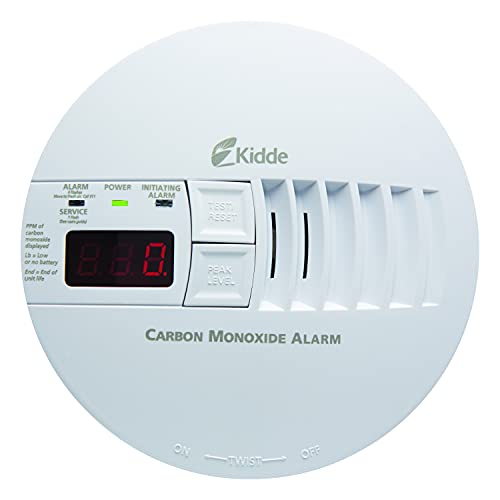
Pros
- Hardwired installation with battery backup ensures continuous monitoring without reliance on changing batteries
- Digital display allows you to see CO levels at a glance, giving you peace of mind and early warning capability
- Peak Level Memory feature helps you understand if CO exposure has occurred when you weren't home
- UL-listed design meets safety standards and regulations for residential use
- Includes 9V battery, so installation is ready to go right out of the box
Cons
- No user reviews available yet, so real-world performance feedback from homeowners is limited
- Hardwired installation requires basic electrical work or professional installation, which adds setup time and potential cost
The Kidde hardwired carbon monoxide detector delivers essential home safety with a practical two-power design. By combining 120V hardwired operation with a 9V battery backup, this unit ensures your home stays protected even when the power goes out, addressing a critical gap in home safety that battery-only detectors cannot fill. The digital LED display is a significant advantage, allowing you to see CO concentration levels at a glance rather than relying solely on alarm activation.
Key features work together to give you confidence in your home's air quality. The electrochemical sensor technology provides accurate detection of carbon monoxide gas, while the 85-decibel alarm ensures you'll hear the alert. The Peak Level Memory function records the highest CO level detected, which helps you understand whether exposure has occurred when you were away or asleep. The Test-Hush Button makes it simple to evaluate the detector's operation or quiet false alarms without climbing a ladder repeatedly.
Installation requires hardwiring to your home's electrical system, which is a trade-off for the reliability of permanent power. The 10-year limited manufacturer warranty covers the alarm unit itself, giving you long-term assurance. For homeowners with gas furnaces, water heaters, fireplaces, or attached garages, this detector represents a foundational layer of protection against a silent, odorless threat that can cause serious harm.
| Specification | Detail |
|---|---|
| Power Source | 120V Hardwired with 9V Battery Backup |
| Display | Digital LED Display |
| Alarm Level | 85 Decibels |
| Sensor Type | Electrochemical |
| Diameter | 5.75 inches |
| Depth | 1.8 inches |
| Weight | 0.93 Pounds |
| Color | Multi |
| Warranty | 10-Year Limited (Alarm Unit Only) |
| Certifications | UL Listed |
| Special Features | Peak Level Memory, Test-Hush Button |
Placement Matters: Install your CO detector on every level of your home, especially near sleeping areas and close to fuel-burning appliances like furnaces, water heaters, and fireplaces. Avoid placing it in kitchens where cooking fumes might trigger false alarms.
Know the Warning Signs: Even with a detector in place, learn the symptoms of carbon monoxide poisoning: headache, dizziness, weakness, nausea, chest pain, and confusion. If you suspect CO exposure, evacuate immediately and call emergency services.
Regular Evaluation: Use the Test-Hush Button monthly to confirm the detector is working properly. Replace the 9V backup battery annually, even if the detector doesn't prompt you, to ensure backup power is always ready.
When to Replace: CO detectors have a limited lifespan. If your detector is 10 years old or older, replace it with a new unit. If the manufacturer's date is unknown, assume replacement is needed.
Before You Start: Turn off the breaker controlling the circuit where you'll install the detector. Use a voltage tester to confirm the power is off. Have a 9V battery on hand (included with this unit).
Mounting: Choose a location on a wall or ceiling near the center of your home and close to bedrooms. The detector should be mounted 4-12 inches from the ceiling if wall-mounted. Use the included mounting bracket and hardware to secure it firmly.
Wiring: Connect the detector to your home's electrical circuit according to the wiring diagram provided. If you're not comfortable with electrical work, hire a licensed electrician. This ensures proper installation and maintains safety.
Testing and Battery: Install the 9V battery backup, restore power at the breaker, and press the Test-Hush Button to confirm the unit powers on and the alarm sounds. Document the installation date for warranty and replacement tracking purposes.
Pros
- No hardwiring required, making it ideal for renters and temporary installations
- Operates independently of your home's electrical system for uninterrupted monitoring
- Loud alarm ensures you'll hear the alert even from another room
- Five-year limited warranty provides peace of mind and manufacturer support
- Affordable entry point for whole-home CO protection when used on multiple levels
Cons
- Requires regular battery replacement and testing to maintain effectiveness
- No digital display or readout to show actual CO levels, only alarming at dangerous thresholds
The First Alert CO400 delivers straightforward, dependable carbon monoxide detection for homeowners who need flexibility and reliability. Its battery-powered design eliminates installation complexity and works equally well whether you're protecting a bedroom, basement, or garage. The electrochemical sensor technology responds consistently to dangerous CO levels, and the 85-decibel alarm is loud enough to wake you or alert anyone in your home when hazardous concentrations are detected.
What makes this detector practical for most households is its independence from your home's electrical system. Power outages won't compromise your protection, and you can place units wherever they're needed most without worrying about proximity to outlets or wiring. The compact size fits naturally on nightstands, shelves, or walls without being obtrusive. First Alert's commitment to UL standards means this detector has been rigorously evaluated to perform reliably when it matters most.
To get the most from this detector, place one on each level of your home and in sleeping areas, as recommended by safety experts. Test it monthly using the test button, and replace batteries annually or whenever the low-battery chirp sounds. The end-of-life signal after five years reminds you when replacement is due, ensuring your protection stays current. While it lacks a digital display showing actual CO readings, this straightforward approach focuses on what matters: alerting you when danger is present.
| Specification | Details |
|---|---|
| Brand | First Alert |
| Model | CO400 |
| Type | Battery-Operated Carbon Monoxide Detector |
| Color | White |
| Dimensions | 5 x 1 x 3 inches |
| Weight | 0.7 pounds |
| Sensor Type | Advanced Electrochemical |
| Alarm Volume | 85 decibels |
| Power Source | Batteries (replaceable) |
| Warranty | 5-year limited warranty |
| Safety Standards | UL tested and certified |
| Special Features | End-of-life signal chirp, test button |
Proper Placement Matters: Install one CO400 detector on each level of your home and in every sleeping area. Place units 5-6 feet from potential CO sources like furnaces, water heaters, or fireplaces, but ensure they're in locations where you'll hear the alarm. Avoid placing them in kitchens where cooking fumes can trigger false alarms, or in extremely humid bathrooms.
Regular Maintenance: Test your detector monthly by pressing and holding the test button until the alarm sounds (5-6 seconds). This confirms the alarm mechanism works. Replace batteries at least once yearly, or immediately when you hear the low-battery chirp. Replace the entire unit after five years when the end-of-life signal activates.
Know the Alarm Pattern: The CO400 produces a loud, distinctive alarm pattern when dangerous CO levels are detected. If you hear this alarm, immediately move everyone outside to fresh air and call 911 or your local fire department. Do not re-enter the building until authorities confirm it's safe. Never ignore the alarm or assume it's a false trigger without professional verification.
Is This Detector Right for You? The CO400 works best if you need a portable, no-installation solution or want to supplement hardwired detectors in specific rooms. It's perfect for renters, apartments, vacation homes, or any space where permanent installation isn't possible. If you own your home and want comprehensive protection, consider placing these throughout your living spaces or combining them with hardwired units.
Coverage Strategy: One detector provides protection for its immediate area, but carbon monoxide can spread throughout your home. Most safety experts recommend one detector per level plus one in each bedroom. A single CO400 is a good starting point, but plan to add more for complete household protection. Battery-powered units are excellent for bedrooms since they don't depend on your home's electrical system.
Budget Considerations: The CO400 is an affordable safety investment, especially when you factor in no installation costs. However, remember that battery replacements and eventual unit replacement after five years are ongoing expenses. Compare this cost against hardwired detectors, which last longer but require professional installation. For most homeowners, the flexibility and ease of battery-powered units justify the slightly higher long-term cost.

Pros
- Low-level CO detection (30-70ppm) provides earlier warning than standard detectors, crucial for protecting vulnerable household members
- Battery-powered operation means no installation hassles and full functionality during power outages
- Truly portable design allows you to bring it to hotels, rentals, and other travel destinations for peace of mind
- Meets strict UL 2034 5th Edition safety standards and is ETL Listed for reliability
- Affordable entry point for renters or homeowners adding CO detection to their homes
Cons
- No customer reviews available yet, so real-world user feedback on long-term reliability and false alarm rates is limited
- Battery-powered operation requires periodic AA battery replacement and monitoring, unlike hardwired detectors with backup batteries
The Kidde COBDL addresses a critical safety gap for many American households: early detection of carbon monoxide at levels that can harm vulnerable people before dangerous concentrations develop. Its dual-alarm system distinguishes between low-level CO (30-70ppm) and hazardous levels (70ppm+), giving households time to evacuate safely and get medical attention for those at higher risk, including young children, elderly family members, pregnant women, and pets.
The battery-powered design is a genuine advantage for renters, homeowners in older properties without hardwired detectors, and anyone who travels frequently. Two included AA batteries power the unit indefinitely and maintain operation during electrical outages. The compact dimensions (1.52 x 5.14 x 2.83 inches) and 0.37-pound weight make it easy to mount on a wall with included hardware or set on a shelf, and portable enough to pack for hotel stays or vacation rental stays where CO detection may be absent.
Kidde's reputation for safety products is backed here by rigorous evaluation to UL 2034 5th Edition standards and ETL listing. The 85 dB alarm cuts through background noise, and the Test/Hush button lets you verify operation or temporarily silence nuisance alarms. The 10-year limited warranty provides confidence in long-term reliability, though as a newer model, independent user feedback remains limited.
| Specification | Details |
|---|---|
| Model | COBDL (5th Edition) |
| Color | White |
| Dimensions | 1.52 x 5.14 x 2.83 inches |
| Weight | 0.37 pounds |
| Power Source | Two AA batteries (included) |
| Alarm Level | 85 dB |
| Low-Level Detection | 30-70 ppm with distinct alert pattern |
| Hazard-Level Detection | 70+ ppm with separate alarm pattern |
| Safety Standards | UL 2034 5th Edition, ETL Listed |
| Warranty | 10-year limited warranty |
| Mounting | Wall mount or tabletop (hardware included) |
Installation: Insert two AA batteries into the battery compartment. Mount on a wall near potential CO sources (furnaces, water heaters, fireplaces) using included hardware, or place on a stable, accessible surface. Avoid areas with poor air circulation or direct sunlight.
Testing: Press the Test/Hush button to verify the alarm sounds and LED indicator lights up. Test monthly to ensure proper operation. If CO is detected, the alarm will sound with a distinct pattern and the LED will flash.
Responding to Alarms: If the low-level alarm activates (30-70ppm), move to fresh air and call 911 if symptoms develop. If the hazard-level alarm sounds (70ppm+), evacuate immediately and call emergency services from outside. The Hush button temporarily silences alarms but does not stop the detector from monitoring CO levels.
Battery Maintenance: Replace batteries annually or if the low-battery indicator appears. Keep the detector clean and dust-free for optimal sensor performance.
Placement Matters: Install one detector per level of your home, particularly near bedrooms and living areas. Place units 5-20 feet from potential CO sources like furnaces and water heaters. Avoid kitchens (cooking can trigger false alarms) and areas with poor ventilation.
Know the Symptoms: Carbon monoxide poisoning causes headache, dizziness, weakness, chest pain, and confusion. If multiple people feel unwell simultaneously, suspect CO and evacuate immediately, then call 911 from outside.
Regular Maintenance: Check batteries every month and replace annually. Test the alarm monthly using the Test button. Replace the entire unit every 5-7 years or per manufacturer guidelines, as sensor sensitivity degrades over time.
Understand Your Detector: This model distinguishes between low-level and hazardous CO concentrations. A low-level alert does not require immediate evacuation but signals a potential problem that needs investigation. A hazard-level alarm requires immediate evacuation.
Who Should Buy This: Renters without hardwired detectors, homeowners adding portable CO detection, frequent travelers, and anyone wanting early-warning protection for vulnerable household members (children, elderly, pregnant women, pets). It's also ideal for vacation rental properties or secondary homes.
Key Considerations: Battery-powered detectors require periodic battery replacement and manual testing. If you prefer set-and-forget hardwired systems with backup batteries, a permanently installed detector may be better. However, for portability and ease of installation, the COBDL excels.
Complementary Safety Measures: Use alongside smoke detectors and a home safety plan. Ensure furnaces, water heaters, and fireplaces receive annual professional inspection. Never ignore low-level CO alerts, as they indicate a developing problem that could worsen.
Value Assessment: The Kidde COBDL offers strong value for budget-conscious homeowners and renters. The early-warning capability at 30-70ppm justifies the investment, as it provides protection during the critical window before CO reaches dangerous levels.

Pros
- No batteries to replace means consistent, maintenance-free operation
- Electrochemical sensor is the most accurate CO detection technology available
- Loud alarm cuts through noise and sleep to alert your family quickly
- End-of-life indicator removes guesswork about when to replace the unit
- Affordable entry point for whole-home CO protection
Cons
- Plug-in design limits placement to rooms with accessible outlets near potential CO sources
- No battery backup means protection stops if power is lost
The First Alert CO600 delivers straightforward carbon monoxide detection for homeowners who want reliable protection without complexity. Its electrochemical sensor technology is the gold standard for accuracy, responding consistently to dangerous CO levels regardless of where the detector sits in your room. The 85-decibel alarm is loud enough to wake sleeping family members and alert you during waking hours, which is critical when every second counts in a carbon monoxide emergency.
Installation is refreshingly simple: plug it into any standard outlet and you're protected. There's no battery installation, no wiring, and no professional setup required. The compact footprint won't dominate your outlet space, and the test and silence buttons give you quick access to verify the alarm works and temporarily quiet false alarms while you investigate. For homeowners building a multi-level protection strategy, this detector costs significantly less than hardwired alternatives.
The 7-year lifespan with end-of-life chirping takes the guesswork out of detector replacement. Rather than wondering if your CO alarm is still effective, the unit itself tells you when it's time for a fresh one. For renters, budget-conscious homeowners, or anyone adding CO detection to rooms without hardwired options, the CO600 offers practical, effective safety at an accessible price point.
| Specification | Details |
|---|---|
| Brand | First Alert |
| Model | CO600 |
| Type | Plug-In AC Powered |
| Power | 120 Volt AC (No Batteries Required) |
| Sensor Technology | Electrochemical |
| Alarm Volume | 85 Decibels |
| Lifespan | 7 Years |
| End-of-Life Alert | Yes (Chirp Signal) |
| Color | White |
| Dimensions | 8.5 x 6.75 x 2.8 Inches |
| Weight | 0.3 Pounds |
| Warranty | 7-Year Limited |
| Controls | Test & Silence Button |
Placement Matters: Install one detector on each level of your home and in each bedroom to ensure comprehensive coverage. Place detectors near potential CO sources like furnaces, water heaters, and fireplaces, but not so close that steam or humidity interferes with the sensor.
Outlet Selection: Choose outlets that won't be blocked by furniture or other devices. Avoid surge protectors or extension cords, which can interfere with proper function. Keep the detector away from kitchens and bathrooms where steam and cooking fumes can trigger false alarms.
Regular Maintenance: Press the test button monthly to verify the alarm works. If the alarm sounds during normal operation, evacuate immediately and call emergency services. Never ignore a CO alarm or assume it's a false alarm without professional investigation.
Replacement Schedule: When the end-of-life chirp begins, replace the unit promptly. Don't continue relying on an expired detector, as accuracy diminishes after 7 years.
Who Should Buy This: The CO600 is ideal for homeowners adding CO detection to rooms without hardwired options, renters seeking portable protection, or budget-conscious buyers protecting multiple levels. It's also excellent for supplementing existing hardwired detectors in areas like bedrooms or finished basements.
How Many Do You Need? Safety experts recommend one detector per level of your home, plus one in each bedroom. A typical two-story house with three bedrooms would benefit from 4-5 detectors strategically placed.
Plug-In vs. Hardwired: Plug-in detectors offer flexibility and easy installation but require accessible outlets. Hardwired detectors provide backup power and permanent placement but cost more and require professional installation. Many homeowners use both for comprehensive protection.
Cost Comparison: The CO600 is among the most affordable CO detectors available, making it practical for whole-home protection without breaking your budget.
Layer Your Protection: Combine this plug-in detector with hardwired units in high-risk areas like furnace rooms. Different placement strategies catch CO from various sources throughout your home.
Know the Signs: Familiarize yourself with CO poisoning symptoms (headache, dizziness, nausea, confusion) so you can recognize a problem even if the alarm hasn't sounded yet. Trust your body and the detector equally.
Plan Ahead: Note the installation date and set a phone reminder for year 6 to budget for replacement. Don't wait until the chirp starts to shop for a new unit.
Test Seasonally: Press the test button when you change clocks for daylight saving time. This creates a reliable reminder and confirms the alarm still functions properly.
Buying Guide: How to Choose a Carbon Monoxide Detector
Not all carbon monoxide detectors are created equal. Before you commit to a model, it helps to understand the key differences in power sources, sensor technology, alarm standards, and placement requirements. Use the sections below to match a detector to your specific home setup and lifestyle.
Power Source: Plug-In, Battery, or Hardwired?
The power source you choose affects both convenience and reliability. Each type has real trade-offs worth understanding before you buy.
- Plug-in detectors draw power directly from a wall outlet and often include a battery backup so they keep working during a power outage. Models like the First Alert CO606 and the Kidde 5th Edition COP offer this combination, making them a low-maintenance choice for most rooms.
- Battery-powered detectors are the most flexible because they go anywhere without needing an outlet nearby. They are ideal for bedrooms, hallways, and travel. The Kidde 5th Edition COB and COBD fall into this category and are straightforward to install. The trade-off is that batteries need periodic replacement.
- Hardwired detectors connect directly to your home’s electrical system. The Kidde hardwired model with 9-volt battery backup is a strong choice for permanent installation during a renovation or new construction. Just keep in mind that installation may require an electrician if you are not comfortable working with home wiring.
Alarm Loudness and Display Features
Every detector in this guide produces an 85 dB alarm, which is loud enough to wake most people from a deep sleep. That is the standard you should insist on. Beyond raw volume, look for models with a digital display that shows real-time CO concentration levels in parts per million (ppm). Units like the Kidde COBDL and COBD include a backlit digital display, which is particularly useful for quickly reading CO levels without having to wait for an alarm to trigger. LED status indicators that show whether the unit is functioning normally are also worth having, since they give you a daily visual confirmation that protection is active.
Single-Gas vs. Multi-Gas Detection
Standard carbon monoxide detectors only sense CO. If your home uses natural gas appliances, a gas fireplace, or has propane tanks, consider a combination unit that also detects explosive gases. The Kidde CO plus explosive gas alarm (ASIN B0DT1MS1D1) detects CO alongside natural gas and propane, giving you broader protection from a single device. For most apartments and homes with electric appliances, a dedicated CO detector is sufficient.
Certification and Safety Standards
Always confirm that any detector you buy carries a certification from a recognized third-party testing organization such as UL Solutions or Intertek (ETL). Third-party vendors on major retail platforms continue to list uncertified CO detectors that may not respond accurately or at all during an emergency. Every product on this list meets recognized safety certifications. This is a non-negotiable criterion in our evaluation process.
Portable Detectors for Travel and Rental Properties
If you stay in hotels, vacation rentals, or short-term accommodations, a portable battery-powered detector is a smart investment. The Kidde COBDL model is specifically designed with portability in mind, running on AA batteries and featuring a backlit display that is easy to read in low light. It is compact enough to pack in a carry-on bag. Landlords managing rental properties should also consider battery-powered options for easy installation across multiple units without any electrical work.
Where to Place Carbon Monoxide Detectors in Your Home
Placement matters as much as the detector itself. The National Fire Protection Association recommends installing a CO detector on every level of your home, including the basement, and within 10 feet of each sleeping area. CO is roughly the same weight as air, so it distributes fairly evenly at room height. Unlike smoke, it does not stratify near the ceiling, which means mounting at chest height or plugging into a standard outlet at waist height works well. Avoid placing detectors directly next to fuel-burning appliances or in garages, where brief exposure during normal use could trigger nuisance alarms. Pairing your CO detector with smart home displays or integrating with a broader smart switch ecosystem can let you monitor alerts remotely if your detector supports connectivity.
Detector Lifespan and Replacement Schedule
CO detectors do not last forever. Most models have a manufacturer-rated lifespan of five to seven years, after which the electrochemical sensor degrades and may no longer respond accurately to CO concentrations. Check the manufacture date printed on the back of your current detector. If it is approaching or past the recommended replacement window, do not wait for an alarm failure to replace it. Many newer Kidde 5th Edition models include an end-of-life alert that chirps when the sensor has reached its service limit, taking the guesswork out of replacement timing.
Budget Considerations
The products in this guide span a range from budget-friendly to mid-range to premium, covering options for nearly every household situation. Entry-level battery-powered detectors from First Alert provide reliable basic protection at an accessible price point. Mid-range plug-in Kidde models add battery backup and digital displays for added peace of mind. The hardwired Kidde unit represents the premium end, built for permanent installation in homes where running a wire to a dedicated circuit is feasible. In all cases, spending a bit more for a certified, feature-rich detector is worthwhile given what is at stake. Just as you would invest in quality smart light bulbs or reliable smart speakers to improve daily life, a dependable CO detector is one of the smartest investments you can make for home safety.
Why Trust HomeThru?
HomeThru is an independent editorial platform. We have no affiliation with any retailer, manufacturer, or distributor, and we do not sell products, process orders, or handle returns. Our recommendations are based on structured independent research: we compare product specifications, analyze verified owner feedback, study safety certification records, and weigh the features that matter most to real homeowners. For this guide, our team evaluated every model against a consistent set of criteria including sensor certification, alarm output, power source reliability, display clarity, and long-term sensor lifespan before arriving at a final shortlist. We update our guides regularly to reflect current availability and new product releases.
Our commitment to independent, conflict-free editorial coverage extends across every product category we cover, from cordless drills and oscillating multi-tools for home improvement projects to kitchen appliances and smart home devices. If a product does not meet our standards, it does not make the list.
Final Thoughts
Carbon monoxide detectors are not an area where cutting corners pays off. Every product in this guide has been selected because it delivers certified, reliable protection with the features homeowners actually need. Here is a quick summary of our top picks by use case:
- Best Overall: Kidde Carbon Monoxide Detector, Plug-In with Digital Display, 3rd Edition, a dependable plug-in unit with 9V battery backup and a clear digital display that covers most households without any complicated setup.
- Best for Multi-Gas Protection: Kidde Carbon Monoxide + Explosive Gas Alarm, Plug-In, 3rd Edition, earns the highest rating in this guide and is the right choice for homes with natural gas appliances or propane, detecting CO alongside explosive gases from a single device.
- Best Budget Pick: First Alert CO400 Battery Operated CO Detector, a straightforward, no-frills battery-powered alarm with a strong rating that delivers reliable protection at an accessible price point.
- Best Portable Option: Kidde Carbon Monoxide Detector, AA Battery Powered with Digital Backlit Display, 5th Edition, compact enough for travel and clear enough to read in dim rooms, making it a great companion for frequent travelers and short-term rental properties.
- Best for Permanent Installation: Kidde Hardwired Carbon Monoxide Detector with 9-Volt Battery Backup and Digital Display, designed for hardwired homes and renovations where a permanent, always-on solution is preferred over plug-in or battery options.
No matter which model you choose from this list, installing it correctly and replacing it on schedule will give your household meaningful protection against one of the most silent hazards in residential living. For other home safety and improvement resources, browse our guides on smart thermostats and smart switches to build a more responsive, connected home.
Frequently Asked Questions
How many carbon monoxide detectors do I need for my home?
Install at least one detector on every level of your home, including the basement. Place additional units within 10 feet of each sleeping area so the alarm can wake occupants during the night. A two-story home with three bedrooms typically needs a minimum of four detectors for thorough coverage. More units are always better when it comes to CO safety.
What is the difference between a plug-in and a battery-powered carbon monoxide detector?
Plug-in detectors draw power from a wall outlet and often include a battery backup for outages, making them low-maintenance for permanent locations. Battery-powered models are more flexible and go anywhere without needing an outlet, but require periodic battery replacement. Both types can be equally reliable when they carry proper safety certifications from organizations like UL Solutions or ETL.
Can I place a carbon monoxide detector on the ceiling?
Unlike smoke, carbon monoxide distributes evenly throughout a room at roughly the same weight as air, so ceiling placement is not necessary. Mounting at chest height or plugging into a standard outlet at waist height works well. Follow the manufacturer’s placement instructions, and keep the unit away from direct airflow from vents, which can dilute CO readings and slow alarm response.
Do combination CO and smoke detectors work as well as separate units?
High-quality combination detectors from certified brands work just as well as separate units for most households. They reduce the number of devices on your walls and simplify installation. However, if one sensor in a combination unit reaches end-of-life, you may need to replace the entire device sooner than you would if smoke and CO sensors were separate. Consider your budget and how often you want to manage replacements.
What should I do if my carbon monoxide detector goes off?
Immediately move everyone, including pets, outside into fresh air. Do not stop to investigate the source. Call emergency services from outside the home and do not re-enter until first responders have cleared the building and identified the source. After the incident, have a qualified technician inspect all fuel-burning appliances before using them again. Never silence the alarm and stay inside to investigate.