
A Simple Solution to Hard Water and Cloudy Glassware
If your glasses come out of the dishwasher looking dull, streaky, or cloudy even after a full wash cycle, you’re likely dealing with hard water mineral buildup. Homeowners in areas with moderately hard to very hard water know this problem well: mineral deposits accumulate on glassware and dishes, making them appear dirty no matter how clean they actually are. The good news is that a solution has been trusted by households for decades, and it costs just pennies per load.
Vinegar is far more versatile than most people realize. Beyond its use as a cooking ingredient or general household cleaner, it serves as an effective rinse aid, deodorizer, and mineral deposit remover when used inside your dishwasher. Unlike expensive specialty products or commercial rinse agents, plain vinegar works with your existing dishwasher detergent to improve cleaning results and eliminate the unpleasant sulfur odor that dishwashers can develop over time.
How the Vinegar Trick Works
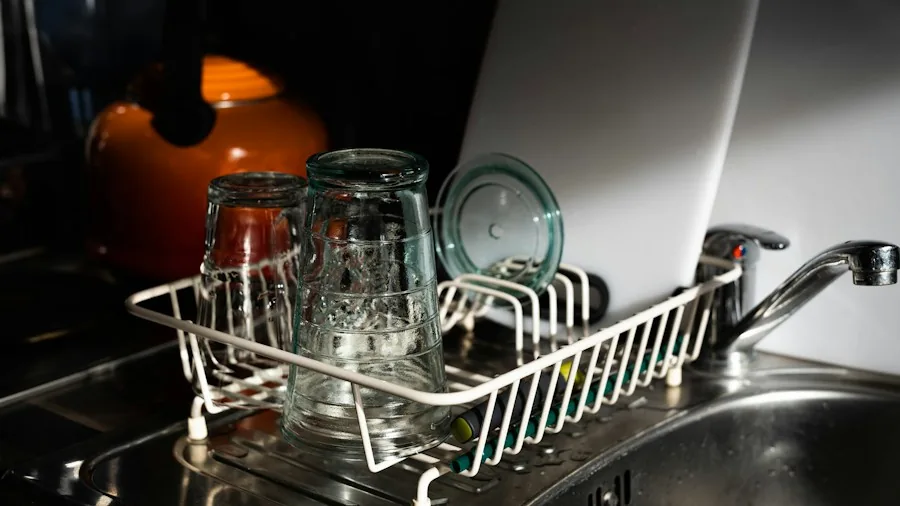
The process is straightforward. Begin by cleaning your dishwasher’s filter and drain screen by hand with warm water and dish soap. This ensures no debris blocks the vinegar’s effectiveness. Next, place a cup or small bowl filled halfway with white vinegar on the top rack of your dishwasher in a stable, center position. Add your regular dishwasher detergent pod as you normally would, then run the machine on a standard wash cycle. The vinegar distributes during the wash, helping to break down mineral deposits and soften water hardness.
Timing matters too. Allow dishes to dry completely for about an hour after the cycle finishes before inspecting results. This gives you a clear view of whether mineral buildup has been eliminated. When the hack works, the difference is visible: glassware that was previously cloudy emerges sparkling clean with no streaks or residue.
Real Results and What to Expect
Testing this method with various types of glassware, including cocktail glasses, coupe glasses, and delicate vases, consistently produced impressive outcomes. The sparkle and clarity improvements are often dramatic compared to previous washes using detergent alone. Beyond visual improvements, users report that the dishwasher itself smells fresher, suggesting that vinegar eliminates odor-causing bacteria and mineral scale buildup inside the machine.
This method proves especially valuable if you own specialty glassware that you want to keep looking pristine. Rather than hand-washing expensive stemware or decorative pieces, you can safely run them through the dishwasher with vinegar as a rinse aid booster. Just remember that certain items should never go in the dishwasher, so select your load contents carefully.
Choosing the Right Vinegar and Container
Use cleaning vinegar rather than standard white vinegar when possible, as it contains a higher acid concentration designed for tough cleaning jobs. The container matters as well: a sturdy acrylic cup that won’t slide or tip works better than a ceramic bowl that might shift during the wash cycle. Position your vinegar-filled container in the center of the top rack where it won’t interfere with the spray arms or fall during rotation.
One cup per load is the standard recommendation. Using more won’t improve results and may affect your detergent’s performance. This means a gallon of vinegar can supply dozens of dishwasher loads, making it an economical choice compared to commercial rinse aids that cost significantly more.
Complementary Practices for Maximum Results

While the vinegar hack is powerful on its own, combining it with good dishwasher habits increases effectiveness. Before loading, scrape excess food from dishes to prevent clogs. Load items strategically so water and vinegar can reach all surfaces. If you’re concerned about leaving dishes in the machine between uses, experts advise against storing dishes in your dishwasher overnight as it can promote bacterial growth and odors.
For stubborn mineral buildup or particularly hard water conditions, you might run a vinegar load monthly as a maintenance cycle. Follow it with regular detergent loads for daily dishes. This two-pronged approach keeps your dishwasher running efficiently while maintaining the sparkle on your glassware.
Why This Hack Matters for Shoppers
The vinegar method represents a significant cost savings opportunity. Purchasing specialized rinse aids or dishwasher cleaners adds up over time, while vinegar costs mere cents per use. For households that run their dishwasher daily or several times weekly, switching to vinegar can save $100 or more annually.
Beyond economics, this hack delivers visible quality improvements. Your dishes look better, your dishwasher runs more efficiently, and you avoid the chemical smell of some commercial products. It’s a simple change that produces measurable results without requiring new purchases or different equipment.