

The Viral Aluminum Foil Laundry Hack Explained
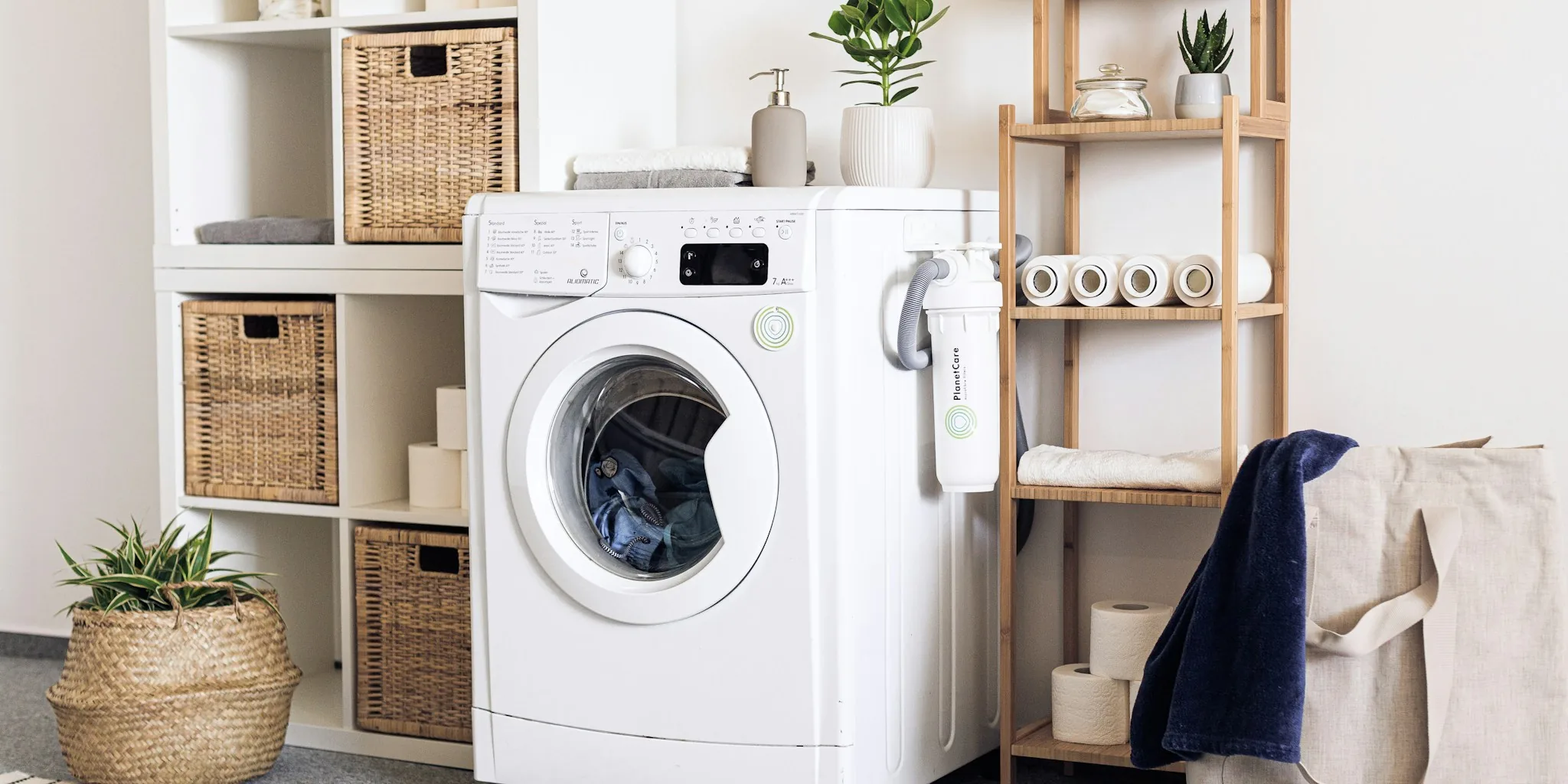
A popular household hack has been making rounds on social media: tossing a crumpled ball of aluminum foil into your washing machine to reduce static cling on your clothes. The trend claims that wrapping aluminum foil into a ball roughly 2 to 3 inches in diameter and using it in both the washer and dryer can replace chemical-based products like dryer sheets. Proponents say the same foil ball can be reused for multiple loads, making it an economical and environmentally friendly solution. But before you raid your kitchen for foil, it’s worth understanding what appliance experts actually think about this trending trick.
How the Aluminum Foil Method Is Supposed to Work
According to supporters of this hack, aluminum works by conducting electricity that builds up during the drying cycle. When clothes tumble in a hot dryer, friction between fabrics generates static electricity that causes garments to stick together. Aluminum foil allegedly acts as a conductor, absorbing that electrical charge and preventing clinging. Unlike conventional dryer sheets, which coat fabrics with a thin chemical layer, aluminum foil purportedly neutralizes static without leaving any residue on your clothing.
The concept emerged as an eco-friendly answer to single-use products, appealing to consumers looking to reduce plastic waste and chemical additives in their laundry routine. It sounds logical, but does the science hold up when tested in real-world conditions?
What Appliance Experts Say About Safety and Effectiveness
Michelle Feng, marketing manager at Hisense, addressed the safety concerns directly. While she confirmed that placing a tightly compressed aluminum foil ball in a washing machine during a cycle poses minimal risk, she cautioned against making it a regular practice. Her concerns centered on the lack of demonstrated benefits and potential downsides of the method.
Feng noted that static buildup is far less problematic during a wash cycle because clothes remain immersed in water for most of the process, allowing electrical charges to naturally dissipate. Static cling becomes a genuine issue during drying, when fabrics are dry and friction is high. However, even for the dryer phase, Feng emphasized there is little scientific evidence that aluminum foil balls actually reduce static effectively.
When asked whether appliance manufacturers recommend this hack, Feng was clear: they do not. She outlined specific mechanical risks that could damage your machine. Foil can break apart during the wash or dry cycle, sending loose fragments into your washer’s filter or drainage system. Sharp edges created by torn foil can also snag delicate fabrics, potentially creating holes or tears in your clothing.
Potential Risks to Your Washing Machine
Beyond the lack of proven effectiveness, there are tangible reasons to avoid this hack. Modern washing machines are engineered with precision drainage and filter systems that can be compromised by foreign objects. If aluminum foil breaks down during a cycle, the pieces may lodge in pump systems or clog drainage pathways, leading to costly repairs.
If you’re already concerned about maintaining your machine properly, you might be making other common washing machine mistakes that reduce performance. It’s best to stick with manufacturer-approved methods for your specific model.
Better Alternatives for Static Control

Rather than experimenting with unproven hacks, consider reliable solutions that won’t jeopardize your appliance. Traditional dryer sheets remain effective for static reduction and are specifically designed for safe use in dryers. Wool dryer balls offer a reusable alternative that won’t leave chemical residue and have demonstrated static-reducing properties.
For those with hard water conditions that amplify static problems, investing in quality water softening solutions can improve overall wash and dry results. Some people also find that proper moisture management in the dryer, such as cleaning the lint trap thoroughly between cycles, naturally reduces static electricity.
The Bottom Line for Shoppers
While the aluminum foil trick might seem harmless and appealing from an environmental perspective, appliance experts recommend against it. The theoretical benefits lack scientific backing, and the potential risks to your washing machine’s internal components are real. Static cling during drying is best addressed through proven products designed for that specific purpose.
Spending a few dollars on dryer sheets or wool balls is far cheaper than emergency appliance repairs. When shopping for laundry solutions, prioritize methods that manufacturers endorse and that have demonstrated track records of safety and effectiveness.





Write Your Review
No reviews yet. Be the first to share your experience!