
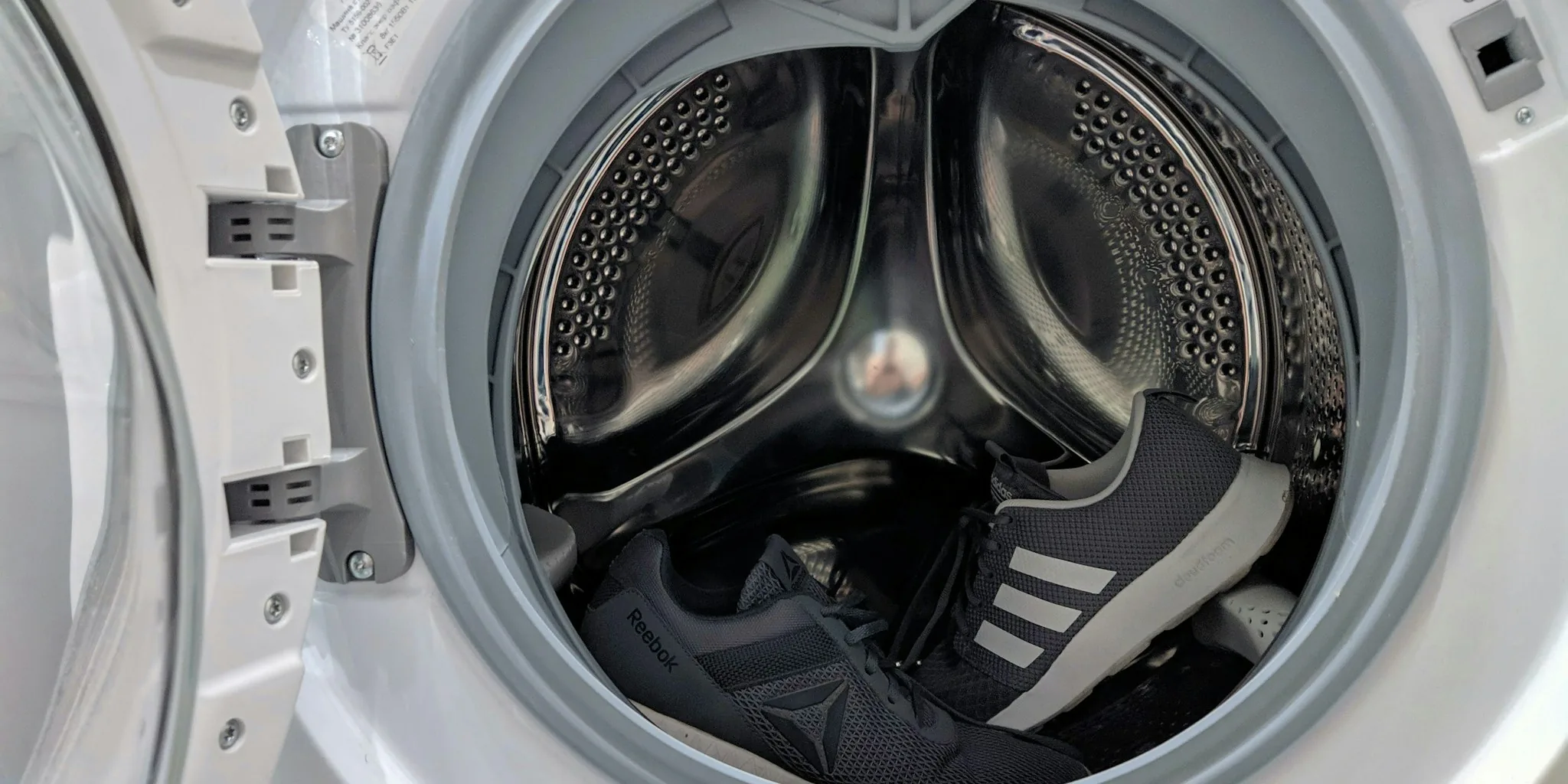

If you run the same wash cycle every time you do laundry, you might be creating the perfect environment for bacteria and mold to grow inside your machine. According to cleaning experts, this common habit is damaging your appliance and leaving your clothes smelling worse than they should.
The Problem with Using One Wash Cycle for Everything
Many people default to the same temperature and cycle length for every load to save time. However, laundry professionals warn that this approach allows residue to accumulate inside your washing machine over time.
When you repeatedly use a low-temperature wash around 40°C, the heat never gets high enough or lasts long enough to kill bacteria and mold spores that build up naturally. Additionally, this temperature leaves behind small amounts of detergent residue, fabric fibers, and moisture. These materials settle near the rubber gasket and in the detergent tray, creating a warm, damp environment that encourages bacterial and mold growth. The result is a musty odor that develops gradually, and in some cases, a rotten egg smell coming from the drain water.
According to appliance experts, occasional hot water cycles help burn away this accumulation. But when every single wash stays at the same low temperature, the buildup remains trapped inside the drum indefinitely.
The Energy Myth About Quick Wash Cycles
Many homeowners believe that running quick wash cycles saves electricity, but the opposite is often true. Short mixed-load programs are surprisingly inefficient compared to longer eco or cotton programs.
The heating element in a washing machine accounts for most of its energy consumption. During a quick cycle, the heating element works overtime to raise the water temperature rapidly to 40°C in just a few minutes. This draws significant power in a short burst. Longer cycles, by contrast, use lower wattage per minute because they heat the water more gradually, which uses less electricity overall while also providing a better clean.
Extended cycles also give detergent enzymes time to break down body oils, stains, and dirt effectively. Quick washes may do a basic job, but they often don’t allow detergent to work fully. Additionally, shorter settings don’t provide enough time for thorough rinsing, leaving residue on both your clothes and inside the machine, which contributes to odor problems.
Smart washing machines include sensors that monitor each load and automatically adjust water usage and rinse cycles. Quick wash settings bypass these helpful features to run faster, meaning you lose the efficiency and fabric care benefits they provide.
Fabric Type Matters More Than You Think
Mixing different fabric types in one load is another mistake worth addressing. Towels collect sweat and dead skin cells and require a more intense, higher-temperature cycle than delicate items like cotton t-shirts. Washing towels together with lighter fabrics means either the towels don’t get properly cleaned or the delicate items risk damage from excessive heat.
How to Fix Machine Odor and Prevent Future Problems
The fix starts with a monthly maintenance routine. Run an empty cycle at 60°C to 90°C with either a designated washing machine cleaner or white vinegar. Pour one cup of white vinegar directly into the washer tub, or use a commercial machine cleaner, and let the hot cycle do the work. This removes built-up detergent, mold, and hard water deposits that accumulate over time.
Performing this maintenance monthly helps your appliance run efficiently for many more years. Many modern washing machines now include alerts on their digital display panels that remind you when it is time to run a cleaning cycle. Some smart models send notifications to your phone app, making it easier to stay on schedule.
Better Habits for Cleaner Clothes and Lower Bills
Going forward, vary your wash cycles based on the load type. Use higher-temperature cycles periodically, separate towels from delicate items, and allow longer cycles to run their full course when appropriate. Skip the quick wash routine unless you truly need it, and understand that the slightly longer run time actually saves energy while delivering superior cleaning results.
Your washing machine will smell fresher, your clothes will come out cleaner, and you will likely extend the lifespan of your appliance by years simply by changing these daily habits.





Write Your Review
No reviews yet. Be the first to share your experience!