

A crowd-pleasing apple slab pie has become a go-to dessert option for home cooks planning gatherings and holiday meals. Unlike traditional round pies, this large-format version bakes on a standard half sheet pan and serves 12 to 16 people, making it practical for anyone who entertains regularly. Understanding what makes this dessert trend work can help shoppers stock their kitchens with the right equipment and ingredients.
Why Slab Pie Appeals to Home Entertainers
The slab pie format solves several real problems for people who cook for groups. It requires no special pie pan, fitting instead on a 13-by-18-inch baking sheet that most households already own. The design eliminates the pressure to create a picture-perfect lattice crust or intricate decorative edge, since rustic appeal is part of the slab pie aesthetic. This approachable method delivers impressive results without demanding advanced pastry skills or extensive kitchen experience.
Another advantage is the crust-to-filling ratio. A traditional pie often disappoints butter and crust enthusiasts because the filling dominates. Slab pies achieve approximately a 1:1 ratio of crust to apple filling, satisfying those who believe the pastry is the best part of any pie. This balance keeps the dessert from feeling heavy or overly sweet despite serving a large crowd.
Essential Kitchen Equipment and Ingredients
Creating a successful slab pie at home requires a few key pieces of equipment and pantry items. A food processor handles the pie dough more efficiently than hand mixing, ensuring proper texture by cutting cold butter into flour without overworking the dough. A rimmed baking sheet, ideally one that measures 13 by 18 inches, is essential for proper cooking and browning. Quality baking sheet storage solutions help keep your kitchen organized when you use multiple pans regularly.
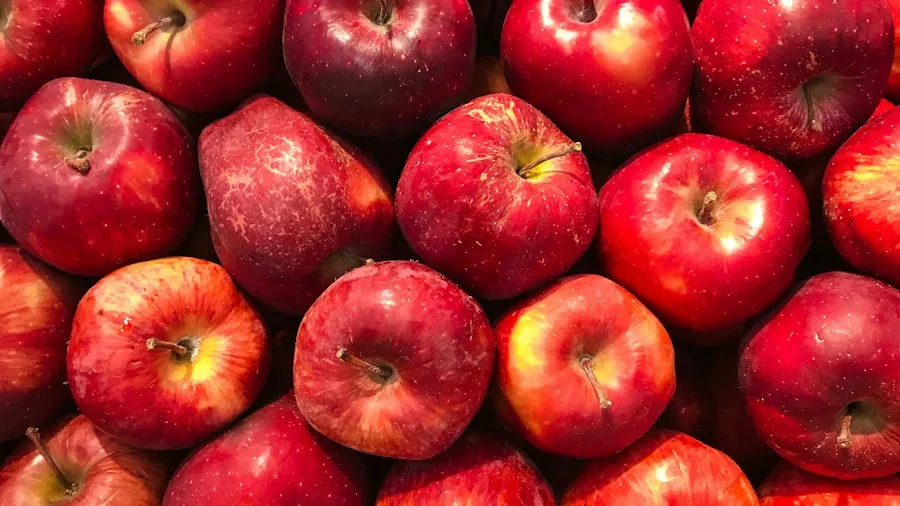
The ingredient list emphasizes quality components. All-purpose flour, unsalted butter kept cold until use, and ice-cold water form the crust foundation. For filling, a blend of apple varieties performs best. Granny Smith apples provide tartness and hold their shape during baking, while Honeycrisp and Pink Lady varieties add sweetness and balanced flavor. Cornstarch and flour work together to thicken the apple juices that release during cooking, preventing a soggy bottom crust.
Spices define the flavor profile. Cinnamon, ginger, nutmeg, and cardamom create the warm autumn taste people expect from apple desserts. Brown sugar adds a subtle caramel note, while turbinado or coarse sanding sugar sprinkled on top before baking creates visible shine and texture. A simple vanilla glaze made from powdered sugar, heavy cream, and vanilla bean paste finishes the pie elegantly.
Time Management and Preparation Strategy
Smart shoppers recognize that slab pie preparation spreads across multiple days, reducing last-minute stress. The pie dough can be made and refrigerated for up to three days before baking, or frozen for three months. This advance preparation means entertainers can check one major task off their list days before guests arrive. Efficient food prep tools help accelerate apple dicing and ingredient mixing during assembly day.
The actual assembly takes roughly two and a half hours from start to finish, including dough resting and chilling time. Baking requires approximately one hour to one hour and ten minutes in the oven, during which the cook can focus on other dishes. Cooling time is essential but passive; the pie must cool completely so the filling sets properly before serving. This timing allows entertainers to prepare a slab pie the morning of an event or even the day before without feeling rushed.
Storage, Reheating, and Practical Serving
Another reason shoppers are embracing this format involves practical storage and serving. Leftover pie stores at room temperature under loose coverage for up to three days, making it convenient for grazing throughout a weekend or for sending slices home with guests. Individual portions wrapped in aluminum foil reheat beautifully in a 350-degree oven in just five to seven minutes, so the pie tastes freshly baked even days later.
The slab format makes serving easier than round pies. Slices can be held in hand while eating, which works well for casual gatherings where guests stand and mingle rather than sitting at a formal table. Entertaining spaces benefit from thoughtful equipment choices that let you focus on guests rather than logistics. For those hesitant about their baking skills, knowing that an imperfect slab pie looks intentionally rustic rather than failed removes a major barrier to trying this dessert.
Bottom Line for Kitchen Shoppers
The slab pie trend reflects what modern entertainers actually need: impressive results achieved with standard equipment and straightforward technique. Shoppers who want to participate in this trend should stock their kitchens with quality all-purpose flour, unsalted butter, a reliable food processor, and a standard half sheet pan. Having a variety of good baking apples on hand during fall and winter makes spontaneous pie baking feasible. This is practical dessert entertaining that works in real kitchens for real people managing busy schedules.





