
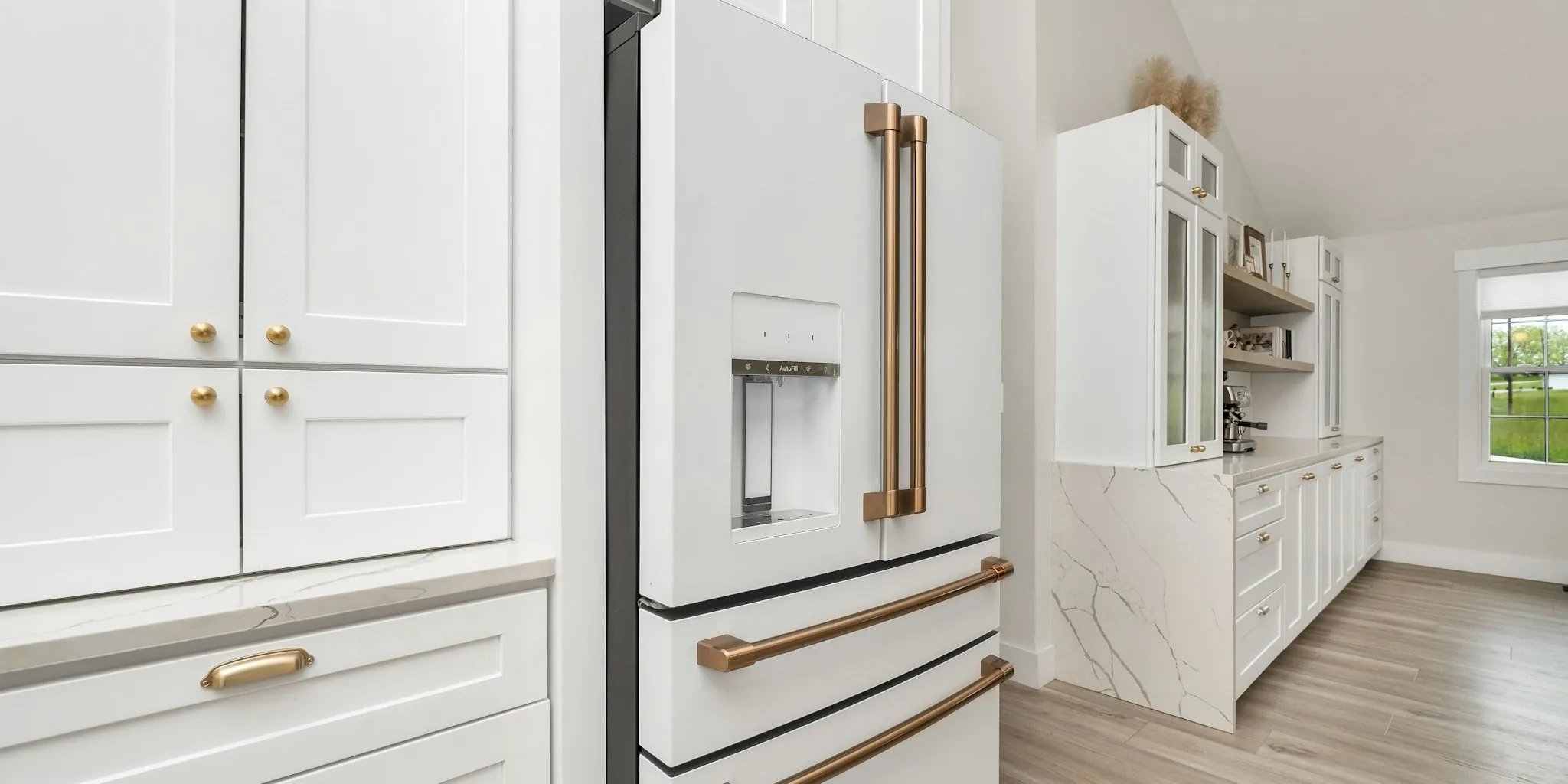

Appliance garages have become a popular solution for homeowners looking to reclaim countertop space and achieve a cleaner, more organized kitchen aesthetic. However, before you invest in this trending storage solution, there are critical safety and practical considerations you should understand.
Ventilation is Non-Negotiable for Safety
The most important factor when storing appliances in a garage-style cabinet is ensuring adequate ventilation. Many commonly used kitchen appliances generate significant heat and steam that must dissipate properly to prevent damage and fire hazards.
Appliances like toasters, coffee makers, air fryers, and electric kettles should never be completely enclosed while operating. These devices produce heat and moisture that can damage surrounding cabinetry, warp wood components, and create unsafe conditions if trapped inside a confined space. Before housing any heat-producing appliance in a cupboard, consult the manufacturer’s guidelines for required clearance heights and ventilation specifications.
If you want to use appliances within an appliance garage, the safest approach is to keep cabinet doors open while the device runs and pull it forward for proper air circulation. This ensures your investment in both the appliance and your kitchen cabinetry remains protected.
Plan Your Storage Layout Carefully
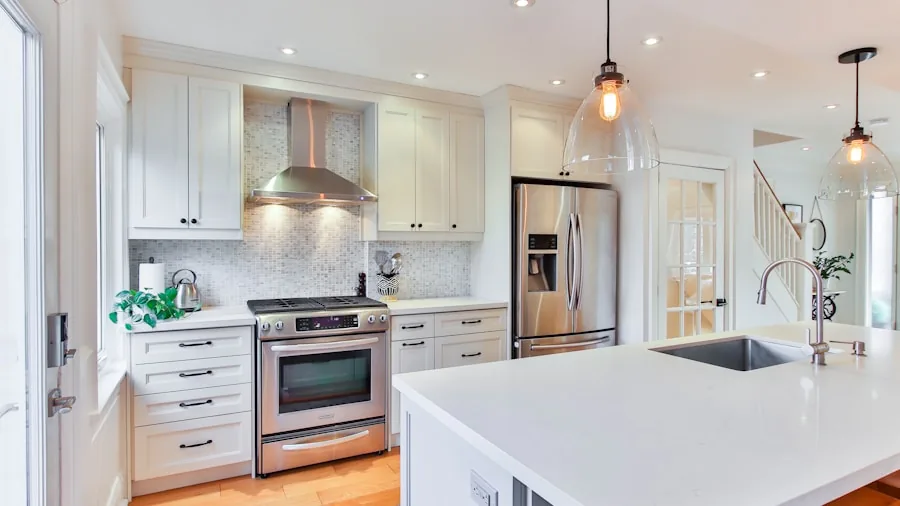
Appliance garages aren’t one-size-fits-all solutions. Your specific kitchen layout and the appliances you want to store require thoughtful planning before installation. Larger appliances like bread makers or stand mixers demand sufficient width and depth, and standard cabinet doors may not accommodate them effectively.
Door style is another critical consideration. Bi-fold doors, sliding doors, and traditional swing doors each have different spatial requirements. A standard hinged door might collide with adjacent refrigerators or cabinetry, making bi-fold options necessary in smaller kitchens. Discuss door options with your kitchen designer or installer early in the planning process to avoid discovering compatibility issues after installation.
Additionally, ensure an electrical outlet is installed inside the garage before construction finishes. This allows you to keep appliances plugged in and ready to use without removing them completely from storage. Similar to how homeowners consider innovative approaches to floor cleaning appliances, thinking through power access prevents frustration later.
Appliance Garages Aren’t Catch-All Storage
While these cabinets reduce visible clutter, they shouldn’t become dumping grounds for kitchen gadgets you rarely use or no longer need. The key to maintaining an organized kitchen is being intentional about what deserves permanent storage, whether hidden or visible.
Start by evaluating which appliances you actually use regularly. If something consistently sits unused, it’s taking up valuable space that could house more frequently needed items. Donating or selling appliances you don’t regularly use is far more effective than hiding them away.
Maintaining kitchen organization requires ongoing effort. Establishing a simple evening routine of resetting your kitchen by tidying up and returning items to their proper places prevents clutter from accumulating. Five minutes of daily organization is significantly less demanding than addressing a chaotic kitchen on weekends. Just as consumers increasingly research appliance features and performance before purchasing, like understanding laundry appliance trends and hacks, homeowners should research storage solutions before installation.
Alternatives to Consider
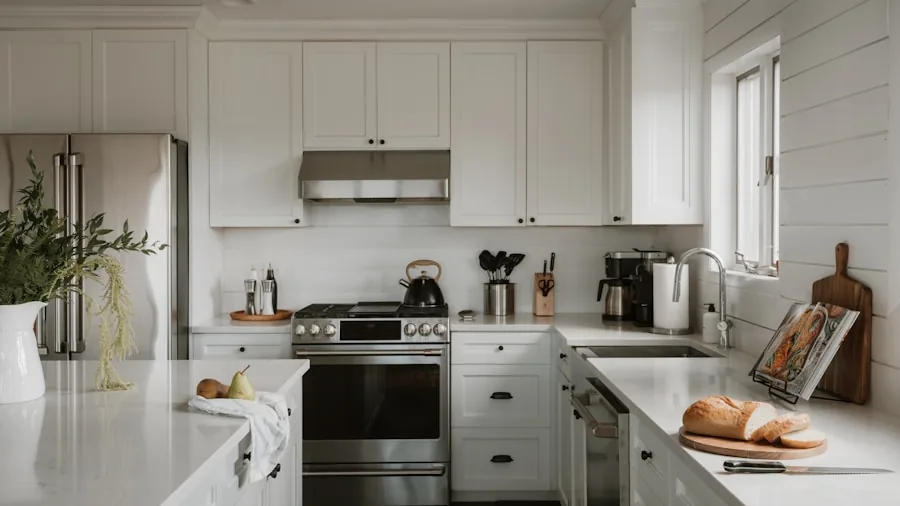
Appliance garages aren’t the only way to manage countertop clutter. Kitchen carts and rolling storage units offer flexible alternatives that don’t require permanent installation or structural changes. These mobile solutions let you relocate storage as your needs evolve and provide easy access to less frequently used devices.
Making Your Decision
An appliance garage can genuinely improve your kitchen’s appearance and functionality when properly designed and installed. The key is addressing safety requirements first, planning storage capacity accurately, and maintaining realistic expectations about what the solution can achieve. Modern kitchen appliances demand thoughtful storage strategies, much like how consumers evaluate premium appliance technology for performance and features.
If you’re considering an appliance garage, consult with a kitchen designer who understands ventilation requirements and can help you select appropriate door styles and dimensions for your specific space. Taking time to plan now prevents costly mistakes and ensures your new storage solution actually enhances your kitchen rather than creating hidden problems.





Write Your Review
No reviews yet. Be the first to share your experience!