
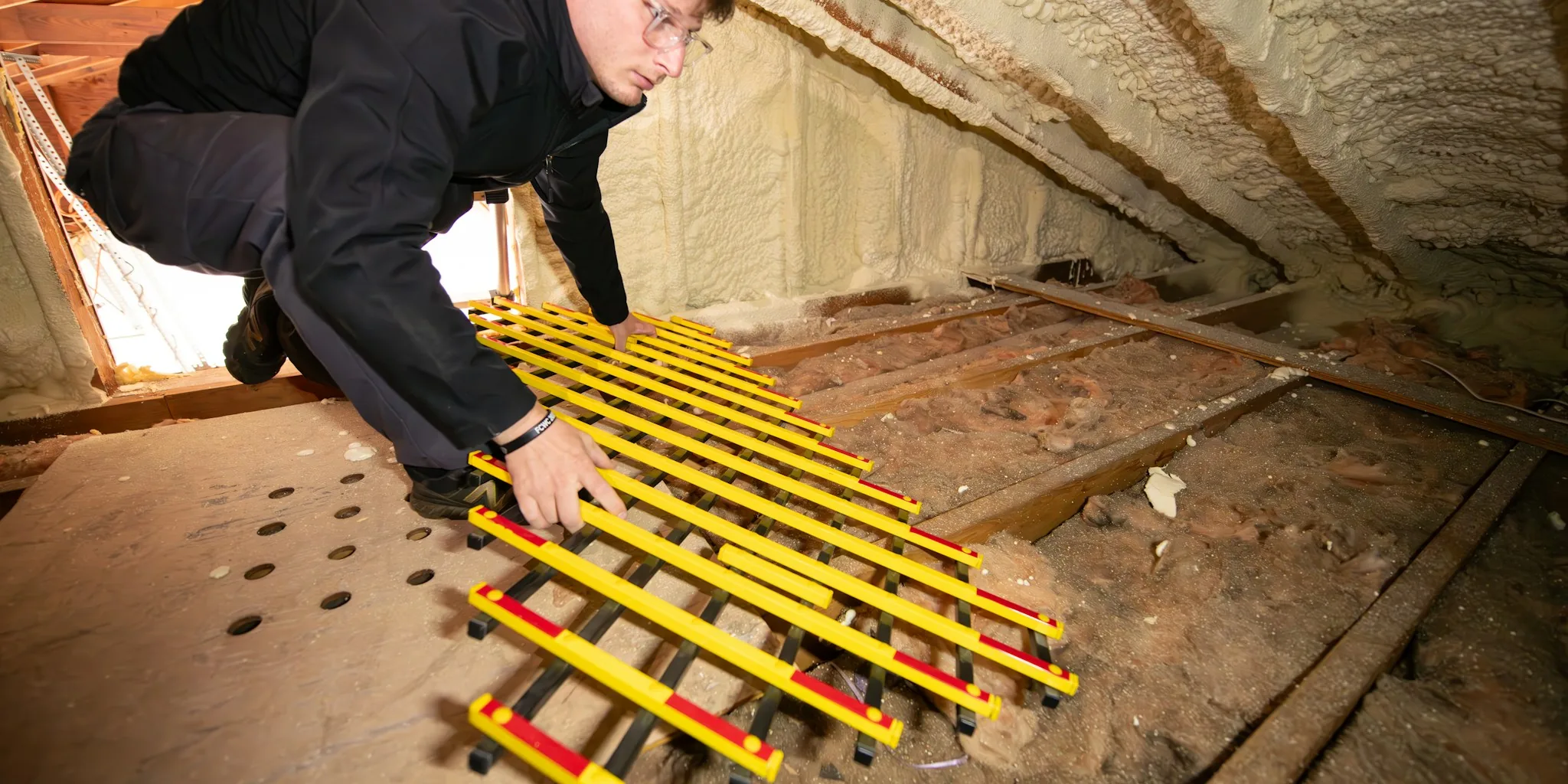

Discovering bats in your attic or walls can feel like a nightmare, but the real danger isn’t the bats themselves, it’s what they leave behind. Bat droppings and urine are capable of destroying wood, insulation, and other critical building materials, gradually weakening your home’s structural integrity. If you’ve spotted signs of bats in your house, understanding the problem and taking swift action is essential to protecting your investment.
Why Bats Target Your Home
Bats aren’t seeking out your house to cause trouble, they’re simply looking for three basic things: food, shelter, and water. Your attic, walls, and roof cavities provide ideal shelter, and because bats are small and highly mobile, they can easily find food sources and water nearby. Attics are especially attractive because they offer protection from predators and weather while remaining close to outdoor hunting grounds.
The problem escalates when a single bat becomes a colony. Bat droppings accumulate quickly, and the acidic urine begins corroding wood and structural components. The costs of roof damage have reached staggering levels nationwide, and bat-related deterioration can contribute significantly to repair bills if left unaddressed.
Identifying Your Bat Problem

Nearly 50 bat species live across the United States, but only certain varieties colonize residential structures. Common culprits include the big brown bat, little brown bat, pallid bat, and Mexican free-tailed bat. Each species has distinct characteristics and regional preferences, so identifying which type is living in your home helps determine your next steps.
Before you can take action, check your local regulations. Many states protect bat species, making it illegal to harm or kill them. Additionally, maternity season for bats typically runs from May through August, and laws in many areas prohibit exclusion tactics during this period to avoid trapping babies inside your home. Always contact local authorities to verify which methods are legal in your area.
Finding Entry Points and Sealing
Bats can squeeze through openings as small as half an inch, which is why locating all entry points is critical. Look for bats entering and exiting at dusk and dawn. Common access points include chimneys, roof vents, damaged fascia boards, gaps in siding, and holes in roofing material. Bat droppings around these openings provide telltale evidence of intrusion.
Use flour or baby powder to dust suspected entry points before dusk, and you’ll see smudges where bats pass through. Once you’ve identified all access points, seal them using caulking compound or expanding foam. Proper sealing techniques are as important as roof flashing to prevent future problems, and attention to detail prevents re-entry. Install chimney caps and add screens to vents.
The One-Way Exit Strategy
Critical to humane bat removal is providing them a way out without allowing re-entry. One-way exit devices let bats leave your home but prevent them from returning. After installing your exit device, leave it in place for approximately three days to ensure all bats have departed. This approach aligns with environmental responsibility, as bats are valuable for controlling insect populations.
Cleanup and Safety Precautions
Once bats have exited, you face a hazardous cleanup job. Bat droppings contain histoplasma, a fungus that can cause histoplasmosis, a serious lung infection. Always wear an N95 respirator mask, full-sleeve clothing, and rubber gloves when cleaning affected areas.
Before touching anything, lightly mist the area with a water and bleach solution to kill airborne pathogens. Remove and dispose of contaminated porous materials like insulation, rugs, or fabric. Clean thoroughly with non-ammonia soap and detergent, then disinfect with a solution of one-quarter cup bleach per gallon of water. Improving roof ventilation after cleanup helps prevent future moisture and pest issues. If the job feels overwhelming, professional cleanup services are worth the investment for safety.
Prevention and Final Inspection
After cleanup, conduct a final inspection to ensure all entry points remain sealed. If anyone in your household was scratched or bitten, consult your doctor about rabies vaccination, as rabies is serious and requires immediate medical attention.
Moving forward, consider installing a bat house on your property to encourage bats to roost outside rather than in your home. This supports local ecosystems while keeping your attic free from these invasive residents. Acting quickly when you discover bats prevents structural damage, protects your family’s health, and keeps your home secure for years to come.





Write Your Review
No reviews yet. Be the first to share your experience!