

A great cup of espresso at home used to mean settling for something mediocre or spending a fortune on café visits. That has changed dramatically. Today’s home espresso machines deliver café-quality shots, silky steamed milk, and precision temperature control at a range of price points. Whether you are a curious beginner or a seasoned home barista chasing the perfect crema, there is a machine built for your needs and your kitchen counter. Our team independently researched and analyzed dozens of models, comparing pump pressure, boiler type, grinder integration, ease of use, and long-term reliability to bring you this curated list. Alongside the product rankings, we have put together a thorough buying guide so you can invest with confidence. If you pair your espresso setup with a reliable precision electric kettle for rinsing your portafilter or warming your cups, your morning ritual will feel genuinely complete.
Top Espresso Machines We Recommend

Pros
- Integrated grinder saves counter space and delivers fresher espresso by grinding on demand
- PID temperature control and pre-infusion system produce balanced, flavorful shots consistently
- Manual milk steaming gives you the skill-building experience of traditional barista work
- Simple grind size dial and intuitive controls make it accessible for beginners while satisfying enthusiasts
- Generous accessory package eliminates additional purchases needed to get started
Cons
- Manual milk texturing requires practice and technique to achieve cafe-quality microfoam consistently
- Limited water tank capacity of 67 oz means frequent refilling for multiple drinks or entertaining
The Breville Barista Express stands out as a genuinely capable all-in-one espresso solution for home coffee lovers. The integrated precision conical burr grinder is the star feature here, grinding beans on demand directly into the portafilter and eliminating the need for a separate grinder purchase. This not only saves counter space but also ensures maximum freshness since you're working with coffee ground moments before extraction.
The machine's PID digital temperature control and low-pressure pre-infusion system work together to deliver the kind of extraction consistency that separates good espresso from great espresso. Pre-infusion gradually increases water pressure at the start of the shot, ensuring even saturation of the grounds and balanced flavor extraction. The manual steam wand is powerful enough to create proper microfoam for lattes and cappuccinos, though it does require some practice to master the technique. The grind size dial is refreshingly simple and intuitive, giving you immediate control over consistency without complicated adjustments.
What makes this machine particularly valuable is how it bridges the gap between convenience and control. You get the speed of an all-in-one design with the hands-on involvement that many espresso enthusiasts actually want. The included accessories are comprehensive and thoughtfully chosen, from the razor dose trimming tool to multiple filter baskets and a stainless steel milk jug. For DIYers and coffee lovers willing to invest time in learning proper technique, this machine delivers professional-quality espresso without professional-grade complexity or price.
| Specification | Details |
|---|---|
| Brand | Breville |
| Model | BES870BTR |
| Color | Black Truffle |
| Type | Semi-Automatic Espresso Machine with Integrated Grinder |
| Grinder Type | Precision Conical Burr Grinder |
| Temperature Control | PID Digital Temperature Control |
| Water Pressure System | Low Pressure Pre-Infusion |
| Portafilter Size | 54mm Stainless Steel |
| Shot Options | Single or Double Shots |
| Bean Hopper Capacity | 1/2 lb |
| Water Tank Capacity | 67 oz |
| Power | 1600 Watts |
| Voltage | 120 Volts |
| Warranty | 1 Year Limited Product Warranty |
| Included Accessories | Razor Dose Trimming Tool, 54mm Portafilter, Single & Dual Wall Filter Baskets, Coffee Scoop, Integrated Tamper, Stainless Steel Milk Jug, Cleaning Disc, Cleaning Tablets, Brush Tool, Allen Key, Water Filter & Filter Holder |
Getting Started: Fill the water tank with fresh, filtered water and plug in the machine. Allow 30 seconds for the machine to warm up and stabilize the water temperature via the PID system.
Grinding and Dosing: Add beans to the hopper and use the grind size dial to select your preferred consistency. Activate the grinder and it will automatically dispense the correct amount of freshly ground coffee directly into the portafilter. The dose control system adjusts the grind amount based on your dial setting.
Tamping and Extraction: Use the integrated tamper to evenly press the ground coffee into the portafilter basket. Insert the portafilter into the group head and activate the pump. The low-pressure pre-infusion will gradually increase to full pressure, extracting your espresso shot over approximately 25-30 seconds.
Steaming Milk: Position the steam wand just below the milk surface in your jug. Activate the steam function and slowly lower the jug to create a whirlpool action. This technique develops microfoam that enhances flavor and allows you to pour latte art. Practice is essential for mastering this skill.
Cleaning: Run water through the group head without the portafilter to flush grounds. Use the included cleaning disc and tablets weekly to backflush the group head. Empty the portafilter after each use and wipe the steam wand immediately after steaming milk.
Dial In Your Grind: Start with a medium grind setting and pull a test shot. If extraction is too fast (under 20 seconds), use a finer setting. If too slow (over 35 seconds), use a coarser setting. Aim for 25-30 seconds for balanced flavor.
Tamp Consistently: Use even downward pressure when tamping, and consider using the razor dose trimming tool to level off excess grounds before tamping. Consistent tamp pressure directly impacts shot quality.
Water Temperature Matters: The PID system maintains precise temperature, but remember that different bean roasts may benefit from slight adjustments. Lighter roasts often prefer slightly higher temperatures for fuller extraction.
Milk Technique Development: Practice your steaming technique with water first to understand the wand's pressure and heat without wasting milk. The key is creating a smooth whirlpool, not aggressive bubbling.
Use Filtered Water: The included water filter helps, but using pre-filtered water extends machine life and prevents mineral buildup that affects temperature stability and extraction quality.
Dose Control Override: The manual override feature lets you stop grinding mid-cycle if you need less coffee than the dial setting provides. This flexibility is valuable for dialing in the perfect dose.
Is This Machine Right for You? The Breville Barista Express works best for coffee enthusiasts who enjoy hands-on involvement in the espresso-making process. If you want one-button convenience, look elsewhere. If you value learning proper technique and want cafe-quality results at home, this is an excellent investment.
What to Consider Before Buying: Assess your counter space, as this is a full-featured machine that requires room for operation and cleaning. Consider your water situation - you'll need access to fresh, preferably filtered water for best results. Evaluate your willingness to learn milk steaming technique if you enjoy milk-based drinks. Finally, think about your coffee consumption habits. The 67 oz water tank means refilling between serving multiple people, so plan accordingly.
Skill Level Requirements: Beginners can use this machine successfully, but expect a learning curve of 10-20 shots before producing consistently good espresso. The integrated grinder and intuitive controls minimize complexity compared to manual machines, but manual milk steaming does require practice. Intermediate and advanced coffee enthusiasts will appreciate the control and consistency this machine provides.
Long-Term Value: This machine eliminates the need to buy a separate grinder, which typically costs $100-300. The comprehensive accessory package means you won't need to make additional purchases to get started. Factor in the included specialty coffee bags upon registration, and the initial value proposition is strong for serious home espresso drinkers.
Maintenance Expectations: Plan for regular cleaning after each use and weekly deep cleaning with the included cleaning tablets. The grinder requires occasional maintenance to prevent buildup. Budget for eventual replacement of the water filter and cleaning supplies. Proper maintenance ensures years of reliable operation and consistent espresso quality.

Pros
- Exceptional speed and consistency from grinding through extraction and milk steaming
- Automatic milk frother removes the steep learning curve typical of espresso machines
- Touch screen interface with preset favorites makes it accessible to beginners and enjoyable for enthusiasts
- Comprehensive accessory package eliminates need for additional purchases
- Low-pressure pre-infusion and PID temperature control ensure balanced, flavorful shots
Cons
- Premium price point puts it out of reach for casual coffee drinkers or budget-conscious buyers
- Half-pound bean hopper requires frequent refilling if you make multiple drinks daily
The Breville Barista Touch represents a significant leap forward for home espresso enthusiasts who want professional results without mastering traditional manual techniques. The integrated conical burr grinder with dose control eliminates guesswork, delivering the precise amount of ground coffee needed for each shot. Combined with the ThermoJet heating system that reaches optimal extraction temperature in just 3 seconds, you're pulling balanced, flavorful espresso faster than most people can walk to a café.
What truly sets this machine apart is its automatic milk texturing system. The steam wand adjusts milk temperature and texture automatically, consistently producing the microfoam essential for latte art and creamy cappuccinos. The touch screen interface walks you through three simple steps (grind, brew, milk), making barista-quality drinks accessible even on your first attempt. You can also save up to 8 personalized recipes, so your morning routine becomes truly personalized.
The engineering behind this machine is solid. PID digital temperature control ensures water reaches precisely the right temperature for optimal extraction, while low-pressure pre-infusion gradually increases pressure to evenly draw out all the flavors. The comprehensive accessory package (stainless steel portafilter, filter baskets, jug, cleaning kit, and water filter) means you're ready to brew immediately after unboxing. For homeowners serious about daily espresso drinks, this machine delivers café quality consistently.
| Specification | Details |
|---|---|
| Brand | Breville |
| Model | BES880BSS |
| Finish | Brushed Stainless Steel |
| Power | 1680 Watts |
| Voltage | 110-120V |
| Bean Hopper Capacity | 0.5 lb |
| Water Tank Capacity | 67 oz |
| Portafilter | 54mm Full Stainless Steel |
| Heat-Up Time | 3 seconds (ThermoJet system) |
| Temperature Control | PID Digital Temperature Control |
| Grinder | Precision Conical Burr with Dose Control |
| Milk Jug | 480ml Stainless Steel |
| Milk Texturing | Automatic Steam Wand |
| Touch Screen | Yes, with 5 pre-programmed favorites and 8 custom settings |
| Filter Baskets Included | Single and Double Wall |
| Warranty | 2-Year Limited |
| Accessories Included | Portafilter, filter baskets, stainless steel jug, ClaroSwiss water filter, dose trimming tool, cleaning kit, water hardness test strip |
Getting Started: Fill the water tank with filtered water and plug in the machine. The ThermoJet heating system reaches optimal temperature in just 3 seconds, so there's minimal wait time compared to traditional espresso machines.
Making Your First Espresso: The touch screen guides you through three simple steps. First, select your grind amount using dose control on the integrated grinder. Second, the machine automatically grinds and tamps for consistency. Third, initiate the brew and watch the extraction. For milk-based drinks, activate the automatic steam wand and adjust milk temperature and texture to your preference using the touch screen controls.
Customization: After you've dialed in your perfect shot, save it as one of up to 8 personalized recipes. This means your ideal espresso strength, milk temperature, and texture settings are recalled with a single touch every time you want that drink. Use the included dose trimming tool to fine-tune grind amounts, and refer to the water hardness test strip to determine if you need to replace the ClaroSwiss water filter.
Grind Consistency Matters: Even with dose control, the freshness of your beans directly impacts flavor. Use whole beans stored in an airtight container away from light and heat. The machine grinds on demand, so you're always working with freshly ground coffee for maximum flavor extraction.
Milk Technique: While the automatic steam wand handles temperature and texture, position the jug so the wand is submerged about half an inch below the milk surface. This allows the machine to create proper microfoam rather than just heating milk. Experiment with different milk types (whole, oat, almond) as each froths differently.
Maintenance and Longevity: Run the cleaning cycle regularly using the included cleaning kit to prevent coffee oil buildup that can affect flavor and machine performance. Replace the ClaroSwiss water filter every 2-3 months depending on your water hardness (use the included test strip to check). Proper maintenance ensures consistent performance and extends the machine's lifespan significantly.
Shot Dialing: If your espresso pulls too quickly or slowly, use the adjustable grind control to fine-tune. Finer grinds slow extraction, coarser grinds speed it up. Keep notes on your favorite settings so you can recreate them consistently.
Is This Machine Right for You? The Breville Barista Touch is ideal if you drink espresso-based beverages daily and want consistent café-quality results at home. It's perfect for people who appreciate good coffee but don't have time to master traditional espresso machine techniques. If you're a casual coffee drinker or prefer drip coffee, this investment may be more than you need.
What to Expect: This is a premium machine with premium pricing. You're paying for engineering, consistency, speed, and the automatic milk texturing system that eliminates a major learning curve. The touch screen interface means minimal training, and the included accessories mean you're fully equipped from day one. Registration with Breville also gets you 2 free bags of specialty coffee.
Long-Term Considerations: Budget for occasional maintenance (water filters, cleaning supplies) and quality whole beans. The machine's 2-year limited warranty covers defects, but like all espresso machines, it benefits from regular care. If you commit to using it daily, the per-cup cost becomes reasonable compared to café visits. This is a machine you'll own for years if maintained properly.
Pros
- Fast heat-up and grind-to-cup speed make fresh espresso possible in under one minute
- Precise temperature control and pre-infusion deliver the balanced, flavorful shots specialty coffee demands
- All-in-one design eliminates the need for a separate grinder, saving counter space and money
- Comprehensive accessory package and included cleaning kit support long-term machine maintenance
- Powerful steam wand gives you hands-on control for developing milk texturing skills and creating latte art
Cons
- Manual milk steaming has a steep learning curve; beginners may struggle to achieve consistent microfoam quality
- Limited water tank capacity (67 oz) means refilling frequently if making multiple drinks or entertaining guests
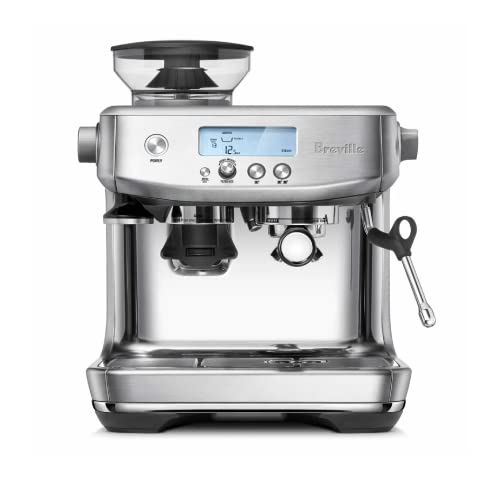
The Breville Barista Pro stands out as a thoughtfully engineered semi-automatic espresso machine that bridges the gap between convenience and control. The integrated conical burr grinder with dose control eliminates guesswork, delivering the right amount of fresh-ground coffee with a single button press. This speeds up your workflow significantly and ensures consistency from shot to shot, which is essential for developing your espresso technique and understanding how variables like grind size and dose affect flavor.
Temperature stability is where this machine truly excels. The PID digital temperature control maintains water temperature within a tight +/- 2°C range, and the innovative ThermoJet heating system reaches optimal extraction temperature in just 3 seconds. Combined with the low-pressure pre-infusion that gradually increases pressure at the start of extraction, these features work together to pull balanced, evenly extracted shots that showcase the nuanced flavors in specialty coffee beans. The LCD display guides you through the grinding and extraction process, helping you understand what's happening and learn from each pull.
The manual steam wand is powerful and responsive, giving you the control needed to hand-texture microfoam milk for lattes, cappuccinos, and latte art. However, this manual approach demands practice and patience if you're new to milk steaming. The machine arrives well-equipped with single and dual wall filter baskets, a precision dose trimmer, a stainless steel milk jug, a cleaning kit, and a water filter, so you have everything necessary to start pulling shots and maintaining the machine properly.
| Specification | Details |
|---|---|
| Model | Breville Barista Pro BES878BSS |
| Color | Brushed Stainless Steel |
| Type | Semi-Automatic Espresso Machine with Integrated Grinder |
| Power | 1680 Watts |
| Voltage | 120 Volts |
| Bean Hopper Capacity | 1/2 lb (approximately 110g) |
| Water Tank Capacity | 67 oz (approximately 2 liters) |
| Grinder Type | Precision Conical Burr with Dose Control |
| Temperature Control | PID Digital Temperature Control (+/- 2°C) |
| Heating System | ThermoJet (3-second heat-up) |
| Pressure | 9 Bar with Low-Pressure Pre-Infusion |
| Espresso Volumetric Control | 1 or 2 Cup Settings |
| Grind Control | Adjustable |
| Steam Wand | Manual Milk Texturing |
| Display | LCD with Grinding and Extracting Progress Animations |
| Included Accessories | Single & Dual Wall Filter Baskets, Razor Precision Dose Trimming Tool, 480ml Stainless Steel Milk Jug, Cleaning Kit, Water Filter |
| Warranty | 2-Year Limited Product Warranty |
Getting Started: Fill the water tank and plug in the machine. The ThermoJet heating system reaches optimal temperature in 3 seconds, so there's virtually no warm-up wait. Run water through the group head to purge the system before your first shot.
Grinding and Dosing: Load whole beans into the hopper. Press the single or dual cup grind button on the integrated grinder, which automatically dispenses the correct amount of freshly ground coffee into the portafilter. Use the included Razor Precision Dose Trimmer to level the grounds for even extraction.
Pulling Your Shot: Insert the portafilter into the group head and press the single or dual cup extraction button. The LCD display shows extraction progress. The low-pressure pre-infusion gradually increases pressure, allowing flavors to extract evenly. A typical shot takes 25-30 seconds.
Steaming Milk: Position the steam wand just below the surface of cold milk in the included milk jug. Turn the steam knob to activate. Move the jug to create a whirlpool while gradually lowering it to submerge the wand tip. This technique develops silky microfoam. Practice is essential for consistent results.
Cleaning: Backflush the group head daily with water only (no portafilter). Run water through the steam wand immediately after steaming. Use the included cleaning kit and descaling solutions regularly to maintain optimal performance.
Master Your Grind: Grind size has the biggest impact on shot quality. If your espresso pulls too fast and tastes sour, go finer. If it pulls too slowly and tastes bitter, go coarser. Keep a notebook to track your adjustments and results.
Develop Milk Steaming Skills: Practice steaming with water first to build muscle memory without wasting milk. Focus on creating a consistent whirlpool and listen for the subtle hissing sound that indicates proper microfoam development. Patience and repetition are key.
Use Fresh, Quality Beans: The Breville Barista Pro shines with specialty-grade, freshly roasted coffee beans. Buy from local roasters when possible and use beans within 2-3 weeks of the roast date for peak flavor.
Dial In Your Dose: Even with dose control, slight adjustments may improve consistency. The included Razor Trimming Tool helps level grounds for even water distribution during extraction.
Maintain Regularly: Backflush daily, clean the steam wand immediately after use, and run a cleaning cycle with the included kit weekly. Descale monthly depending on water hardness. A well-maintained machine pulls better shots and lasts longer.
Is This Machine Right for You? The Breville Barista Pro is ideal if you're ready to move beyond single-serve pod machines and want hands-on control over your espresso. It rewards learning and experimentation, making it perfect for coffee enthusiasts willing to invest time in mastering technique. If you prefer fully automatic milk frothing or don't want to learn manual steaming, look elsewhere.
What to Consider: This machine requires counter space and a water source nearby. The 67 oz water tank is modest, so plan to refill if making multiple drinks or hosting. The integrated grinder eliminates separate equipment costs but locks you into this grinder's capabilities. Manual milk steaming has a learning curve, but it gives you ultimate control over microfoam quality and latte art.
Budget Expectations: The Breville Barista Pro is mid-range for semi-automatic espresso machines. Factor in ongoing costs for quality beans, occasional descaling solutions, and replacement filters. The 2-year limited warranty covers defects but not wear items.
Long-Term Value: This machine is built to last with proper maintenance. The all-in-one design saves money versus buying a separate grinder. As your skills improve, you'll appreciate the precise temperature control and pre-infusion system that let you pull increasingly refined shots. Many owners report years of reliable daily use.
Pros
- Authentic 9-bar pressure system produces rich, flavorful espresso shots comparable to cafe machines
- Commercial-grade components (portafilter, solenoid valve, steam wand) ensure longevity and performance
- Made in Italy with solid steel housing provides excellent build quality and aesthetic appeal
- Professional steam wand delivers consistent milk frothing for specialty drinks
- Solenoid valve allows backflushing to keep the group head clean and maintain shot quality
Cons
- No reviews currently available, so real-world user feedback and long-term reliability data are limited
- Semi-automatic operation requires manual timing and technique, making it less beginner-friendly than super-automatic models
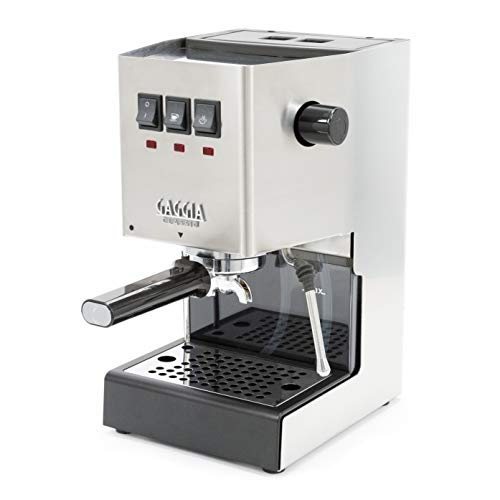
The Gaggia RI9380/46 E24 represents a serious investment in home espresso brewing. Its 9-bar pressure system is the foundation of quality espresso extraction, and Gaggia's commitment to commercial-grade components means you're working with equipment that mirrors what you'd find in professional cafes. The 58mm portafilter, three-way solenoid valve, and commercial steam wand are not marketing flourishes but functional elements that directly impact your ability to pull consistent, flavorful shots and steam milk properly.
What sets this machine apart is its Italian heritage and construction. Built with solid steel housing rather than plastic, it's designed to withstand daily use and look elegant doing it. The brushed stainless steel finish ages gracefully and fits seamlessly into modern kitchens. The three-way solenoid valve is particularly valuable because it enables backflushing, a maintenance technique that keeps your group head clean and prevents shot quality from degrading over time.
This is a semi-automatic machine, which means you control the flow of water through the puck by activating and stopping the pump manually. This requires learning proper technique and paying attention during extraction, but it also gives you the control that espresso enthusiasts crave. If you're willing to invest time in understanding espresso fundamentals, this machine rewards that effort with authentic, cafe-quality results.
| Feature | Detail |
|---|---|
| Brand | Gaggia |
| Model | RI9380/46 E24 |
| Type | Semi-Automatic Espresso Machine |
| Pressure | 9 Bar |
| Portafilter Size | 58mm Commercial Stainless Steel |
| Pressure Control | Commercial Three-Way Solenoid Valve |
| Steam Wand | Commercial Grade |
| Housing Material | Solid Steel |
| Finish | Brushed Stainless Steel |
| Manufacture | Made in Italy |
Master Tamping Pressure: Consistent tamping at approximately 30 pounds of pressure is essential for even extraction. Invest in a tamper with a flat base and consider a calibrated tamper to develop muscle memory.
Use the Solenoid Valve for Maintenance: The three-way solenoid valve allows you to backflush the group head with water only (no portafilter attached) to clear coffee oils and grounds. This 5-10 second process after every few shots keeps your machine performing optimally.
Dial in Your Grind: Espresso machines are sensitive to grind size. Start with a medium-fine grind and adjust coarser or finer based on extraction time. Aim for 25-30 seconds from water contact to finished shot.
Purge the Group Head: Run water through the group head for 2-3 seconds before inserting your portafilter to clear any residual grounds and ensure consistent water temperature.
Steam Milk Properly: Position the steam wand just below the milk surface to create a whirlpool effect. This technique produces microfoam ideal for latte art and velvety texture.
Is This Right for You? This machine suits homeowners and DIYers who enjoy the ritual and control of espresso making and are willing to develop their technique. If you want cafe-quality shots without the learning curve, a super-automatic machine may be better. If you're a coffee enthusiast ready to understand pressure, grind, and extraction, this is an excellent choice.
What You'll Need: Beyond the machine, invest in a quality burr grinder (essential for consistency), a tamper, and a milk pitcher if you plan to make cappuccinos or lattes. Budget for ongoing maintenance supplies like cleaning tablets and backflushing supplies.
Space and Countertop Considerations: This is a compact machine by espresso standards, but it still requires dedicated counter space. Ensure your kitchen has a stable, level surface and access to water and an electrical outlet.
Learning Curve: Expect 20-30 shots before you dial in your technique. Watch educational videos on tamping, distribution, and extraction timing. The investment in learning pays dividends in shot quality.
Pros
- Versatility of three brewing methods covers espresso drinks, traditional drip coffee, and cold brew options
- Guided brewing system removes guesswork and delivers consistent results even for beginners
- Hands-free milk frothing works with both dairy and plant-based milk, saving time and effort
- Built-in scale and grinder eliminate the need for separate equipment and manual measuring
- Comprehensive accessory package and storage compartment keep everything organized and accessible
Cons
- All-in-one design means a larger footprint on your counter compared to single-purpose machines
- Learning the multiple brewing modes and customization options requires initial time investment despite guided assistance
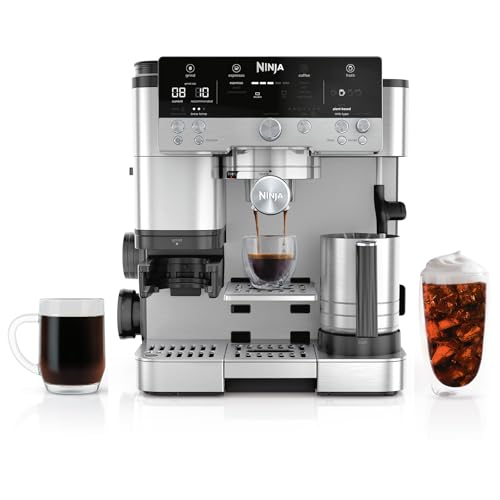
The Ninja Luxe Café Premier stands out as a genuinely practical solution for households that want espresso shop quality without the intimidation factor. The Barista Assist Technology is the real game-changer here, providing customized recommendations for grind size, weight-based dosing, and active brew adjustments so you're not left wondering if you've tamped correctly or dialed in the right temperature. This makes the machine accessible to beginners while still offering enough control for experienced coffee drinkers.
The hands-free dual froth system is a major convenience feature that actually works. Rather than requiring manual steaming technique, it combines steaming and whisking simultaneously to create microfoam from dairy or plant-based milk with just a button press. The four preset programs handle steamed milk, thin froth, thick froth, and cold foam, which covers virtually every milk-based drink you'd want to make at home. The integrated grinder with 25 settings and weight-based dosing means you're not buying separate equipment or doing math in your head.
The machine's versatility across three brewing methods is genuinely useful for households with different coffee preferences. Whether someone wants a quick espresso shot, a full carafe of drip coffee, or a smooth cold-pressed brew, this single machine handles all of it. The built-in storage for accessories and the comprehensive included toolkit (tamper, milk jug, cleaning supplies, and more) show thoughtful design. The main trade-off is counter space and the learning curve around multiple brewing modes, but the guided system makes this manageable even for first-time espresso machine owners.
| Specification | Details |
|---|---|
| Brand | Ninja |
| Model | ES601 |
| Type | 3-in-1 Espresso, Drip Coffee & Cold Brew Machine |
| Espresso Options | Double shot or quad shot |
| Drip Coffee Styles | Classic, rich, or over ice (6-18 oz sizes) |
| Cold Brew Options | Cold pressed espresso or cold brew (6-18 oz sizes) |
| Grinder Type | Conical burr grinder |
| Grind Settings | 25 adjustable settings |
| Dosing System | Weight-based with built-in scale |
| Milk Frothing | Hands-free dual froth system |
| Froth Programs | 4 presets: steamed milk, thin froth, thick froth, cold foam |
| Tamper | Assisted tamper with even distribution |
| Material | Stainless steel |
| Included Accessories | Portafilter, milk jug, double basket, luxe basket, assisted tamper, cleaning brush, cleaning disc, funnel, descaling powder, cleaning tablets, hard water testing kit |
Getting Started: Fill the water reservoir and plug in the machine. The Barista Assist Technology will guide you through initial setup. Familiarize yourself with the three main brewing paths: espresso, drip coffee, or cold brew.
Making Espresso: Select your espresso style (double or quad shot). The machine will recommend grind size based on your bean type. Add beans to the grinder hopper, and the weight-based dosing scale will measure the correct amount automatically. The assisted tamper ensures proper puck preparation. Insert the portafilter and start brewing. The machine actively adjusts temperature and pressure for optimal extraction.
Frothing Milk: Pour cold milk into the provided milk jug. Select your desired froth program (steamed milk, thin froth, thick froth, or cold foam) and attach the jug to the frother. The hands-free dual system will complete the frothing automatically while you prepare your espresso shot.
Drip Coffee: Select your drip style (classic, rich, or over ice) and desired size (6-18 oz). Add beans and let the integrated grinder and dosing system handle measurements. The machine brews and dispenses directly into your cup or carafe.
Cold Brew: Choose between cold pressed espresso or cold brew style. The machine brews at lower temperature and pressure for a smoother, less acidic result. Select your size and let the machine complete the brewing cycle.
Cleaning & Maintenance: Use the included cleaning brush and disc after each use. Run descaling powder monthly using the provided hard water testing kit to assess your water hardness. Store the tamper and funnel in the built-in side storage and keep baskets and tools in the storage compartment.
Optimize Your Beans: Freshly roasted beans make a noticeable difference. Buy whole beans from local roasters and grind immediately before brewing. The 25 grind settings let you dial in the perfect coarseness for your specific beans and preferred brewing method.
Master the Assisted Tamper: Even though the assisted tamper does much of the work, ensure grounds are evenly distributed in the basket before tamping. This creates consistent water flow and extraction. The machine's active brew adjustments will then fine-tune the rest.
Experiment with Froth Programs: Try each of the four froth presets with both dairy and plant-based milk to find your preference. Cold foam is excellent for iced drinks and cold brew cocktails. Thick froth works best for cappuccinos, while thin froth suits lattes and flat whites.
Use Water Testing Wisely: Hard water can affect flavor and machine longevity. Use the included hard water testing kit monthly and adjust descaling frequency accordingly. This extends the machine's life and maintains brew quality.
Cold Pressed Espresso for Cocktails: The cold-pressed espresso option at lower temperature and pressure creates a smoother, less bitter shot perfect for espresso martinis and other coffee cocktails. This is a feature most home machines lack.
Who Should Buy This Machine? The Ninja Luxe Café Premier is ideal for households with diverse coffee preferences, busy mornings, and limited counter space for multiple machines. It's perfect for coffee enthusiasts who want espresso bar quality without years of practice, as well as for people who enjoy drip coffee and cold brew equally.
What Makes This Different? The Barista Assist Technology is the standout feature. Unlike traditional espresso machines that require manual adjustment of grind, dose, and tamp, this machine provides guided recommendations and active brew adjustments. This removes the primary barrier to home espresso: the learning curve. The weight-based dosing scale is also uncommon at this price point and eliminates guesswork.
Counter Space Considerations: This is a full-featured machine with a larger footprint than single-purpose coffee makers. Measure your available counter space before purchasing. The built-in storage for accessories helps keep your workspace organized, but the machine itself occupies significant real estate.
Milk Frothing Quality: If milk-based drinks are important to you, the hands-free dual froth system is a major advantage. It removes the skill requirement for manual steaming and produces consistently textured microfoam. This is a feature that usually requires either expensive machines or significant practice.
Maintenance Commitment: Like all espresso machines, regular cleaning and monthly descaling are necessary. The included cleaning supplies and hard water testing kit make this manageable, but you need to commit to the routine. This isn't a set-it-and-forget-it appliance.
Versatility Value: If your household has mixed preferences (some want espresso drinks, others prefer drip coffee, and someone enjoys cold brew), this machine's three brewing methods justify the investment. You're replacing three separate machines with one.

Pros
- Professional-grade 20-bar pressure system rivals more expensive machines
- Versatile milk frothing wand produces quality microfoam for all espresso-based drinks
- Space-saving compact footprint makes it practical for apartments and small kitchens
- Pressure gauge provides real-time feedback for dialing in your perfect shot
- Removable water tank eliminates awkward refilling and improves maintenance
Cons
- Machine requires cool-down time between milk frothing and brewing, which interrupts workflow
- No customer reviews available yet, so long-term durability and reliability remain unproven
The CASABREWS CM5418 brings genuine espresso-making capability to home kitchens without requiring professional-level equipment or expertise. The 20-bar Italian pump is the real standout here, delivering the pressure needed to extract rich, aromatic shots with a proper crema layer. This pressure system is typically found in machines costing significantly more, making the CM5418 an excellent value for anyone serious about home espresso.
The milk frothing system deserves equal praise. The steam wand produces quality microfoam suitable for latte art and all your favorite espresso drinks. The stainless steel construction feels durable, and the compact size means it won't dominate your countertop or office desk. The removable 34oz water tank is a practical touch that simplifies both refilling and cleaning compared to fixed tanks.
One operational consideration: the machine requires a cool-down period after steaming milk before you can brew your next shot, as noted in the manual. This is a normal safety feature in semi-automatic machines, but it does mean your workflow differs from super-automatic models. The included pressure gauge helps you adjust extraction to your taste, making this machine rewarding for users who want to develop their espresso skills over time.
| Specification | Detail |
|---|---|
| Brand | CASABREWS |
| Model | CM5418 |
| Type | Semi-Automatic Espresso Machine |
| Pressure System | 20 Bar Professional Italian Pump |
| Power | 1350W |
| Water Tank Capacity | 34 oz (Removable) |
| Materials | Stainless Steel |
| Milk Frothing | Steam Wand with Microfoam Capability |
| Shot Options | Single or Double Espresso |
| Included Accessories | 1-Cup Filter, 2-Cup Filter, Portafilter, Tamper with Spoon, Instruction Manual |
| Pressure Gauge | Built-In |
| Best For | Home and Office Use, Small Kitchens |
Getting Started: Fill the removable 34oz water tank with fresh, cold water and insert it into the machine. Power on and allow the boiler to heat for 1-2 minutes until ready.
Brewing Espresso: Insert your choice of single or double shot filter into the portafilter. Add finely ground espresso (about 7-9 grams for single, 14-18 for double), then tamp firmly and evenly. Lock the portafilter into the group head and press the brew button. Watch the pressure gauge and aim for the sweet spot in the middle range. Extraction should take 25-30 seconds.
Steaming Milk: Position the steam wand just below the milk surface in a pitcher. Open the steam valve gradually and move the pitcher to create a whirlpool. Keep the wand tip near the surface to incorporate air and create microfoam. Once milk reaches 150-155°F, close the valve and remove the pitcher. Always allow the machine to cool before brewing your next shot.
Maintenance: After each use, run water through the group head to purge grounds. Purge the steam wand immediately after steaming. Empty the drip tray regularly and clean the portafilter and filters daily.
Dialing In Your Shots: Use the built-in pressure gauge as your guide. The ideal pressure range is shown on the gauge face. If pressure is too low, your shot will be weak and sour. If too high, it will be bitter. Adjust by using finer or coarser grounds, or tamping with more or less pressure.
Achieving Café-Quality Microfoam: The key is incorporating air early while steaming. Position the wand tip just below the surface initially to hear a faint hissing sound (this is air entering). Once you've added enough air, submerge the wand deeper to heat the milk without adding more bubbles. Practice makes perfect.
Temperature Management: After steaming milk, allow 1-2 minutes for the machine to cool before brewing. You'll notice the pressure gauge needle drop, indicating the boiler has cooled. This prevents over-extraction and extends machine life.
Grind Consistency Matters: Invest in a burr grinder and dial in your grind size specifically for this machine. A consistent, medium-fine grind is your foundation for great espresso. Pre-ground coffee rarely produces optimal results.
Is This Machine Right for You? The CASABREWS CM5418 is ideal if you enjoy making espresso drinks at home and want professional-grade results without professional-grade complexity. It suits apartment dwellers and small kitchen owners who can't accommodate large machines. This is a semi-automatic machine, meaning you control the brew button, so it rewards users willing to learn proper technique.
Who Should Consider Alternatives: If you prefer fully automatic machines that require minimal involvement, or if you need to make large quantities quickly, a super-automatic model may suit you better. This machine also assumes you have access to an espresso grinder, which is essential for success.
What to Expect: Your first shots may not be perfect. Espresso-making is a skill that develops over weeks and months. The CM5418 gives you the right tools and feedback (via the pressure gauge) to improve. Budget for a quality burr grinder and a tamper mat if you don't already own them. Quality espresso starts with consistent grinding and tamping.
Long-Term Value: The stainless steel construction and professional pump suggest durability, though real-world longevity data is limited. The removable tank and accessible design make cleaning and maintenance straightforward, which extends machine life. Parts availability through the manufacturer should be confirmed before purchase.

Pros
- Versatile brewing options cover espresso, drip coffee, cold brew, and hot water in one compact unit
- Barista Assist Technology removes guesswork and delivers consistent café-quality results for home brewers
- Integrated grinder with weight-based dosing eliminates the need to buy a separate grinder or use manual scales
- Hands-free frother works with both dairy and plant-based milk for effortless microfoam creation
- Thoughtfully designed with built-in storage, integrated tamper, and comprehensive cleaning accessories included
Cons
- At 27 pounds and measuring over 13 inches wide, the machine requires substantial counter space and is difficult to relocate
- No customer reviews available yet, so real-world durability, long-term reliability, and user satisfaction remain unverified
The Ninja Luxe Café Pro Series stands out as an all-in-one coffee solution designed for homeowners who want professional-quality drinks without the learning curve. Its Barista Assist Technology actively monitors each brew and adjusts grind size recommendations based on your previous results, effectively turning your machine into a guided brewing coach. The integrated conical burr grinder paired with weight-based dosing removes two common pain points: buying a separate grinder and manually weighing grounds, which most competing machines still require.
Frothing capability is where this machine truly shines for milk-based drinks. The Dual Froth System Pro combines steaming and whisking simultaneously to create microfoam whether you're using dairy or plant-based milk, and it includes five preset functions so you don't need to develop the finesse that traditional steam wands demand. The cold-pressed espresso feature is a thoughtful addition for those who prefer smoother, less bitter shots, making it practical for both straight espresso and espresso cocktails like martinis.
From a practical standpoint, Ninja included everything you need to get started: portafilter, XL milk jug, multiple baskets, cleaning brush, descaling powder, cleaning tablets, and a hard water testing kit. The built-in storage compartment keeps accessories organized rather than scattered across your kitchen. The machine's substantial weight and footprint mean it's a permanent counter fixture rather than something you'll move around, so ensure you have dedicated space before purchasing.
| Specification | Detail |
|---|---|
| Brand | Ninja |
| Model | ES701 |
| Color | Stainless Steel |
| Dimensions | 13.39 x 12.48 x 14.84 inches |
| Weight | 27.07 pounds |
| Grinder Type | Conical Burr with 25 Settings |
| Brewing Functions | Espresso (5 styles), Drip Coffee (3 styles), Cold Brew (2 styles), Hot Water System |
| Espresso Options | Single, Double, Quad Shot, Ristretto, Lungo |
| Drip Coffee Sizes | 6, 8, 10, 12, 14, 16, 18 oz |
| Frothing System | Dual Froth System Pro with 5 Preset Functions |
| Milk Jug | XL Insulated Steam Wand Compatible |
| Dosing | Weight-Based with Integrated Scale |
| Integrated Tamper | Yes, Lever-Operated |
| Included Accessories | Portafilter, XL Milk Jug, Single/Double/Luxe Baskets, Cleaning Brush, Cleaning Disc, Descaling Powder, Cleaning Tablets, Hard Water Testing Kit, Instructions Guide |
Getting Started: Fill the water reservoir and run water through the group head to flush the system. Use the included hard water testing kit to determine if descaling is needed. Insert your chosen basket (single, double, or Luxe) into the portafilter.
Grinding and Dosing: Add whole beans to the hopper. Select your desired drink type, and the Barista Assist Technology will recommend a grind size. The integrated scale will guide you on the exact amount of grounds needed. Tamp using the integrated lever-operated tamper for consistent, mess-free compression.
Brewing Espresso: Lock the portafilter into the group head and select your shot style (single, double, quad, ristretto, or lungo). The machine manages temperature and pressure automatically. For drip coffee, add grounds to the filter basket and select your preferred style and size. Cold brew can be prepared using the cold-pressed espresso option or dedicated cold brew function.
Frothing Milk: Pour cold milk into the XL milk jug and insert it into the steam wand. Select your desired froth type (steamed milk, thin, thick, extra-thick froth, or cold foam) and let the hands-free system work. The machine stops automatically when frothing is complete.
Maintenance: After each use, purge the group head and wipe the portafilter. Weekly, soak the basket and portafilter in hot water with cleaning tablets. Monthly, run the descaling powder through the system following the included instructions.
Optimize Grind Size: Trust the Barista Assist Technology's recommendations initially, but don't hesitate to dial in slightly finer or coarser based on your taste preferences. The system learns and adapts, so consistent feedback improves future recommendations.
Master the Cold-Pressed Option: The cold-pressed espresso feature brews at lower temperature and pressure, resulting in naturally smoother shots with less bitterness. This is ideal if you typically find espresso too harsh, and it's excellent for espresso-based cocktails.
Use Weight-Based Dosing: The built-in scale eliminates guesswork. Consistent weight produces consistent results far better than relying on time-based grinding from other machines. A typical double shot uses around 18-20 grams of ground coffee.
Maximize Froth Quality: Use cold milk straight from the refrigerator for best microfoam results. The Dual Froth System Pro works with any milk type, but whole dairy milk froths slightly differently than oat or almond milk, so adjust your expectations accordingly.
Prevent Mineral Buildup: Use the included hard water testing kit to check your water. If you have hard water, descale monthly instead of waiting for warning signs. Regular descaling extends machine life and maintains brewing quality.
Is This Machine Right for You? The Ninja Luxe Café Pro Series is best suited for coffee enthusiasts who want café-quality drinks at home but don't have extensive barista experience. If you enjoy espresso, cappuccinos, lattes, drip coffee, and cold brew equally, this 4-in-1 system eliminates the need to buy multiple machines. It's also ideal if you want the convenience of a built-in grinder and don't want to invest in separate grinding equipment.
Space and Counter Considerations: This is a substantial machine at 27 pounds and over 13 inches wide. Measure your counter space carefully and plan for it to be a permanent fixture. If you have limited kitchen space or prefer portable equipment, you may want to consider a smaller, single-function machine.
Budget Perspective: As a multi-function system with integrated grinding, weight-based dosing, and advanced frothing, this machine consolidates features you'd typically pay for across multiple devices. Consider the total cost of buying separate espresso machine, grinder, and frother when evaluating value.
Learning Curve: The Barista Assist Technology is specifically designed to reduce guesswork and learning time. If you're new to espresso, this machine's guided approach is a significant advantage over traditional machines that require manual adjustment and experimentation.
Milk and Frothing Needs: If milk-based drinks are central to your coffee routine, the hands-free Dual Froth System Pro is a major convenience factor. It works with dairy and plant-based milk equally well, so dietary preferences won't limit your drink options.

Pros
- Professional 15-bar pump pressure delivers extraction quality comparable to commercial machines
- Fast heat-up time with Thermoblock technology means you can brew within minutes of powering on
- Preset recipes simplify the brewing process while allowing customization for personal preferences
- Dual-function steam wand handles both milk steaming and water dispensing for versatility
- Sleek, compact footprint makes it practical for kitchens with limited counter space
Cons
- No customer reviews available yet, so real-world durability and long-term performance data is limited
- Semi-automatic operation requires some skill and practice to master milk frothing and shot timing compared to fully automatic machines
The De'Longhi Classic Signature Espresso Machine brings authentic Italian espresso-making capabilities to your home kitchen. At its core is a 15-bar professional pump that delivers the precise pressure needed for proper espresso extraction, allowing you to create everything from rich single shots to creamy cappuccinos and specialty drinks. The Thermoblock heating system ensures water reaches the ideal brewing temperature quickly and maintains it consistently throughout your session, eliminating the guesswork that plagues many entry-level machines.
What sets this machine apart is its thoughtful balance between automation and control. The customizable preset recipes for single and double espresso shots let you program your exact preferences, so you can brew your favorite dose with a single button press. Meanwhile, the adjustable 2-setting steam wand gives you flexibility in milk preparation, whether you prefer velvety microfoam for latte art or simpler steamed milk for everyday drinks. This semi-automatic approach appeals to coffee enthusiasts who want hands-on involvement without the steep learning curve of fully manual machines.
The compact stainless-steel design reflects its Italian heritage while fitting practically into modern kitchens. The machine handles the full range of espresso-based beverages, making it versatile enough for households with varied coffee preferences. However, mastering milk frothing and shot timing does require some practice and experimentation, so expect a learning curve if you're new to espresso making. This machine rewards patience and attention to technique with genuinely café-quality results.
| Specification | Details |
|---|---|
| Brand | De'Longhi |
| Model | Classic Signature |
| Machine Type | Semi-Automatic Espresso Machine |
| Pump Pressure | 15 bar Italian professional pump |
| Temperature Control | Thermoblock technology for fast, precise, stable temperature |
| Water Dispensing | Adjustable 2-setting steam wand |
| Milk Frothing | Silky steamed milk to rich velvety microfoam |
| Brewing Presets | Customizable single and double espresso recipes |
| Design | Compact stainless-steel Italian design |
| Suitable Beverages | Espresso, cappuccino, latte, macchiato, iced drinks, espresso martini |
Getting Started
Fill the water reservoir with fresh, filtered water and plug in the machine. Allow the Thermoblock system to heat up, which typically takes just a few minutes. Insert your portafilter into the group head and ensure it's locked securely in place.
Brewing Espresso
Grind fresh espresso beans to a fine consistency and distribute them evenly in the portafilter basket. Tamp the grounds firmly and level them for even extraction. Use your customizable preset buttons to brew single or double shots, or manually control the brewing process by pressing the brew button and releasing when you reach your desired output.
Frothing Milk
Pour cold milk into a stainless-steel pitcher. Position the steam wand just below the milk surface and activate steam mode. Move the pitcher in a circular motion to create a whirlpool and incorporate air. Select between the two steam settings depending on your desired froth consistency and milk type.
Cleaning and Maintenance
Purge the group head before and after brewing to remove residual grounds. Backflush the portafilter regularly to maintain optimal extraction. Clean the steam wand immediately after use by running steam through it and wiping with a damp cloth to prevent milk buildup.
Maximize Extraction Quality
Invest in a quality burr grinder and grind beans immediately before brewing. The fineness and consistency of your grind directly impacts extraction, so dial in your grinder for this specific machine. Use filtered water to prevent mineral buildup and maintain the Thermoblock's efficiency.
Master Milk Frothing
Practice positioning the steam wand at the correct angle and depth. Start with the wand tip just below the surface to incorporate air and create microfoam, then lower it slightly to heat the milk through. Different milk types and temperatures require slight adjustments, so experiment to find your preferred technique.
Program Your Presets Strategically
Use the customizable preset recipes for your most-used drinks. Program one button for your morning espresso and another for your afternoon latte base. This consistency helps you develop muscle memory and ensures repeatable results.
Temperature Stability
Allow the machine to fully heat up before your first brew of the day. If you're making multiple drinks back-to-back, the Thermoblock maintains temperature well, but spacing out shots by a few minutes helps ensure consistent extraction across all your beverages.
Who Should Buy This Machine?
The De'Longhi Classic Signature is ideal for home espresso enthusiasts who want café-quality results without the complexity of fully manual machines or the cost of super-automatic models. It works well for households where multiple people enjoy different espresso drinks, since the preset recipes and dual-function steam wand accommodate various preferences.
Skill Level Requirements
This semi-automatic machine suits beginners willing to learn proper technique as well as experienced coffee lovers who appreciate hands-on control. Expect a learning curve of a few weeks to consistently produce quality shots and microfoam, but the machine's design supports skill development.
Space and Kitchen Fit
The compact stainless-steel design works in kitchens with limited counter space. Its Italian aesthetic complements both modern and traditional kitchen styles. Ensure you have adequate clearance above the machine for steam wand operation and milk pitcher positioning.
Long-Term Considerations
Budget for quality grinder investment, as the machine's 15-bar pump performs best with properly ground fresh beans. Plan for regular cleaning and maintenance to keep the group head, portafilter, and steam wand in optimal condition. Filtered water extends the life of internal components by reducing mineral deposits.

Pros
- All-in-one system eliminates the need for separate grinder and milk frother purchases
- Advanced temperature control technology ensures consistent, balanced espresso extraction every time
- 30 grind settings provide flexibility to dial in the perfect grind for different bean origins and roasts
- Professional-grade steam wand produces quality microfoam comparable to commercial machines
- Customizable brew settings allow you to develop your technique and preferences over time
Cons
- No customer reviews available yet to validate real-world performance and durability
- Semi-automatic operation requires manual skill development to master tamping and timing for optimal results
The Gevi 20 Bar Espresso Machine combines three essential components into a single unit: a professional-grade espresso pump, precision grinder, and milk frothing system. The 20-bar Italian pump delivers the pressure needed for proper extraction, while the conical burr grinder with 30 adjustable settings lets you dial in your grind from coarse to ultra-fine. This integration means you're grinding fresh beans immediately before brewing, which preserves aroma and flavor that pre-ground coffee simply cannot match.
Temperature management is handled by advanced NTC and PID technology, which maintains precise heat levels during both espresso extraction and milk frothing. The dual-function steam wand handles milk steaming for cappuccinos and lattes, while also dispensing hot water for Americanos or backflushing for maintenance. Customizable shot volumes and grinding duration give you control over brew strength and extraction time, allowing your technique to evolve as you develop your palate and skills.
This machine is designed for homeowners and coffee enthusiasts who want barista-level results without commercial complexity. The removable water tank simplifies refilling and cleaning, while the straightforward control layout keeps operation intuitive. Whether you're upgrading from a basic drip coffee maker or looking for a reliable home espresso system, the Gevi 2026 offers professional features at a practical price point for serious home coffee brewing.
| Feature | Details |
|---|---|
| Pump Pressure | 20 BAR Italian pump |
| Grinder Type | Conical burr grinder |
| Grind Settings | 30 adjustable settings (coarse to ultra-fine) |
| Shot Options | Single and double shot selectable |
| Temperature Control | NTC and PID technology |
| Milk Frothing | Professional steam wand with dual function |
| Water Tank | Removable design |
| Additional Features | Hot water dispenser, customizable grinding duration |
| Model Year | 2026 Upgrade |
Getting Started: Fill the removable water tank with fresh, filtered water. Power on the machine and allow it to reach operating temperature, which the PID system will manage automatically.
Grinding and Brewing: Add fresh beans to the hopper. Select your desired grind setting (start with a medium setting and adjust finer or coarser based on extraction time). Choose single or double shot volume, then press the brew button. The machine will grind and brew automatically. Aim for a 25-30 second extraction for optimal flavor.
Steaming Milk: Fill a milk pitcher halfway with cold milk. Turn the steam wand knob to steam mode. Insert the wand tip just below the milk surface to create a whirlpool, then gradually lower it to stretch the milk and create microfoam. Stop steaming when the pitcher becomes too hot to hold, then purge the wand with hot water and wipe clean immediately.
Making Espresso Drinks: Pull your espresso shot into a cup, then add steamed milk for lattes or top with microfoam for cappuccinos. Use the hot water function for Americanos by pulling a shot and adding hot water to taste.
Dialing In Your Grind: Start with a medium grind setting and pull a test shot. If extraction is too fast (under 20 seconds), go finer. If too slow (over 35 seconds), go coarser. Small adjustments make big differences. Keep notes on what works with different bean types.
Tamping Technique: Use consistent, level pressure when tamping grounds into the portafilter. A level tamp ensures even water flow and balanced extraction. Apply firm downward pressure without twisting.
Milk Frothing Mastery: Cold milk froths better than warm milk. Keep your pitcher and milk cold before steaming. The key is creating a whirlpool that incorporates air gradually rather than all at once. Practice positioning the wand tip for consistent microfoam texture.
Maintenance Routine: Backflush the group head (if equipped) with water between shots to clear grounds. Purge the steam wand immediately after steaming milk. Run water through the group head before pulling your first shot of the day to clear any residual grounds.
Bean Selection: Use medium to dark roasted beans specifically labeled for espresso. Lighter roasts can work but require more precise technique. Buy whole beans and use within 2-3 weeks of the roast date for peak flavor.
Is This Machine Right for You? The Gevi 20 Bar is ideal if you drink espresso-based beverages daily and want fresh-ground beans with barista-level control. It's a significant step up from pod machines or basic drip brewers, requiring more hands-on involvement but delivering superior flavor and customization.
Space and Setup Considerations: This is a countertop machine that occupies roughly 12-15 inches of width. Ensure you have access to water, a power outlet, and space to operate the steam wand without obstruction. Keep a cloth nearby for wand cleaning and a small pitcher for milk steaming practice.
Learning Curve: Semi-automatic machines require skill development. Expect your first 20-30 shots to be learning experiences as you master grind adjustment, tamping, and timing. Most users develop competence within a week of regular practice. Online tutorials and patience are your friends here.
Budget Reality: This represents mid-range espresso equipment. It's more affordable than commercial-grade machines but requires more technique than super-automatic models. Factor in costs for quality beans, a scale (optional but recommended), and cleaning supplies.
Long-term Commitment: Espresso machines reward consistency and care. Daily use keeps the system conditioned, while irregular use may require more frequent maintenance. If you're serious about coffee, this investment pays dividends in daily enjoyment.
Buying Guide: How to Choose the Right Espresso Machine
Choosing among the best espresso machines requires more than picking the prettiest stainless steel panel. Pump pressure, boiler configuration, grinder quality, and portafilter size all interact to determine the quality of your shot. This guide walks through every major consideration so you can match the machine to your actual brewing habits rather than the habits you imagine you will have.
Pump Pressure and Why 9 Bars Is the Target
Authentic espresso is brewed at around 9 bars of pressure at the puck, even though many machines advertise 15 or 20 bars from the pump. The higher pump rating is simply headroom. What matters is that the machine can regulate and sustain 9 bars throughout extraction. Machines with pressure gauges or flow profiling give you real-time feedback, while entry-level models handle regulation internally. If a listing emphasizes raw pump pressure without mentioning extraction pressure or a pressure gauge, treat that spec with skepticism.
Boiler Type: Thermoblock, Single Boiler, or Dual Boiler
The boiler determines how quickly your machine heats up and whether you can brew and steam simultaneously. Thermoblock and thermocoil systems heat water on demand, which means fast warm-up times but sometimes less thermal stability. Single-boiler machines are versatile but require a temperature change between brewing and steaming, adding wait time. Dual-boiler machines maintain separate water circuits for espresso and steam, enabling you to pull a shot and texture milk at the same time. If you make multiple milk-based drinks back to back, a dual boiler or heat-exchange system is worth the investment. Casual drinkers who enjoy one cup a morning will rarely notice the difference.
Built-in Grinder vs. Separate Grinder
Freshly ground coffee is arguably the single most important variable in espresso quality. Machines like the Breville Barista Express (B0GKQFHV6X) and the Breville Barista Pro (B08133HX34) include conical burr grinders that grind directly into the portafilter, keeping the workflow compact and the grind fresh. If you already own a quality standalone burr grinder, an espresso-only machine may suit you better. Keep in mind that integrated grinders are convenient but can limit your upgrade path if your palate evolves faster than the machine does.
Manual, Semi-Automatic, or Fully Automatic
Manual lever machines put every variable in your hands and reward patience and skill. Semi-automatic machines start and stop the pump with a switch, giving you control over extraction time. Fully automatic machines handle timing for you, and super-automatic models go further by grinding, dosing, tamping, brewing, and sometimes even frothing milk with a single button press. For most home users, a semi-automatic or automatic machine strikes the best balance between control and convenience. The Breville Barista Touch (B078WMLXXG) sits on the more automated end of the spectrum, while the Gaggia RI9380/46 (B07RQ3NL76) rewards baristas who want more hands-on control.
Steam Wand Quality and Milk Frothing
If you drink lattes, cappuccinos, or flat whites, the steam wand matters as much as the espresso group head. Panarello-style wands aerate milk automatically and are easier for beginners, but they produce larger, coarser bubbles. A professional-style single-hole or four-hole steam tip gives you the control needed to produce velvety microfoam suitable for latte art. The Gaggia E24 and Breville machines in this roundup feature capable steam wands, while compact budget models like the CASABREWS CM5418 (B09X3WGJ3R) include steam frothers that work well for everyday cappuccinos. If steaming non-dairy milks is a priority, look for machines with adjustable steam pressure, since oat and almond milks texture differently from whole dairy.
Footprint and Water Tank Capacity
Counter space is a finite resource. Compact machines like the CASABREWS CM5418 with its 34-ounce removable tank are easy to tuck under upper cabinets. Larger prosumer machines need more breathing room but hold more water between refills, which matters if you entertain guests or brew for a household of several people. Removable water tanks simplify refilling and cleaning. If your kitchen counter is already occupied by a high-performance blender, a compact espresso maker will keep the workspace functional.
Portafilter Size and Basket Options
A 58 mm portafilter is the commercial standard and gives you the widest selection of aftermarket baskets, tampers, and accessories. Many prosumer machines like the Breville Barista series use this size. Smaller portafilters are common on budget machines and work fine, but your upgrade options are narrower. Pressurized baskets ease the learning curve for pre-ground or less precisely ground coffee, while unpressurized (non-pressurized) baskets extract more nuanced flavor when paired with a quality burr grinder and consistent tamping technique.
Budget Tiers: What to Expect at Each Level
Entry-level machines like the De’Longhi Classic Signature (B0DQWC47JN) and the CASABREWS CM5418 sit in the accessible budget tier and deliver reliable espresso for everyday drinkers. Mid-range options such as the Ninja Luxe Café Premier (B0D45PK5V4) and the Gevi 20 Bar with grinder (B0FD2VBCKN) add versatility and grinder integration without crossing into premium territory. At the higher end, the Breville Barista Touch, Barista Pro, and Barista Express represent serious investments that reward daily use and a genuine interest in espresso craft. Across all tiers, weigh the total cost of ownership: good beans, a burr grinder if not included, descaling solution, and replacement filter baskets all contribute to the ongoing cost of home espresso. For context on how espresso machines compare to simpler morning beverages, our overview of top-rated coffee makers covers drip and pour-over options for households that want variety.
Ease of Cleaning and Descaling
Hard water minerals build up inside boilers and group heads over time, degrading flavor and eventually damaging components. Machines with automatic descaling alerts and straightforward cleaning cycles reduce the friction of maintenance. Removable drip trays, shower screens, and portafilter baskets that rinse easily extend the life of your machine. Budget significant time every month to back-flush and rinse the group head, and descale every two to three months depending on your water hardness. This is not glamorous, but it separates machines that last a decade from ones that fail in three years.
Why Trust Our Recommendations
HomeThru is an independent review platform with no affiliation to any appliance brand or retailer. Our editorial team researched the espresso machine category by analyzing verified buyer reviews across thousands of purchases, evaluating manufacturer specifications, comparing long-term ownership reports, and consulting published barista guidance. We assessed every machine on this list for shot quality potential, build durability, steam wand capability, ease of use for beginners, and value relative to price. We receive no payment from brands for placement, and our recommendations reflect genuine merit. We apply the same rigorous, independent approach to every kitchen category we cover, from stand mixers ranked for everyday baking to food processors suited for every kitchen size. Our goal is to save you time and help you invest wisely in appliances that will genuinely improve your daily life.
Final Thoughts
The best espresso machines on this list span a wide range of skill levels, budgets, and kitchen philosophies. Whether you want a push-button morning ritual or a hands-on craft brewing experience, there is a machine here built for you. Below is a quick summary of our top picks to help you decide at a glance.
- Best Overall: Breville Barista Express BES870BTR with more than 27,000 ratings and a built-in conical burr grinder, this machine delivers repeatable, café-quality espresso with minimal external equipment required.
- Best for Beginners: Breville Barista Touch BES880BSS guided touchscreen workflows and automatic milk texturing make this the most approachable path to specialty-quality drinks for first-time home baristas.
- Best Mid-Range Value: Gevi 20 Bar Espresso Machine with Grinder combines a built-in grinder, steam wand, and high ratings into an accessible package that punches well above its price tier.
- Best Budget Pick: CASABREWS CM5418 Espresso Maker compact, well-reviewed, and genuinely capable for everyday cappuccinos and lattes without occupying much counter space.
- Best for Coffee Enthusiasts: Breville Barista Pro BES878BSS ThermoJet heating, a precise grind size dial, and a professional steam wand give experienced home baristas real control over every variable in the extraction.
Whichever machine you choose, invest equally in quality fresh-roasted beans and a consistent grind. Even the most capable espresso machine cannot rescue stale or poorly ground coffee. If you enjoy morning rituals that go beyond espresso, drip and specialty coffee makers are worth a look for days when you want a larger brew. And if you are outfitting a full kitchen alongside your new espresso setup, our roundups of countertop ovens that toast, air fry, and roast and air fryers for every kitchen size can help you build a cohesive, high-performing cooking space.
Frequently Asked Questions
Do I Need a Separate Grinder for a Good Espresso Machine?
Not necessarily. Several machines on this list, including the Breville Barista Express and the Gevi 20 Bar, include built-in burr grinders that produce a consistent enough grind for excellent espresso. If your machine does not have an integrated grinder, a dedicated burr grinder is strongly recommended over a blade grinder. Consistent particle size is critical for even extraction, and blade grinders produce an uneven chop that leads to bitter or sour shots. A quality electric kettle with temperature control also helps when you want precise water temperature for rinsing and warming.
What Espresso Machine Is Best for Small Kitchens?
Compact machines like the CASABREWS CM5418 and the De’Longhi Classic Signature are designed specifically for kitchens where counter space is limited. Both feature removable water tanks and slim profiles that fit comfortably on most counters. If you are working with a particularly tight space, also measure the clearance above the machine before buying, since many models require overhead clearance to remove the water reservoir or access the steam wand. Pairing a compact espresso maker with space-saving multifunctional kitchen appliances is a practical strategy for small kitchens.
How Often Should I Descale My Espresso Machine?
Most manufacturers recommend descaling every two to three months under normal use, though households with very hard water may need to descale monthly. Many modern machines include descaling alert indicators that take the guesswork out of timing. Use a descaling solution specifically formulated for espresso machines rather than vinegar, which can leave residue and affect flavor. Consistent maintenance significantly extends machine lifespan and ensures your espresso continues to taste clean and vibrant rather than flat and mineral-heavy.
Write Your Review
No reviews yet. Be the first to share your experience!