


When you hire a contractor to build or renovate your home, you’re placing your trust in an established business relationship. But what happens if that contractor retires, sells the company, or closes shop? Understanding the landscape of contractor succession planning can help homeowners make informed decisions about who they work with and what to expect in the years ahead.
The Contractor Shortage Behind Business Transitions
The construction industry faces a significant labor and skills shortage. Each year, many successful contracting companies close their doors entirely when owners reach retirement age, simply because there was no plan to keep the business running. This pattern depletes the pool of qualified, experienced contractors available to homeowners and contributes to longer project timelines and higher costs across the market.
When an established contractor has built a strong reputation, reliable team, and portfolio of quality projects over decades, losing that business to closure is a genuine loss to the community. However, forward-thinking contractors increasingly recognize that selling or transitioning ownership is a viable alternative to shutting down.
How Contractor Ownership Transitions Work
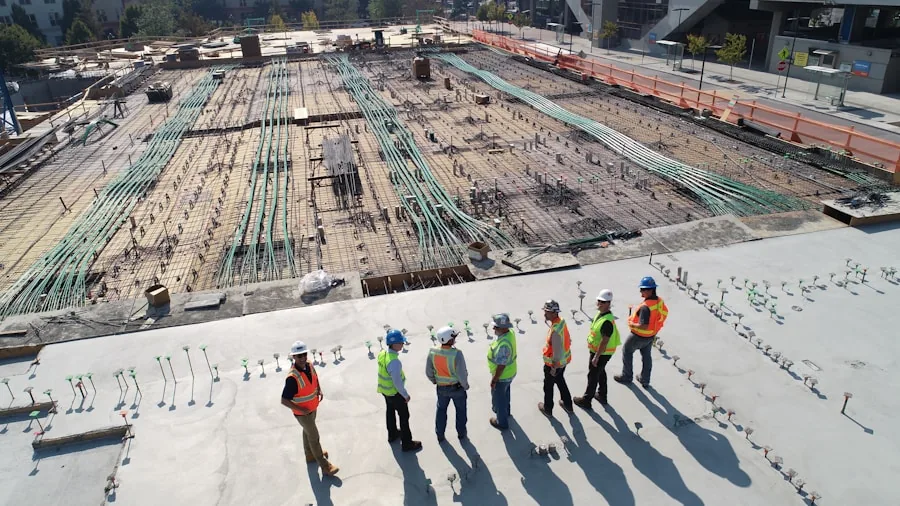
A contractor can transition a business to new ownership in several ways. Some sell to a family member or key employee who has been part of the team for years. Others bring in an outside buyer with construction industry experience. An emerging model involves selling to employees collectively through structures like worker-owner cooperatives, employee stock option plans (ESOPs), or employee ownership trusts (EOTs).
The technical paperwork for an ownership transition typically takes six to 24 months to finalize. However, the behind-the-scenes work to prepare a company for sale can span two to 10 years, depending on the model chosen and the current state of the business. This preparation phase is not wasted effort, though. The same work required to make a contractor’s business sale-ready also makes it more profitable, more efficient, and less stressful to run in the present day.
What This Means for Homeowners
When a contractor invests in transition planning, your home project benefits directly. A business being prepared for new ownership typically demonstrates consistent profitability, accurate financial reporting, predictable workflows, and well-documented systems. These characteristics mean fewer delays, clearer cost estimates, and smoother project execution for homeowners.
Additionally, when a contractor builds a company that doesn’t depend entirely on the owner’s personal involvement, it creates redundancy and reduces single points of failure. Project managers, site supervisors, and teams can operate with confidence and clarity. This structural strength protects homeowners by ensuring that projects continue on schedule and that decisions don’t get bottlenecked by waiting for the owner’s approval.
Evaluating Your Contractor’s Future

When you’re selecting a contractor, you can ask subtle questions that reveal whether they’ve thought about long-term sustainability. How long has the business been operating? Does the owner still personally oversee every job, or has leadership been distributed among team members? Are there documented processes and standard operating procedures in place? Does the company invest in training and developing junior staff?
These questions aren’t about being nosy, they’re about understanding whether you’re hiring a one-person show or a resilient organization. A contractor approaching retirement who has built a strong team and systems in place is often a safer bet than one who hasn’t planned ahead. If the business transitions smoothly under new ownership, that continuity benefits future homeowners in your area as well.
The Broader Impact on Your Options
When contractors successfully plan ownership transitions, the entire local construction ecosystem becomes more stable. Fewer businesses close prematurely, experienced teams stay intact, and knowledge gets transferred rather than lost. This stability means more qualified contractors available to homeowners, better pricing competition, and a healthier trades community overall.
If you’re planning a major renovation, asking your contractor about their long-term vision and whether key team members are staying on can provide valuable insight into the stability of your partnership. A contractor who has invested in building a sustainable business, clear processes, and developed team leadership is signaling that they take their obligations seriously, both now and into the future.
Understanding contractor succession planning also helps you appreciate why hiring an established firm with structured operations might cost slightly more upfront than a solo operator. That premium often reflects the stability, experience, and continuity that protect your investment and ensure your project gets completed to standard regardless of personnel changes.





Write Your Review
No reviews yet. Be the first to share your experience!