


A significant shift in how Craftsman distributes its products is now underway, with the brand moving to sell tools directly through Lowe’s marketplace rather than relying solely on traditional retail shelf space. This change marks an unusual strategy move that carries real implications for how and where consumers can find Craftsman hand tools and accessories.
The Direct Sales Model at Lowe’s
Craftsman, owned by Stanley Black & Decker, has begun listing products on Lowe’s marketplace with a critical distinction: these items are marked as “sold and shipped by Stanley Black & Decker” rather than stocked by Lowe’s as a traditional retailer. This direct-to-consumer approach through a third-party marketplace is uncommon in the power tool industry and signals a fundamental change in Craftsman’s distribution strategy.
Recent product listings reveal professional-grade retaining ring pliers and other hand tools now available through this channel. The marketplace setup means shoppers can find these items on Lowe’s website and app, but they are fulfilled directly from Stanley Black & Decker’s operations rather than local store inventory.
What This Means for Your Shopping Experience
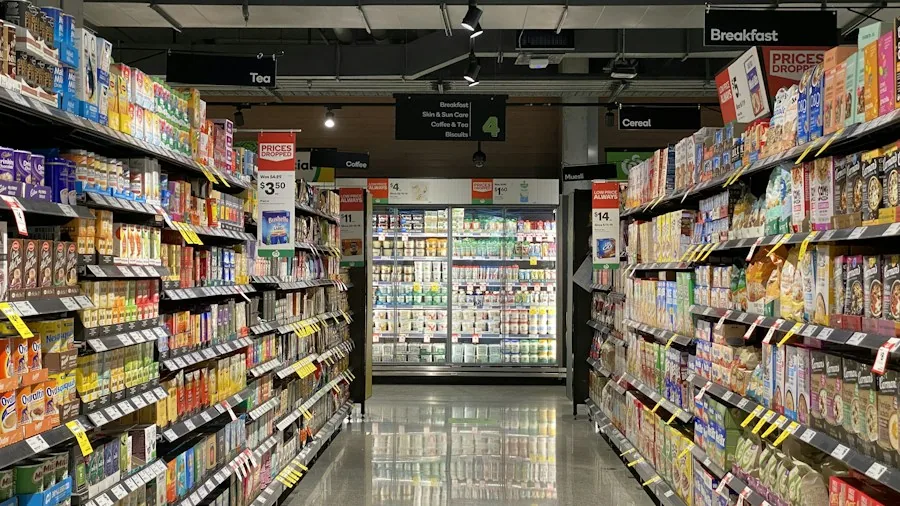
This shift has several practical effects on consumers. First, product availability expands beyond what’s physically stocked in your local Lowe’s store. If a specific Craftsman tool isn’t on the shelf, you can potentially order it through the marketplace and have it shipped to your home. Second, pricing and promotions may differ between Lowe’s marketplace offerings and in-store products, so comparison shopping becomes more important.
Third, the direct fulfillment model means Craftsman maintains greater control over inventory and can launch new products more rapidly without needing to coordinate extensively with Lowe’s distribution centers. This explains why marketplace listings sometimes appear before traditional retail channels receive stock.
However, shoppers should note that this model can complicate returns and exchanges. Products bought through the marketplace typically process returns through Stanley Black & Decker’s customer service rather than Lowe’s return desk, which may involve additional steps or different policies.
The Broader Context for Craftsman
This marketplace expansion arrives during a complex period for the Craftsman brand. Craftsman has been exploring new business partnerships and collaborations to reach different customer segments, though these efforts haven’t all aligned with the brand’s traditional professional positioning. The appearance of products labeled “Professional” in recent listings has raised questions about whether Craftsman is clearly identifying its target audience, particularly given the brand’s current focus on consumer and DIY markets rather than demanding professional users.
Additionally, Craftsman’s manufacturing footprint has contracted significantly. The brand has closed domestic hand tool production facilities in recent years, with many current products now manufactured using a mix of USA and global sourcing. This shift in production naturally requires adjusted distribution methods to maintain profitability.
How Craftsman Compares in the Marketplace

New Craftsman offerings like retaining ring pliers share design similarities with established competitor products such as Channellock snap ring pliers. Quality and performance differences may be minimal, making price and availability key differentiators for consumers choosing between brands. The marketplace model allows Craftsman to compete more directly on price by reducing intermediary markups.
Craftsman’s product range has expanded beyond traditional hand tools into outdoor power equipment, demonstrating the brand’s attempts to diversify revenue streams. The marketplace strategy supports this broader portfolio approach.
What Shoppers Should Do Now
If you regularly purchase Craftsman tools, familiarize yourself with the Lowe’s marketplace interface and how direct fulfillment orders work. Read product descriptions carefully to confirm items are what you need, since marketplace listings occasionally contain variations in specifications compared to traditional retail versions.
Monitor pricing on Craftsman tools across multiple channels including Amazon and specialty tool retailers. The marketplace model may create opportunities for better deals, but it also means less standardized pricing across channels. Look for specialty Craftsman products like storage solutions that may only be available through specific channels.
Finally, keep your receipts and take photos of product condition upon arrival, since marketplace returns may require more documentation than in-store purchases.





