

Dryer Vent Blockages Are a Serious Hazard More Homeowners Need to Know About
As temperatures drop and you transition to heavier clothing and layered bedding, your dryer is working overtime. What many shoppers don’t realize is that these seasonal items generate significantly more lint than lighter fabrics, creating the perfect conditions for dangerous buildup inside your dryer vent system. Home care experts now emphasize that fall is the critical time to address this often-overlooked maintenance task before winter sets in.
The dryer vent, or the duct system that channels hot air and lint from your machine to the outside, becomes increasingly compromised as lint accumulates over months of use. Unlike the lint trap you clean after each cycle, the vent itself rarely receives attention until problems emerge. This oversight can have serious consequences for both your home’s safety and your wallet.
Why Lint Buildup in Your Dryer Vent Creates Real Risk

According to laundry maintenance specialists, the dangers of a blocked dryer vent fall into two critical categories. First, restricted airflow forces your dryer to work harder and run hotter than it should. This inefficiency means longer drying times, higher energy bills, and accelerated wear on internal components that can shorten your appliance’s lifespan.
The second concern is far more serious: lint is highly combustible. When excessive lint accumulates inside the vent, the combination of heat, moisture, and an obstruction creates a genuine fire hazard. Restricted airflow also means your dryer maintains elevated temperatures longer, compounding the risk. The good news is that regular maintenance prevents these problems entirely.
How Often Your Dryer Vent Needs Cleaning
Home care professionals recommend cleaning your dryer vent at minimum once per year. If you use your dryer frequently, wash multiple loads weekly, or have a long or complex vent system that winds through walls or attic spaces, you may need to clean it two or three times annually. Understanding your specific setup and usage patterns helps you establish the right schedule for your household.
Don’t wait for symptoms to appear. Many homeowners assume their dryer is fine because it still runs, but lint can accumulate gradually behind the scenes. However, you should absolutely act immediately if you notice warning signs. These include clothes taking noticeably longer to dry than they used to, the exterior of your dryer becoming unusually hot during operation, or weak airflow coming from the outdoor exhaust vent. Also check the vent opening on the outside of your home periodically for leaves, nests, or debris blocking the opening.
DIY Cleaning vs. Calling a Professional
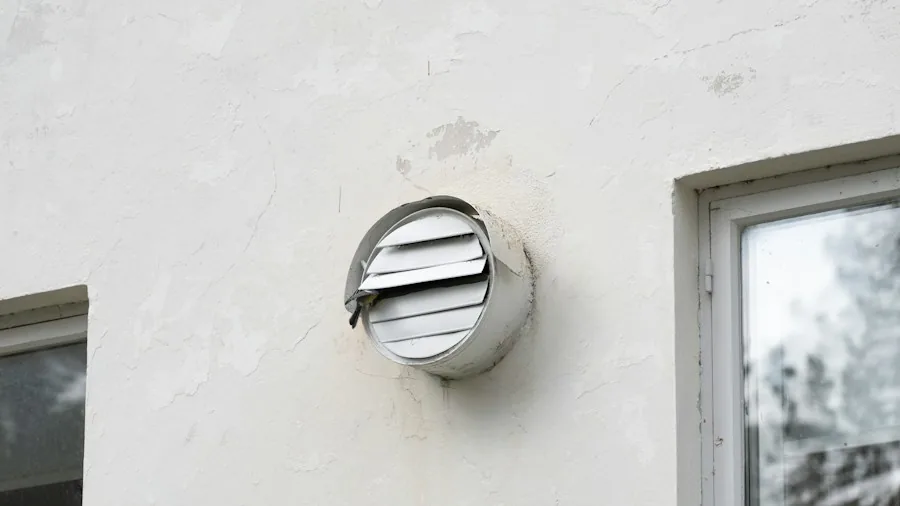
Some homeowners can tackle this task themselves if they have short, easily accessible vents. The process involves unplugging your dryer, disconnecting the duct from the back of the machine, and using a vacuum with an attachment or a specialized dryer vent brush to remove accumulated lint. You’ll want to inspect the duct itself for visible buildup and ensure all connections are secure when you reattach everything. Always consult your specific dryer’s manual for any model-specific precautions or instructions before you start.
For longer duct runs, complex configurations, significant blockages, or any situation where a gas line needs to be disconnected, professional cleaning is the safer choice. Professionals have specialized tools that reach sections of your vent system you cannot access, and they can identify obstructions that aren’t immediately visible. This investment protects both your safety and your appliance. Understanding how modern dryer technology functions can also help you better maintain your equipment.
Build Sustainable Dryer Maintenance Habits
After your annual vent cleaning, the key to preventing future problems is consistency with small, simple tasks. Remove lint from the lint trap after every single load, without exception. This is the easiest and most important habit you can adopt. About once monthly, visually inspect your outdoor vent opening to make sure nothing is blocking the airflow.
Combining these routine habits with your annual professional or DIY vent cleaning keeps your dryer running at peak efficiency and eliminates fire risk. This preventive approach saves money on energy costs and extends your dryer’s operational life by reducing unnecessary heat stress on the machine. Learning about dryer-related household efficiency tricks can help you maximize other aspects of your home care as well.
This fall, add dryer vent cleaning to your seasonal maintenance checklist. The task takes a few hours at most, costs less than emergency repairs or replacement, and delivers measurable improvements in safety and performance. Don’t let lint buildup compromise your home or your appliance’s reliability.





