
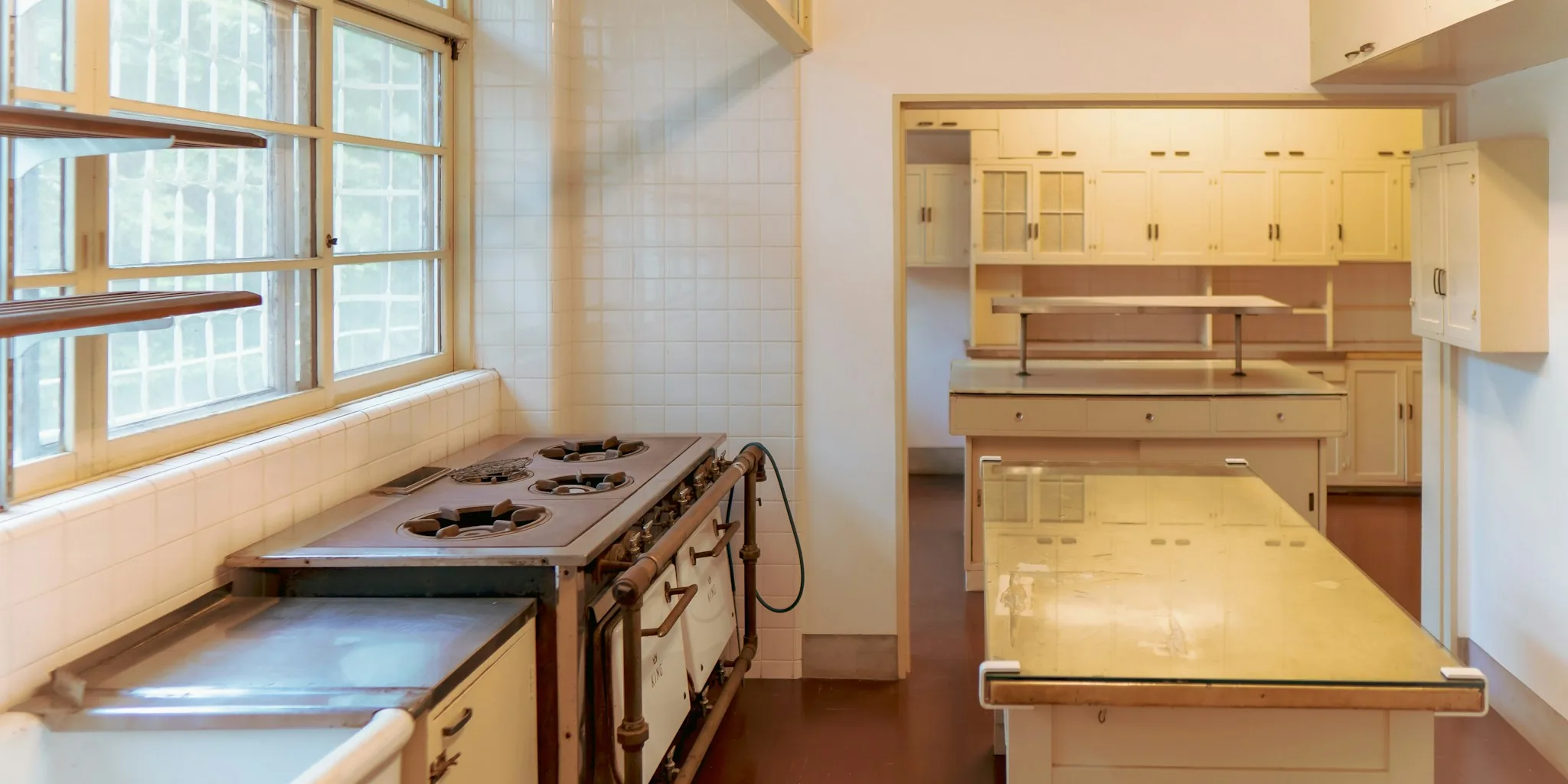

When homeowners take on a renovation of an early 1900s home, the goal often extends beyond simple modernization. The challenge becomes honoring the original design language while introducing contemporary comfort and functionality. A recent Portland, Oregon kitchen and pantry overhaul demonstrates exactly how thoughtful planning can achieve this balance, and offers valuable lessons for anyone considering similar work on older homes.
Understanding the Renovation Challenge in Period Homes
Older homes, particularly those built in the Craftsman era around 1902, carry distinctive architectural details and proportions that define their character. However, earlier renovation efforts sometimes introduced mismatched materials and design choices that clash with the home’s original intent. In this case, a circa 2000 remodeling had left behind black-and-white granite counters and travertine-look porcelain flooring that felt disconnected from the house’s authentic aesthetic. The kitchen layout itself created workflow problems, with an oversized center island that made cooking for more than one person awkward and cramped.
Beyond aesthetics, functional issues plagued the space. The powder room door opened directly into the kitchen near the sink, creating both privacy concerns and an awkward visual connection. These kinds of problems are common when older homes are updated without regard for their original design principles.
Smart Layout Changes That Preserve Character
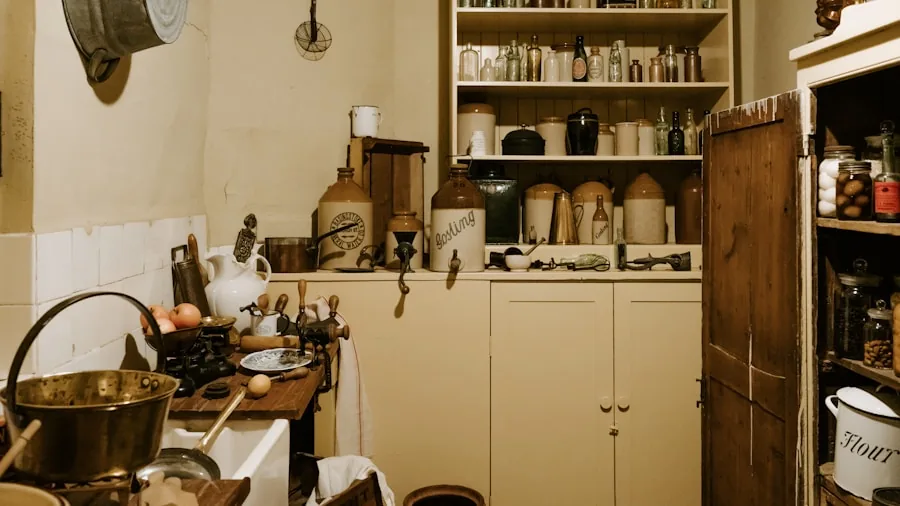
The renovation solution involved relocating the powder room entrance to the pantry, creating a more indirect and dignified pathway. This single change improved kitchen circulation dramatically and opened space for a new peninsula dedicated to food preparation and casual seating. The redesign shows how you can solve modern functional problems while respecting a home’s historical bones.
The use of white-oak flooring blended with original hardwoods found throughout the home created visual continuity. Stacked upper cabinets took full advantage of the home’s characteristically high ceilings. The millwork details were painstakingly replicated, including stained fir and V-groove wainscot that echoed original period features. A dramatic soapstone countertop became the visual anchor for the entire kitchen.
Custom Details That Add Authenticity
Leaded-glass transoms in a circa 1910 design pattern were custom crafted and installed above doorways between rooms. These windows not only matched the home’s historical appearance but also brought additional natural light into the space. The homeowners identified these transoms as their favorite feature, demonstrating how investing in historically appropriate custom details can deliver both visual and practical benefits. When planning a renovation, consider which custom elements will have the greatest impact on your daily experience and the home’s long-term appeal.
The pantry received special attention as well, painted in a soft blue-green tone that shifts subtly with changing light throughout the day. This color choice felt period-appropriate while still feeling fresh and contemporary. The pantry serves double duty as expanded kitchen storage and includes a bar setup with an undermount beverage fridge. An appliance garage tucked seamlessly into the ceiling-height cabinets keeps small appliances accessible but hidden from view.
Practical Considerations for Your Own Renovation
If you are undertaking a kitchen renovation in an older home, think carefully about traffic flow and how rooms connect to one another. Poor planning in structural or layout changes can create costly issues down the road, so professional design guidance is worthwhile. Pay attention to ceiling heights, original trim profiles, and hardwood flooring styles when selecting new materials.
Choosing fixtures and hardware that reflect the era of your home does not mean compromising on function. Modern undermount sinks offer deep basins and easy cleaning. Contemporary brass latches can be authentic reproductions of vintage designs. When selecting appliances, look for styles and finishes that complement rather than compete with historical details. Proper planning and the right tools make complex renovations more manageable, and working with designers experienced in period homes ensures your investment enhances both the home’s character and your quality of life.
Wallpaper choices, lighting fixtures, and hardware finishes all contribute to the overall success of an early-era home renovation. Art Deco sconces work beautifully in homes from the 1900s through 1920s periods. Playful wallpaper patterns that honor period design sensibilities add personality without feeling forced or theme-based. Thoughtful sourcing of period-appropriate or historically inspired products transforms a renovation from a simple update into a cohesive, authentic restoration that respects the home’s heritage while meeting today’s living standards.



Write Your Review
No reviews yet. Be the first to share your experience!