
Frozen Bathroom Pipes: A Free Prevention Method Every Homeowner Should Know
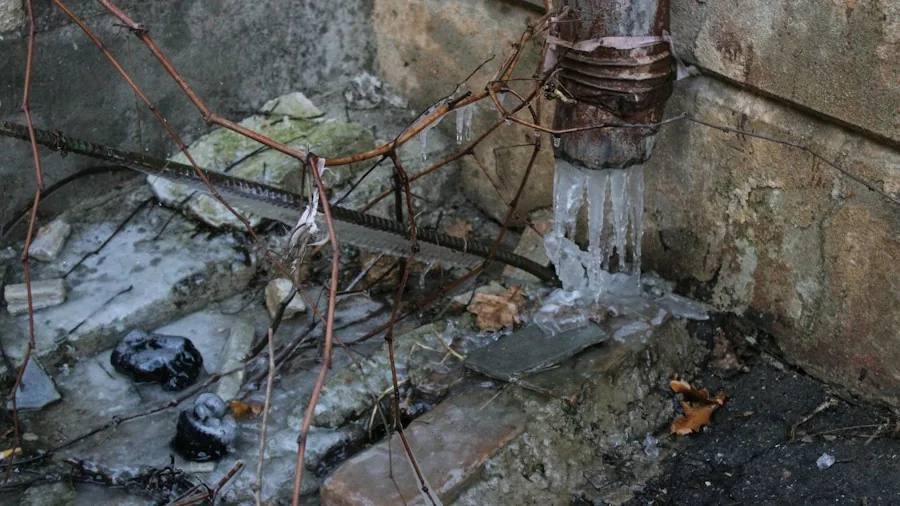
Homeowners in cold climates face a seasonal challenge that can lead to expensive repairs: frozen pipes. When water inside pipes freezes during extended periods of subfreezing temperatures, it expands and can crack or burst the pipe itself. The cost of repairing or replacing damaged plumbing can easily reach thousands of dollars, making prevention a smart investment of time and effort. Fortunately, there is one simple, zero-cost strategy that can significantly reduce the risk of frozen bathroom pipes during winter months.
How Quickly Can Bathroom Pipes Freeze?
Understanding the timeline of pipe freezing helps you act proactively. The speed at which water freezes inside a pipe depends on several factors, including outdoor temperature, the quality and amount of insulation around the pipes, and the material of the pipe itself. An uninsulated copper pipe sitting in a space that reaches 25 degrees Fahrenheit might freeze within four to six hours, while a well-insulated pipe in the same conditions could take 12 to 16 hours to freeze. Pipes in unheated areas like crawl spaces, attics, and garages are especially vulnerable. Indoor bathroom vanities, which may contain uninsulated supply lines, can also be at risk if cabinets are kept closed during a cold snap.
The Free Fix: Open Your Cabinet Doors
The most effective and least expensive way to protect your bathroom’s indoor plumbing is surprisingly simple. When freezing temperatures are forecast in your area, open the doors to cabinets that house plumbing fixtures, particularly under bathroom sinks. This action allows the warmer indoor air circulating throughout your home to flow inside the cabinets and around the pipes. By exposing the pipes to this warmth, you can dramatically lower the risk of water freezing and expanding inside them. If you want to see the difference this makes, check the temperature underneath your vanity sink on a cold day and compare it to the temperature in other parts of your bathroom. You will likely notice that the cabinet area is noticeably colder when doors are shut, and noticeably warmer when they are open.
Additional Prevention Strategies for Winter
While opening cabinet doors is free and effective, combining it with other approaches creates a more comprehensive defense against frozen pipes. Let your bathroom faucet drip slowly once outdoor temperatures drop below freezing. This keeps water moving through the pipes, which significantly reduces freezing risk and helps restore water flow if ice does begin to form. Keep your home’s thermostat set to at least 68 degrees Fahrenheit during winter weather events. This maintains comfortable indoor temperatures for your household while also keeping pipes warm enough to prevent freezing. When it comes to bathroom storage and organization, boho hooks and wall-mounted organizers can help you manage items normally stored in under-sink cabinets, making it easier to keep those doors open without creating clutter.
Recognizing Signs of Frozen or Burst Pipes
Know what to watch for if temperatures drop significantly in your area. Little to no water flowing from your bathroom faucet after a cold spell is the most obvious sign. You might also notice condensation or frost forming on the surface of visible pipes, or detect an unpleasant odor like sulfur coming from your plumbing. In more severe cases, you may see the pipe itself cracking or bulging outward. If you suspect your pipes have frozen but are not yet damaged, you can thaw them using a hairdryer, warm towels, or heating pads. Never use an open flame to warm pipes, as this creates a serious fire hazard. If pipes actually burst and water begins leaking, immediately shut off the main water supply valve to your house and call a licensed plumber for repairs.
Planning Ahead for Winter Weather
Preparation during mild weather prevents problems when temperatures drop. Before winter arrives, consider storage solutions that free up cabinet space so you can easily open vanity doors when needed. Inspect any visible pipes in your bathroom, basement, or garage and add insulation if needed. Check that outdoor spigots have foam covers and that hoses are drained and stored. When a cold front is forecast, remember to take these simple indoor steps: open bathroom cabinet doors, let faucets drip slightly, and maintain your thermostat at a comfortable temperature. This combination of preventive measures costs nothing or very little but can save you thousands in emergency plumbing repairs.