


Modern Ceiling Fans Bring Industrial Design Home
If your home features exposed brick, steel beams, or metal accents, you likely appreciate the raw, authentic aesthetic of industrial design. A new wave of ceiling fans now offers homeowners the chance to upgrade their spaces while staying true to this distinctive style. These fixtures combine practical air circulation with eye-catching design elements that make them stand out as room focal points rather than blend into the background.
The appeal of industrial-style ceiling fans goes beyond mere decoration. These units typically feature exposed components like light bulbs, wiring, and metal cages that echo the unfinished, machinery-inspired look that defines the industrial movement. Rather than hiding these elements, contemporary fan designs celebrate them as part of the aesthetic. This approach means you’re getting a functional appliance that simultaneously serves as a statement piece in rooms with exposed architectural features.
What Makes Industrial Ceiling Fans Stand Out
When evaluating ceiling fans for every room, quiet and efficient options abound, but industrial models take a different approach. These fans typically measure around 20 inches in diameter and come finished in moody, sophisticated colors like black, deep walnut, and charcoal tones. The blade finish and frame color complement common industrial design palettes that incorporate burgundy, forest green, and brown accents throughout a home.
The construction materials matter significantly. Look for fans featuring wire cages around the blades, which serves both form and function. The cage protects the fan blades from impact damage while contributing to the industrial visual impact. Exposed LED light bulbs arranged around the base provide ambient lighting without requiring additional overhead fixtures. Four evenly spaced bulbs ensure balanced light distribution across your space.
Placement Strategy for Maximum Impact
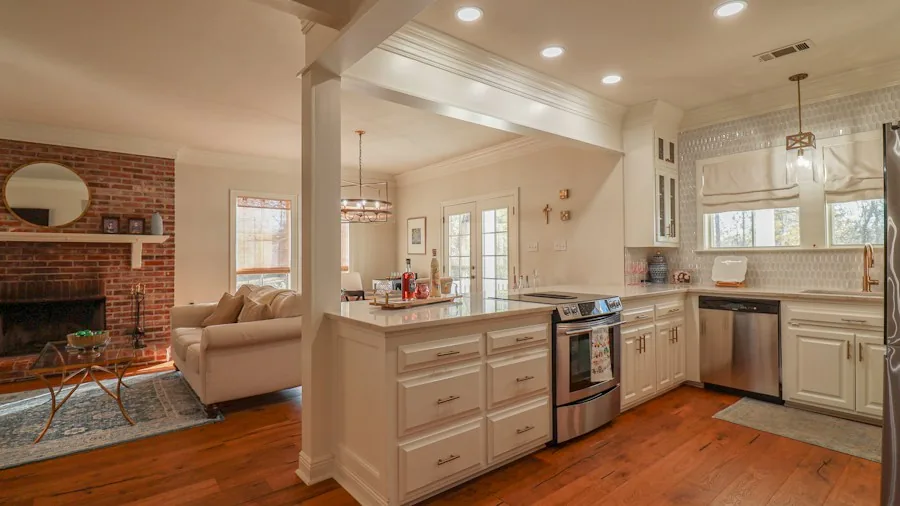
Size and placement determine whether an industrial ceiling fan becomes a true focal point or simply fades into the ceiling. At nearly two feet across, these fans are substantial enough to command attention. Consider hanging one in a kitchen with stainless steel appliances, where the black metal cage and walnut-toned blades complement modern cooking equipment. Alternatively, position a fan near a brick fireplace in your living room to create visual harmony between the fan’s raw materials and your room’s architectural features.
Ceiling beams offer another excellent placement option. If your home features exposed wooden or steel beams, an industrial ceiling fan positioned near these structural elements creates a cohesive design statement. The key is using the fan as an anchor point that ties together your room’s existing design elements rather than treating it as an afterthought.
Coordinating with Other Lighting Fixtures

An industrial ceiling fan functions as your room’s ambient light source, handling general illumination. However, a well-designed space requires three layers of lighting: ambient, task, and accent. This means your industrial fan should work in concert with other light fixtures you select.
When choosing complementary pieces, avoid fixtures that compete with your ceiling fan for visual prominence. Instead, select accent lighting that either contrasts with or repeats the fan’s design elements. For example, outdoor ceiling fans worth installing on your patio or porch showcase similar principles, and the same coordination strategy applies indoors. A table lamp featuring exposed bulbs and visible wiring echoes the ceiling fan’s design vocabulary through repetition. Alternatively, steampunk-inspired accent pieces like gear-shaped wall sconces create visual contrast while maintaining stylistic harmony.
This intentional layering of design elements ensures your industrial ceiling fan remains the star of the show. Rather than competing for attention, your other fixtures enhance and support the fan’s aesthetic impact.
Practical Benefits Beyond Style
Industrial ceiling fans aren’t solely about appearance. These units deliver practical functionality for homeowners seeking both style and performance. The LED light bulbs integrated into most industrial models use less energy than traditional incandescent options, reducing electricity costs. The fan mechanism handles air circulation efficiently, making these fixtures suitable for rooms of various sizes.
When shopping for low-profile ceiling fans for rooms where style meets airflow, remember that industrial options provide genuine value beyond their visual appeal. You’re investing in a fixture that circulates air, provides light, and enhances your interior design simultaneously. This multifunctional approach makes industrial ceiling fans a smart choice for anyone committed to creating a cohesive home design that doesn’t compromise on functionality or aesthetics.
Take time to evaluate your space’s architectural features and existing color palette before making a purchase decision. The best industrial ceiling fan is one that complements your home’s unique characteristics while meeting your practical needs for lighting and air movement.





