
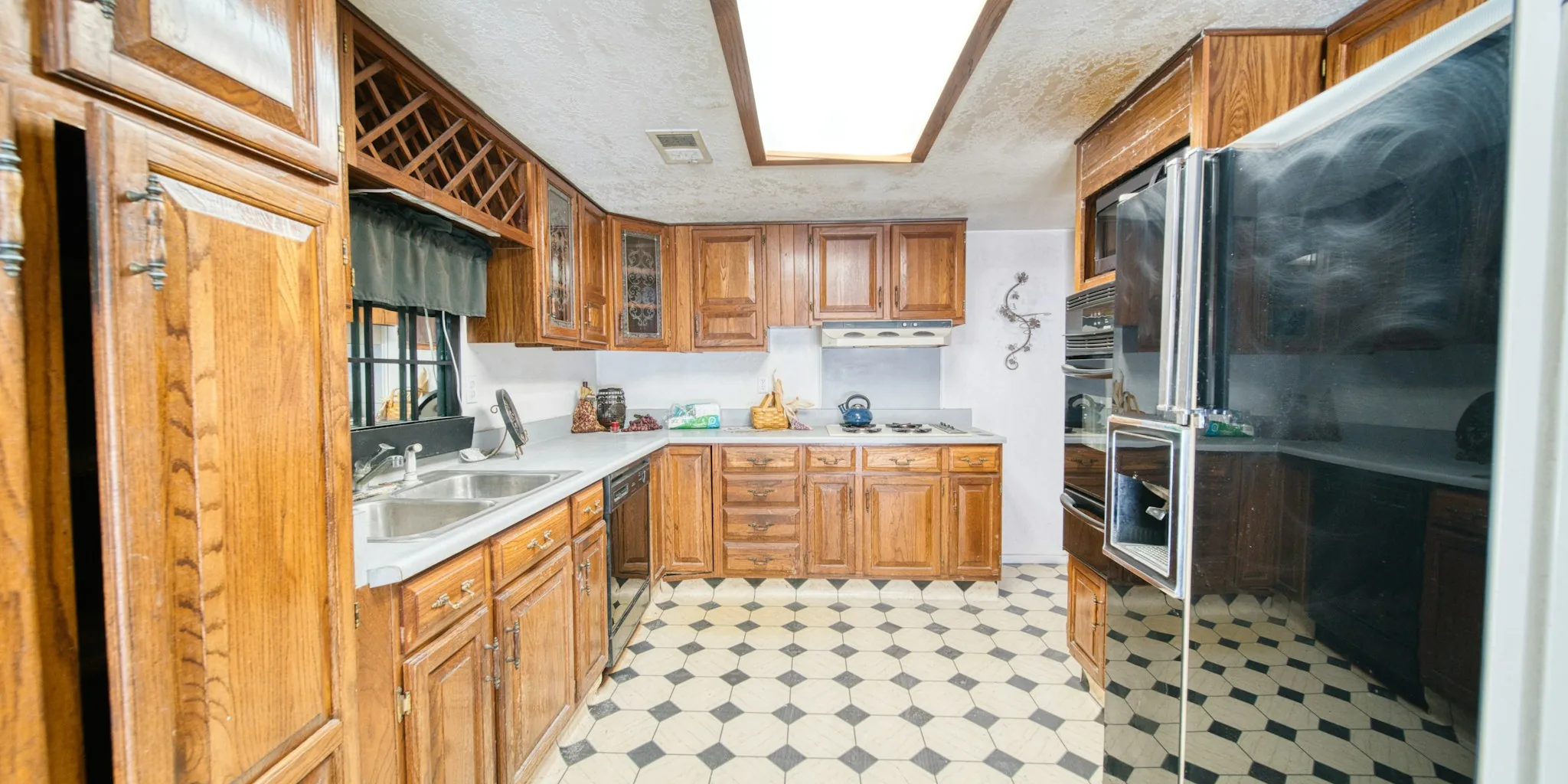

When it comes to updating an older kitchen, homeowners often face a tough choice: go completely modern or preserve the vintage charm of the space. A recent kitchen transformation in Los Angeles shows that you don’t have to pick one or the other. A 1906 Craftsman home received a thoughtful renovation that honors the aesthetic of the 1930s and 1940s while delivering the functionality today’s busy families need.
The Challenge of Honoring History While Adding Modern Convenience
The homeowner, a singer in an internationally recognized swing band, had owned her 1000-square-foot house for over 18 years. She wanted her kitchen updated and brightened, but she also wanted the space to reflect her deep love for the design era she cherishes. Working with an interior designer, the goal became clear: refresh the kitchen to work better for her family of four without erasing the personality and period details that made the home special.
This approach reveals an important lesson for kitchen shoppers. Rather than defaulting to stark, modern minimalism, you can strategically layer in vintage-inspired design elements that make your kitchen feel like it belongs to you. The key is being intentional about what stays, what goes, and what gets reimagined.
Custom Cabinetry Set the Foundation
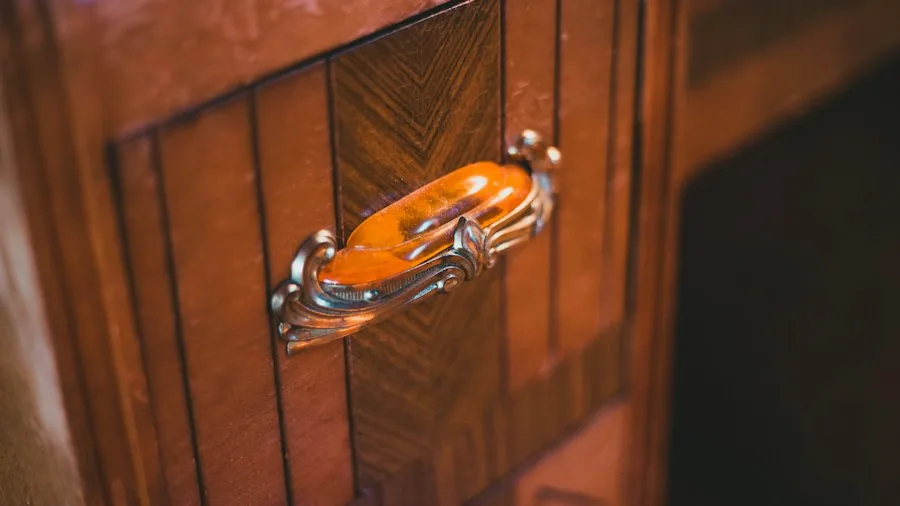
The centerpiece of the renovation was custom cabinetry designed to match 1930s and 1940s styling. The cabinets featured inset doors and drawers with exposed hinges, period-accurate details that immediately signal the era without feeling like a museum display. Built-in eating areas, popular during those decades, were incorporated to maximize seating in the compact kitchen.
For shoppers planning their own updates, this demonstrates how cabinetry choices shape an entire room’s personality. Modern conveniences like the microwave and coffee maker were hidden behind cabinet doors and panels, allowing the kitchen to feel authentically vintage while remaining practical. This strategy works whether you’re building custom pieces or shopping for off-the-shelf options that echo vintage proportions and hardware styles.
Authentic Vintage Pieces Brought It All Together
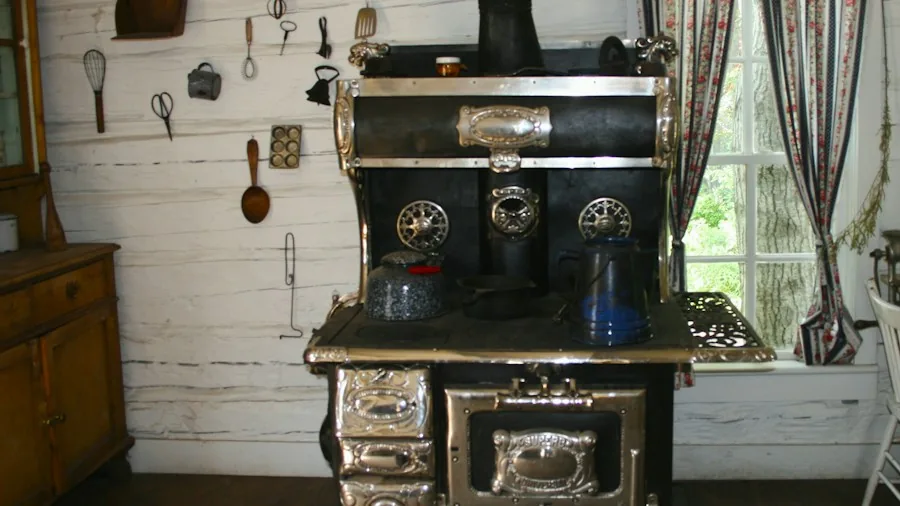
Where the design truly came alive was through the use of genuine vintage elements. The kitchen features wallpaper authentic to the 1940s era, instantly establishing the time period throughout the space. But the real showstopper is a refurbished vintage stove from the late 1920s, which became the focal point of the entire kitchen.
Incorporating actual vintage pieces like a classic stove offers shoppers several advantages. Beyond aesthetics, quality vintage appliances are often built more durably than newer models. A restored vintage stove becomes a conversation starter and a functional centerpiece. If you’re interested in adding vintage flair to your kitchen, consider sourcing authentic pieces through decluttering strategies that free up display space to showcase these treasured items.
Smart Layout Changes Made All the Difference
Fitting four people comfortably in a small kitchen required more than just aesthetic choices. The design team reconfigured the layout by relocating a doorway and moving plumbing to the opposite wall. This structural work represented the biggest challenge of the project, but it was essential for creating usable, functional space.
For shoppers considering a kitchen update, this highlights an important reality: sometimes the most impactful improvements involve the bones of the space, not just the finishes. If your kitchen layout doesn’t serve your family’s needs, no amount of pretty details will make it functional. Smart planning upfront saves frustration later. Combined with thoughtful storage solutions like pull-out organizers that simplify storage, even a compact kitchen can work hard for your household.
Key Takeaways for Your Own Kitchen Project
This renovation demonstrates several principles worth considering for your own kitchen plans. First, your kitchen can reflect your personality while remaining completely functional. Second, mixing authentic vintage elements with practical modern solutions creates spaces that feel both timeless and livable. Third, strategic layout changes sometimes matter more than surface-level updates.
Whether you’re drawn to 1940s style or any other era, the lesson here is that thoughtful design honors both the home’s history and your family’s actual needs. Start with your vision, invest in quality pieces that will last, and don’t shy away from structural changes if they unlock better functionality. The result is a kitchen that feels authentically yours, works beautifully for daily life, and tells a story about who you are.





