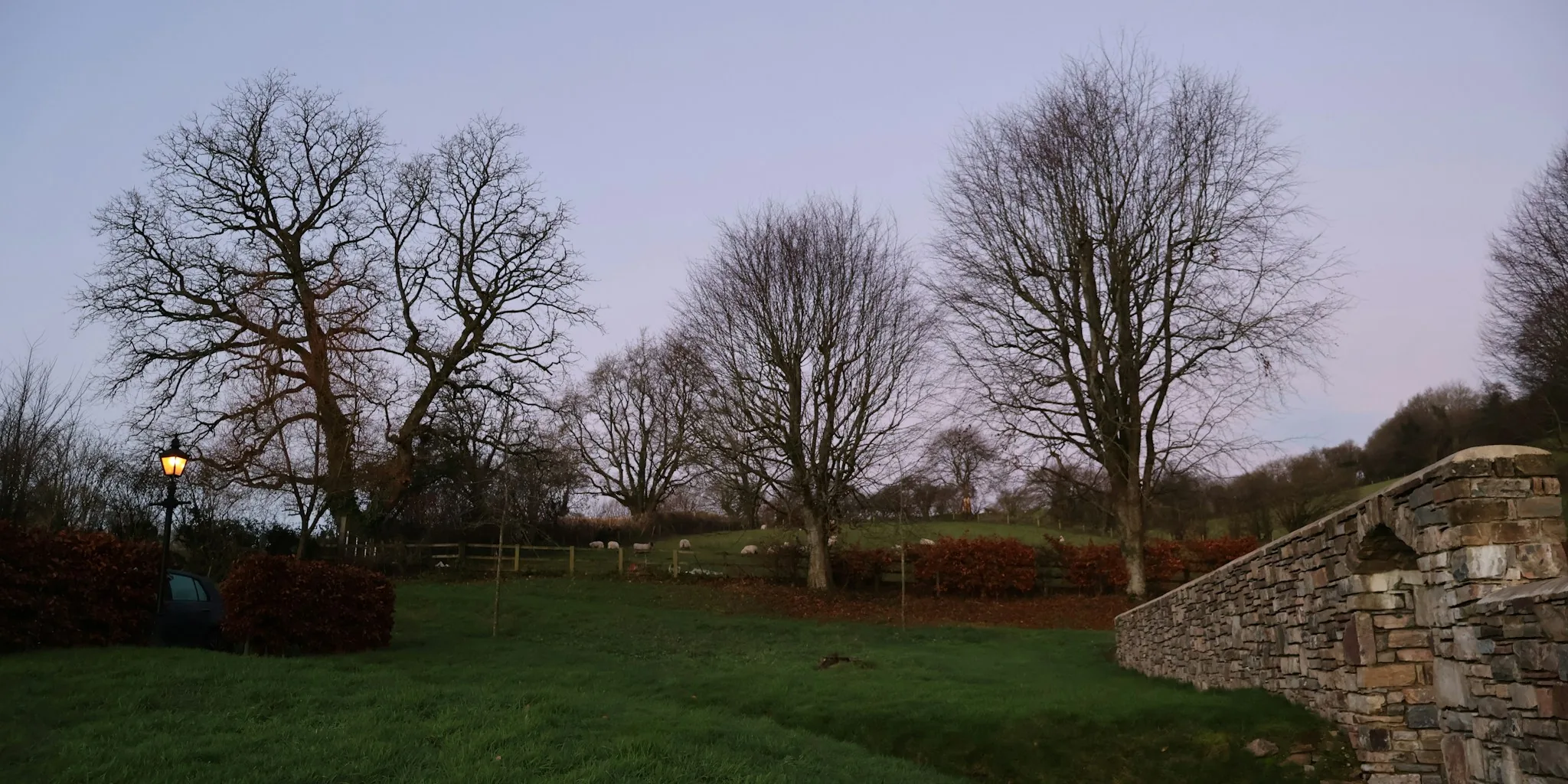

After sunset, even the most carefully landscaped retaining walls fade into darkness, losing all the visual appeal you worked hard to create. Traditional outdoor spotlights tend to cast harsh, unflattering light that doesn’t do much to enhance stonework or create a welcoming atmosphere. If you’re looking for a better way to illuminate your backyard after dark, discrete landscape lighting options can make a meaningful difference in both aesthetics and functionality.
The challenge with standard outdoor lighting is placement and intensity. Most conventional spotlights sit at ground level and shine upward, creating glare and dramatic shadows that don’t flatter architectural features like retaining walls. What homeowners really need is a softer, more directed approach that highlights stonework while maintaining an inviting ambiance. Low-profile LED fixtures designed specifically for this purpose offer a solution that blends seamlessly into your hardscape design.
How Specialized Retaining Wall Lights Work
Modern LED retaining wall lights mount directly into or beneath capstones, creating a clean, integrated look. These fixtures sit low enough to be nearly invisible during daylight but deliver focused downward illumination after dark. A well-designed unit produces enough brightness to soften and accent stonework without creating harsh pools of light. The 95-degree downward beam angle ensures light spreads across the wall surface rather than spilling outward into people’s eyes, which is especially important if your retaining wall runs alongside walkways or stairs.
These lights require a low-voltage transformer to operate safely, which converts standard household electricity into the lower voltage the fixtures need. This transformer setup means you’ll need landscape lighting cable running to your fixtures, which adds to installation complexity but ensures proper power delivery and safety. The weatherproofing standards matter significantly for outdoor use. Look for fixtures rated IP65 or higher, which means they’ll withstand moisture, dust, and temperature fluctuations without failing. Stainless steel mounting components resist corrosion better than standard materials, extending the lifespan of your investment.
Planning Your Installation for Maximum Impact
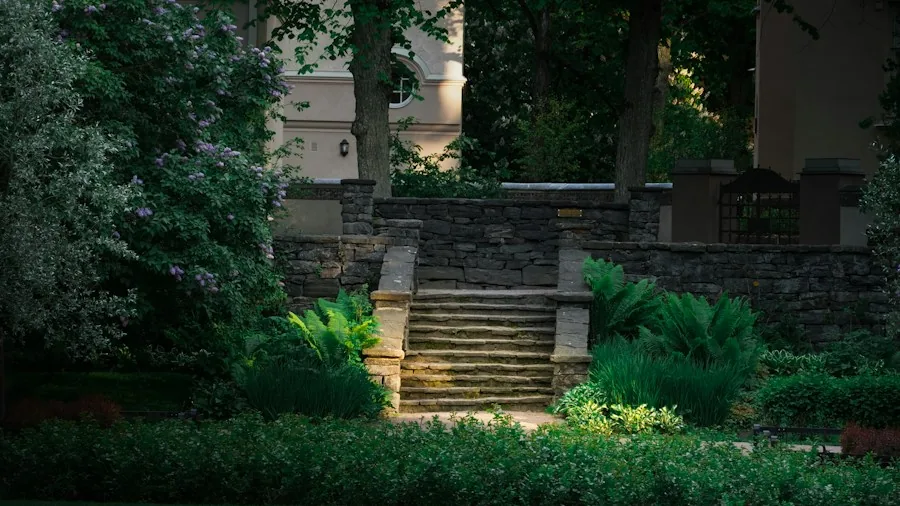
Before you purchase any fixtures, measure your retaining wall carefully and use painter’s tape to mark potential light positions. This test phase is crucial because spacing matters enormously. Placing fixtures too close together creates unattractive bright spots rather than a soft, continuous wash of light. Temporarily secure the lights and evaluate them after dark, watching how the beam falls across the stonework and adjacent pathways.
Calculate your total wattage before buying a transformer. A 12-pack of LED retaining wall lights, for example, might draw 36 watts combined. You don’t want to max out your transformer’s capacity. Industry best practice suggests keeping your total load at no more than 80% of the transformer’s rated capacity, which gives you room for future expansion. In that scenario, a 50-watt transformer would provide 40 watts of usable capacity. If you think you’ll add more outdoor lighting later, size up from the start.
You aren’t limited to installing lights in a single uniform row. Modern outdoor lighting trends favor strategic placement that highlights specific areas rather than flooding everything with equal brightness. Highlight one or two attractive wall sections, frame a seating area, or accent a fire pit. On terraced or staggered walls, illuminating different levels creates visual interest and emphasizes the landscape’s architectural qualities. For contemporary block walls with uniform surfaces, evenly spaced fixtures deliver a cleaner, more polished appearance.
Expanding Your Options Beyond Traditional Fixtures
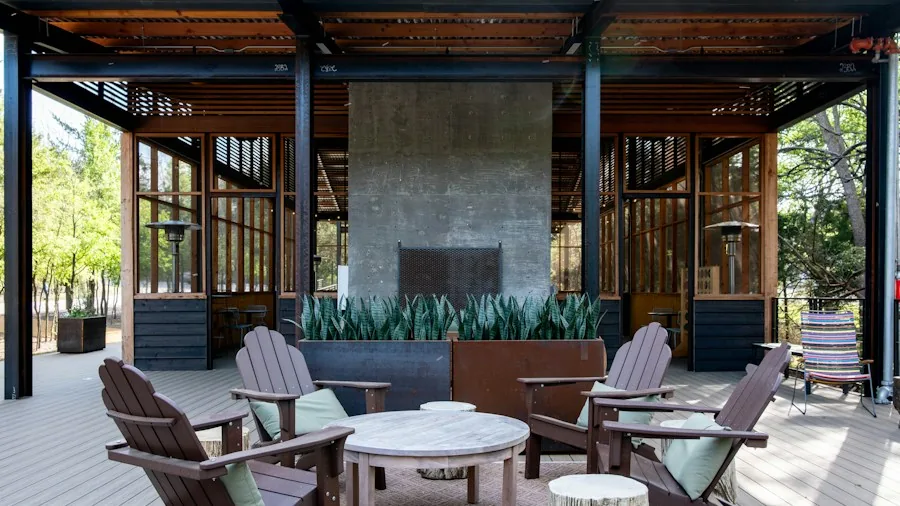
Retaining wall lights work best when you have an overhanging ledge or capstone to mount them under. If your wall lacks removable caps, consider outdoor-rated LED strip lighting instead. These flexible strips install just underneath a wall cap and create a continuous line of illumination rather than individual light pools. The minimalist lighting aesthetic has gained popularity in recent years, emphasizing subtle ambiance over bright visibility.
Solar-powered wall lights offer another alternative if you want to avoid running cables through your landscape. These fixtures charge during the day and illuminate at night, though they require consistent direct sunlight to maintain charge through evening hours. If safety around steps and transitions is your primary concern, dedicated recessed step lights provide focused illumination exactly where people need it.
Creating Cohesive Outdoor Lighting Design
Color temperature consistency matters when mixing different fixture types. Warm white and cool white lights in the same space create a jarring, disjointed appearance that feels chaotic rather than intentional. Choose a single color temperature, typically warm white for residential spaces, and stick with it across all your outdoor lighting. Combining function with aesthetics allows you to address multiple outdoor concerns simultaneously through thoughtful lighting design.
Proper installation and planning transform retaining walls from forgotten landscape features into attractive evening focal points. By choosing the right fixtures, calculating power requirements accurately, and positioning lights strategically, you create an outdoor space that looks good and functions safely after sunset. Take time to test placement and brightness levels before finalizing your installation, and you’ll enjoy years of enhanced curb appeal and usable outdoor living space.