
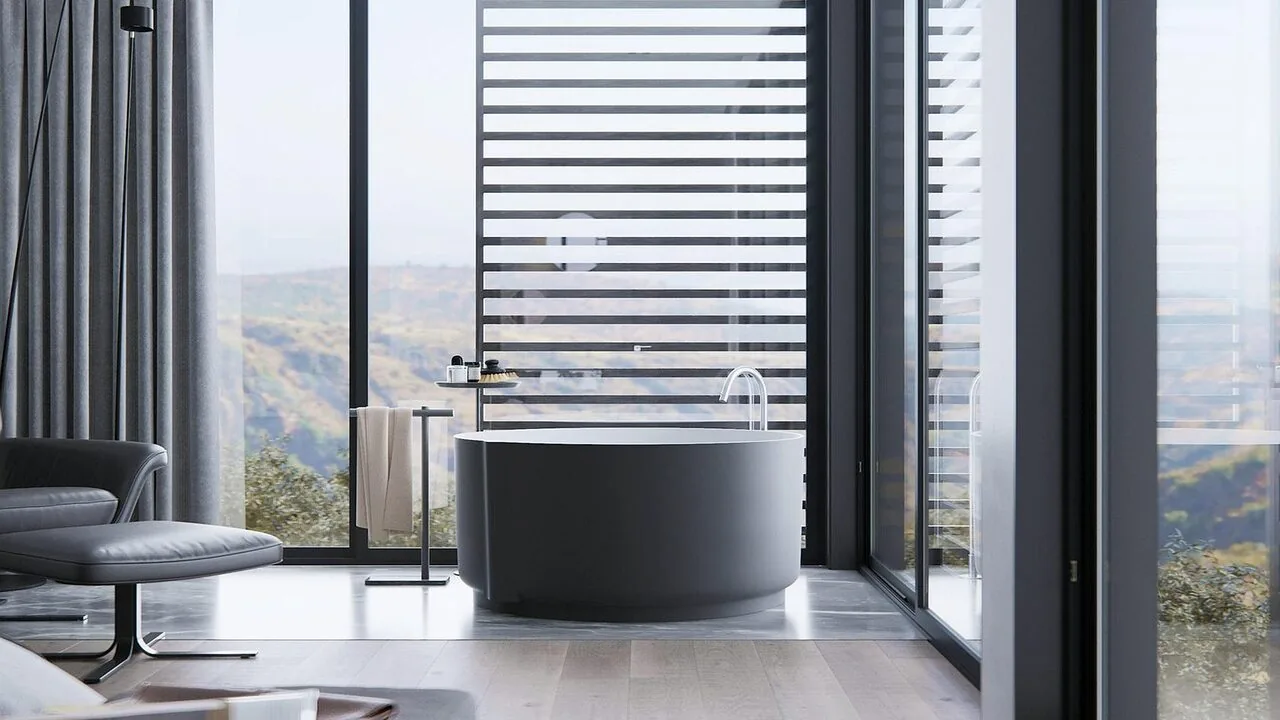

A bold new trend in luxury hospitality is reshaping how designers think about bathtub placement and aesthetics. The opening of an expanded guesthouse in Mexico City has sparked industry conversation about unconventional bathroom design choices, including the placement of a bathtub as a bedroom focal point rather than hiding it away in a traditional bathroom layout. For shoppers considering upgrades to their own homes, this shift offers fresh perspective on how bath fixtures can function as design statements rather than purely utilitarian elements.
The Rise of Bedroom Bathtubs
Historically, bathtubs have been confined to bathrooms, tucked away behind doors and designed with function as the primary concern. The emerging luxury market is challenging this convention. Designers are now experimenting with placement that makes tubs visible from sleeping areas, transforming them into sculptural elements that contribute to overall room design. This approach requires rethinking how bathtubs are finished, positioned, and integrated with surrounding decor. Shoppers interested in this aesthetic should understand that statement bathtubs demand higher quality materials, custom plumbing work, and careful attention to surrounding finishes.
What This Means for Home Design Shoppers
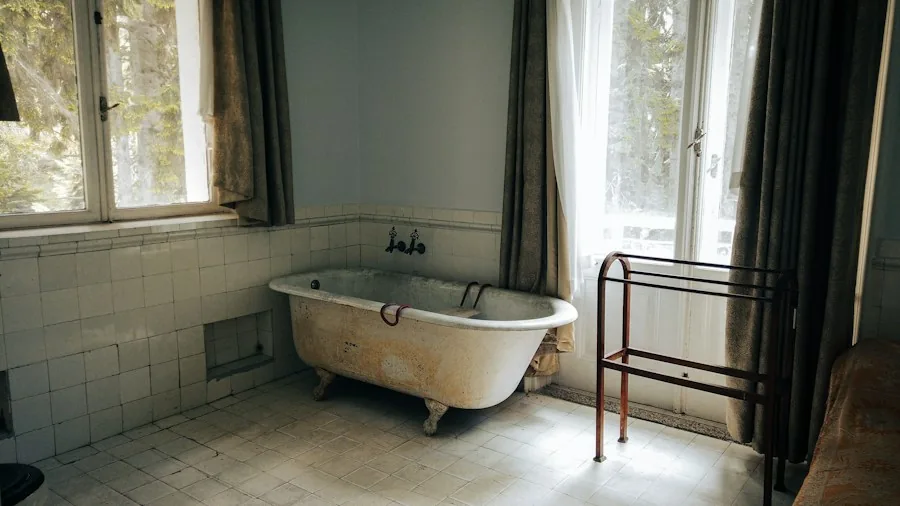
If you’re considering a bathroom renovation or redesign, understanding emerging bathtub trends can help you make informed choices about your investment. Modern designers are selecting tubs based on visual appeal alongside comfort and durability. When selecting premium bath fixtures, knowing how to care for them matters as much as their initial appearance. High-visibility bathtubs in bedroom settings require finishes that resist staining and maintain their visual impact over time.
The hospitality industry frequently leads residential design trends by several years. What appears in luxury hotels and guesthouses eventually influences the choices available to everyday homeowners. By watching how professional designers implement bathtub innovations, shoppers gain insight into which features add lasting value to properties and which represent temporary trends.
Practical Considerations for Statement Bathtubs
Choosing a bathtub that functions as a design element requires careful planning. Traditional designs prioritized depth, width, and ease of cleaning. Modern statement tubs may prioritize visual interest, unusual shapes, or distinctive materials. However, shoppers should not sacrifice comfort and functionality. The most successful contemporary bathtubs balance aesthetic impact with practical bathing experience.
Original porcelain fixtures have become desirable in upscale renovations, but they require specialized maintenance. Comfort accessories like quality bath pillows with secure suction cups can enhance the experience of any tub, whether vintage or modern. Shoppers upgrading to statement bathtubs should also invest in complementary accessories that support both comfort and maintenance.
Bathroom Safety Remains Essential
While designers are experimenting with unconventional bathtub placement and visibility, safety standards have not changed. Whether your tub is a bedroom focal point or a traditional bathroom fixture, water containment and slip prevention remain critical. Splash guards and water containment solutions are increasingly important when bathtubs are positioned in open bedroom areas. Shoppers choosing non-traditional bathtub placement should budget for professional installation and appropriate safety modifications.
Material and Finish Selection
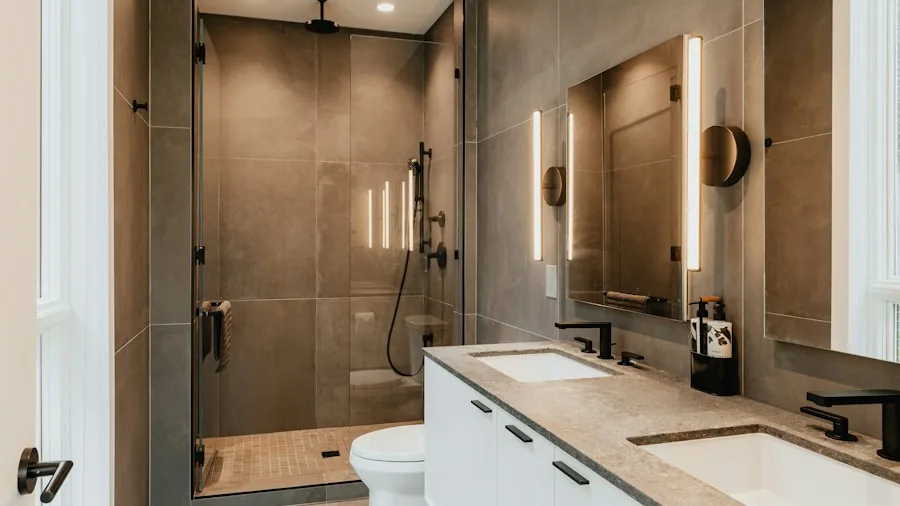
Contemporary bathtub design emphasizes material choices that make visual statements. Porcelain, cast iron, acrylic, and natural stone each convey different aesthetics and require different maintenance approaches. High-visibility tubs demand finishes that photograph well and resist visible wear. Shoppers should evaluate materials not just for durability but for how they age and whether visible imperfections align with their design goals.
Budget Planning for Design-Forward Bathtubs
Statement bathtubs typically cost significantly more than standard fixtures. Beyond the tub itself, custom plumbing, specialized installation, and integrated drainage solutions add substantial expenses. Professional designers approach bathtub selection methodically, considering how each element contributes to the overall space. Home shoppers interested in similar results should budget for professional design consultation, quality materials, and expert installation rather than attempting budget alternatives.
The hospitality industry’s embrace of unconventional bathtub design signals that consumers increasingly view bath fixtures as worthy of investment and attention. As these trends gradually influence residential markets, shoppers who understand the reasoning behind professional design choices can make smarter decisions about their own bathroom upgrades and renovations.





