
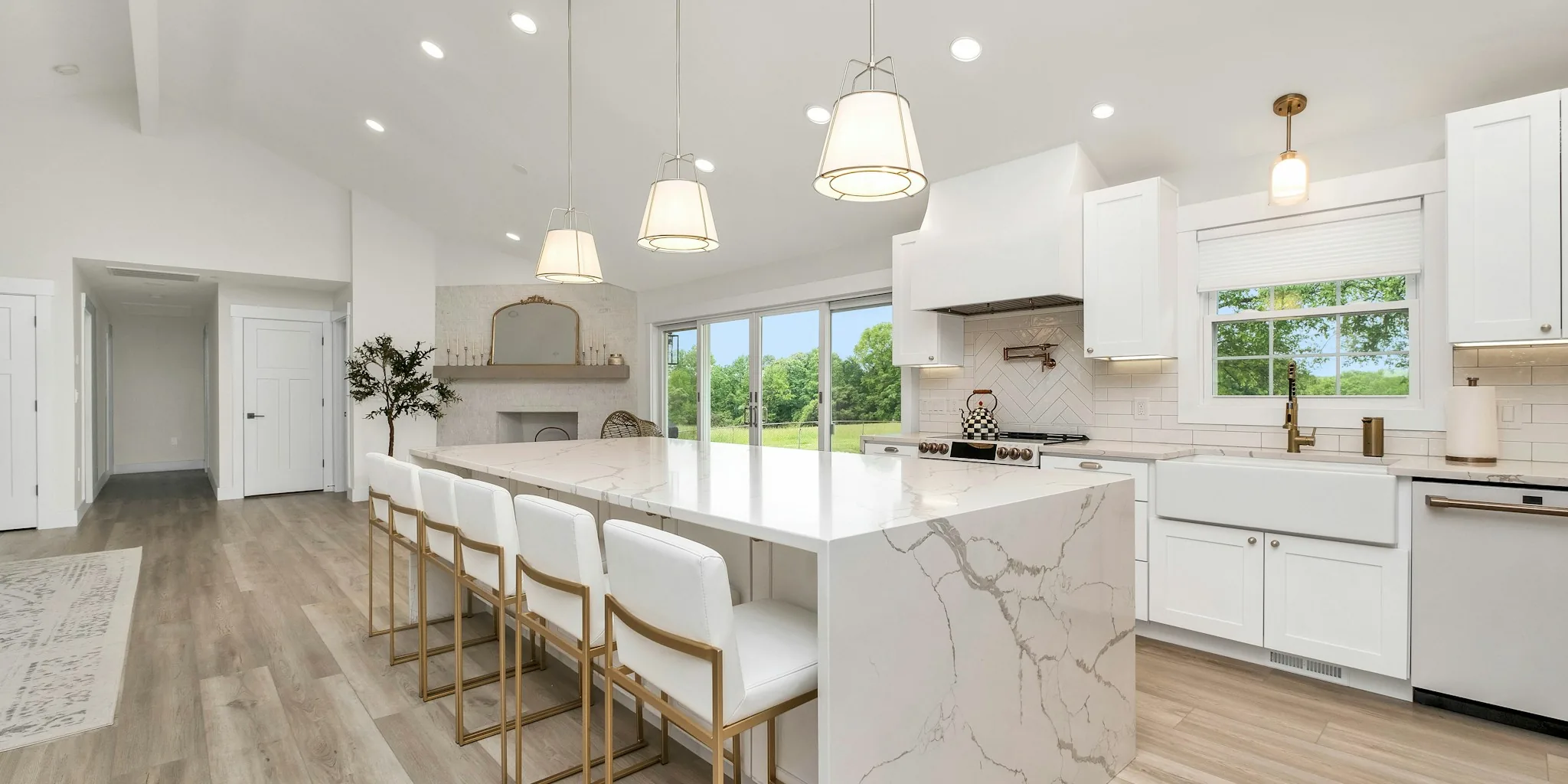

If you’re planning to sell your home or simply want to ensure your kitchen investment pays off, you need to know which design choices are working against you. Real estate agents across the country have identified several once-popular kitchen trends that now signal an older home and can actually reduce its appeal to buyers. Understanding what to avoid will help you make smarter choices when renovating or updating your cooking space.
Frosted Light Fixtures Make Kitchens Feel Cramped
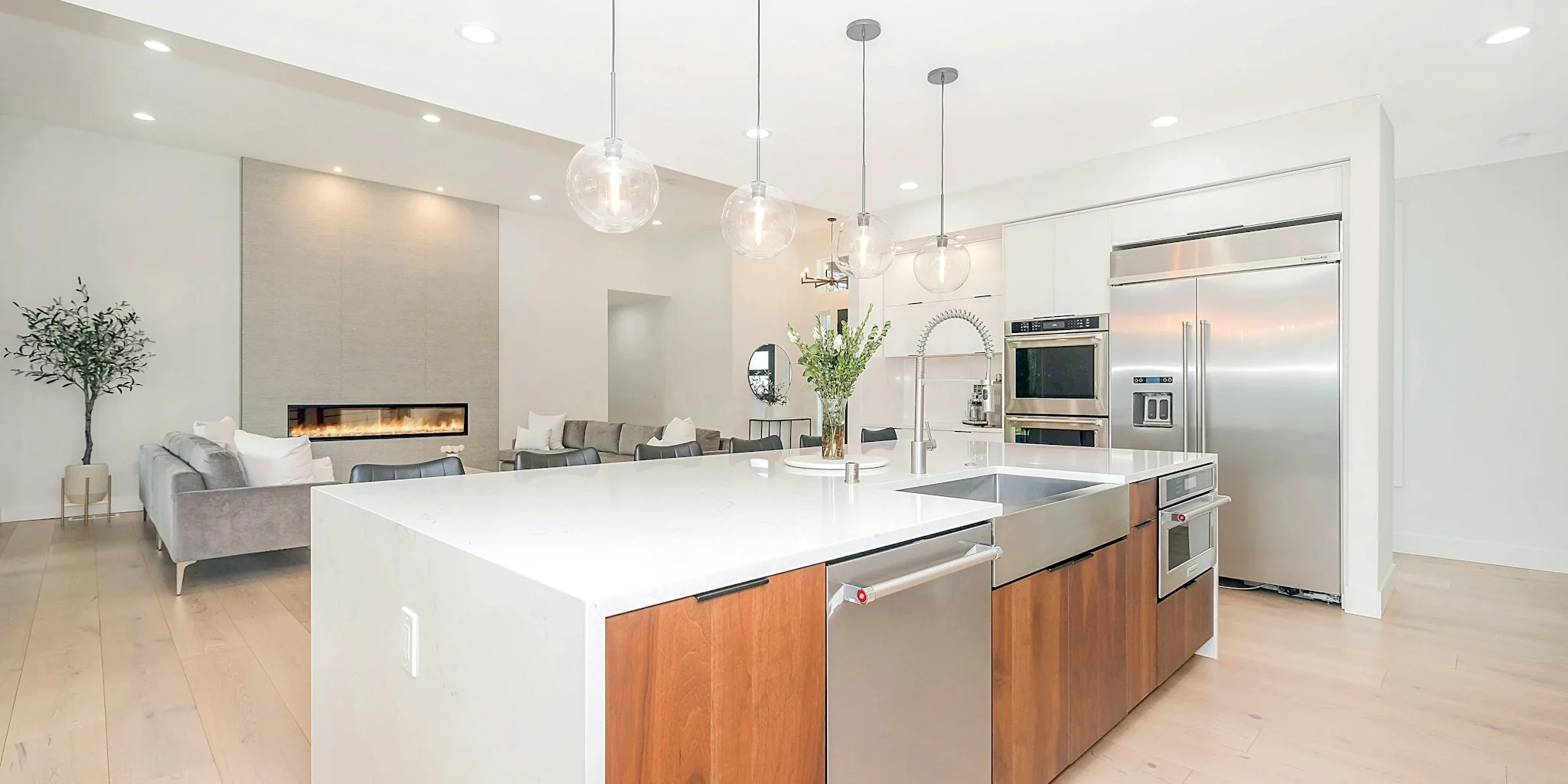
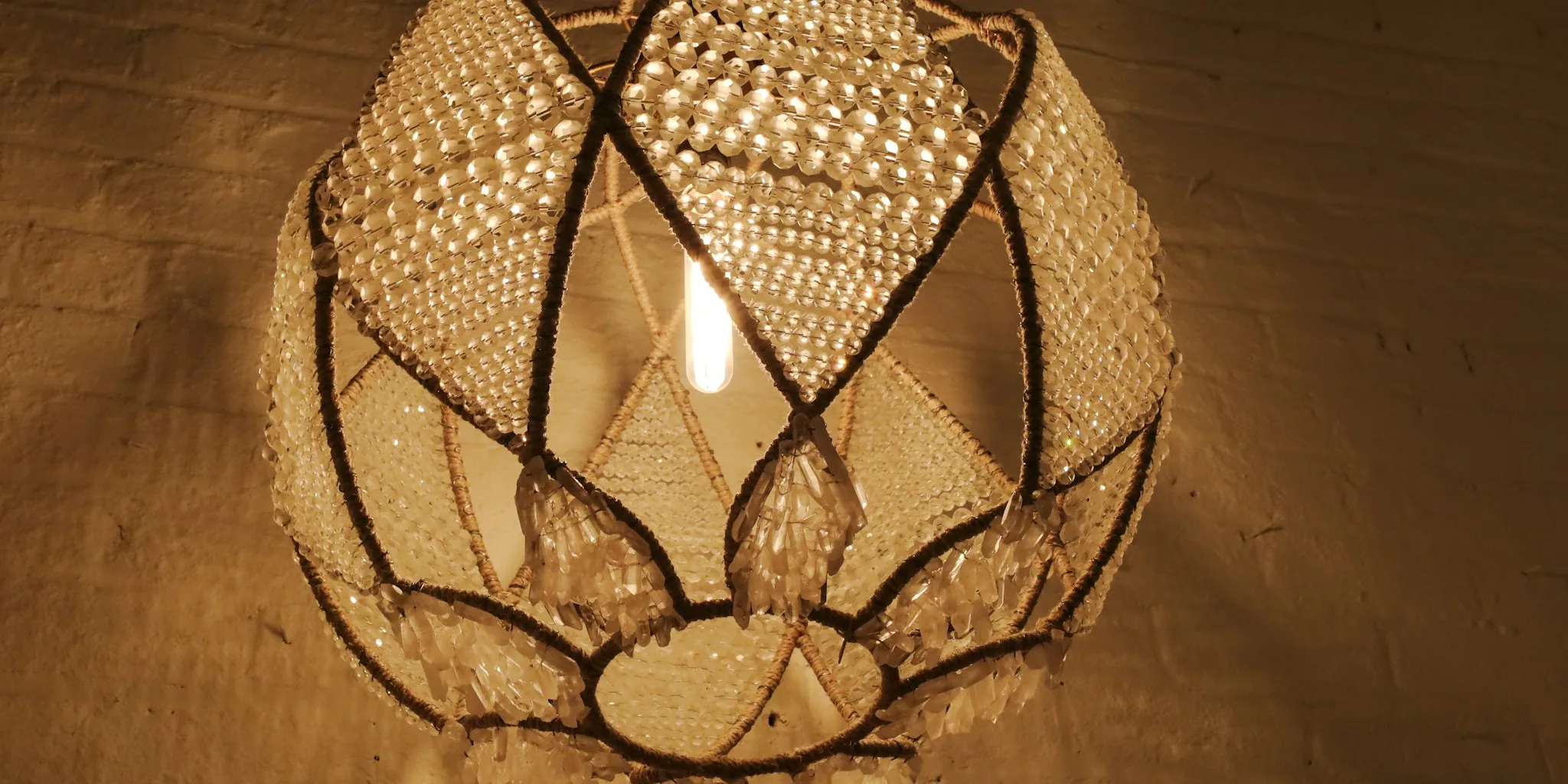
Frosted or shaded light fixtures were everywhere in past decades, but they’re doing your kitchen no favors. These fixtures make the space feel busier and more closed-in, which contradicts what modern homeowners want. Instead, consider upgrading to clear glass covers or completely open light fixtures. Brighter, more transparent lighting opens up the entire space and allows you to experiment with colors and mixed metals without feeling overwhelmed. If you have a smaller kitchen or one that doesn’t connect to other living areas, good lighting becomes even more critical to making the space feel welcoming.
Granite Countertops Are Yesterday’s Status Symbol
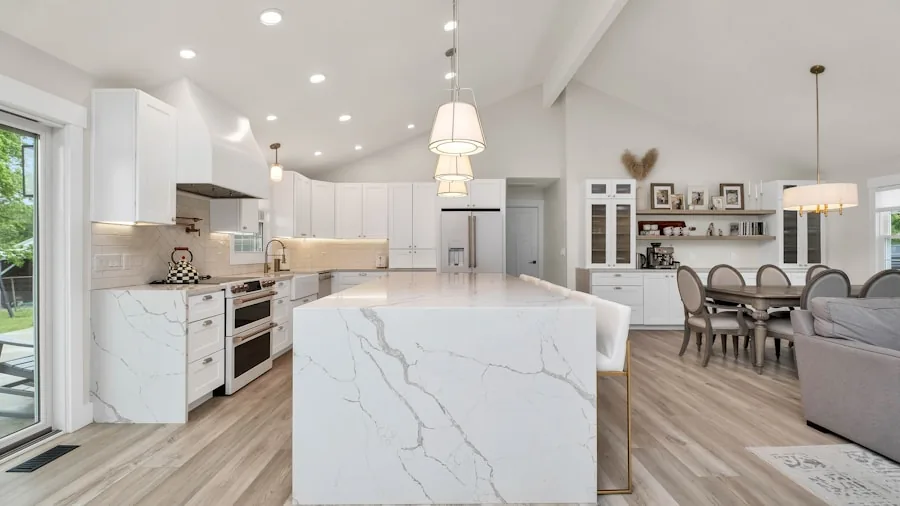
What was once the ultimate kitchen upgrade has fallen from favor. Granite countertops, especially the heavily varied colors that dominated the early 2000s, now date a home immediately. The current preference has shifted decisively toward white quartz, quartzite, marble, wood, and concrete surfaces. Television shows and celebrity designers have accelerated this trend, making it clear that sleek, minimalist countertops appeal to today’s buyers far more than busy granite patterns. If you’re considering a countertop replacement, these alternative materials offer better resale value and a more contemporary aesthetic.
Traditional Wood Grain Cabinets Scream Outdated
Standard wood grain cabinetry, particularly cherry-colored options, immediately signals an older kitchen to potential buyers. Beyond aesthetics, the traditional shapes and sizes of these cabinets are being replaced by modern space-saving shelving systems and larger pantry-style storage. If cabinet replacement is in your budget, prioritize quality over DIY solutions. Painting old oak cabinets or refacing existing boxes almost always shows, and real estate professionals can spot amateur work instantly. The grain pattern beneath the paint, the curved panel shapes, and mismatched millwork all broadcast that corners were cut.
Open Shelving May Not Have Staying Power
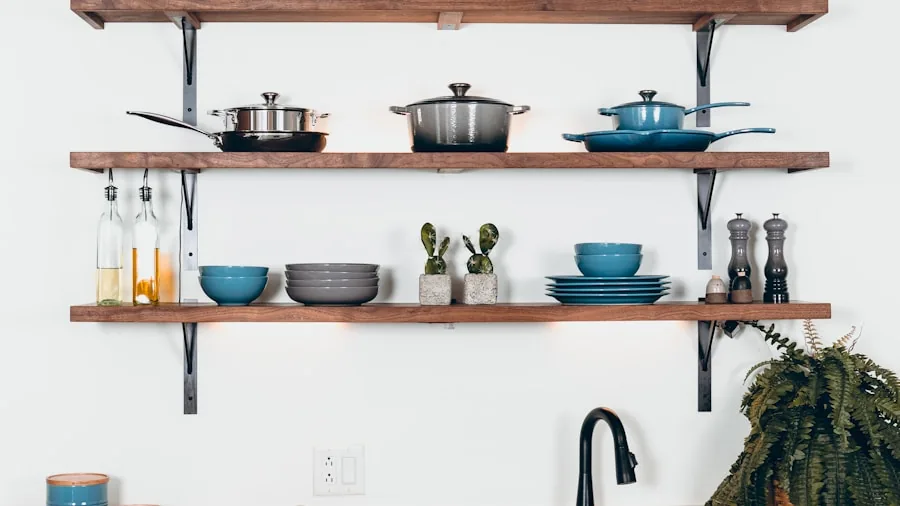
Open shelving is currently trendy in new construction, but it’s also divisive. While some agents predict it’s here to stay, others worry it won’t age well. The primary concern is practical: open shelves require constant organization and styling, and many homeowners struggle with the long-term maintenance. Traditional closed cabinets hide storage chaos, but open shelving leaves everything visible. Unless you’re committed to keeping everything perfectly arranged, or your kitchen style truly demands it, closed cabinetry remains the safer choice for resale value.
Closing Off Your Kitchen Fights the Flow Trend
Separate, enclosed kitchen spaces no longer fit contemporary home design. The direction is unmistakably toward open floor plans where the kitchen flows seamlessly into living areas. If you’re working with a closed-off kitchen, consider whether you can remove walls or open sightlines. Modern kitchens should feature flush-mount cabinetry and smooth, clean finishes that blend function with the surrounding home rather than standing apart. This integration creates a sense of spaciousness that appeals to today’s buyers and makes your home feel less segmented.
Dark Paint and Wood Colors Reduce Perceived Space
While darker colors can work in very large kitchens with abundant natural light, most homes see their kitchens diminished by dark paint and wood tones. Dark spaces feel smaller and heavier, which works against value. Lighter paint colors and pale wood finishes help kitchens feel larger and brighter, especially when paired with quality lighting. The risk of dark colors is that they require perfect execution and ideal conditions to avoid becoming a liability rather than an asset.
DIY Installations and Painted Cabinets Are Deal Breakers
Budget-conscious homeowners often tackle kitchen projects themselves, but this strategy typically backfires during resale. Professional agents can instantly spot signs of DIY work: paint application over oak wood grain, uneven installations, and millwork that doesn’t match the rest of your home. Painting curved panel cabinet doors with oak wood bases is particularly problematic because the wood grain always shows through, no matter the paint quality. A bold color update throughout the kitchen might work, but cabinet painting specifically signals amateur work. When buyers see DIY kitchen millwork, they start wondering what else in the house may have been handled the same way. If you need cabinet changes, invest in new cabinetry rather than attempting to mask the old.
Ornate Details and Mismatched Styles Create Confusion
Simple and chic is in. Stay away from intricate handle pulls, decorative carved wood, oddly shaped islands, and elaborately styled cabinet fronts. These ornate elements feel dated and cluttered. Additionally, your kitchen must coordinate with the overall style of your home. A rustic Italian villa kitchen inside a contemporary house is a disconnect that confuses buyers and raises questions about the home’s cohesiveness. Even functional accessories should align with your home’s design language.
The bottom line: a modern kitchen doesn’t need to be trendy or elaborate. Clean lines, quality materials, good lighting, open flow, and cohesive design win every time. Focus on timeless appeal rather than following passing fads, and your kitchen will serve you well whether you’re cooking for your family today or selling to a new owner tomorrow.


Write Your Review
No reviews yet. Be the first to share your experience!