
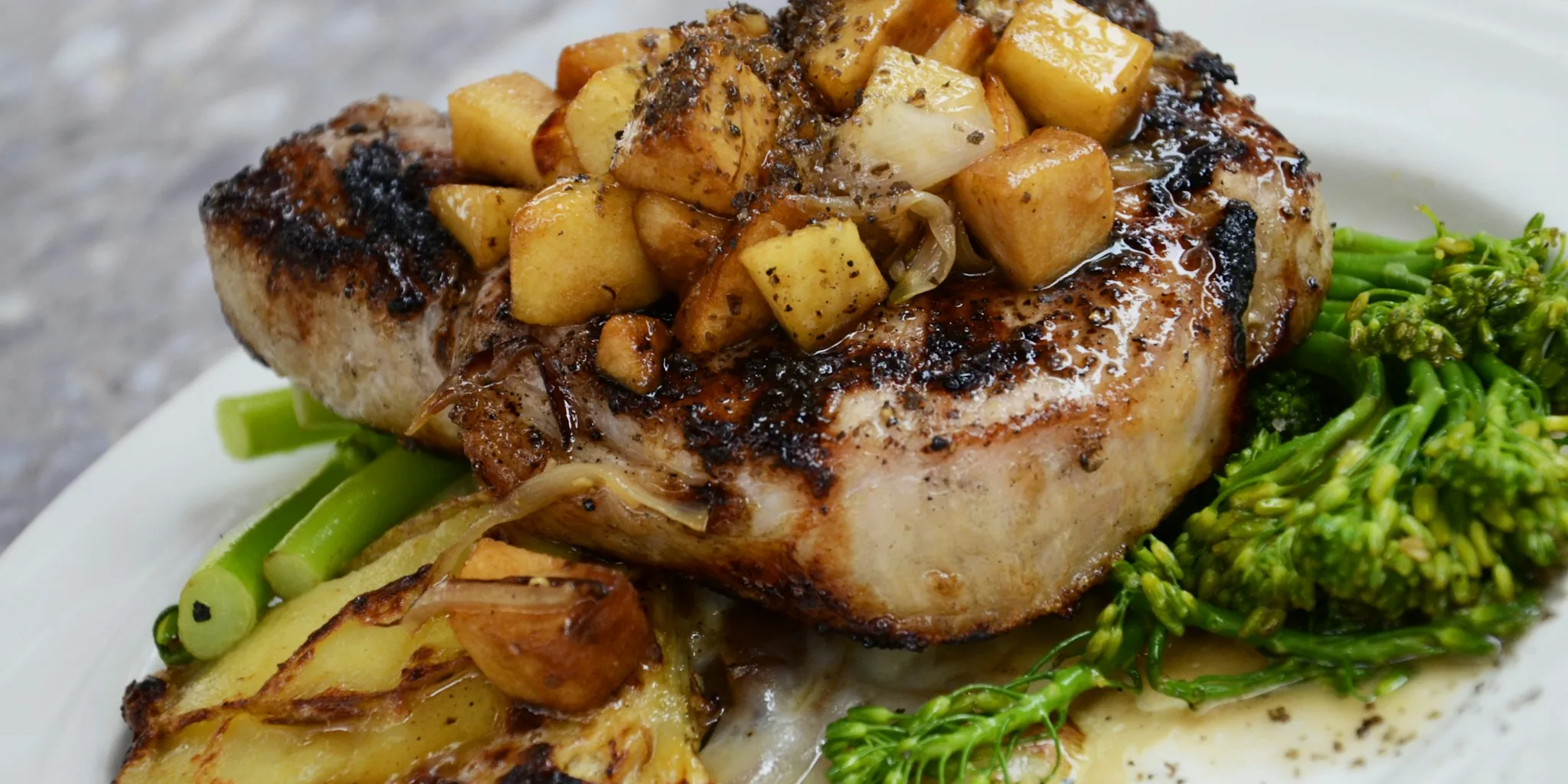

Home cooks have long struggled with pork chops, believing they inevitably come out dry and tough. A proven cooking technique that combines stovetop searing with oven finishing can completely change that outcome, delivering juicy, flavorful results every single time.
Why Pork Chops Get a Bad Reputation
The problem with most pork chop preparations is timing and temperature control. When pork chops are cooked using a single method, they often overcook before the exterior develops a proper crust, or the outside browns while the inside remains undercooked. Many home cooks abandon pork chops after a few disappointing experiences, missing out on an affordable, protein-rich dinner option that rivals steak or chicken when prepared correctly.
The Hybrid Cooking Method That Works

The solution is straightforward: sear thick-cut, bone-in pork chops on the stovetop, then transfer them to a preheated oven to finish cooking through. This two-stage approach accomplishes two goals simultaneously. The stovetop creates a golden-brown, flavorful crust through the Maillard reaction, while the oven’s gentle, even heat cooks the interior evenly without drying out the meat.
Start by heating your oven to 400 degrees Fahrenheit. Choose pork chops that are at least one inch thick and bone-in, as the bone helps insulate the meat and adds flavor. Pat them completely dry with paper towels, then season generously with kosher salt, freshly ground black pepper, and optional garlic powder.
Heat a heavy-bottomed, oven-safe skillet over medium-high heat with a small amount of neutral oil until the surface just begins to smoke. Place the chops in the pan and sear for about three minutes until the bottom is golden brown. Flip the chops and prop them vertically so the fatty edge contacts the pan directly, cooking for one to two minutes until the fat renders and browns. Finally, flip the chops to their uncooked side and transfer the entire skillet to the oven.
Roast until the thickest part of each chop registers 145 degrees Fahrenheit on an instant-read thermometer, typically six to ten minutes depending on thickness. Transfer to a plate and tent loosely with foil to rest for five minutes before serving, allowing the juices to redistribute throughout the meat.
The Optional Brining Step
For cooks willing to plan ahead, brining your pork chops adds a layer of seasoning that penetrates the meat from within. Combine warm water, kosher salt, crushed garlic cloves, whole black peppercorns, and a dried bay leaf in a large bowl. Submerge the chops completely and refrigerate for one to four hours before proceeding with the searing method described above.
Brining does enhance the flavor profile and can contribute to a slightly juicier final product, but the improvement is modest. Home cooks who lack preparation time will still achieve excellent results without this step, making the base method accessible for busy weeknight dinners.
What to Cook These Chops In
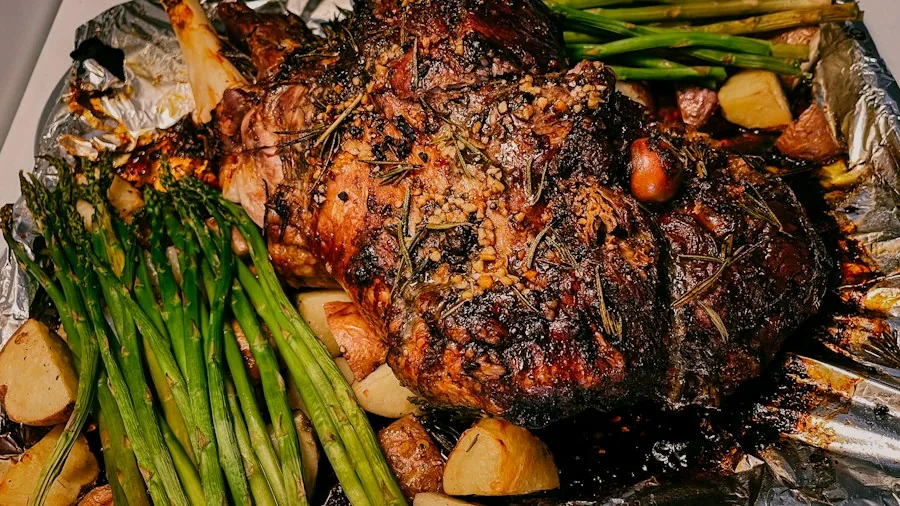
Your cooking vessel matters significantly. An oven-safe skillet with a heavy bottom ensures even heat distribution and creates an excellent crust. Cast iron Dutch ovens worth buying for braising, baking, and beyond can also work beautifully for this technique, offering superior heat retention. Many home cooks already own suitable oven-safe skillets, but upgrading to a quality piece is a worthwhile investment for anyone serious about improving their cooking outcomes.
Serving and Storage
These pork chops taste excellent on their own, but they also pair beautifully with various sauces, glazes, or pan drippings. Serve them alongside roasted vegetables, grains, or salad for a complete meal. Leftover cooked chops can be refrigerated in an airtight container for up to four days, making them suitable for meal prep or quick lunches throughout the week.
This hybrid cooking method removes the guesswork from pork chop preparation and delivers consistent, restaurant-quality results. Once home cooks master this technique, pork chops transition from a dismissal to a reliable favorite that tastes as impressive as more expensive proteins, all while remaining budget friendly and quick enough for regular weeknight rotation.





