


Smart lighting ecosystems are about to become significantly more flexible. A major integration between two leading lighting platforms is moving forward, and here’s what buyers should know about the implications for your home setup.
The Nanoleaf and Philips Hue Merger Is Almost Here
Evidence points to an imminent announcement that Philips Hue will be adding full support for Nanoleaf lights. An official support page briefly appeared on the Philips Hue website detailing the integration before being removed, suggesting the company accidentally published the information ahead of schedule. The timing aligns with reports that an official announcement could arrive within days.
This integration has been anticipated since early whispers circulated about Philips Hue adding compatibility with Nanoleaf Shapes. Now that leaked documentation has surfaced, the pieces are falling into place for what could be a game-changing moment in the smart lighting market.
How the Integration Will Actually Work

The connection between these two ecosystems won’t happen automatically. According to the support documentation that was briefly online, the setup requires a Philips Hue Wall Light Module, which acts as a bridge between your Nanoleaf panels and your Philips Hue system. This hardware solution enables Nanoleaf lights to function seamlessly within the Philips Hue ecosystem.
Once connected, Nanoleaf panels will behave exactly like Hue lights. That means you’ll control them through the same Philips Hue app alongside your existing bulbs and fixtures. The support page indicated that Nanoleaf panels will operate similarly to gradient strip lights, allowing you to use the standard color wheel in the Philips Hue app to adjust colors on your connected Nanoleaf panels.
The initially supported Nanoleaf models include Hexagons, Triangles, and Mini Triangles. This covers a good range of Nanoleaf’s popular modular panel designs, though additional compatibility may expand over time.
What This Means for Your Smart Home
The Philips Hue Wall Light Module bridges this compatibility gap, creating a unified control experience that eliminates app-switching frustration. If you’ve invested in both brands, having everything operate through a single interface is genuinely convenient.
This integration reduces platform fragmentation. Many households end up with a mix of different smart lighting brands because no single ecosystem offers everything needed for every room and design preference. With Nanoleaf panels now controllable through Philips Hue, you can build a more cohesive system that doesn’t require managing multiple apps.
The move also benefits users who prefer Nanoleaf’s distinctive modular panel aesthetic but want the broader ecosystem support that Philips Hue provides. You get the design flexibility of Nanoleaf shapes combined with the extensive home automation integration that makes Philips Hue popular with smart home enthusiasts.
Real Implications for Buyers Today
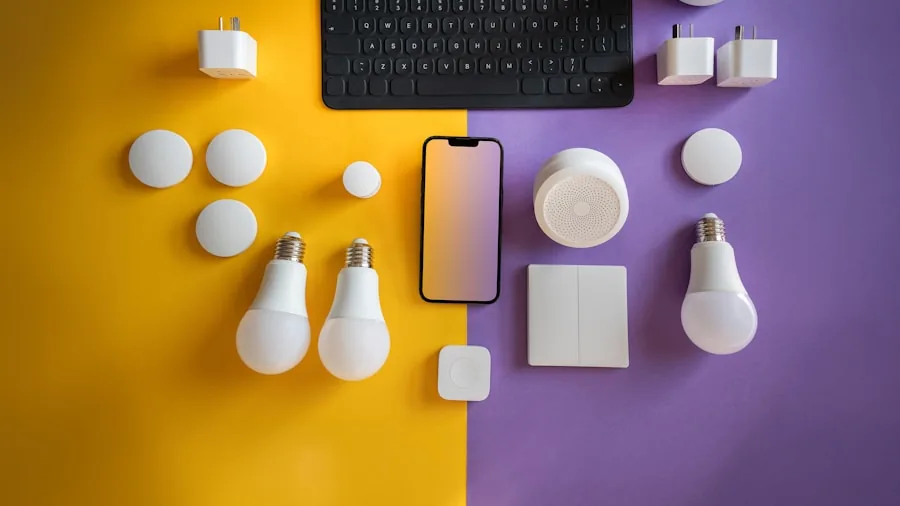
If you’re currently using Nanoleaf lights, this integration opens doors you didn’t have before. You’ll be able to include your panels in Philips Hue automation routines, scenes, and schedules. This means setting your Nanoleaf shapes to respond to time-of-day triggers, motion sensors, or voice commands alongside your other Hue lights.
For people considering a purchase, the integration reduces the risk of choosing between brands. You’re no longer locked into one ecosystem if you want a unified experience. This flexibility is increasingly important as people build more comprehensive smart homes.
That said, the integration does require additional hardware (the Hue Wall Light Module), so factor that cost into your decision. The exact pricing hasn’t been announced, but bridge devices like this typically add a modest expense to your setup.
What Comes Next
Exploring the full range of smart light options available gives you a better sense of where these two brands fit in the broader market. Both Philips Hue and Nanoleaf occupy premium positions in smart lighting, but they serve somewhat different use cases and aesthetic preferences.
While nothing is officially confirmed until Philips Hue makes a public announcement, the appearance of official support documentation makes this integration virtually certain at this point. Watch for an official statement in the coming days that will likely include specifics about the Hue Wall Light Module’s pricing, availability, and complete list of compatible Nanoleaf models.
The bigger picture here is that smart home platforms are becoming less isolated. Interoperability between major brands creates better experiences for consumers and rewards people who’ve invested in quality products from multiple manufacturers. That’s a positive trend for anyone building a smarter home.





Write Your Review
No reviews yet. Be the first to share your experience!