
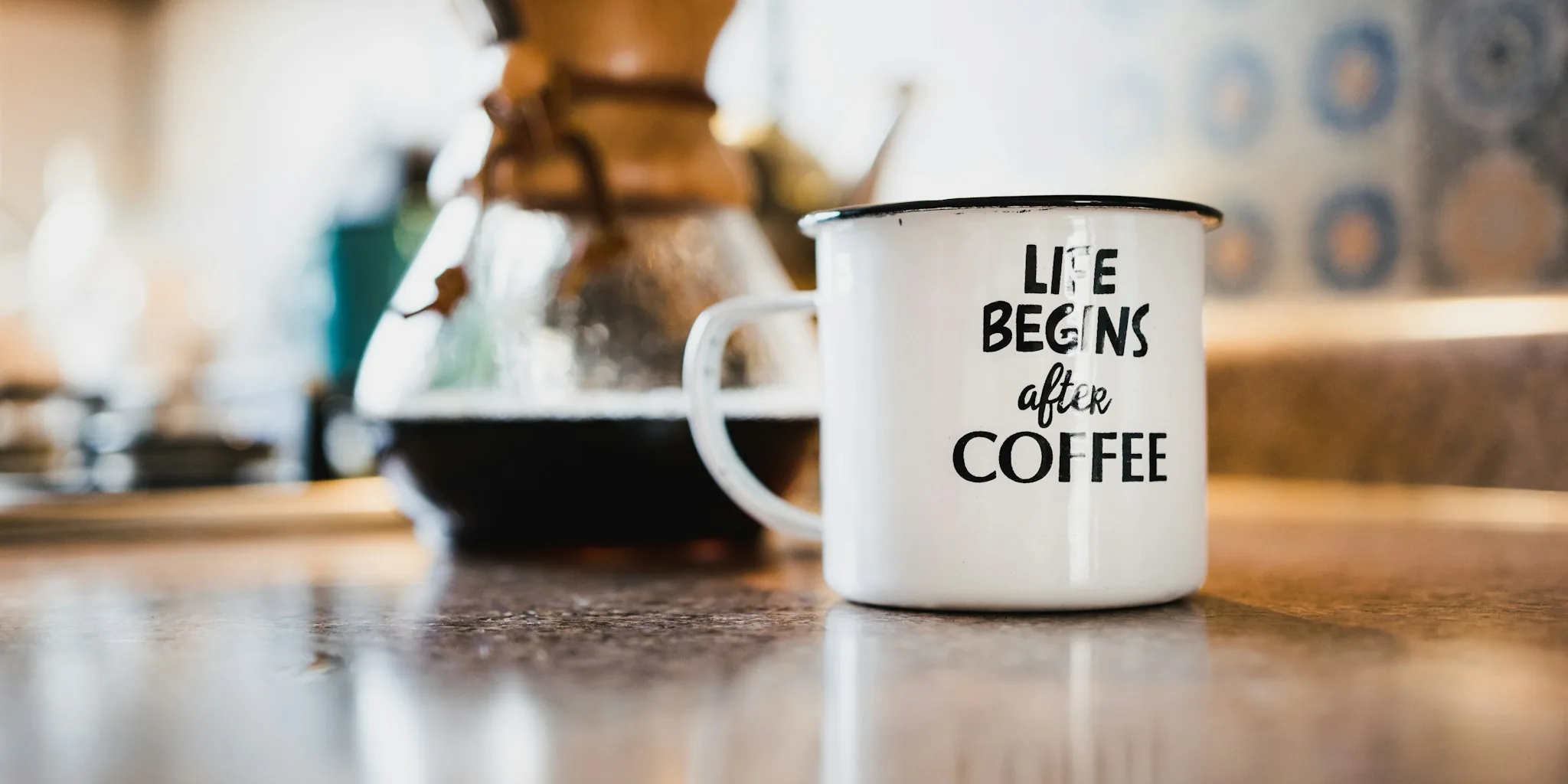

The Rise of Plastic Free Coffee Makers
Searches for plastic free coffee makers have surged dramatically, marking a significant shift in how consumers think about their kitchen appliances. This growing demand reflects widespread concern about microplastics entering our bodies through everyday products, particularly those involving hot water and heat. Understanding what’s driving this trend and what it means for your purchasing decisions is essential for making informed choices in your kitchen.
What Are Microplastics and Why Do They Matter
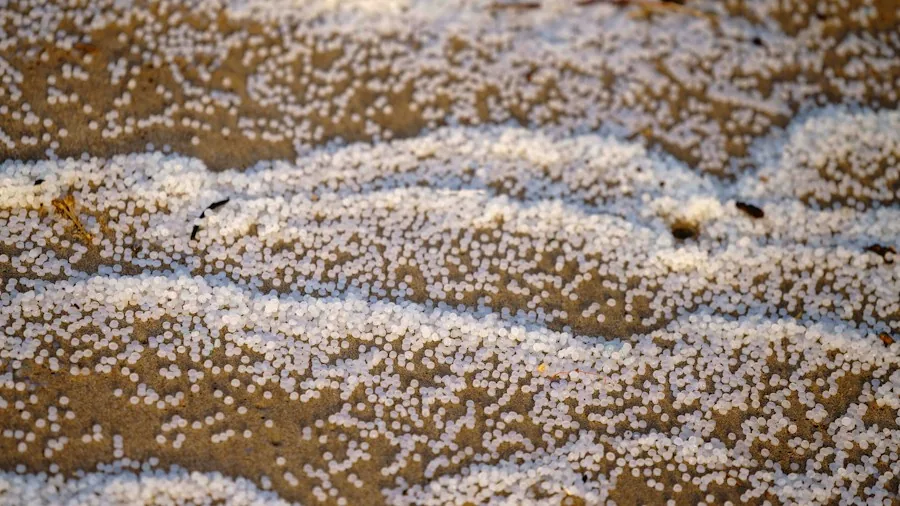
Microplastics are tiny fragments of plastic ranging from 5 millimeters down to 1 nanometer in size. Most are invisible to the naked eye, yet they’re present in countless products we use daily. The troubling reality is that even plastics labeled as BPA free or PFAS free can degrade over time, releasing microplastics into food and beverages. When hot water and heating elements are introduced, virgin plastics break down gradually, regardless of their initial safety certifications.
Research has revealed that everyday items like tea bags release billions of microplastic particles. This means your morning cup of coffee or tea may contain far more plastic than you realize, especially if brewed in a traditional plastic coffee maker. The concern has prompted many consumers to explore alternatives and demand better options from manufacturers.
Why Plastic Remains Common in Coffee Makers
Despite growing awareness, plastic components remain prevalent in most coffee appliances. The reasons are straightforward: plastic is lightweight, durable, and affordable compared to glass or metal alternatives. Producing a coffee maker entirely from glass would significantly increase manufacturing costs and shipping expenses, making it inaccessible to average consumers. When choosing a new appliance, cost and practicality remain major factors in most purchasing decisions.
However, manufacturers are beginning to respond to consumer demands. Brands like Simply Good Coffee, Aarke, and Ratio now offer models with reduced plastic or entirely plastic free designs. These alternatives represent a meaningful shift toward addressing legitimate health concerns without abandoning functionality.
Understanding Food Safety Standards for Coffee Makers
Not all plastic is created equal, and regulatory standards do matter. Leading coffee maker brands ensure that plastic components used in water and coffee contact paths comply with strict European food safety standards, including testing for chemical leaching under repeated boiling water conditions. This means that established brands conduct rigorous evaluations to confirm their plastic components won’t contaminate your beverage, even with daily use.
The key distinction is between food contact plastics that meet international safety requirements and those that don’t. When selecting an appliance, look for products explicitly tested and certified to meet food safety standards in your region. When comparing options at a major appliance sale or evaluating new models, this certification becomes a crucial safety marker that shouldn’t be overlooked.
The Real Issue: Disposability and Durability
The fundamental problem isn’t plastic itself, but rather the disposable culture surrounding consumer goods. Investing in a well made, durable coffee maker that lasts decades is far more sustainable than replacing cheap appliances every few years. A machine with replaceable parts and a strong warranty offers genuine value and reduces overall plastic waste more effectively than constantly upgrading to new models.
Consider following these smart tips for choosing the right appliance for your home and budget, which emphasize durability and long term functionality. The goal should be purchasing something once and using it for years, not chasing trending products or constantly seeking the newest features.
Making Your Decision as a Consumer
If you’re concerned about microplastics, prioritizing plastic free products for applications involving heat is sensible. However, it’s important to recognize that plastic coffee makers meeting food safety standards aren’t inherently dangerous. The real harm reduction comes from buying quality products you’ll keep and maintain for many years rather than replacing appliances frequently.
You might also explore major appliance sales where you can compare plastic free options alongside traditional models. Whether you choose a plastic maker with lifetime repair warranties or invest in a plastic free alternative depends on your priorities, budget, and values. Both approaches can be responsible choices if the product is durable and well made.
The bottom line: investigate your current appliances, consider switching to glass storage for heating food, and prioritize durability over disposability. We live in a world where complete plastic avoidance is impossible, so focus on making harm reduction choices that work for your household and budget.





