
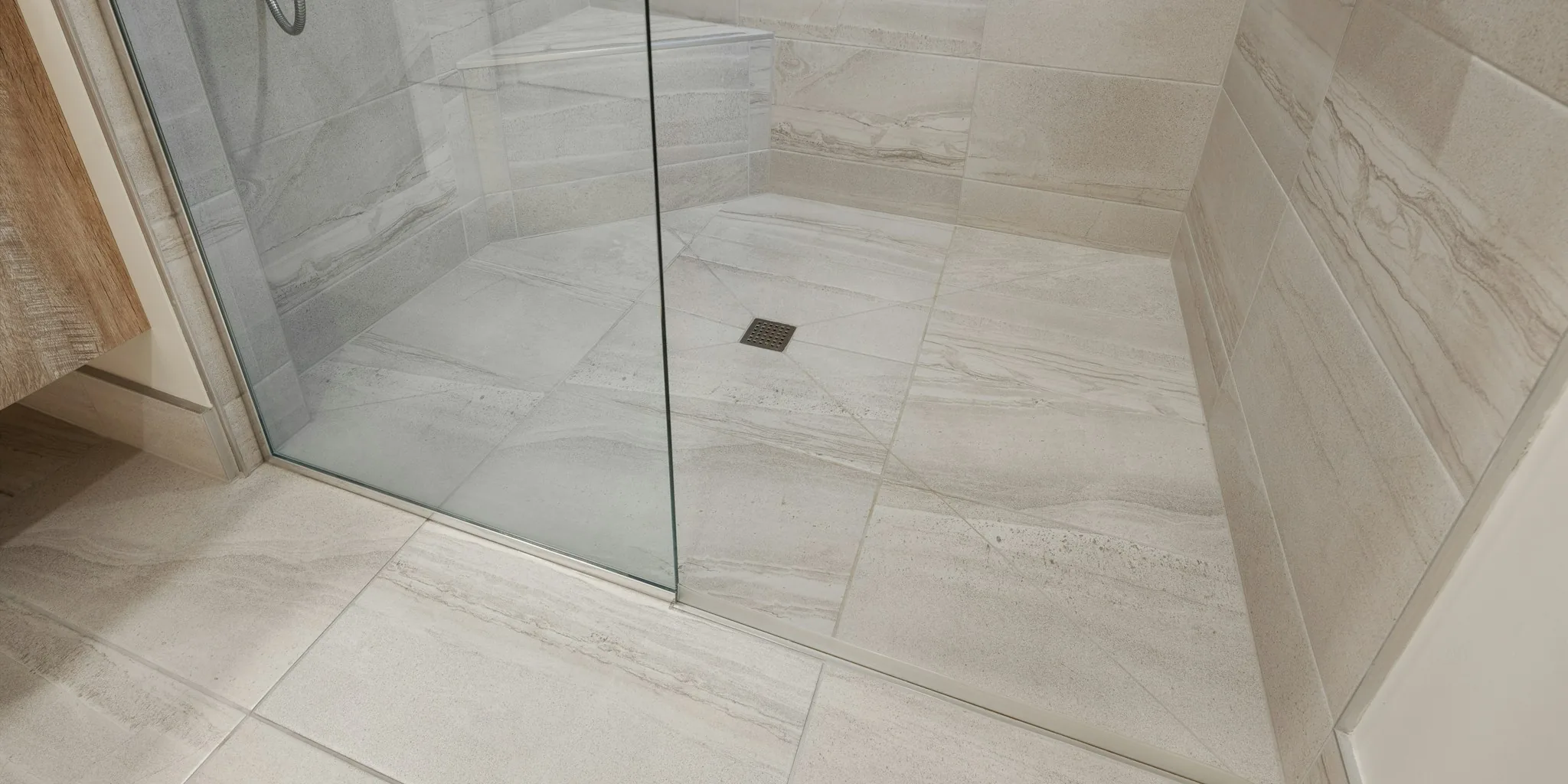

If you’re planning to regrout your bathroom tiles, you might be surprised to learn that the solution could already be sitting in your kitchen drawer. A common rubber or silicone spatula can serve as an effective alternative to buying an expensive dedicated grout spreader, saving you money on a tool you may only use once. This budget-friendly hack is gaining attention among homeowners looking for practical ways to handle bathroom maintenance without breaking the bank.
Why a Spatula Works for Grouting
The flexibility and design of a scraping spatula make it surprisingly well-suited for grout application. Just as you would use a spatula to spread icing smoothly over a cake or scrape batter from a mixing bowl, the same technique applies to filling grout lines between bathroom tiles. The tool allows you to scoop up new grout, press it firmly into the crevices between tiles, and smooth it down evenly across the surface. The flexible blade gives you control and helps ensure consistent application without gaps or uneven patches.
When working with grout, using generous layers and then smoothing them with your spatula helps create professional-looking results. After the grout sets slightly, you can wipe away excess material from the tile surface with a damp cloth. This straightforward process doesn’t require specialized equipment, making it accessible for both small repair jobs and larger retiling projects.
Choosing the Right Spatula
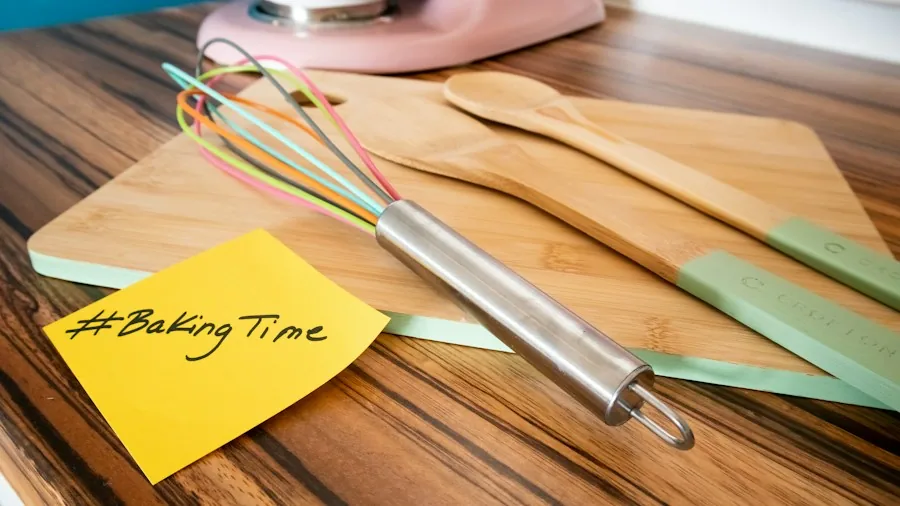
For a quick fix on just a couple of tiles, any old rubber spatula you’re no longer using works fine. However, if you’re planning a more substantial grouting project, invest in a silicone spatula instead. Silicone holds up better under the weight and pressure of heavy grout and typically offers greater durability than rubber alternatives. A spatula with a solid core gives you additional control, which is especially helpful when you’re working with thick grout in multiple grout lines.
Silicone spatulas are widely available and affordable. You can find high-quality options for less than the cost of a dedicated grout spreader tool, making this approach practical whether you’re tackling bathroom remodeling yourself or simply maintaining existing tilework.
Important Safety Considerations After Regrouting

Once you’ve finished your grouting project, proper tool care is essential. After the grout hardens, scrape off any dried material from your spatula using a plastic bag, cardboard, or old newspaper. However, here’s the critical part: never return a grout-used spatula to your normal kitchen tools. Grout contains materials that can be toxic if ingested, including silica particles that pose a risk even after thorough washing.
When you’re working with dry grout, always wear a mask to avoid inhaling airborne silica dust, which can cause serious respiratory issues. Even if you scrub the spatula carefully after the job, contaminants can remain in microscopic grooves and crevices. The safest approach is to dedicate a spatula permanently to your toolbox or use it for future bathroom projects rather than returning it to food preparation.
This is exactly why using a spatula you’re already replacing or one that’s been sitting unused is the ideal solution. You avoid the waste of discarding a perfectly functional kitchen tool while keeping your cooking tools completely separate from potential contaminants.
Making Your Bathroom Look Fresh Beyond Grouting
Regrouting tiles is just one way to refresh your bathroom’s appearance. Many homeowners combine grout updates with other budget-friendly upgrades. Storage solutions like metal shelving can replace bulky cabinets, creating a more open feel while keeping daily items accessible. Similarly, DIY wood towel racks offer an upgrade from standard fixtures, adding warmth and personality to the space.
Whether you’re updating grout color to match a new tile scheme or simply maintaining existing tilework, using household items creatively can reduce renovation costs while delivering professional results. The key is having the right approach and taking safety seriously throughout the process.





