
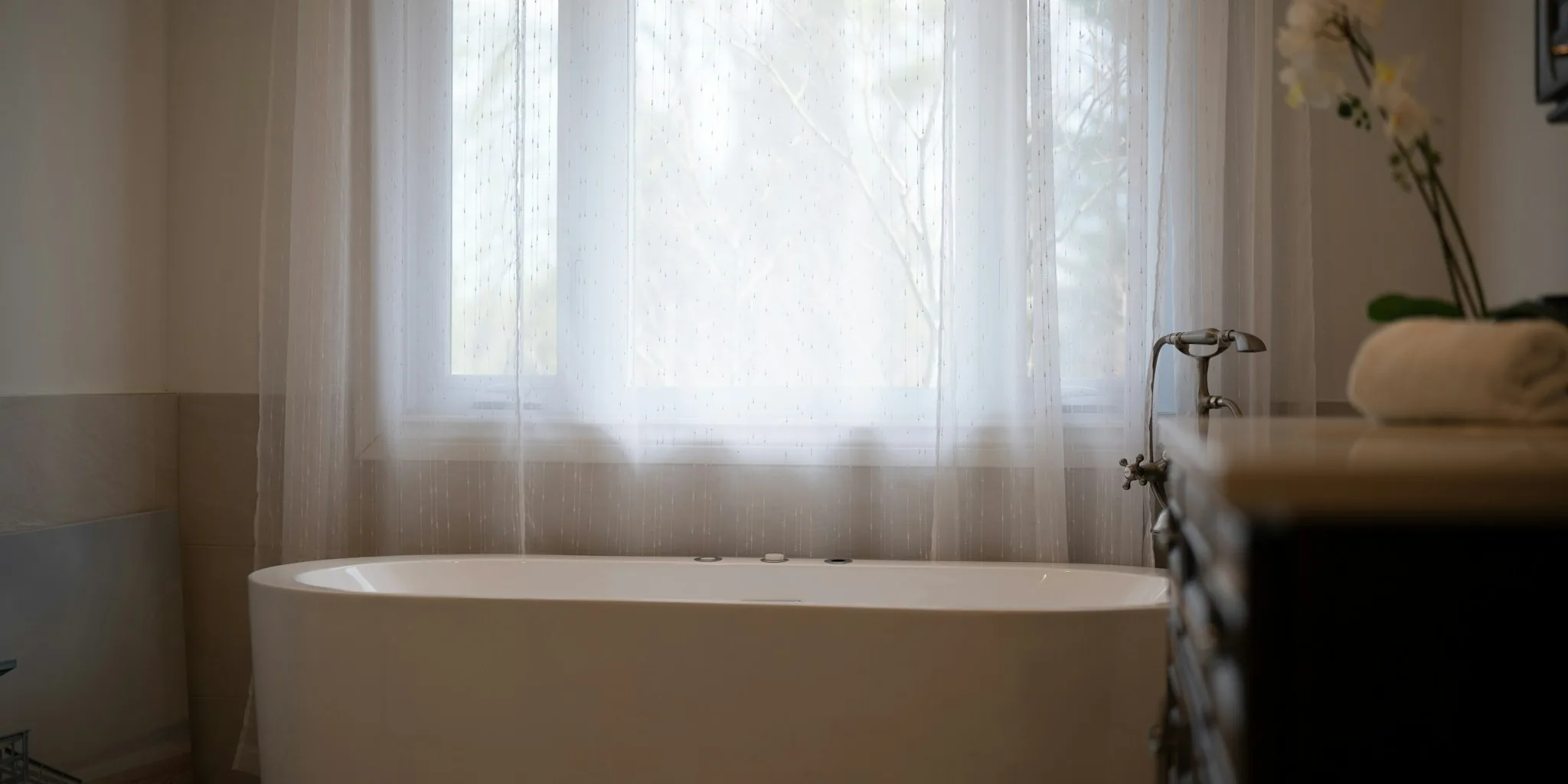

For decades, PVC has dominated the shower curtain liner market as the go-to budget option for homeowners looking to protect their decorative curtains and bathroom floors from water damage. However, growing awareness of the health and environmental concerns associated with PVC is prompting both manufacturers and consumers to seek safer alternatives. The shift toward non-toxic shower curtain materials represents a significant change in how the industry approaches bathroom fixtures, and it has real implications for anyone shopping for liners today.
Why PVC Shower Liners Are Falling Out of Favor
The most obvious problem with traditional PVC shower curtain liners is the smell. When you unroll a new PVC liner, the strong chemical odor that fills your bathroom isn’t just unpleasant; it’s a sign that the material is off-gassing. This occurs because PVC releases volatile organic compounds into the air, particularly in warm, humid environments like showers. The culprit behind much of this smell is chlorine, a chemical used during manufacturing that lingers in the material long after purchase.
Beyond the odor issue, there’s a legitimate health concern. Regularly inhaling fumes from PVC liners over months and years isn’t ideal, especially for families with children or anyone with respiratory sensitivity. Additionally, PVC doesn’t hold up as well in the warm, moisture-rich conditions of a typical shower, degrading more quickly than alternatives.
EVA: The Leading Non-Toxic Alternative
Ethylene Vinyl Acetate, or EVA, has emerged as the primary replacement for PVC in the shower curtain liner space. This chlorine-free plastic material addresses the core complaints consumers have about traditional liners while maintaining the water-resistant properties that make plastic liners appealing in the first place.
One of the biggest advantages of EVA is durability in humid conditions. Unlike PVC, which can become brittle or develop problems in steamy bathroom environments, EVA remains stable and flexible even after prolonged exposure to moisture and heat. The material also offers excellent resistance to UV radiation, making it ideal for bathrooms that receive significant natural sunlight throughout the day.
From a practical standpoint, EVA liners excel at preventing water splash and protecting both your decorative outer curtain and your bathroom floor. The material actively repels water rather than absorbing it, which means it won’t develop the mold and mildew problems that plague fabric liners if they aren’t cleaned regularly. Because EVA resists water and soap scum absorption, these liners also tend to stay fresher longer and don’t develop the musty odors that can develop with less effective materials over time. For families dealing with vigorous daily showers or simply those who prefer to clean their bathroom fixtures less frequently, this durability is a major selling point.
It’s worth noting that while EVA is considerably safer than PVC, it remains a plastic product. This means that if your household prioritizes eco-friendly materials above all else, fabric options like cotton or polyester represent an even more sustainable choice, though they require more diligent maintenance to prevent mold growth. Some homeowners are also exploring creative fixture solutions to simplify their shower setup, reducing the complexity of maintaining multiple bathroom components.
Making the Switch: What Buyers Should Consider
The primary trade-off when choosing EVA over PVC is cost. EVA liners typically cost more upfront than budget PVC options. However, because they last longer, resist deterioration better, and don’t require replacing as frequently, the long-term value often justifies the higher initial investment.
Your lifestyle and household needs should guide your decision. If your bathroom experiences heavy daily use, frequent splashing, or high humidity levels, EVA’s superior performance in these conditions makes it worth the extra expense. If you have family members with chemical sensitivities or respiratory concerns, avoiding PVC’s off-gassing altogether is a health-focused reason to upgrade.
For those still exploring alternatives to plastic liners altogether, some creative shoppers have discovered unconventional solutions that work for specific bathroom designs and preferences.
The Broader Shift in Bathroom Fixture Standards
This movement away from PVC toward non-toxic materials reflects a larger trend in home fixtures and furnishings. Manufacturers are responding to consumer demand for healthier home environments by reformulating products and offering safer alternatives. Innovations in shower accessories continue to expand customization options for today’s homeowners.
For shoppers, this transition means paying attention to material composition when purchasing bathroom items. Reading labels and understanding what EVA, PVC, and other plastics offer helps you make informed decisions that align with your family’s health priorities and practical needs. As more manufacturers invest in producing quality EVA liners, prices will likely become more competitive, making the switch to non-toxic options increasingly accessible to budget-conscious households.
The takeaway: your shower curtain liner choice matters. By understanding the differences between materials and their respective benefits and drawbacks, you can select a liner that keeps your bathroom protected while supporting your household’s wellness goals.


Write Your Review
No reviews yet. Be the first to share your experience!