
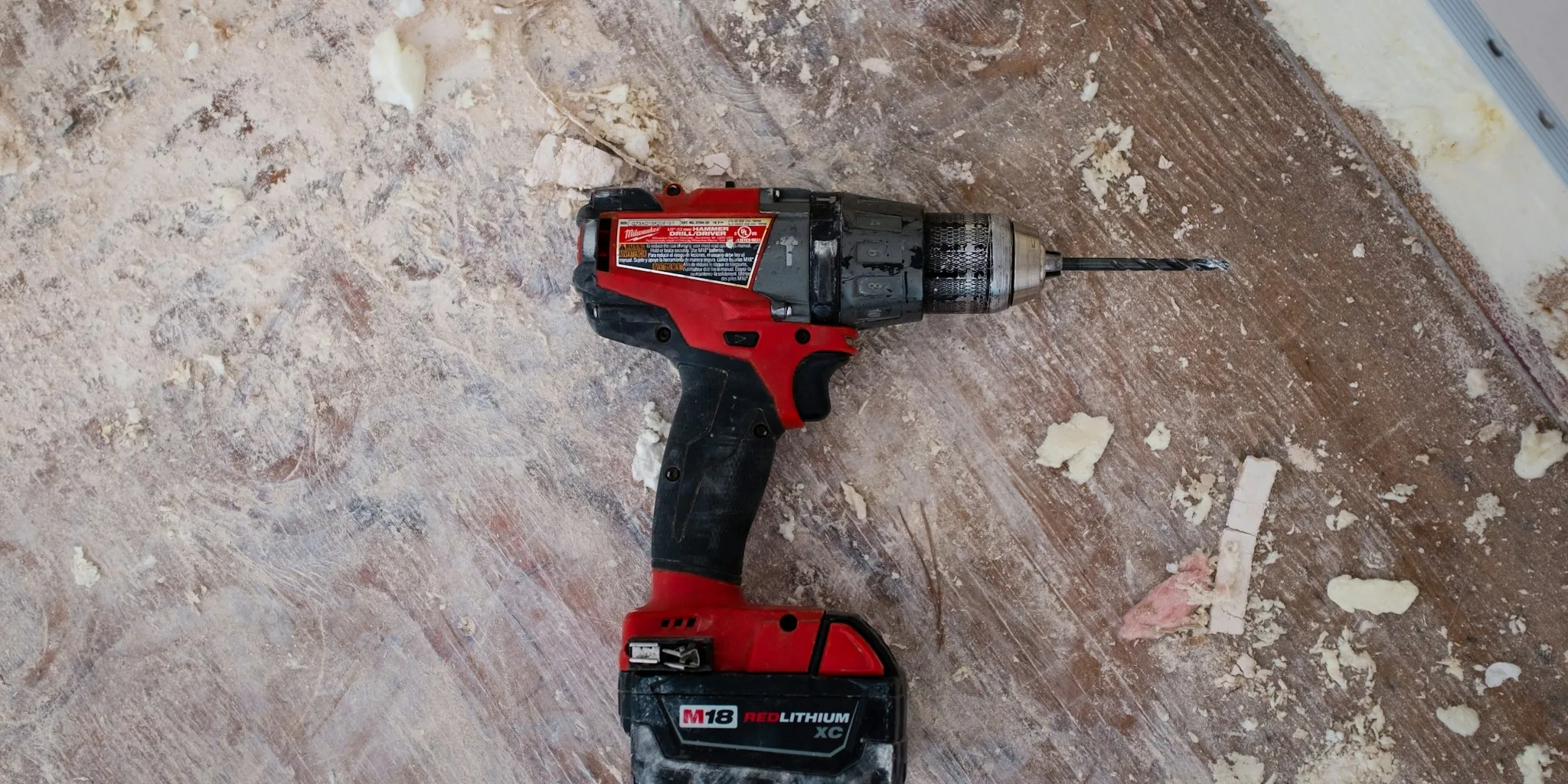

Major leadership changes at Chervon, the parent company behind Skil and Flex cordless power tools, signal potential shifts in how these brands will compete in the U.S. market. Joseph Galli Jr., who previously led TTI and oversaw the rise of Milwaukee Tool and Ryobi, has taken the role of CEO, replacing founder Longquan Pan. For consumers and DIY enthusiasts already invested in Skil’s battery ecosystem, this transition matters more than you might think.
Understanding the Skil and Flex Situation
Both Skil and Flex have faced significant distribution headwinds in recent years. Skil was removed from Lowe’s shelves, a blow that affected brand visibility and accessibility for mainstream shoppers. Flex encountered similar retail challenges despite releasing new tools and earning respect from professionals and enthusiasts who appreciate their engineering quality. Amazon’s decision to discontinue its Denali-branded cordless line, which was compatible with Skil’s battery platform, further complicated matters for both brands.
The reality is straightforward: Skil and Flex make solid tools. The engineering and design work are genuinely strong. But in the American cordless power tool market, distribution and brand presence matter enormously. Without prominent shelf space at major retailers, even excellent products struggle to reach buyers who don’t actively search for them.
What Galli’s Track Record Tells Us
Joseph Galli Jr. has credentials that matter in this industry. During his 16-year tenure leading TTI, he oversaw Milwaukee Tool’s transformation into a household name and managed Ryobi’s evolution as a consumer-friendly option. He helped TTI navigate major technology shifts, including the transition to lithium-ion batteries and brushless motors. That experience positioned TTI brands at the top of the market.
However, the industry landscape today differs dramatically from the cordless market of the early 2000s. Modern power tool quality across all brands is genuinely strong. Motor and battery technology have matured significantly. Consumers increasingly base purchasing decisions on platform compatibility, tool selection availability, and where they can easily buy replacement batteries and additional tools, rather than chasing incremental performance gains.
Galli cannot wave a magic wand and transform Skil into Milwaukee Tool or Flex into a direct Dewalt competitor. But his leadership experience and understanding of American retail relationships could help address the distribution and visibility challenges that currently plague these brands. Recent Skil product launches show the company is experimenting with innovative tool designs, but innovation alone won’t solve market positioning problems.
What This Means for Current Skil Users

If you already own Skil cordless tools or their modular toolbox line, the leadership change shouldn’t immediately affect your experience. Chervon continues manufacturing solid products. Pan remains as Executive Director and Chairman of the Board, ensuring continuity in company direction.
Where changes may become visible is in retail strategy and product availability. Galli’s experience with TTI’s extensive retailer relationships could eventually improve where Skil tools appear in stores. Better distribution means easier battery replacement purchases and simpler access to complementary tools for your platform. Skil continues rolling out specialized tools that address specific use cases, suggesting continued product development despite market headwinds.
The Bigger Picture for the Power Tool Market
Chervon operates multiple brands beyond Skil and Flex, including EGO, which has achieved strong recognition in cordless outdoor power equipment. The company possesses genuine manufacturing expertise and capability. The challenge has never been product quality or engineering ability. The challenge is American retail presence and consumer awareness.
Over the next two to three years, watch for changes in how Skil and Flex appear in your local stores. Monitor whether availability of modular toolboxes and specialty tools improves beyond wholesale clubs. Pay attention to whether Galli brings new leadership talent into Chervon’s American operations, as he did at TTI. New product bundles suggest strategic shifts toward value-oriented offerings, which align with American consumer preferences.
Leadership transitions at parent companies sometimes matter more for investor confidence than day-to-day operations. But in this case, Galli’s specific experience building tool brand presence in America could translate to meaningful improvements in how readily available Skil products become to consumers. For shoppers considering Skil tools, improved retail distribution and brand accessibility could make building a cordless platform around their ecosystem significantly more practical within the next year or two.





Write Your Review
No reviews yet. Be the first to share your experience!