
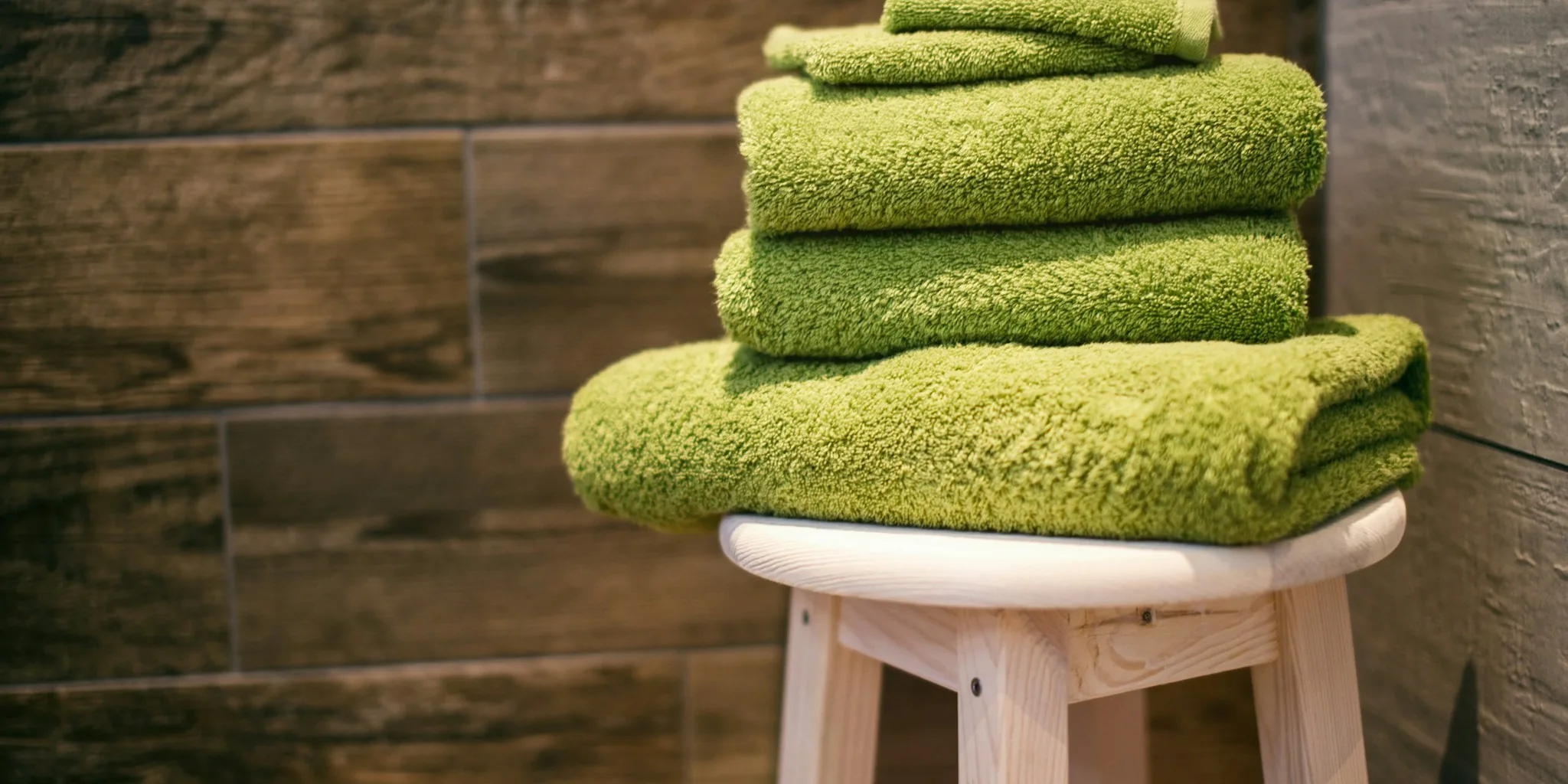

Your Bathroom Has Been Throwing Away Garden Gold
Most households think of their kitchen as the primary source of compostable materials, but your bathroom actually contains several items ready for the compost heap. If you’ve been discarding worn-out towels in the trash, you’ve been missing an opportunity to create nutrient-rich compost for your garden. Natural fiber bathroom towels are not only compostable, they break down faster and cleaner than most people realize.
When towels made from cotton, bamboo, hemp, or linen reach the end of their useful life, they transition into what gardeners call “black gold.” These materials are constructed from cellulose, a biodegradable compound that serves as the foundational building block of all plant cells. In practical terms, old natural-fiber towels contain the same base material as the leaves, branches, and bark you already add to your composting system.
Why Natural Fiber Towels Transform Into Excellent Compost
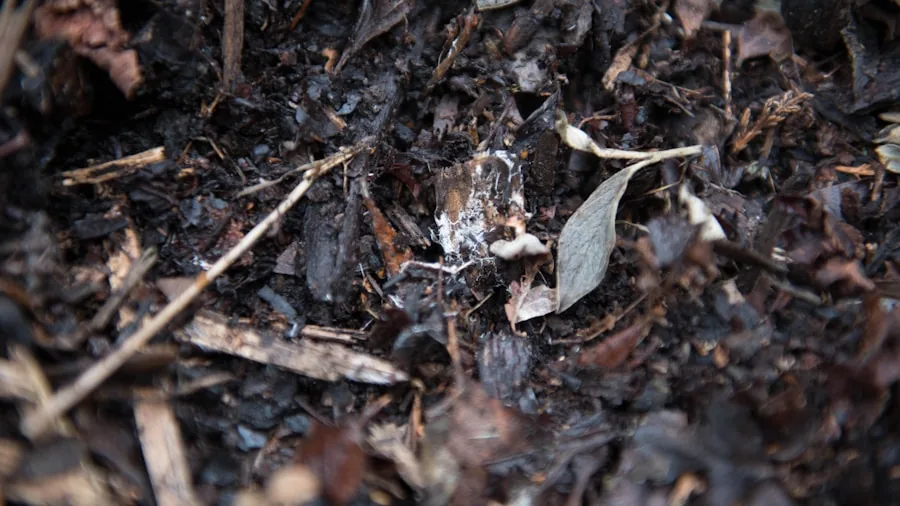
Natural fiber towels function as brown materials in your compost pile, providing the carbon boost your system needs to thrive. The brown category, which includes woody and dry plant matter, supplies energy for the microorganisms that drive the decomposition process. This brown material also serves a critical moisture-management role: it absorbs excess wetness from green matter like vegetable scraps and grass clippings, preventing your pile from becoming a soggy, foul-smelling mess.
One of the biggest advantages of composting natural fiber towels is their decomposition timeline. Unlike synthetic fabrics that can take years to break down and leave behind harmful microplastics, natural fiber towels can degrade in as little as two weeks or take up to five months, depending on pile conditions. When these towels come from certified organic sources, they create safe, eco-friendly finished compost without any plastic contamination. This matters because synthetics leave behind microplastics that persist in your soil and garden indefinitely.
Preparing Your Old Towels for the Compost Bin
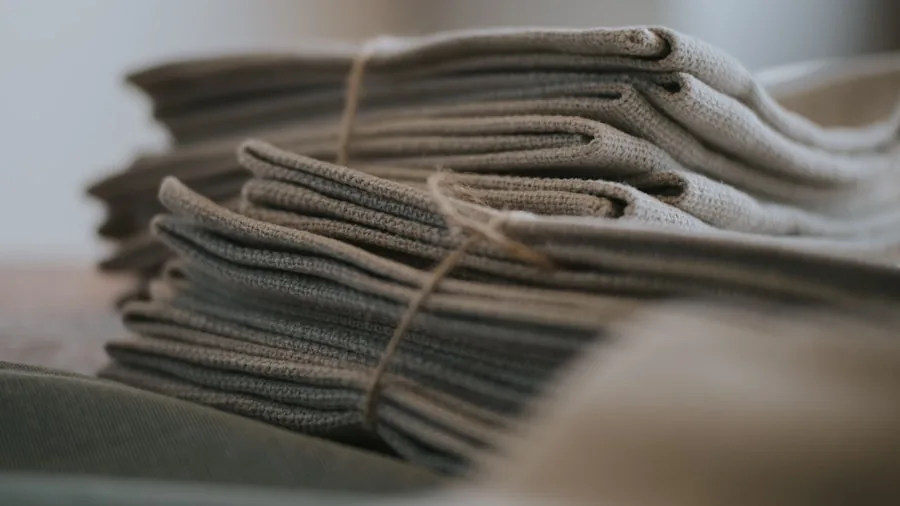
Before you toss your worn bathroom linens into your composting bucket, take a few preparation steps to ensure the best results. First, inspect your towels for any plastic or metallic components. Most worn towels are simpler than you might expect, lacking the buttons, zippers, and elastic found on clothing. However, any tags or synthetic thread should be removed and discarded before composting.
Next, shred or cut your old towels into small pieces. Smaller fragments decompose faster and integrate more evenly throughout your pile. The cutting process also prevents large fabric sections from creating air pockets that slow decomposition. If your towels carry a Certified Compostable label, that’s bonus confirmation that the fabric will break down safely without leaving behind microplastics.
Years of washing naturally strip away the chemical treatments and dyes that manufacturers apply to new textiles. This means your old, faded, and frayed towels are actually safer for composting than newer ones. However, you should still avoid composting towels that are synthetic blends or have been exposed to harsh chemical cleaners. Sticking to 100 percent natural fiber ensures your finished compost remains pure and garden-safe.
Layering Your Towels for Maximum Composting Success
Simply adding shredded towels to your bin won’t maximize the composting process. Instead, layer your natural fabric pieces with green matter to create the ideal carbon-to-nitrogen balance. Green materials include fresh vegetable and fruit scraps, grass trimmings, and farm animal manure. The recommended ratio is one part green matter to every two or three parts brown material. This balanced approach speeds up decomposition and allows you to harvest finished compost faster.
Beyond bathroom towels, your entire bathroom contains other compostable items you may not have considered. The composting strategy you develop for old towels can extend to other worn natural textiles throughout your home. When you make composting a household practice across all rooms, you significantly reduce waste while building a more sustainable home.
For those upgrading their bathroom fixtures and accessories, consider how your new bathroom products might eventually be composted or recycled when they reach the end of their lifespan. Choosing natural materials from the start means less waste down the road. Even small bathroom upgrades add up when you think about the long-term environmental impact of your household choices.
Making the shift from trash to compost requires minimal effort but yields significant environmental benefits. Your next step is simple: inspect your linen closet for towels past their prime and start composting today. Your garden and the planet will thank you.



Write Your Review
No reviews yet. Be the first to share your experience!