

Choosing the right dehumidifier can make the difference between a dry, healthy home and one plagued by mold, musty odors, and window condensation. Yet many people rush through the buying process without understanding their actual needs or what features matter most. Here are the five critical mistakes to avoid when selecting a dehumidifier for your space.
Mistake 1: Not Recognizing When You Actually Need One
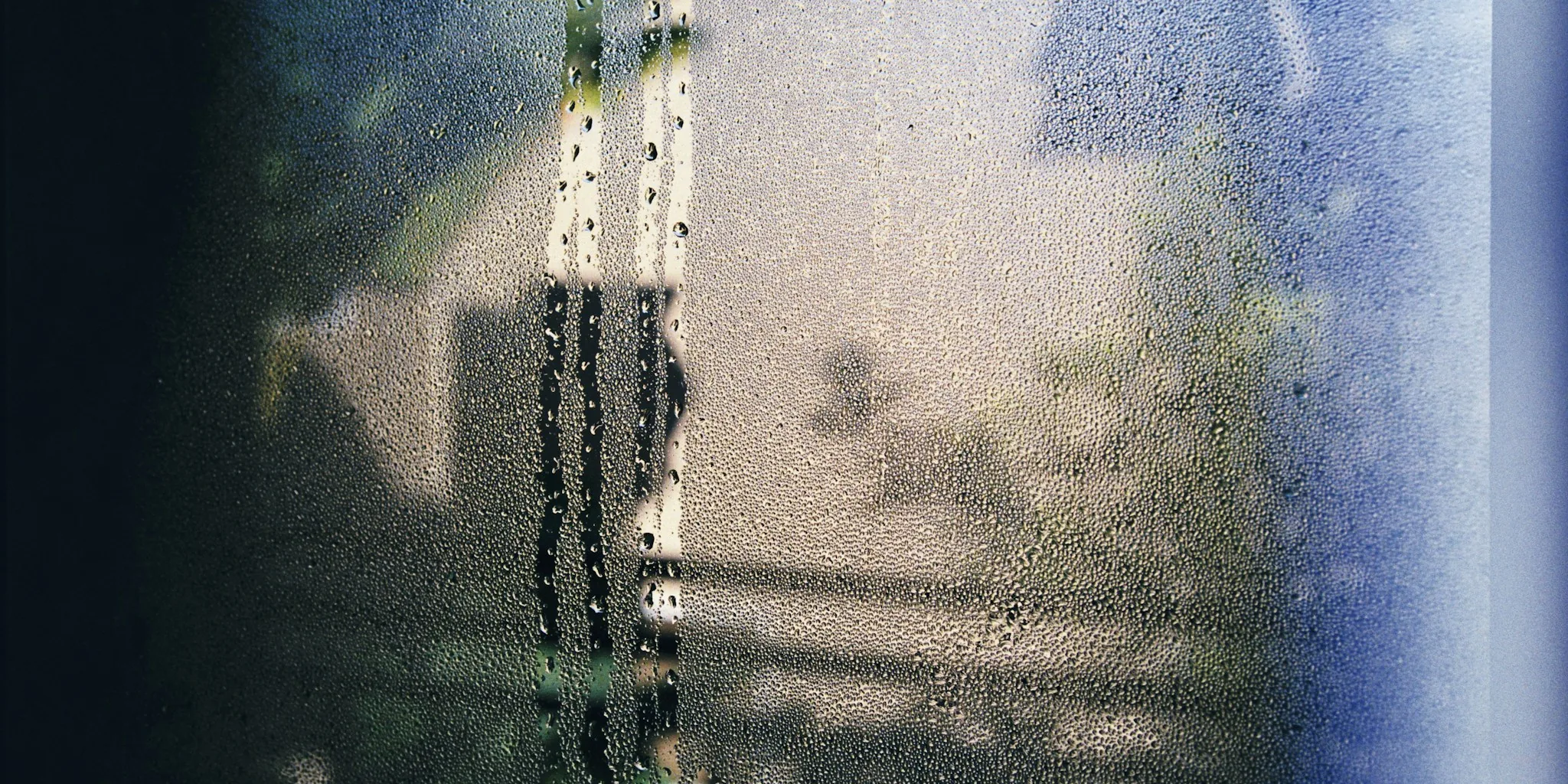
The first error homeowners make is waiting for visible signs of dampness before considering a dehumidifier. You may already need one if your indoor air feels sticky, you notice condensation forming on windows, or you detect musty smells and mold growth. Even recurring allergy symptoms can signal excess moisture in your home.
The U.S. Environmental Protection Agency recommends maintaining indoor humidity between 30 and 50 percent. When levels exceed 50 percent, it creates comfort, health, and structural maintenance problems. Rather than waiting for damage to occur, invest in a simple humidity monitor to track levels proactively. These affordable tools let you catch moisture problems before they develop into costly repairs.
Mistake 2: Ignoring the Different Types Available

Dehumidifiers come in two main varieties: compressor and desiccant models. Understanding the difference is essential for choosing the right unit for your environment.
Compressor dehumidifiers work best in warm spaces above 65 degrees Fahrenheit. They pull in damp air and pass it over cold coils to condense moisture into a collection tank. These units are heavier and lose efficiency in cold temperatures, where they can even freeze up. They’re ideal for living rooms and main living areas.
Desiccant dehumidifiers perform better in cold, unheated spaces like garages, basements, and crawl spaces. They draw air over a rotating wheel coated with moisture-absorbing material, then exhaust slightly warmed air. While these units consume more electricity than compressor models, they operate more quietly because of their internal electric heater.
Mistake 3: Selecting the Wrong Capacity for Your Space
Choosing an undersized dehumidifier means constant tank emptying. Conversely, oversizing wastes energy and money. Dehumidifiers are rated by how many pints of moisture they extract in 24 hours, and matching this capacity to your space size is crucial.
Small units holding 20 to 25 pints work for spaces up to 500 square feet, such as bedrooms, bathrooms, and studies. Medium-capacity units with 30 to 35 pints suit areas between 500 and 1,500 square feet, including offices and damp crawl spaces. For large basements or spaces covering 3,000 to 5,000 square feet, choose a high-capacity unit with 45 to 50 pint capacity. If your basement faces significant moisture challenges, you may need maximum capacity to stay ahead of moisture accumulation.
Mistake 4: Overlooking Noise Levels

If you plan to place a dehumidifier in a quiet zone like a bedroom or home office, noise matters more than you might think. Compressor dehumidifiers tend to be louder than desiccant models because their compressors and fans generate more sound during operation.
Check the decibel rating before purchasing. Units rated between 35 and 40 decibels are very quiet and excellent for bedrooms. Options rated 40 to 45 decibels still provide peaceful operation suitable for quiet spaces. This simple specification can significantly impact your comfort, especially if the unit runs frequently.
Mistake 5: Neglecting Valuable Extra Features
Smart features and conveniences vary widely across dehumidifier models, and missing them means losing efficiency. Look for units with a built-in humidistat that automatically maintains your desired humidity level without manual adjustment. Auto mode and automatic restart after power outages add significant convenience.
If water collection is high in your space, choose a model with a drainage hose connection. This eliminates constant tank emptying and prevents overflow. Multi-speed fans let you run quietly in bedrooms during the night and switch to high-power airflow for basement applications. Many modern units offer app controls that let you monitor humidity remotely, adjust settings from your phone, and receive alerts when the tank is full or filters need cleaning.
Investing in indoor air quality monitoring tools paired with the right dehumidifier ensures you maintain optimal home conditions year-round. The combination of proper equipment selection and proactive humidity management protects your home’s structure, improves indoor air quality, and creates a more comfortable living environment.





