

Why Gutter Maintenance Matters for Your Roof
Your gutters are one of the most critical yet overlooked components of your roofing system. Their primary job is to collect rainwater from your roof and direct it safely away from your home. When gutters become clogged with leaves, twigs, and debris, water backs up and overflows, potentially causing serious damage to your roof, fascia boards, foundation, and landscaping. Yet many homeowners neglect gutter maintenance until visible problems emerge. Understanding how to care for your gutters is essential to protecting your entire home investment.
Establish a Regular Cleaning Schedule
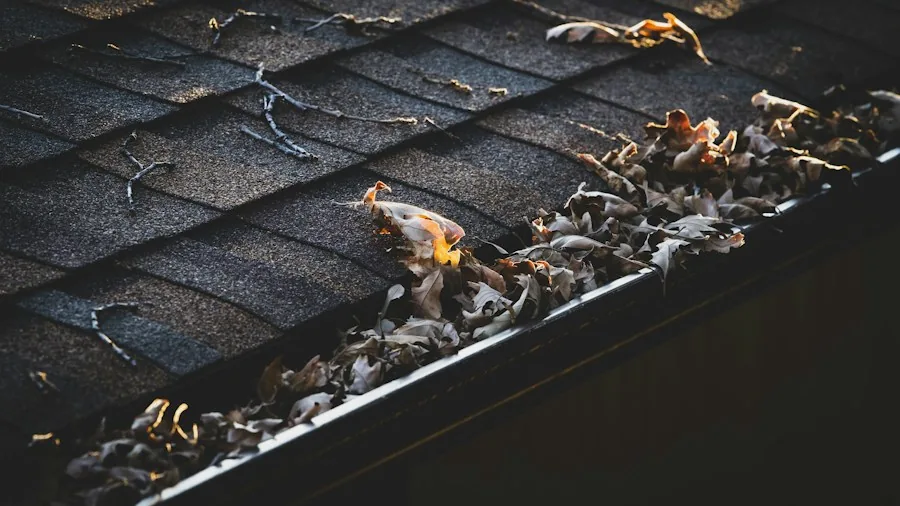
For most homes, cleaning gutters once or twice per year is sufficient to maintain proper water flow. Spring and fall are the ideal times to tackle this task. A spring cleaning removes debris that accumulated during winter months and lets you inspect for any damage caused by freezing temperatures or storms. Fall cleaning is equally important because deciduous trees shed massive amounts of leaves, which can quickly clog downspouts and prevent water drainage. Wait until most nearby trees have finished dropping leaves, then clean before winter weather arrives. If your home sits in a region with mild winters or unusual seasons, adjust your schedule based on when your local trees naturally shed their leaves.
Watch for Warning Signs Between Cleanings
Rather than relying solely on a calendar, pay close attention to your gutters’ actual condition. Water overflowing from the gutters during rain indicates debris is blocking the system. Similarly, if water isn’t flowing out of your downspouts during steady rainfall, a clog likely exists somewhere in the line. Visible leaves, sticks, or other debris protruding above the gutter line means it’s time to clean. Plants actually growing from your gutters signal that maintenance is seriously overdue: seeds have taken root in the decomposed leaves and dirt sitting in the system. Another red flag is sagging gutters, which can result from the excessive weight of wet leaves and standing water. Additionally, if you notice water pooling around your home’s foundation, eroded mulch below the roofline, or streaks on your siding, clogged gutters may be the culprit.
Increase Frequency if You Have Specific Conditions
Some properties require more frequent gutter maintenance than others. Homes surrounded by mature trees experience constant debris influx from leaves, twigs, seeds, and blossoms. Pine trees are particularly problematic because their needles are small enough to slip through gaps and accumulate around downspout openings. If your area experiences frequent storms or high winds, strong gusts can deposit additional leaves and branches into your gutters. Check your gutters after severe weather, especially if you notice overflow during the next rainfall. The best approach is to track how quickly your gutters fill. If you’re cleaning them on a twice yearly schedule and they’re consistently packed with debris, add another cleaning session. Conversely, if they remain mostly empty, you may extend the interval between cleanings. Understanding the scope of potential roof damage can motivate you to stay on top of preventative maintenance like gutter cleaning.
Consider Gutter Guards and Professional Help
Gutter guards can reduce the amount of large debris entering your system, but they don’t eliminate maintenance entirely. Smaller particles, pine needles, and seeds still collect on top of or underneath guards, so periodic inspection is necessary. Check that water can still freely enter and drain through the system. If your home is more than one story tall, your roofline is difficult to access, or you’re simply uncomfortable working from a ladder, hiring a professional gutter cleaner is a smart investment in safety. Professional services typically cost less than repairing water damage caused by neglected gutters.
Clean Your Gutters Safely if You Do It Yourself
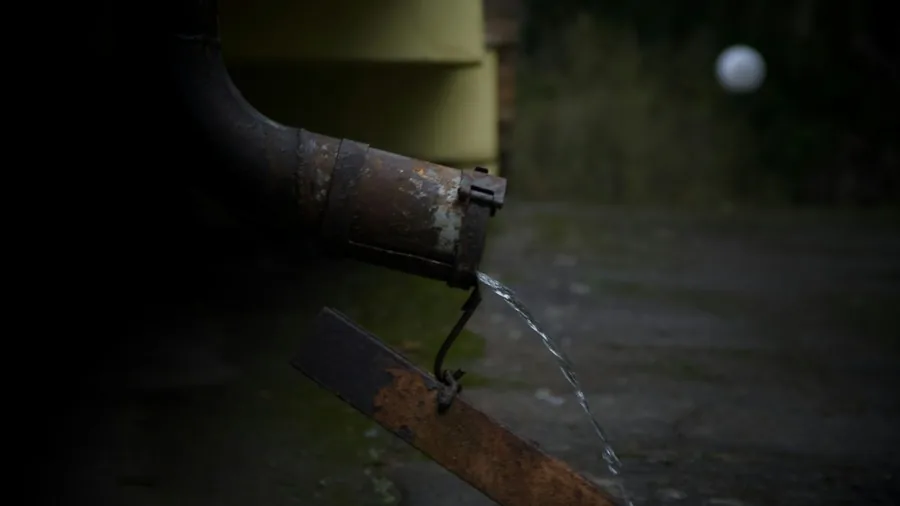
If you decide to clean your gutters yourself, follow these safety guidelines. Choose a dry day because wet leaves are heavier and more dangerous to handle on a ladder. Position a stable ladder on firm, level ground and avoid stretching sideways to reach distant sections. Always wear gloves since gutters can contain sharp debris, insects, and animal waste. Remove large debris by hand or with a gutter scoop, then flush the system with a garden hose to verify water flows toward downspouts. While cleaning, inspect for loose fasteners, leaking seams, cracks, or sections pulling away from the fascia. Roof connections in complex home additions make professional maintenance even more valuable.
Understand the Consequences of Neglect
Ignoring clogged gutters leads to expensive problems. Standing water can rot fascia boards and other roofing materials. Overflow directs water toward your foundation instead of away from it, potentially causing structural damage. Heavy runoff erodes mulch and soil around your home. Damp leaves provide shelter for insects, rodents, and pests. Persistent moisture creates conditions for mold and mildew growth in crawl spaces, basements, and around siding. In cold climates, standing water freezes inside clogged gutters, adding weight and stress that can cause them to fail. Regular maintenance prevents these costly issues and keeps your home protected year round.