

A cluttered garage can turn what should be a functional storage space into a catch-all zone that makes finding anything a frustrating challenge. Whether your garage has become a dumping ground for seasonal items, sports equipment, or household overflow, reclaiming that space is entirely possible with the right approach and planning.
1. Start by Decluttering and Being Honest About What You Need
Before you invest in any cabinets, shelving, or storage solutions, take a hard look at what’s actually occupying your garage. Pull everything out and sort items into keep, donate, and discard categories. Get rid of broken tools, expired supplies, and gear you haven’t used in years. This initial step is crucial because it reduces the total volume you need to organize and helps you identify which items you truly reach for on a regular basis. Once you’ve cleared away the excess, you’ll have a much clearer picture of your actual storage needs and can plan accordingly.
2. Evaluate Your Garage Layout and Existing Infrastructure
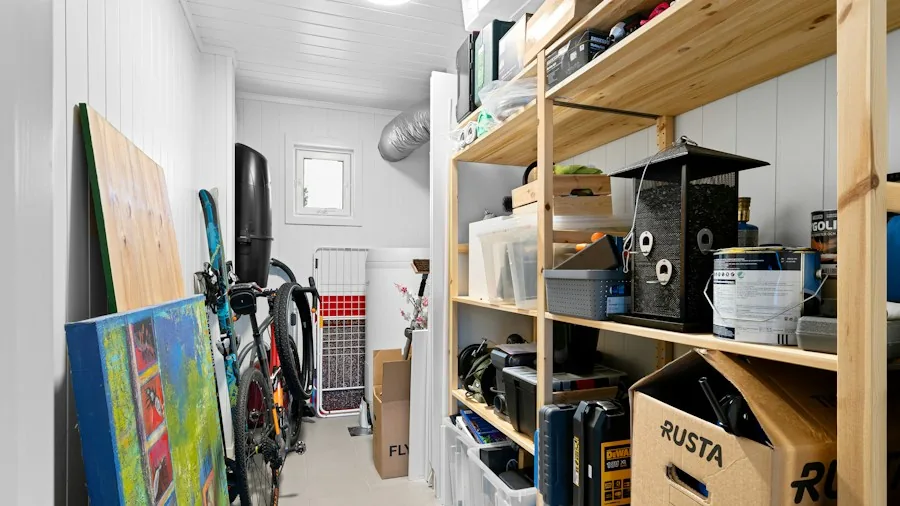
Every garage is different, and your storage solution must work with the space you have, not against it. Before finalizing any plans, take time to assess the existing features in your garage. Look at where outlets, switches, and appliances are located. Check for any hidden plumbing stacks or electrical wiring behind the walls. Note your garage door tracks, window placements, and ceiling height. The slope of your concrete floor matters too, since most garage floors are angled to direct water toward the door. Understanding these constraints upfront prevents costly mistakes and wasted effort during installation.
3. Prioritize Traffic Flow and Accessibility
A well-organized garage should make the space easier to use, not create new obstacles. Leave plenty of clearance around parked vehicles so you can open doors and drawers without struggle. Make sure you can comfortably move toward entry doors and access frequently used items without maneuvering through piles of stuff. Wall-mounted storage near exterior doors keeps your most-needed items within arm’s reach without disrupting your walking paths. Consider wall-mounted garage cabinet options that hold frequently used items while keeping the floor area open for movement and vehicle access.
4. Plan Storage Based on How You Actually Use the Space
Think beyond just parking a car. If you grill frequently, designate a dedicated spot for your grill tools and charcoal. If your kids use the garage for bikes and toys, create accessible storage they can manage themselves. If you tinker with vehicles or tackle DIY projects, you’ll need robust work surfaces, bright task lighting, and specialized organizers. If your garage doubles as a gathering space, consider adding comfortable seating or entertainment options. Matching your storage design to your actual daily routines ensures the system will actually serve you well rather than sit unused.
5. Add Proper Lighting and Environmental Control
Most garages suffer from inadequate lighting, which makes finding items harder and creates safety hazards. Install overhead LED shop lights for general illumination, and add task lighting above work surfaces or countertops where you’ll be doing detailed work. Look for bulbs in the 4000K to 5000K color temperature range for bright, natural-feeling light. Don’t overlook temperature control either. A poorly insulated garage can be too hot in summer and freezing in winter, making it unpleasant to spend time there. Consider insulating your garage door or adding a portable heater to make the space more comfortable year-round.
6. Choose Storage Solutions That Match Your Needs and Budget

You have options when it comes to garage storage. Ready-to-assemble (RTA) cabinet systems offer a good balance of cost, quality, and convenience. They ship flat and are easier to transport than custom cabinetry, arrive faster, and come in a wide range of sizes and finishes. Base cabinets with drawers work better than deep cabinets where you have to crouch and dig around. Open shelving and wall-mounted pegboard or slatwall provide flexible, accessible storage for items you use frequently. Garage floor mats can protect your concrete while defining different zones within the space. Mix and match storage types to create a system that’s customized to your specific collection of gear and tools.
7. Prep Your Space and Install Methodically
Before assembly day, take time to prepare your garage properly. Clean and patch any damaged drywall, then paint the walls with a light-colored, satin-finish paint that reflects light and resists scuffs. If you’re planning to seal your concrete floor, do it now while the space is empty. If you need additional electrical outlets, add them before cabinets go in. When you start assembly and installation, use a laser level to establish a perfectly level base, especially on sloping floors. Install wall cabinets before base cabinets if your layout allows it. Take your time with the first piece, but once you understand the system, installation moves quickly. Plan ahead for where cords will run if you’re adding a TV or additional outlets.
A well-organized garage transforms a chaotic space into a functional extension of your home. By decluttering first, understanding your layout, and choosing the right storage solutions, you’ll create a garage that keeps up with your actual lifestyle and makes finding and storing your belongings effortless.