

Breaking up a concrete slab by hand is one of those jobs that makes you deeply appreciate what the right power tool can do. Demolition hammers deliver thousands of blows per minute, turning hours of backbreaking sledgehammer work into a manageable afternoon task. Whether you are ripping out a bathroom floor, busting through a foundation wall, or chipping old asphalt, the right demolition hammer transforms the job entirely. Our editorial team at HomeThru independently researched, compared, and evaluated the top-rated demolition hammers on the market, weighing real-world user feedback, manufacturer specs, and verified buyer reviews across thousands of purchases. From budget-friendly DIY options from brands like XtremepowerUS and ENEACRO to professional-grade heavyweights from Bosch and Makita, this guide covers the full range so you can match the right tool to your specific project. If you are also researching complementary tools, our coverage of rotary hammers for concrete and masonry work and hammer drills ranked for tough materials will help you build out a complete kit.
Top Demolition Hammers We Recommend

Pros
- Industrial-grade power handles concrete, brick, tile, and block with consistent performance
- Adjustable front handle gives you better ergonomic control and reduces fatigue on longer jobs
- Comes fully equipped with essential safety gear and replacement bits to get started immediately
- Heat-treated steel chisels stay sharp and secure without dropping during use
- Versatile enough for both small DIY projects and larger construction applications
Cons
- No customer reviews available yet, making it difficult to assess real-world durability and long-term reliability
- Heavy-duty demolition hammers generate significant vibration and noise, requiring proper hearing and hand protection
The XtremepowerUS 2200W demolition hammer is built for homeowners and contractors who need serious concrete-breaking capability. With 2200 watts of motor power and an 1800 impact-per-minute rate, this tool delivers the force necessary to tackle demolition work on concrete floors, brick walls, tile surfaces, and block structures. The heavy-duty metal construction emphasizes durability and corrosion resistance, which matters when you're working in harsh job site conditions.
What sets this demolition hammer apart is its thoughtful design for user control and safety. The 360-degree rotary front handle adjusts to multiple working angles, helping you maintain better leverage and reducing strain during extended use. The chisel clamping system holds bits securely without accidental slippage, and the package includes two heat-treated alloy steel chisels (flat and point) so you can switch between tasks without purchasing additional bits. Protective gloves and goggles come standard, addressing immediate safety needs.
This tool works well across a variety of construction and renovation scenarios, from plumbing installations and trenching to interior decoration and water supply system work. The versatility combined with industrial-grade power makes it a practical choice for both DIY projects and professional applications. Keep in mind that demolition hammers are inherently loud and vibration-heavy tools, so proper hearing protection and anti-vibration gloves are essential for comfortable, safe operation.
| Specification | Detail |
|---|---|
| Motor Power | 2200 watts |
| Impact Rate | 1800 impacts per minute |
| Front Handle | 360-degree rotary adjustment |
| Chisel Material | Heat-treated alloy steel |
| Included Chisels | Flat chisel (16") and point chisel (16") |
| Construction | Heavy-duty metal with corrosion resistance |
| Accessories Included | Protective gloves, protective goggles, hex wrenches |
| Applications | Concrete, brick, tile, block, stucco, trenching, plumbing installation |
Before You Start: Always wear protective goggles and heavy-duty gloves. Ensure the work area is clear of obstacles and bystanders. Plug the hammer into a properly grounded outlet with adequate power capacity.
Setting Up: Insert your chosen chisel bit (flat or point) into the clamping mechanism and tighten securely. Adjust the 360-degree front handle to a comfortable angle for your working position. This might be horizontal for floor work or angled for wall demolition.
Operation: Hold the hammer firmly with both hands, positioning yourself for stability. Start the motor and let the tool do the work by applying steady downward or forward pressure. Avoid forcing the tool; the impact mechanism provides the breaking force. Move gradually across the surface you're demolishing, allowing the chisel to penetrate and chip away material. For tile or stucco, lighter pressure works better. For thick concrete, you may need to make multiple passes.
Maintenance: After use, allow the tool to cool before storing. Keep the air vents clear of dust and debris. Periodically check that chisel bits are secure and replace them when they become dull or damaged.
Personal Protective Equipment (PPE): Always wear the included protective goggles to shield your eyes from flying debris and dust. Use the included heavy-duty gloves to protect your hands and reduce vibration exposure. Consider adding hearing protection (earplugs or earmuffs) since demolition hammers produce high noise levels above 100 decibels.
Vibration Hazards: Prolonged exposure to vibration can cause hand fatigue and discomfort. Take regular breaks during extended use, and consider anti-vibration gloves designed for power tools. Maintain a firm but not white-knuckle grip to absorb some vibration naturally.
Electrical Safety: Use a grounded outlet and ensure the power cord is in good condition with no cuts or damage. On wet or damp job sites, consider using a ground-fault circuit interrupter (GFCI) outlet for added protection. Never operate the tool with wet hands.
Work Environment: Ensure the work surface is stable and secure before beginning. Clear the area of tripping hazards and loose materials. Keep bystanders at a safe distance. Wear a dust mask or respirator when breaking concrete or brick, as silica dust poses serious respiratory risks. Provide adequate ventilation, especially in enclosed spaces.
Choosing the Right Chisel: Use the flat chisel for general concrete and floor breaking, and switch to the point chisel when you need to target specific spots or break through stubborn sections. The point chisel concentrates force in a smaller area, making it ideal for tile, grout lines, and precise demolition work.
Technique Matters: Let the tool's impact rate do the work. Pushing too hard can actually slow progress and increase fatigue. Use steady, controlled pressure and allow the hammer to chip away material gradually. This approach also extends tool life and reduces vibration strain on your body.
Surface Preparation: For concrete floors, slightly dampen the surface before starting. This reduces dust clouds and helps the chisel grip better. However, avoid soaking the area, as excess water can affect the tool's performance.
Angle Optimization: Adjust the 360-degree front handle to match your work surface angle. For horizontal floors, keep the handle low for better downward force. For vertical walls, angle the handle to maintain control and prevent the tool from bouncing.
Dust Control: Set up a shop vacuum nearby to capture dust as you work. This improves visibility, reduces respiratory exposure, and keeps your work area cleaner. A vacuum with a HEPA filter is ideal for concrete dust containing silica.

Pros
- Genuinely lightweight and easy to maneuver compared to traditional demolition hammers
- Fast chisel changes with no wrench required saves time on job sites
- Anti-vibration system and ergonomic grip reduce hand and arm strain during longer sessions
- Durable aluminum alloy housing withstands accidental drops and rough job-site conditions
- Comes fully equipped with essential accessories and a carrying bag for portability
Cons
- Hammer-only function means no drilling capability, limiting versatility for mixed-use projects
- No customer reviews available yet, so long-term durability and reliability remain unproven
The ENEACRO ENDH45 demolition hammer is purpose-built for homeowners and DIYers who need focused, powerful impact force without the bulk of larger machines. At 12.8 pounds with an 11 Amp motor, this tool delivers 4100 blows per minute and 11.6 foot-pounds of force, making it capable of breaking concrete, tiles, brick, and stucco efficiently. The 360-degree adjustable handle is a genuine convenience feature, allowing you to switch between horizontal and vertical work angles without repositioning or tool changes.
Comfort and control are central to this hammer's design. The anti-vibration system, PU soft grip, and anti-scald front housing work together to reduce fatigue and protect your hands during extended use. The SDS-Max chuck system is particularly well-designed: chisels lock securely without tools, and the self-lock button lets you maintain continuous operation without constantly pressing the trigger. This matters when you're chipping away at large areas or removing multiple tiles in succession.
The included kit is generous and practical. You get two different chisels (flat and bull point), an auxiliary handle, replacement carbon brushes, lubricant grease, a wrench, and a carrying bag. This means you're ready to tackle demolition work right out of the box. The aluminum alloy construction feels solid, and the tool is designed to handle accidental drops without compromising performance, which is realistic for job-site use.
| Model | ENDH45 |
| Brand | ENEACRO |
| Motor Power | 11 Amp Industrial Motor |
| Blows Per Minute (BPM) | 4100 |
| Impact Force | 11.6 ft-lbs (15.7 Joules) |
| Weight | 12.8 lbs |
| Chuck Type | SDS-Max |
| Handle | 360-Degree Adjustable |
| Motor Wire | Heat-Resistant Copper |
| Housing Material | Aluminum Alloy |
| Functions | Hammer Only (No Drilling) |
| Included Accessories | Flat Chisel, Bull Point Chisel, 360 Auxiliary Handle, Replaceable Carbon Brush Set, Lubricant Grease, Wrench, Tool Bag |
Setup and Chisel Installation
Before first use, apply lubricant grease to the SDS-Max chuck area. Insert your chosen chisel (flat or bull point) straight into the chuck and twist clockwise until it locks firmly. The thick clamping section will hold the chisel securely without requiring a wrench.
Operating the Hammer
Attach the 360-degree auxiliary handle to your preferred angle for the task. Put on safety glasses and work gloves. Plug in the hammer and position it against the surface you're breaking. Press the trigger to begin operation. For continuous work, activate the self-lock button so you don't need to hold the trigger constantly. Let the tool do the work; apply steady pressure rather than forcing it.
Switching Chisels and Maintenance
To change chisels, simply twist the chuck counterclockwise to release the current bit. No tools are needed. After extended use, check the carbon brushes (replacements are included) and reapply grease to the chuck as needed. Always unplug the tool before performing maintenance.
Personal Protective Equipment
Always wear safety glasses to protect against flying debris. Heavy-duty work gloves reduce vibration transmission to your hands and provide grip security. Consider a dust mask when breaking concrete or tiles, as fine dust particles can be inhaled. Hearing protection is recommended for extended use, as impact hammers produce significant noise.
Safe Operation Practices
Inspect your work surface for cracks, weak points, or hidden utilities before beginning. Secure the auxiliary handle firmly and maintain a stable stance with feet shoulder-width apart. Never force the tool; let the motor and impact mechanism do the work. The anti-scald housing protects against burns, but the front area does get warm during use, so avoid touching it. Keep the power cord away from your work area to prevent tripping or damage.
Tool Maintenance and Storage
Always unplug the hammer before changing chisels, cleaning, or performing maintenance. Store the tool in the included bag in a dry location away from moisture. Keep the cord coiled properly to prevent kinks. Never submerge the tool in water. If the cord becomes damaged, stop using the tool immediately and have it serviced before continuing.
Who Should Buy This Hammer?
The ENEACRO ENDH45 is ideal for homeowners and DIYers tackling medium-duty demolition projects: tile removal, concrete breaking, brick chipping, stucco removal, and interior wall demolition. It's also suitable for professionals who need a lightweight, portable option for multiple job sites. If you're planning foundation removal, plumbing work that requires breaking concrete, or mechanical installation involving masonry, this tool fits the bill. However, if you need drilling capability in addition to hammering, you'll want a rotary hammer with dual functionality.
Key Considerations Before Purchasing
This is a hammer-only tool, meaning it cannot drill holes. The SDS-Max chuck accepts only SDS-Max chisels, not standard bits. The 4100 BPM and 11.6 ft-lbs of force are suitable for medium-duty work; for heavy demolition or extremely thick concrete, you may need a more powerful model. The 11 Amp motor requires a standard 120V outlet, so ensure you have adequate power access on your job site. Consider whether the included two chisels cover your planned tasks, or if you'll need additional specialty bits.
Value and Warranty
The comprehensive kit with two chisels, auxiliary handle, grease, wrench, and carrying bag represents good value compared to purchasing these items separately. The aluminum alloy construction and heat-resistant motor suggest durability, though long-term reliability data is limited due to the lack of customer reviews. Check the manufacturer's warranty details and register your tool if registration is offered. For professional use, factor in the cost of replacement chisels and maintenance supplies over time.
Pros
- Exceptional power-to-weight ratio delivers 9.6 ft-lb impact energy in a tool light enough for all-day use
- Variable speed control and Auto Max feature give you precision control and consistent performance across different demolition tasks
- Ergonomic D-handle with vibration control significantly reduces hand fatigue and strain
- Durable metal and plastic construction built to withstand heavy demolition demands
- Included carrying case protects your investment and makes transport convenient
Cons
- Requires a 120V outlet, limiting portability compared to cordless models for remote job sites
- No reviews currently available to assess long-term durability and real-world performance from actual users
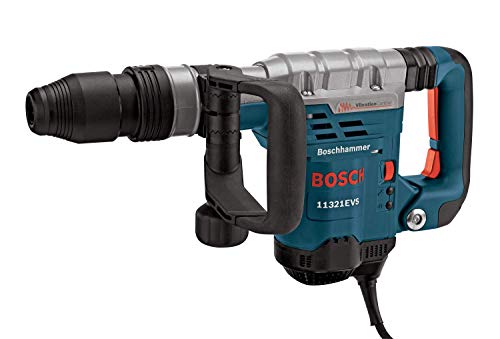
The Bosch 11321EVS SDS-Max Demolition Hammer combines professional-grade power with practical usability for homeowners and DIYers tackling serious demolition projects. With a 13-amp motor delivering 9.6 ft-lb of impact energy and variable speed control ranging from 1,300 to 2,900 blows per minute, this tool handles concrete, tile, block, and masonry removal with impressive efficiency. The standout feature is its lightweight design at just 13.7 lbs, which significantly reduces arm and shoulder fatigue during extended use compared to heavier demolition hammers.
Control and precision are where this hammer truly shines. The Auto Max speed dial automatically optimizes performance when you power on, eliminating guesswork about proper settings. The Vario Lock positioning system lets you adjust the work angle for optimal chiseling, improving both accuracy and comfort. The Constant Response circuitry maintains consistent speed even when you're working through tough materials, so you don't experience power loss mid-job. The Softgrip Vibration Control D-Handle further enhances comfort and control, making it practical for homeowners who aren't accustomed to extended tool use.
For the price point and feature set, the 11321EVS represents solid value for DIYers planning renovation projects or contractors who need a reliable backup tool. The included carrying case protects your investment and makes transport easy. Keep in mind this is a corded model requiring a 120V outlet, so you'll need extension cords for remote areas. If you're planning regular demolition work, this hammer's combination of power, control, and ergonomic design makes it worth serious consideration.
| Specification | Details |
|---|---|
| Brand | Bosch |
| Model | 11321EVS |
| Type | SDS-Max Demolition Hammer |
| Motor | 13 Amp |
| Voltage | 120V |
| Impact Energy | 9.6 ft-lb |
| Blows Per Minute (BPM) | 1,300 - 2,900 (variable) |
| Weight | 13.7 lbs |
| Length | 22.5 inches |
| Features | Hammer-only mode, Constant Response circuitry, Auto Max speed dial, Vario Lock positioning, Softgrip Vibration Control D-Handle |
| Included Accessories | Carrying case |
| Applications | Chipping and breaking concrete, tile, block, and masonry |
Before You Start: Always wear safety glasses, dust mask, and hearing protection when operating a demolition hammer. Ensure your work area is clear of obstacles and that you have a firm, stable stance.
Setting Up: Plug the hammer into a properly grounded 120V outlet with adequate power capacity. Familiarize yourself with the Auto Max speed dial and Vario Lock positioning system. The Auto Max will automatically set optimal speed when powered on, but you can adjust the variable speed dial from 1,300 to 2,900 BPM based on your material and comfort level.
Operating the Hammer: Use the Vario Lock positioning to angle the chisel for the best work position. Start with the tool at full power and adjust speed downward if needed for better control on delicate areas. Let the hammer do the work; don't force it through material. For tile and thinner materials, lower speeds often provide better control and cleaner breaks. For thick concrete and block, higher speeds deliver maximum impact energy.
Maintenance Tips: After use, allow the motor to cool before storing. Keep the air vents clear of dust and debris. Check the power cord regularly for damage before each use. Store in the included carrying case to protect the tool and keep it organized.
Personal Protective Equipment (PPE): Always wear ANSI-certified safety glasses to protect against flying debris and dust. Use a dust mask or respirator rated for concrete dust (N95 minimum, preferably P100 for extended use). Wear hearing protection such as earplugs or earmuffs, as demolition hammers produce noise levels around 100+ decibels. Consider wearing gloves for better grip and protection.
Electrical Safety: Use a properly grounded 120V outlet and ensure your extension cord is rated for the tool's 13-amp draw. Never use the hammer in wet conditions or with wet hands. Inspect the power cord for damage before each use. Keep the cord away from sharp edges and hot surfaces.
Operational Safety: Maintain a firm, stable stance with feet shoulder-width apart. Keep both hands on the D-Handle at all times for control. Never reach over or under the tool while it's operating. Be aware of kickback potential when the chisel suddenly breaks through material. Work in well-ventilated areas to minimize dust inhalation. Keep bystanders at least 10 feet away from your work area. Never leave the running tool unattended.
Material-Specific Precautions: Before starting, identify what you're demolishing. Some older concrete or materials may contain asbestos or lead; consult a professional if unsure. Avoid striking reinforced concrete with rebar if possible, as it can cause unexpected kickback. Always check for hidden pipes, wires, or structural elements before breaking into walls or floors.
Material-Specific Techniques: For ceramic tile, start at grout lines and work at medium speed for cleaner breaks with less chipping. Concrete demolition works best at higher speeds (2,500+ BPM) for maximum impact energy, but lower speeds (1,800-2,200 BPM) give better control on precision work. For mortar between bricks or blocks, medium speed prevents over-breaking surrounding material. Test your speed on a small inconspicuous area first to dial in the right setting for your specific material.
Positioning and Angle: Use the Vario Lock positioning system to angle the chisel 15-30 degrees from vertical rather than straight down; this creates a shearing action that's more efficient than pure impact. Position the tool so you're working downward or at a slight angle whenever possible, as gravity assists the breaking action. Maintain consistent pressure without forcing the tool; let the hammer's impact do the work.
Efficiency and Fatigue Management: The 13.7 lb weight is light for a demolition hammer, but extended use still causes fatigue. Take 10-15 minute breaks every hour to rest your arms and shoulders. Use both hands firmly on the D-Handle to distribute vibration and stress. The Softgrip Vibration Control significantly reduces fatigue, but proper technique amplifies this benefit. Plan your demolition strategy before starting to minimize unnecessary tool operation time.
Dust Control: Use a shop vacuum with a dust collection attachment if your model supports it, or position a fan to blow dust away from your breathing zone. Wear your dust mask even with ventilation. Damp down the work area lightly before starting (but keep the tool dry) to suppress airborne dust. Concrete dust is particularly hazardous to lungs, so prioritize dust control on large demolition projects.

Pros
- Excellent power-to-weight ratio delivers serious breaking force without excessive bulk
- Vibration reduction technology meaningfully decreases hand and arm fatigue
- Rugged all-metal housing and sealed gearbox withstand heavy jobsite conditions
- Versatile bit compatibility and 360-degree handle give you control in tight or awkward spaces
- Service Minder brush system alerts you when maintenance is needed, preventing damage
Cons
- At 35 pounds, this is a heavy tool that demands physical strength and endurance for overhead or extended work
- Requires standard 1-1/8-inch hex bits, which may need separate purchase if you don't already own compatible steel
The Bosch 11335K is a serious demolition hammer built for homeowners and DIYers who need to tackle real concrete removal work. With 22 ft.-lbs. of impact force and a 35-pound weight, it strikes a practical balance between raw power and manageability. The in-line design keeps the tool balanced whether you're working vertically, horizontally, or at angles, which matters when you're breaking up concrete slabs, removing tile, or chipping away at masonry.
What sets this hammer apart is its attention to operator comfort. The vibration control technology reduces shock at both the hammer mechanism and the handles, which translates to less arm and hand fatigue during longer work sessions. The 360-degree articulating auxiliary handle lets you reposition your grip to match the job, giving you better control in tight corners or overhead applications. The tool also features a Service Minder brush system that shuts down the motor when brushes wear, preventing potential damage and telling you exactly when maintenance is needed.
Build quality is solid throughout. The all-metal housing, metal tube, and wheeled carrying case all reflect Bosch's commitment to durability. The grease-packed gearbox and hammer mechanism run smoothly and are designed to handle the repetitive stress of heavy demo work. The versatile two-way bit retention accepts both Bosch 1-1/8-inch hex steel and standard air tool steel, giving you options if you already have compatible bits on hand.
| Brand | Bosch |
| Model | 11335K |
| Product Type | Demolition Hammer / Concrete Breaker |
| Impact Force | 22 Ft.-Lbs. |
| Weight | 35 Lbs. |
| Bit Size | 1-1/8 Inch Hex |
| Bit Compatibility | Bosch 1-1/8 In. hex steel and standard 1-1/8 In. air tool steel |
| Handle Type | 360 Degree Articulating Auxiliary Handle |
| Design | In-Line for balanced angled, horizontal, and vertical use |
| Vibration Control | Shock reduction in hammer mechanism and at handle |
| Gearbox | Grease-Packed for smooth, robust operation |
| Housing | All-Metal with metal tube construction |
| Maintenance Feature | Service Minder Brush System |
| Storage | Carrying case with wheels included |
Setup and Preparation
Before starting, ensure you have the correct 1-1/8-inch hex bit installed securely in the chuck. Adjust the 360-degree auxiliary handle to a comfortable position for your work angle. Wear appropriate safety gear: safety glasses, dust mask or respirator, hearing protection, and work gloves. Check that the work surface is secure and won't shift during operation.
Operating the Hammer
Hold the tool with both hands, keeping a firm grip on both the main handle and the auxiliary handle. Apply steady downward pressure without forcing the tool; let the impact mechanism do the work. For vertical applications like breaking up floor slabs, position the handle straight down. For horizontal work like removing tile from walls, keep the tool level. Start at the edge of the area you're breaking and work progressively inward. Allow the tool to reach full speed before making contact with the surface.
Maintenance and Care
Monitor the Service Minder brush system indicator. When the tool indicates maintenance is needed, stop using it and service the brushes to prevent damage. Keep the grease-packed gearbox clean of debris. Store the tool in the included wheeled case to protect it from jobsite damage and make transport easier.
Personal Protective Equipment (PPE)
Always wear safety glasses or a full face shield to protect against flying concrete chips and dust. Use a dust mask or NIOSH-approved respirator when breaking concrete, as silica dust is a serious health hazard. Wear hearing protection, as demolition hammers produce high noise levels. Heavy-duty work gloves protect your hands and improve grip control.
Handling and Control
This is a 35-pound tool that requires two-handed operation and solid footing. Never operate with one hand. Maintain a stable stance with feet shoulder-width apart. Use the 360-degree auxiliary handle to position the tool for your specific work angle, which reduces strain and improves control. Do not use the tool above shoulder height for extended periods, as fatigue increases accident risk. Take regular breaks to prevent muscle fatigue and loss of control.
Work Environment Safety
Inspect the work surface before starting to ensure it's stable and won't collapse under pressure. Keep bystanders at least 10 feet away from the work area. Secure any loose materials or debris that could become projectiles. Never operate the tool near electrical wiring or plumbing. Ensure adequate ventilation if working indoors. Check the tool for damage before each use, and never operate a damaged or malfunctioning hammer.
Technique for Better Results
Let the tool's impact force do the work rather than applying excessive downward pressure. A steady, moderate grip with good control is more effective than forcing the tool hard into the surface. For large concrete slabs, create a grid pattern of shallow breaks first, then go back and deepen them. This approach is faster and safer than trying to break through in one pass. When removing tile or thin masonry, angle the bit slightly rather than hitting straight on; this creates a shearing action that breaks material more efficiently.
Managing Fatigue and Precision
The vibration control technology helps reduce fatigue, but you'll still feel impact force. Rotate which arm and shoulder you lead with every 15-20 minutes to distribute fatigue evenly. Use the articulating auxiliary handle to shift your body position frequently rather than holding the same posture. This keeps different muscle groups fresh and improves accuracy. Take short breaks every 30-45 minutes to maintain focus and control.
Bit and Tool Maintenance
Check your bit regularly for cracks or excessive wear. A damaged bit reduces efficiency and can break suddenly. Keep spare bits on hand so you can swap out worn ones quickly. The grease-packed gearbox is sealed, but dust and concrete debris will accumulate around the chuck. Wipe down the tool regularly with a damp cloth and allow it to dry completely before storage. Store in the wheeled case to protect it from damage and keep it organized for your next project.

Pros
- Powerful 14-amp motor handles concrete, brick, and stone removal with minimal bogging down
- Automatic power adjustment keeps performance consistent on tough materials
- Predictive maintenance alerts reduce unexpected downtime on job sites
- Soft Start feature makes the tool easier to control and safer to operate
- Heavy 35 lb weight provides momentum and stability for demolition work
Cons
- At 35 pounds, extended overhead work can cause user fatigue and requires good upper body strength
- No customer reviews available yet, so long-term durability feedback from homeowners is limited
The Makita HM1307CB is a purpose-built demolition hammer designed for contractors and serious DIYers who need to remove concrete, brick, tile, and other masonry materials quickly and efficiently. Its 14-amp motor generates 25.7 foot-pounds of impact energy, providing the raw power needed for demanding demolition tasks without constant recharging or power loss during extended use.
What sets this model apart is its intelligent feature set. Constant Speed Control automatically boosts power when you encounter resistance, so the tool maintains consistent performance whether you're working on soft mortar or hard concrete. The Soft Start function suppresses the jarring reaction at startup, giving you better control and reducing fatigue during precise work. The dual LED indicators provide practical on-the-job diagnostics: one alerts you about brush wear before failure occurs, while the other flags potential cord or switch damage.
This is a corded tool, which means unlimited runtime and no battery management, but it requires proximity to a power outlet and careful cord handling on job sites. The 1-1/8 inch hex bit compatibility opens up a wide range of chisels and bits, giving you flexibility for different demolition scenarios. Overall, the HM1307CB is a solid choice for anyone planning serious concrete removal work who values reliability and consistent performance over portability.
| Specification | Detail |
|---|---|
| Brand | Makita |
| Model | HM1307CB |
| Motor Type | Electric (Corded) |
| Motor Amps | 14 AMP |
| Impact Energy | 25.7 ft-lbs |
| Weight | 35 lbs |
| Bit Compatibility | 1-1/8 inch Hex |
| Speed Control | Constant Speed Control |
| Soft Start | Yes |
| LED Service Light | Yes (8-hour brush warning) |
| LED Power Lights | Yes (diagnostics) |
| Category | Demolition Hammer |
Safety First: Always wear appropriate personal protective equipment including safety glasses, dust mask or respirator, hearing protection, and heavy work gloves. Ensure the work area is clear of obstacles and bystanders.
Setup: Insert your selected 1-1/8 inch hex bit firmly into the chuck until it seats completely. Connect the tool to a properly grounded electrical outlet using a heavy-duty extension cord rated for outdoor/construction use. Perform a brief no-load test to confirm smooth operation.
Operation: Position the bit against your target material at the desired angle. Engage the trigger smoothly to start the hammer action. Let the tool do the work without forcing it. The Soft Start feature will ease the tool into full power. Maintain firm grip and control throughout operation. For best results, use short bursts and allow the tool to cycle fully rather than continuous trigger pressure.
Maintenance: Monitor the LED Service Light for brush wear alerts. Keep the air vents clear of dust and debris. After extended use, allow the motor to cool before storage. Store in a dry location away from moisture.
Personal Protective Equipment (Required): Safety glasses or face shield, dust mask or powered respirator, ear protection (85+ dB rated), heavy-duty work gloves, and steel-toed boots. Demolition work generates flying debris and high noise levels.
Electrical Safety: Use a properly grounded outlet and a heavy-duty extension cord rated for the tool's 14-amp draw. Never use the tool in wet conditions or with wet hands. Inspect the cord before each use for damage or cuts.
Operational Safety: The Soft Start feature reduces startup reaction, but always maintain a firm two-handed grip. Never reach over the bit or place hands near the work area during operation. Be aware of the tool's 35 lb weight and take frequent breaks to prevent fatigue, which increases accident risk. Ensure your work surface is stable and secure before starting.
Environmental Awareness: Demolition work generates significant dust containing silica and other harmful particles. Use a dust collection system or respirator, especially when working indoors. Clear the work area of bystanders and keep cords away from foot traffic.
Choosing the Right Bit: Different demolition tasks require different bit shapes. Flat chisels work well for removing tile and thin mortar, while pointed bits penetrate concrete more effectively. Wider bits cover more area but require more power. Start with the bit size that matches your specific task.
Technique Matters: Angle the tool slightly rather than driving straight down. This allows gravity to assist the impact and reduces arm strain. Work in sections rather than trying to remove large areas at once. Let the tool's impact do the work instead of applying downward pressure.
Power Management: The Constant Speed Control automatically adjusts for load, but you'll get better results if you pause periodically to allow the motor to cool slightly. This extends tool life and maintains consistent impact force throughout your project.
Dust Control: Use a shop vacuum with a HEPA filter connected to dust collection ports if available. Wet-sweeping the work area before starting reduces airborne dust. When working indoors, seal doorways and windows to contain dust spread.
Cord Management: Keep your extension cord routed away from the work area and secured so it won't snag or create tripping hazards. Use a cord reel or organizer on larger projects. Check cord condition regularly during use.

Pros
- SDS-max system with automatic bit locking saves time and effort on job sites with frequent bit changes
- Variable-speed control lets you match power output to the task, from delicate chipping to aggressive breaking
- Constant response circuitry maintains performance under heavy load without bogging down or stalling
- 12-position Vario-lock chisel positioning reduces wrist strain and improves control during long work sessions
- Robust construction and professional-grade features deliver reliable performance for demanding demolition tasks
Cons
- Heavy-duty power and weight make this tool better suited for professionals and experienced DIYers rather than casual homeowners
- SDS-max bits are larger and more specialized than standard rotary hammer bits, requiring specific accessory purchases
The Bosch 11316EVS stands out as a professional-grade demolition hammer designed for serious concrete and masonry work. The SDS-max bit system is a game-changer for users who need to swap tools frequently, offering automatic bit locking and superior impact energy transfer without requiring wrenches or manual adjustments. This efficiency translates directly to less downtime on the job site and faster project completion.
Variable-speed control is a key advantage that separates this model from single-speed alternatives. You can dial in the exact power level needed for your application, whether you're doing precision chipping on delicate surfaces or aggressive breaking on reinforced concrete. The Vario-lock positioning system, which rotates the chisel into 12 different angles, significantly reduces hand and wrist strain during extended use by allowing you to optimize your working posture and leverage. Combined with the padded rear handle and 360-degree auxiliary grip, this tool prioritizes operator comfort without sacrificing power.
The constant response circuitry keeps performance consistent even when you're pushing the tool hard under load, and the service minder light ensures you stay on top of maintenance before problems develop. Double insulation and UL listing provide peace of mind regarding safety and durability. This is a tool built to earn its keep on demanding jobs where reliability and consistent performance matter most.
| Specification | Details |
|---|---|
| Brand | Bosch |
| Model | 11316EVS |
| Type | SDS-max Demolition Hammer |
| Amperage | 14 Amp |
| Bit System | SDS-max with Automatic Locking |
| Speed Control | Variable-speed Dial |
| Chisel Positioning | Vario-lock (12 Positions) |
| Auxiliary Handle | 360-degree Rotation |
| Rear Handle | Padded for Shock Absorption |
| Protection Features | Constant Response Circuitry, Overload Protection, Service Minder Light |
| Safety Certification | Double Insulated, UL Listed, OSHA Compliant |
Getting Started: Ensure the tool is unplugged before inserting an SDS-max bit. Push the bit straight into the chuck until you hear or feel it click into place, indicating automatic locking is engaged. Always wear appropriate safety gear including eye protection, dust mask, and hearing protection before powering on.
Speed Control: The variable-speed dial allows you to adjust power based on your application. Start at lower speeds for precision chipping on delicate surfaces, and increase speed for aggressive breaking on heavy concrete. The dial also helps you maintain control and reduce fatigue during extended use.
Positioning for Comfort: Use the Vario-lock system to rotate the chisel into one of 12 positions that best suits your working angle and body posture. The 360-degree auxiliary handle can be repositioned to give you maximum stability and leverage. Adjust the padded rear handle position to distribute pressure evenly across your hands and reduce wrist strain during prolonged work sessions.
Maintenance: Watch for the service minder light, which indicates when the tool needs preventative maintenance. Keep the air vents clear of dust and debris, and inspect the power cord regularly for damage. Follow Bosch's maintenance schedule to keep your hammer in peak working condition.
Personal Protective Equipment: Always wear safety glasses or a full face shield to protect against flying debris and dust. Use a dust mask or respirator when working with concrete or masonry, as silica dust poses serious health risks. Hearing protection is essential due to the high noise levels produced by demolition hammers. Heavy-duty work gloves and steel-toed boots provide additional protection on job sites.
Proper Handling: This is a powerful tool that requires both hands to control safely. Never operate with one hand, and maintain a firm, balanced stance before engaging the hammer. Keep your body positioned to the side of the tool to avoid injury if the bit catches or binds. Always keep the power cord away from the work area and other people, and never pull the cord to disconnect the tool from the outlet.
Work Environment: Ensure your work area is well-lit and free of tripping hazards. Secure the material you're working on so it doesn't shift or move unexpectedly. Avoid using this tool in wet conditions or near standing water. Never leave the tool unattended while it's plugged in, and always unplug before changing bits or performing maintenance. Keep bystanders at a safe distance from your work area, especially children and pets.
Maximize Efficiency: Take advantage of the variable-speed dial to match your power output to each specific task. Lower speeds provide better control and precision for detailed chipping work, while higher speeds tackle heavy concrete faster. Switching speeds between tasks reduces tool wear and extends the life of your bits. Keep multiple SDS-max bits on hand so you can quickly swap between different sizes and styles without stopping work.
Reduce Fatigue: The Vario-lock positioning system isn't just a convenience feature; it's essential for managing fatigue during long jobs. Rotate the chisel periodically to change your working angle and distribute the physical demand across different muscle groups. Use the 360-degree auxiliary handle to find the grip position that feels most natural for your body and the specific angle you're working at. Take regular breaks to rest your hands, wrists, and shoulders.
Maintain Your Tool: Pay attention to the service minder light and don't ignore its alerts. Regular maintenance prevents breakdowns that can delay projects. Keep the tool clean by blowing out dust from the vents with compressed air after each use. Store the hammer in a dry location and inspect the power cord before each use. Proper care ensures your investment continues delivering reliable performance for years of demanding work.

Pros
- Exceptional impact force makes quick work of concrete, brick, and stone demolition
- Intelligent speed control automatically adjusts power to maintain consistent performance under load
- Soft start and slide switch design reduce operator fatigue and improve control on long jobs
- Proactive LED brush warning system helps prevent unexpected tool failure mid-project
- Heavy-duty construction and professional-grade components deliver reliability on demanding applications
Cons
- At 11 pounds, the weight demands significant arm strength and stamina during extended use, making it less suitable for overhead work or users with limited upper body strength
- SDS-Max tools and bits are more expensive than standard drill bits, increasing the total cost of ownership for occasional users
The Makita HM0870C demolition hammer is purpose-built for the toughest concrete and masonry applications. Its 10-amp motor generates a substantial 8.4 ft-lbs of impact energy, delivering the force needed to break through concrete, remove tile, and tackle serious demolition work. The constant speed control system is particularly valuable on demanding jobs, automatically applying additional power to maintain performance as resistance increases, so you won't experience the frustrating power loss that occurs with lesser tools.
Operator control and safety features set this model apart from basic demolition hammers. The soft start mechanism suppresses the violent startup reaction that can jolt your arms and reduce accuracy, while the easy-to-use slide switch allows for continuous operation without finger fatigue. The dual LED indicator system is smart design: one light tracks power integrity, while the other provides an 8-hour advance warning before brush replacement becomes necessary, helping you avoid unexpected downtime in the middle of a project.
This is a professional-grade tool that demands respect and proper technique. The 11-pound weight requires genuine upper body strength and proper stance, especially for overhead applications. The SDS-Max chuck system ensures bits stay secure during intense impacts and allows quick changes between tools. If you're planning serious demolition, concrete removal, or heavy masonry work and have the physical capability to operate a substantial power tool, the HM0870C delivers the performance and reliability you need.
| Specification | Detail |
|---|---|
| Brand | Makita |
| Model | HM0870C |
| Tool Type | SDS-Max Demolition Hammer |
| Motor | 10 AMP |
| Impact Energy | 8.4 ft-lbs |
| Weight | 11 pounds |
| Chuck Type | SDS-Max |
| Speed Control | Constant Speed Control |
| Start Feature | Soft Start Technology |
| Switch Type | Slide Switch for Continuous Use |
| Safety Features | LED Service Light, LED Power Light |
| Brush Life Indicator | LED notification at approximately 8 hours before replacement |
Before You Start: Always wear appropriate safety gear including safety glasses, hearing protection, dust mask or respirator, and heavy work gloves. Ensure the work area is clear of obstacles and bystanders. Inspect the tool for damage and verify the bit is securely seated in the SDS-Max chuck.
Operating the HM0870C: Grip the hammer firmly with both hands, using the side handle for stability and control. Position the bit perpendicular to the work surface. Activate the slide switch and allow the tool to reach full speed before applying pressure. Let the tool do the work; avoid forcing it. The constant speed control will automatically adjust power as needed. For vertical or overhead work, use proper stance and brace yourself against the tool's reaction.
Maintenance and Care: Monitor the LED service light for brush wear warnings. Allow the tool to cool between extended use periods. Keep the SDS-Max chuck clean and free of dust. Periodically check that the bit is secure. When brushes need replacement, follow the manufacturer's instructions or consult a qualified service center. Store the tool in a dry location and inspect the power cord regularly for damage.
Essential Protective Equipment: Always wear ANSI-rated safety glasses to protect against flying debris. Use a properly fitted dust mask or respirator, as concrete dust contains silica and poses serious respiratory hazards. Wear hearing protection rated for power tool noise (typically 85+ dB). Heavy work gloves provide hand protection, and steel-toed boots protect your feet if the tool is dropped.
Operational Safety: The soft start feature helps reduce kickback, but always maintain a firm, two-handed grip with the side handle engaged. Never operate with one hand. Keep your body positioned to the side of the tool, never directly behind it, in case of sudden reaction. Avoid loose clothing or jewelry that could be caught. Never leave a running tool unattended, and always disconnect the power cord before changing bits or performing maintenance.
Work Environment Safety: Ensure adequate ventilation when working indoors, as concrete dust accumulation is a hazard. Use dust collection systems when available. Keep bystanders at a safe distance. Never operate while fatigued. Take breaks to maintain control and focus. Inspect the power cord and plug before each use for damage. If the LED power light indicates an issue, stop using the tool immediately and have it inspected before continuing work.
Is This the Right Tool for Your Project? The HM0870C is designed for serious demolition and heavy-duty concrete work. If you're removing concrete floors, breaking up masonry, chiseling out tile, or performing professional-grade demolition, this tool delivers the power you need. However, if you're doing light chiseling, small repair work, or occasional DIY projects, a lighter-duty hammer drill may be more appropriate and easier to control.
Consider Your Physical Capacity: At 11 pounds, this is a heavy tool that demands strength and stamina. If you have shoulder, back, or wrist issues, or if you're planning extensive overhead work, the weight may become fatiguing. Test the weight in person if possible before purchasing. Proper technique and stance are essential to prevent injury and maintain control during extended use.
Factor in Total Cost of Ownership: The HM0870C requires SDS-Max bits and tools, which are more expensive than standard drill bits. Budget accordingly for replacement bits and accessories. The constant speed control and smart LED features justify the investment for professional use or frequent demolition work, but occasional users should weigh the tool cost against the frequency of use. Consider whether you'll use this tool enough to justify the investment, or whether renting might be more economical.

Pros
- Heavy-duty 10-amp motor provides reliable power for demanding demolition tasks
- Vibration-absorbing rubber handles reduce operator fatigue on longer jobs
- Versatile 4-position handle adjustment accommodates different working angles
- Includes carrying case, hex wrench, and everything needed to get started
- Professional-grade construction designed to withstand job-site demands
Cons
- No customer reviews available, limiting real-world feedback from actual users
- 20-pound weight may cause fatigue for lighter-framed users or extended overhead work
The Makita HM1211B is a serious tool designed for professionals and committed DIYers who need reliable demolition power. With its 10-amp motor and 20-pound weight, this hammer delivers the force necessary to break through concrete, brick, and masonry efficiently. The combination of raw power and thoughtful ergonomic design sets it apart from lighter-duty alternatives.
What makes this demolition hammer stand out is its attention to operator comfort during extended use. The rubber-grip side handles absorb vibration, which matters significantly when you're working for hours on challenging materials. The ability to secure these handles in four different positions means you can adapt to vertical walls, overhead work, or angled cuts without compromising control or safety. This flexibility reduces strain and fatigue, allowing you to work longer and more accurately.
The package includes everything you need to begin: the hammer itself, a hex wrench for bit changes, and a durable plastic carrying case for transport and storage. This all-in-one approach reflects Makita's professional orientation. The 1-year limited warranty provides standard protection, though the robust construction suggests this tool is built to handle years of demanding work. For homeowners or contractors serious about demolition projects, this represents a capable, well-engineered option.
| Specification | Details |
|---|---|
| Brand | Makita |
| Model | HM1211B |
| Type | Demolition Hammer |
| Weight | 20 pounds |
| Motor | 10 Amp Electric |
| Bit Size | 3/4-inch Hex |
| Handle Positions | 4 Adjustable |
| Grip Type | Rubber with Vibration Absorption |
| Dimensions | 19-5/16 x 5-11/16 x 9-13/16 inches (L x W x H) |
| Warranty | 1-Year Limited |
| Included Accessories | Hex Wrench, Plastic Tool Case |
Setup: Before starting, ensure the power cord is in good condition and the work area is clear. Insert your 3/4-inch hex bit into the chuck and tighten securely with the included hex wrench. Adjust the side handles to your preferred positions based on whether you're working vertically, horizontally, or overhead.
Operation: Grip the main handle firmly with one hand and use the side handles for stability and control. Let the hammer do the work rather than forcing it. Position the bit against your target surface (concrete, brick, or masonry) and engage the trigger smoothly. The vibration-dampening handles will help absorb shock, but maintain a firm grip to control the tool safely.
Maintenance: After each use, allow the motor to cool before storing. Periodically check that all handles are secure and the chuck grips bits firmly. Store in the included plastic case to protect the tool and keep accessories organized. Ensure the power cord is wrapped safely to prevent damage.
Personal Protective Equipment: Always wear safety glasses to protect against flying debris, a dust mask or respirator when working in enclosed spaces, and heavy-duty work gloves for grip and protection. Hearing protection is recommended, as demolition hammers generate significant noise over extended periods.
Work Environment: Inspect the work area before beginning to identify hidden pipes, wires, or structural elements that could be damaged. Ensure adequate ventilation, especially when breaking concrete, as dust can accumulate quickly. Clear the area of bystanders and secure loose items that could be struck by debris.
Tool Handling: Never force the tool or apply excessive downward pressure beyond what the motor naturally provides. Keep both hands on the tool at all times during operation. Allow the motor to stop completely before setting down or adjusting bit position. If the tool vibrates excessively or makes unusual sounds, stop immediately and inspect for loose components or damage before resuming work.
Technique Matters: Position yourself with feet shoulder-width apart and knees slightly bent to absorb vibration and maintain balance. Let the hammer's weight and motor power do the work rather than muscling the tool. A steady, controlled approach breaks through materials more efficiently than aggressive pounding, and reduces fatigue and tool wear.
Bit Selection: Different materials respond better to different bit shapes. Flat chisels work well for general concrete breaking, while pointed bits excel at cracking and splitting. Keep multiple bits on hand and change them based on your specific task. Always ensure bits are fully seated in the chuck before starting.
Extended Sessions: If working for several hours, take periodic breaks to rest your body and let the motor cool. The rubber-grip handles reduce vibration, but even with them, your hands and arms will experience fatigue. Rotating between different work angles using the adjustable handle positions helps distribute strain across different muscle groups and extends your working capacity.
Buying Guide for Demolition Hammers
Choosing the right demolition hammer comes down to matching the tool’s power class, chuck system, and ergonomics to the scope of your project. A homeowner removing bathroom tile has very different needs from a contractor breaking up a six-inch concrete driveway. The sections below walk through every major specification so you can make a confident, informed decision.
Power Output and Impact Energy
Impact energy, measured in foot-pounds or joules, is the single most important number on a demolition hammer’s spec sheet. Entry-level electric models in the 11-amp range deliver enough force for tile removal, light chipping, and smaller concrete patches. Mid-range tools in the 13 to 14-amp class handle general concrete demolition, masonry work, and moderately thick slabs. Full-size jack hammers rated at 35 pounds or higher are built for road work, heavy foundations, and sustained professional use. Matching impact energy to your material type prevents both underpowered frustration and unnecessary tool fatigue from swinging more machine than the job demands. For other high-torque applications around the jobsite, angle grinders for cutting and grinding pair naturally with demolition work when surface prep is needed after breaking.
Chuck System: SDS-Max vs. Hex vs. SDS-Plus
The chuck system determines which chisel bits and accessories you can use. SDS-Max is the professional standard for heavy demolition hammers, offering a secure bit lock and excellent torque transfer under heavy load. It is the system used on Bosch’s 11316EVS and 11321EVS models, as well as the Makita HM0870C, giving you access to a wide range of professional-grade chisels, bull points, and tile scrapers. Hex bit systems, typically 1-1/8-inch or 3/4-inch, appear on larger jack hammers like the Bosch 11335K and Makita HM1211B and HM1307CB. These systems excel at sustained high-energy impact but are less versatile than SDS-Max for mixed-use applications. Budget models like the XtremepowerUS and ENEACRO SDS-Max hammer use adaptor-friendly systems that accept flat chisels and bull-point bits right out of the box, making them accessible for DIY users who do not need a professional tool ecosystem.
Weight and Ergonomics
Demolition hammers range from around 11 pounds for compact SDS-Max models up to 35 pounds or more for full-size jack hammers. Lighter tools like the Makita HM0870C at 11 pounds and the ENEACRO SDS-Max at around 11 pounds are far easier to use overhead or in confined spaces like bathrooms and crawl spaces. Heavier tools such as the Bosch 11335K and the Makita HM1307CB at 35 pounds generate enormous impact energy but demand two-hand control at all times and are impractical for vertical applications. Anti-vibration systems are a critical comfort feature for longer work sessions. Tools with active vibration dampening reduce hand-arm fatigue significantly, which matters most on projects lasting more than an hour. The ENEACRO SDS-Max and both large-format Makita models include vibration control systems worth noting at their respective price points.
Corded vs. Cordless Demolition Hammers
Every model in this guide is corded, which is the right choice for sustained, high-energy demolition. Cordless demolition hammers exist but trade meaningful impact energy for battery runtime, making them better suited for light chipping than serious concrete removal. Corded tools deliver consistent power throughout the entire job without interruption, which is why professional contractors have not abandoned the cord for heavy breaking work. The tradeoff is mobility, so always plan your extension cord length before starting a project in a tight space or outdoors. If you are building out a broader tool collection, cordless circular saws and impact drivers handle the tasks where battery convenience genuinely pays off.
Budget vs. Professional Grade: Which Do You Need?
Budget-oriented demolition hammers like the XtremepowerUS 2200W and the ENEACRO SDS-Max make serious concrete-breaking power accessible at a fraction of the cost of professional brands. With over 4,600 verified reviews averaging 4.6 stars, the XtremepowerUS proves that entry-level does not mean incapable for occasional residential use. However, if you are running a demolition crew, renting tools to others, or using a hammer daily, the higher build quality, longer warranty support, and parts availability of Bosch and Makita models justify the premium. The Bosch 11316EVS, for example, has earned a 4.8-star average across 264 reviews, reflecting the durability expectations of professionals who depend on it day in and day out. Think of the budget tier as a capable tool for occasional homeowner use, and the professional tier as a long-term investment in daily work capacity. For projects where you also need precise cutting work alongside demolition, a quality reciprocating saw for demolition and DIY work is an excellent complement.
Bit Accessories and What Comes Included
Check what accessories ship with the tool before assuming you are ready to work out of the box. The ENEACRO SDS-Max includes grease, a tool bag, and multiple chisels, making it genuinely ready to use immediately. The XtremepowerUS bundle includes flat chisel and bull-point bits. Professional Bosch and Makita models typically ship as bare tools or with a case but require you to source bits separately, which adds to the effective purchase price. SDS-Max chisels, bull points, tile scrapers, and cold chisels are widely available and reasonably priced, but factoring bit costs into your budget comparison is smart planning. Grease for the SDS chuck is a maintenance item every user should keep on hand, as dry chucks accelerate bit and tool wear significantly.
Safety Considerations for Demolition Work
Demolition hammers generate flying debris, intense vibration, and significant noise. Eye protection rated for high-impact use is non-negotiable, as is hearing protection for any session longer than a few minutes. Dust masks or respirators are essential when breaking concrete, tile, or masonry that may contain silica, lead paint, or asbestos in older structures. Always check for embedded electrical conduit, plumbing lines, and rebar before striking. On tiled surfaces, wet-cutting or wet-breaking methods reduce airborne particulate significantly. Keep bystanders well clear of the work area, and use both hands at all times to maintain control of the tool. Demolition hammers apply substantial torque when a bit catches unexpectedly, and losing your grip is a serious hazard.
Renting vs. Buying a Demolition Hammer
If you have a single project such as breaking up a patio or removing a bathroom floor, renting a professional-grade jack hammer from a local equipment rental center is often the most practical financial decision. Daily rental rates for a 35-pound electric jack hammer are typically reasonable, and you get access to commercial-grade impact energy without the storage commitment. Buying makes sense when you anticipate multiple projects over time, work in construction or renovation professionally, or want the convenience of having the tool available without scheduling. The mid-range options from Bosch in the SDS-Max category offer an excellent balance for semi-professional users who want real capability without the full cost of a contractor-grade jack hammer. For other tools where the rent-vs.-buy calculation comes up frequently, our guide to air compressors for power and portability covers a similar decision framework.
Why Trust HomeThru
HomeThru is an independent editorial site. We do not sell tools, fulfill orders, or have any commercial relationship with the manufacturers featured in this guide. Our recommendations are based on thorough independent research: we analyze verified buyer reviews at scale, cross-reference manufacturer specifications, evaluate expert consensus across the industry, and consider long-term ownership feedback from real users. Every product in this guide was selected because it earned consistently high ratings across a meaningful volume of verified purchases, not because of brand partnerships or advertising arrangements. Our team covers the full range of power tools, from belt sanders for woodworking and workshop projects to track saws for straight, tearout-free cuts, applying the same independent research standard to every category. When we say a tool is worth buying, it is because the evidence genuinely supports that conclusion.
Final Thoughts
Demolition hammers span a wide range of capabilities and price points, and the right choice depends entirely on what you are breaking and how often. Here is how we would summarize the top picks from this guide based on specific use cases and user profiles.
- Best Overall: Bosch 11316EVS 14 Amp SDS-Max Demolition Hammer delivers the best combination of professional-grade impact energy, anti-vibration engineering, and long-term reliability for contractors and serious DIYers who need a dependable daily driver.
- Best Budget Pick: XtremepowerUS 2200W Demolition Jack Hammer offers remarkable breaking capability at an entry-level price, backed by thousands of verified positive reviews, making it the smart choice for homeowners tackling one-time or infrequent projects.
- Best Lightweight Option: Makita HM0870C 11-Pound SDS-Max Demolition Hammer excels in overhead applications, confined spaces, and jobs where controlling a heavy tool is impractical, without sacrificing professional SDS-Max compatibility.
- Best for Heavy-Duty Breaking: Bosch 11335K 35-Pound Demolition Jack Hammer stands out for road work, foundation demolition, and thick slab removal where maximum impact energy per blow is the priority above all else.
- Best Value for Semi-Pros: ENEACRO SDS-Max Demolition Jack Hammer combines a lightweight aluminum alloy shell, vibration control, and a complete accessory kit at a mid-range price, making it an outstanding value for users who want professional features without the professional price tag.
No matter which model you choose, pairing your demolition hammer with the right safety gear and a solid bit selection will make every project faster, safer, and less fatiguing. For related power tool research, explore our coverage of jigsaws for cutting curves and trim and top-rated cordless drills for home repairs to round out your toolkit.
Frequently Asked Questions
What Is the Difference Between a Demolition Hammer and a Rotary Hammer?
A demolition hammer delivers pure hammering action with no rotation, making it purpose-built for breaking and chipping concrete, tile, and masonry. A rotary hammer combines rotation and hammering, which is ideal for drilling holes in concrete. If your job involves breaking material apart rather than drilling into it, a demolition hammer is the correct tool for the task.
Which Chisel Bit Should I Use for Different Materials?
Bull-point chisels concentrate force on a single point and work best for breaking up thick concrete slabs and brick. Flat chisels spread the impact across a wider edge and are ideal for tile removal, chipping mortar, and surface work. Cold chisels are useful for scoring and splitting stone. For large floor tile removal, a wide flat chisel or tile scraper attachment saves significant time compared to a narrow point.
Can I Use a Demolition Hammer to Remove Bathroom Tile?
Yes, and it is one of the most popular residential applications. A lighter SDS-Max model like the Makita HM0870C or the ENEACRO SDS-Max is ideal for bathroom tile work because the reduced weight gives you better control in a confined space. Use a wide flat chisel or tile scraper bit and work at a shallow angle to remove tile without gouging the substrate underneath. Wear eye protection and a dust mask at all times during this work.
How Do I Reduce Vibration Fatigue When Using a Demolition Hammer?
Choose a tool with an active anti-vibration system when possible, as seen on the ENEACRO SDS-Max and the larger Makita models. Anti-vibration gloves provide an additional layer of protection for your hands. Take regular breaks during extended sessions, switching tasks every 20 to 30 minutes. Maintaining a firm but relaxed grip rather than gripping the tool rigidly also helps reduce the transmission of vibration to your arms and shoulders. Proper posture and balanced stance reduce fatigue further. Random orbital sanders and other finishing tools can handle the lighter follow-up work once your energy is lower.
Is the XtremepowerUS Demolition Hammer Reliable Enough for a Concrete Driveway?
For a one-time residential driveway demolition project, the XtremepowerUS 2200W is more than capable. Its 4.6-star average from nearly 5,000 verified buyers reflects consistent performance in exactly this kind of application. It will not match the durability of a Bosch or Makita over years of professional use, but for a homeowner removing a concrete pad, it delivers strong value and gets the job done without requiring a significant investment.


Write Your Review
No reviews yet. Be the first to share your experience!