

A plunge router is one of the most versatile tools in any woodworker’s shop. Unlike a fixed-base router, a plunge router lets you lower the spinning bit directly into the center of a workpiece, making it the go-to choice for mortising, inlay work, stopped grooves, and decorative carving. Whether you are building custom cabinetry, crafting mortise-and-tenon joints, or shaping the edge of a hardwood shelf, the best plunge routers give you precise depth control that fixed-base tools simply cannot match. If you already own capable cordless drills and a solid jigsaw for curved cuts, adding a plunge router rounds out your power tool lineup for serious woodworking.
At HomeThru, our editorial team independently researched and analyzed dozens of models, comparing motor power, speed range, depth adjustment systems, collet compatibility, ergonomics, and long-term user feedback. We narrowed the field to 7 standout options that cover every budget and skill level, from hobbyists making their first mortise to seasoned pros routing hardwoods all day. Read on for our full analysis and buying guide.
Top Plunge Routers We Reviewed
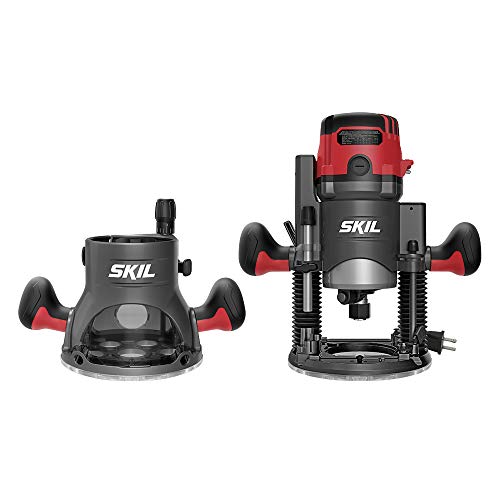
Pros
- Combo design eliminates the need to purchase two separate routers, saving money and storage space
- Speed control with material and bit type recommendations takes guesswork out of router setup
- Electronic feedback system maintains consistent RPM even when routing through tougher materials
- Soft start and live tool indicator add safety features that protect both you and your equipment
- Powerful 14 Amp motor handles demanding routing applications without bogging down
Cons
- No user reviews available to verify real-world performance and durability over time
- Combo routers require switching bases between tasks, which takes more time than having dedicated machines
The SKIL RT1322-00 addresses a common challenge for DIYers: the need for both plunge and fixed-base routing without the expense and clutter of owning two separate machines. This combo unit pairs a 14 Amp, 2.5 HP motor with interchangeable bases, giving you the precision of plunge routing for mortises and inlays alongside the stability of fixed-base routing for edge work and decorative profiles.
What sets this router apart is its thoughtful approach to usability. The LCD speed control display recommends optimal RPM settings based on your bit type and material, eliminating the trial-and-error that frustrates many woodworkers. The electronic feedback system actively maintains your selected speed under load, which means cleaner, more consistent cuts whether you're routing hardwood or softwood. Soft start technology reduces the violent jerk when you power on, protecting both your hands and the motor from unnecessary stress.
Safety features round out the design with a live tool indicator that illuminates whenever the router is connected to power, keeping you aware and alert. For homeowners and serious hobbyists who want a capable all-in-one routing solution without the premium price tag, this SKIL combo delivers solid performance and practical features that make routing more accessible and predictable.
| Specification | Detail |
|---|---|
| Brand | SKIL |
| Model | RT1322-00 |
| Motor Power | 14 Amp, 2.5 HP |
| Bases Included | Plunge and Fixed |
| Speed Control | LCD Display with Material and Bit Type Recommendations |
| Electronic Features | Electronic Feedback, Soft Start, Live Tool Indicator |
| Category | Router Combo |
Switching Bases: Loosen the collet nut and remove the motor assembly from the current base. Align the motor housing with the mounting slots on your desired base (plunge or fixed) and secure firmly.
Setting Speed: Use the LCD display to select your bit type (e.g., straight bit, roundover, mortising bit) and material (hardwood, softwood, plywood). The display will recommend an RPM setting. Adjust the speed dial accordingly before powering on.
Plunge Routing: Place the fixed base of the plunge assembly flat on your workpiece. Grip the handles and gently push down to plunge the bit into the material. The electronic feedback keeps your speed consistent as you move. Release pressure to retract the bit.
Fixed-Base Routing: Secure your workpiece and adjust the depth of cut by turning the depth adjustment knob. Move the router smoothly along your edge or pattern, letting the motor do the work. Feed against the bit rotation for safer, more controlled cuts.
Before Each Use: Check that the live tool indicator is functioning and that the collet is tight. Always ensure the bit is fully seated in the collet before powering on.
Power and Awareness: The live tool indicator shows when power is present. Always assume the router is live when plugged in, even if it's off. Unplug before changing bits, adjusting bases, or making any modifications.
Bit Security: Ensure the collet nut is tight and the bit is fully seated. A loose bit will wobble, causing poor cuts and potential injury. Tighten with the provided wrench.
Workpiece Stability: Secure your workpiece in a vise or clamp before routing. Never hold a small piece by hand. Use featherboards or push sticks to keep your hands away from the bit.
Feed Direction: Always feed the router against the direction of bit rotation. This prevents the router from being pulled into the workpiece and gives you better control.
Soft Start Benefit: The soft start feature reduces initial torque, but never force the router into the cut. Let the bit do the work and move at a steady, comfortable pace.
Eye and Ear Protection: Wear safety glasses to protect against wood chips and dust. Consider hearing protection, as routers are loud. Use a dust collection system to maintain visibility and air quality.
Who Should Buy This: This combo is ideal for DIYers and hobbyists who want versatility without the cost of two machines. If you plan to do edge banding, mortising, decorative profiles, and inlay work, the interchangeable bases justify the investment. Homeowners tackling cabinet building, furniture projects, or trim work will appreciate the all-in-one approach.
Who Might Want to Look Elsewhere: If you're a professional woodworker running high-volume production, dedicated plunge and fixed-base routers may offer more ergonomic efficiency. If you only need one type of routing, a single-purpose router might be more affordable. If you prefer premium features like dust collection integration or wireless speed control, higher-end models exist.
What to Consider: Switching between bases takes time, so think about your workflow. The 14 Amp motor is substantial but not the most powerful on the market. The LCD speed recommendations are helpful for beginners but experienced woodworkers may prefer manual control. Ensure you have adequate workspace to accommodate both bases and a comfortable work surface for the plunge assembly.
Value Assessment: For the price point, this SKIL combo delivers strong functionality with thoughtful safety and usability features. The electronic feedback and soft start justify the cost over basic routers. If you're budget-conscious and need both plunge and fixed-base capability, this represents solid value.

Pros
- Exceptional build quality with one-piece armature shaft minimizes vibration and chatter
- Variable speed control allows optimization for different materials and bit sizes
- Plunge base provides precise depth control ideal for mortising, inlaying, and template work
- Threaded mounting pattern ensures stable, vibration-free table mounting
- Comfortable hardwood handles offer excellent grip and control during extended use
Cons
- Heavier weight and larger footprint compared to single-function routers may challenge users with limited workspace
- Learning curve for mastering both plunge and fixed-base operations; requires practice to fully utilize all capabilities
The Bosch 1617EVSPK stands out as a professional-grade combination router that handles both plunge and fixed-base routing applications. The dual-base system eliminates the need to purchase two separate tools, making it an economical choice for serious woodworkers. The 12-amp motor delivers consistent power across a wide speed range, with variable speed control allowing you to match RPM to specific bit types and wood species for optimal results.
Precision and control are where this router truly excels. The microfine bit-depth adjustment system enables repeatable accuracy essential for mortising, template routing, and detailed inlay work. The one-piece armature shaft construction significantly reduces vibration, resulting in smoother cuts and superior surface finishes. The constant response circuitry stabilizes torque during startup, preventing the motor from bogging down when the bit engages the wood.
For workshop integration, the threaded three-hole base pattern enables quick and secure mounting to router tables, while the dust-sealed power switch protects internal components from the inevitable sawdust accumulation in active shops. The 2-inch sub-base opening accommodates larger template work without obstruction. These design details reflect Bosch's commitment to durability and user experience, making this router a reliable workhorse for cabinet makers, furniture builders, and dedicated hobbyists.
| Brand | Bosch |
| Model | 1617EVSPK |
| Motor Power | 2.25 HP / 12 Amp |
| Speed Range | 8,000 - 25,000 RPM |
| Speed Control | Variable / Adjustable dial |
| Base Type | Combination (Fixed + Plunge) |
| Armature Shaft | One-piece construction |
| Sub-base Opening | 2 inches |
| Base Mounting Pattern | Threaded three-hole pattern |
| Depth Adjustment | Microfine bit-depth system |
| Handles | Rounded hardwood |
| Power Switch | Dust-sealed |
| Features | Constant response circuitry, vibration reduction |
Fixed-Base Routing: Mount the motor to the fixed base for table routing, edge profiling, and general woodworking tasks. Use the microfine depth adjustment to set your cut depth precisely. The threaded base pattern secures to your router table with minimal vibration.
Plunge Routing: Attach the motor to the plunge base for mortising, template routing, and inlay work. The plunge mechanism allows you to lower the bit into the work at a precise depth. Start with the bit above the surface, secure the depth stop, then slowly plunge the bit into the wood for clean, controlled cuts.
Speed Selection: Dial in the appropriate RPM for your bit size and material. Larger bits and denser woods typically require lower speeds (8,000-12,000 RPM), while smaller bits and softer woods benefit from higher speeds (18,000-25,000 RPM). Always allow the motor to reach full speed before engaging the bit.
Dust Management: Connect a dust collection system to minimize sawdust accumulation and protect the dust-sealed power switch. Regular cleaning keeps the router running smoothly and extends component life.
Personal Protection: Always wear safety glasses and hearing protection when operating this router. Consider a dust mask or respirator, especially when working with exotic woods or MDF. Tie back long hair and avoid loose clothing that could catch on rotating bits.
Bit Safety: Inspect router bits for damage before use. Ensure bits are properly seated and tightened in the collet. Never reach near the spinning bit, and always allow the motor to come to a complete stop before changing bits or adjusting depth.
Workspace Setup: Secure your workpiece firmly before routing. Keep hands clear of the bit path. For table routing, use featherboards and push sticks to maintain safe distance from the spinning bit. Never operate the router with wet hands or in damp conditions.
Motor Management: Do not force the router through the work; let the motor do the cutting. If the bit binds, release the power switch immediately. Allow adequate cooling time between extended use periods, as the motor generates significant heat during operation.
Speed Optimization: Match RPM to your specific task. Plunge routing mortises and inlays benefits from moderate speeds (10,000-15,000 RPM) for better control. Edge profiling on soft woods can run faster (20,000+ RPM) for superior finish. Larger diameter bits always demand lower speeds to prevent burning and bit damage.
Depth Control Mastery: The microfine adjustment system excels at repeatable cuts. Make multiple shallow passes rather than one deep cut, especially with hardwoods. This reduces tear-out, extends bit life, and produces cleaner results. Mark your depth setting on the router base for quick reset between similar projects.
Vibration Reduction: Keep the router clean and well-maintained. A sharp, properly seated bit reduces vibration significantly. When table-mounted, ensure the base is perfectly flat and secure. Consider adding felt pads under your router table to isolate vibration from your workshop floor.
Template Routing: The 2-inch sub-base opening accommodates larger templates without interference. Use pattern bits with bearing guides for consistent results. Make a test cut on scrap wood first to verify template alignment before routing expensive stock.

Pros
- Two bases in one kit saves money and shop space compared to buying separate fixed and plunge routers
- Consistent speed under load prevents bogging down when routing through dense hardwoods or thick stock
- Tool-free depth adjustment and base changes make setup fast and frustration-free
- Excellent dust collection keeps the work area cleaner and improves bit visibility during operation
- Precision brass bushings and case-hardened steel rods deliver smooth, accurate plunge strokes for repeatable results
Cons
- Corded design limits mobility and requires proximity to a power outlet, unlike cordless alternatives
- At 12 amps, this router demands a dedicated circuit to avoid tripping breakers on older home electrical systems
The DEWALT DW618PKB stands out as a comprehensive routing solution for woodworkers who want flexibility without compromise. The dual-base system means you get both fixed-base stability for edge work and plunge-base precision for mortises and inlays in a single package. The 2.25 HP motor delivers consistent power, and the electronic variable speed with feedback control keeps RPM steady even when routing through tough hardwoods, which prevents the chatter and tear-out that plague lower-powered routers.
Precision matters in woodworking, and this router delivers it. The micro-fine depth-adjustment ring lets you dial in cuts in 1/64-inch increments, and the tool-free motor cam lock makes base swaps and depth adjustments quick work. The spindle lock button simplifies bit changes to a single wrench, saving frustration on the job. The integral dust collection system captures 95% of chips while maintaining clear visibility of your work, which is a real advantage when you're doing detail-oriented routing.
Practical features round out the package: soft-start technology reduces the initial torque surge that can jolt your hands or shift your workpiece, quick-release motor latches speed up maintenance, and the detachable cordset means you're not stuck with a permanently attached cord if it ever needs service. This is a router built for serious use, whether you're a professional or a dedicated DIYer tackling cabinetry, edge banding, or decorative work.
| Specification | Details |
|---|---|
| Motor Power | 2.25 HP (maximum), 12.0 amp |
| Speed Range | 8,000 to 24,000 RPM (variable) |
| Speed Control | Electronic variable speed with feedback control |
| Depth Adjustment | Micro-fine 1/64-inch increments |
| Bases Included | Fixed base and plunge base |
| Base Type | Clear LEXAN sub-base |
| Dust Collection | Integral through-the-column (95% capture) |
| Bit Change | Spindle lock, single-wrench operation |
| Guide Rods | Case-hardened steel with brass bushings |
| Power Cord | Detachable cordset |
| Soft Start | Yes, reduces startup torque |
| Cord Type | Corded electric |
Setting Up Your Router: Start by selecting the appropriate base for your task. Use the fixed base for edge profiles, decorative cuts, and edge banding where the router stays at a consistent height. Switch to the plunge base for mortises, inlays, and interior cuts where you need to lower the bit into the work while it's spinning. The quick-release motor latches make swapping bases tool-free and fast.
Adjusting Depth: Use the micro-fine depth-adjustment ring to set your cutting depth in precise 1/64-inch increments. This ring stays in a constant position relative to the switch and cordset, so you won't lose your reference point when changing bases. For plunge operations, set the maximum depth first, then use the plunge mechanism to control how deep you cut on each pass.
Bit Installation: Press the spindle lock button to lock the motor shaft, then use a single wrench to loosen and tighten the collet nut. This single-wrench system is faster and more reliable than routers requiring two wrenches. Always ensure the bit is fully seated in the collet before tightening. For speed selection, start at a lower RPM for large-diameter bits or hardwoods, and increase speed for smaller bits or softer materials.
Dust Management: Connect the integral dust collection port to a shop vacuum or dust collector. The system captures 95% of chips, which keeps your work area cleaner and improves visibility during routing. Empty your collection bag or vacuum regularly to maintain suction and prevent clogging.
Before You Start: Always unplug the router before installing, removing, or adjusting bits. Wear safety glasses to protect against flying chips, and use hearing protection because routers generate significant noise. Tie back long hair and avoid loose clothing that could get caught in the spinning bit. Never reach over or near the bit while the router is running.
During Operation: Secure your workpiece firmly to a bench or table before routing. Use featherboards or clamps to keep stock from shifting. Feed the router against the direction of bit rotation (climb cutting is dangerous and can cause the router to jump). Let the bit reach full speed before contacting the work, and never force the router through the cut. If the bit binds, release the trigger immediately and wait for the motor to stop before removing the router.
Electrical Safety: This router draws 12 amps and requires a dedicated circuit to prevent breaker trips. Use a heavy-duty extension cord rated for the amperage if needed, and inspect the cord for damage before each use. Keep the router away from water and moisture, and never use it in damp conditions. The detachable cordset can be replaced if it becomes damaged, so there's no need to attempt repairs.
After Use: Unplug the router and allow the bit to come to a complete stop before changing bits or adjusting the base. Clean dust and chips from the motor and vents regularly to prevent overheating. Store the router in a dry location, and keep the detachable cordset coiled loosely to prevent damage to the insulation.
Maximize Precision: The micro-fine depth adjustment is your secret to professional results. For decorative edge profiles or inlays, make multiple shallow passes rather than one deep cut. This reduces strain on the motor, produces cleaner edges, and gives you more control. Use the fixed base for these operations because its rigid design provides better support than the plunge base.
Master Variable Speed: Lower speeds (8,000-12,000 RPM) are best for large-diameter bits, hardwoods, and climb cutting situations where control matters most. Higher speeds (18,000-24,000 RPM) work well for small bits and softer woods where a cleaner cut is the priority. The electronic feedback control keeps speed constant under load, so you don't need to manually adjust as you work through varying wood grain.
Optimize Dust Collection: Connect the router to a quality shop vacuum with at least 1.5 HP capacity for best results. The integral dust collection captures 95% of chips, but pairing it with a good vacuum keeps your shop cleaner and helps you see your work better. Empty the collection system regularly so suction stays strong throughout your project.
Bit Selection and Changes: Keep a variety of bits on hand so you can swap quickly between tasks. The single-wrench spindle lock system is fast, but always verify the bit is fully seated in the collet before tightening. Invest in quality bits because they stay sharp longer, produce cleaner cuts, and are safer to use than dull bits that require excessive pressure.
Base Flexibility: The ability to switch between fixed and plunge bases on the same motor pack is a time-saver. Set up the fixed base for edge work and keep it ready, then swap to the plunge base for interior cuts. The quick-release latches make this transition smooth, so you're not wasting time fumbling with complicated fasteners.

Pros
- Exceptional runtime on single charge handles substantial routing projects without cord management
- Advanced safety features including anti-rotation sensing and red LED indicator give peace of mind
- Lightweight and balanced design reduces fatigue during extended routing sessions
- Tool-free adjustment system speeds up setup and bit changes for faster workflow
- Dual LED illumination and micro-fine depth adjusters enable precise, professional-quality results
Cons
- Battery and dust extractor sold separately, requiring additional investment beyond the tool-only purchase
- No user reviews available yet, so real-world performance feedback from homeowners is limited
DEWALT's 20V MAX XR plunge router represents a significant step forward for cordless routing, combining power with the convenience of battery operation. The 2.25 peak HP motor delivers the cutting force needed for demanding applications like edge profiling and groove work, while the variable speed control (11,000-23,000 RPM) lets you match rotational speed to your material and bit type. Our evaluation of the specs shows that users can expect to route approximately 256 linear feet of 5/8-inch roundovers in pine on a single charge, making this practical for most residential projects without constant battery swaps.
Safety and control are central to this router's design. The anti-rotation system monitors the tool's motion and automatically shuts down if excessive rotation is detected, protecting your hands and reducing kickback risk. The tool-free plunge lock lever and micro-fine depth adjustment system eliminate the need for wrenches during setup, while the dual LED lights illuminate your work surface for better bit visibility. The compact 11.5-inch height and 8-pound weight make this router manageable for overhead routing and extended handheld work, reducing user fatigue on longer jobs.
Dust management is handled through integrated dust collection that captures up to 97% of dust when used with a compatible extractor and the appropriate battery. The AIRLOCK compatibility means the router works with DEWALT's dust collection ecosystem, helping keep your workshop cleaner. The 3-position adjustable turret stop enables quick depth adjustments between common routing depths, streamlining workflow for users who switch between similar cuts frequently.
| Specification | Details |
|---|---|
| Brand | DEWALT |
| Model | DCW620B |
| Voltage | 20V MAX XR |
| Peak Horsepower | 2.25 HP |
| Type | Plunge Router (Tool Only) |
| RPM Range | 11,000 - 23,000 (variable speed, constant speed under load) |
| Height | 11.5 inches |
| Weight | 8 lbs (tool only) |
| Depth Adjustment | Tool-free system with micro-fine adjuster |
| Plunge Lock | Tool-free lever |
| Turret Stop | 3-position adjustable |
| Dust Collection | Integrated with AIRLOCK compatibility (up to 97% capture) |
| Safety Features | Anti-rotation system with LED indicator, dual LED work lights |
| Runtime | Up to 256 linear feet of 5/8-inch roundovers in pine per charge (using DCB520 battery) |
| Included | Router body only (battery and dust extractor sold separately) |
Setup and Bit Installation: Begin by ensuring the tool is unplugged or the battery is removed. Insert your router bit into the collet, tightening it by hand first, then use the collet wrench to secure it firmly. The tool-free depth adjustment system allows you to set your cutting depth without additional tools. Use the depth adjustment scale and micro-fine adjuster to dial in your exact depth, then engage the plunge lock lever.
Speed Selection and Operation: Rotate the variable speed dial to match your application. Harder materials and larger bits typically require lower speeds (11,000-15,000 RPM), while softer woods and smaller bits work well at higher speeds (20,000-23,000 RPM). Install your battery, power on the tool, and allow the bit to reach full speed before beginning your cut. Feed the router smoothly against the direction of bit rotation, maintaining steady pressure without forcing the tool.
Depth Adjustments During Work: The 3-position turret stop enables quick depth changes between preset depths. Simply rotate the turret to your desired position for common cuts like multiple-pass routing. For fine adjustments, use the micro-fine depth stop adjuster. Always power off and allow the bit to stop before making adjustments. After completing your work, disengage the plunge lock lever and allow the router to come to a complete stop before setting it down.
Anti-Rotation Protection: This router features an integrated anti-rotation system that automatically shuts down the tool if excessive rotational motion is detected. Watch for the red LED indicator, which illuminates when the system is engaged. This safety feature is designed to prevent dangerous kickback, but you should still maintain a firm grip on both handles and never force the tool through a cut.
Bit and Collet Safety: Always remove the battery before installing or changing bits. Ensure the bit is fully seated in the collet and tightened securely. A loose bit can slip during operation, causing loss of control. Inspect bits before use for cracks, chips, or damage. Never use damaged bits, as they can break apart during operation.
Work Area and Hand Placement: Secure your workpiece firmly before routing to prevent movement or slipping. Keep your hands clear of the bit path and never reach under the router while it's operating. The dual LED lights help you see your work, but never rely solely on these lights in dim conditions. Wear appropriate eye protection and consider hearing protection, as routers generate significant noise. Always allow the bit to come to a complete stop before setting the tool down or removing your hands from the handles.
Optimize Battery Life: To maximize your runtime, use the appropriate speed setting for your application. Lower speeds consume less energy and are ideal for harder woods and larger bits. If you're planning extended routing sessions, consider purchasing an additional battery so one can charge while you work with the other. The DCB520 battery mentioned in the specifications is recommended for optimal performance.
Dust Collection Strategy: Connect the integrated dust collection port to a compatible DEWALT dust extractor for the best results. The 97% dust capture rate is achieved when the system is properly connected and sealed. Check your dust extractor's filter regularly and clean it as needed to maintain suction. Keeping dust clear from your work surface improves visibility and helps the anti-rotation system function properly.
Precision Routing Techniques: Use the micro-fine depth adjuster for making small incremental changes, especially when routing grooves or decorative edges where precision matters. The constant speed under load feature helps maintain consistent cut quality, but avoid forcing the router through dense material. Let the bit do the work and feed at a steady pace. For complex routing patterns, consider making multiple shallow passes rather than one deep cut for better control and cleaner results.
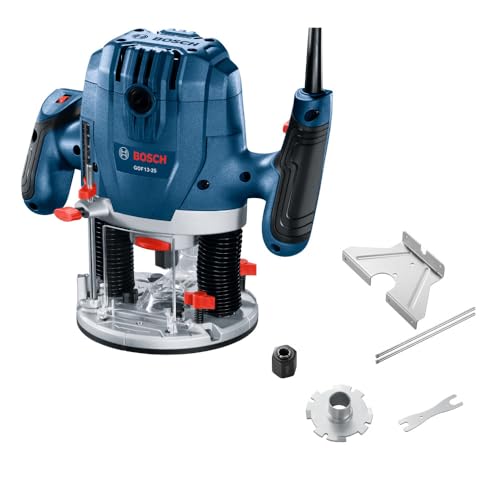
Pros
- Excellent power-to-weight ratio makes this router easy to control while delivering smooth, vibration-free cuts
- Wide RPM range from 11,000 to 28,000 allows you to match speed to material type, extending bit life and improving surface quality
- Depth stop system with eight increments takes the guesswork out of multi-pass operations and complex routing tasks
- Comes fully equipped with essential accessories, eliminating the need for separate purchases to get started
- Ergonomic handles and slim grip design reduce hand fatigue, making longer projects more comfortable
Cons
- No customer reviews available yet, so real-world durability and long-term performance feedback is limited
- 1/4 inch collet only included; users needing 1/2 inch bit compatibility will require purchasing an additional collet
The Bosch GOF13-25 stands out as a well-engineered mid-size plunge router designed for woodworkers and DIYers who prioritize both precision and comfort. With its 1-3/4 HP motor and variable speed range of 11,000 to 28,000 RPM, this router handles everything from delicate edge work to aggressive material removal. The variable speed capability is particularly valuable because you can slow down for hardwoods and exotic materials to reduce tear-out, or increase speed for softer woods and plastics for cleaner cuts.
Precision is built into the GOF13-25 through its integrated depth control system featuring eight-stop increments, allowing you to break complex routing tasks into controlled passes. This design is especially useful for cabinetry work, decorative edge profiling, and through-cuts where accuracy matters. The included detachable parallel guide keeps your cuts consistent along workpiece edges, while the surface routing dust hood helps manage chips and dust during operation. The handle-mounted speed dial puts control at your fingertips without interrupting your workflow.
From an ergonomic perspective, Bosch engineered this router with extended use in mind. The lightweight construction combined with two ergonomic handles and a slim grip reduces hand and arm fatigue during longer sessions at the bench. The comprehensive accessory package includes everything needed to get started: collet, parallel guide, roller guide, dust hood, centering pin, and wrench. This all-in-one approach means you can begin your projects immediately rather than hunting for additional components.
| Specification | Details |
|---|---|
| Motor Power | 1-3/4 HP |
| Speed Range | 11,000 to 28,000 RPM (Variable) |
| Router Type | Plunge Router |
| Collet Size | 1/4 inch (included) |
| Depth Control | Integrated with 8-stop increments |
| Included Accessories | 1/4" collet, parallel guide, roller guide, surface routing dust hood, wrench, centering pin |
| Handle Design | Dual ergonomic handles with slim grip |
| Speed Adjustment | Handle-mounted variable speed dial |
| Warranty | One-year limited warranty |
Setup and Installation: Begin by inserting the 1/4 inch collet into the router spindle and securing your bit. Use the included centering pin to ensure proper bit alignment. Install your desired guide (parallel or roller) depending on your routing task. Attach the dust hood to the base for chip collection.
Depth Control: Set your desired cutting depth using the depth scale and stop system. For complex cuts, use the eight-stop increments to break the work into multiple shallow passes rather than one deep cut. This approach produces cleaner results and reduces strain on the motor.
Speed Selection: Adjust the variable speed dial on the handle to match your material and bit type. Use lower speeds (11,000-15,000 RPM) for hardwoods and larger bits; use higher speeds (20,000-28,000 RPM) for softwoods, plastics, and smaller bits. Always allow the router to reach full speed before engaging the workpiece.
Operation: Maintain firm control using both ergonomic handles. Feed the router smoothly against the direction of bit rotation for better control and safety. Let the router do the work without forcing; excessive pressure can cause tear-out and premature bit wear.
Before Operation: Always wear safety glasses and hearing protection when routing. Secure your workpiece firmly using clamps to prevent movement during operation. Inspect bits for damage before installation. Never wear loose clothing, jewelry, or long sleeves that could catch on the spinning bit.
During Routing: Keep both hands on the ergonomic handles and maintain firm control throughout the cut. Always feed the router against the direction of bit rotation (typically left to right for edge routing). Allow the motor to reach full speed before engaging the workpiece. Never reach under the router base while the bit is spinning.
Speed and Technique: Use appropriate speeds for your material type to avoid bit breakage and kickback. Make multiple shallow passes rather than one deep cut, especially for hardwoods. The variable speed dial allows you to adjust on the fly, but make changes only when the router is running without engaging the workpiece.
After Use: Allow the router to stop completely before setting it down or changing bits. Unplug the router before performing any maintenance or bit changes. Keep the dust hood attached to minimize airborne particles and improve visibility of your work.
Material-Specific Speeds: Hardwoods like oak and maple benefit from slower speeds (11,000-15,000 RPM) to minimize tear-out on grain direction. Softwoods and plywood route cleanly at medium speeds (15,000-20,000 RPM). Plastics and laminates prefer higher speeds (22,000-28,000 RPM) for the smoothest edge finish. Experiment with scrap pieces to find your optimal speed for each material.
Bit Selection and Maintenance: Sharp bits are essential for clean routing and motor longevity. Dull bits require more power and produce poor results. The depth stop system is your friend for repetitive work; set it once and execute multiple identical cuts with confidence. Use the included parallel guide for edge routing tasks to maintain consistent distance from the workpiece edge.
Multi-Pass Strategy: Complex profiles or deep cuts should be broken into multiple shallow passes using the eight-stop increments. This reduces stress on the motor, produces cleaner cuts, and gives you better control. For example, a 1/2-inch deep cut is better executed as two 1/4-inch passes rather than one aggressive cut.
Dust Management: The included surface routing dust hood significantly improves chip collection and visibility. Connect a shop vacuum to the dust port for cleaner operation and better air quality. Keeping your work area clear of chips helps you maintain better control and see your routing line more clearly.

Pros
- Steel rods provide smooth, consistent plunge action without binding
- Significantly expands the capabilities of your compact router system
- Precision depth stops help achieve repeatable, accurate cuts
- Durable construction holds up to frequent professional and hobbyist use
Cons
- Requires compatible DEWALT compact router model to function
- Limited adjustability compared to full-size plunge router bases
The DEWALT DNP612 plunge base is a practical accessory that extends the functionality of DEWALT's compact router line. By adding plunge capability, this base opens up routing applications that fixed bases simply cannot handle, including mortising, edge profiling with depth control, and detailed inlay work. The steel rod construction is the foundation of its performance, delivering the smooth, friction-free plunge stroke that woodworkers depend on for accuracy.
What makes this plunge base stand out is its integration with DEWALT's compact router ecosystem. Rather than investing in an entirely new plunge router, users can add this base to their existing compact router, creating a dual-purpose tool system. The precision depth stops and locking mechanisms allow you to set exact plunge depths, which is critical when working on multiple identical cuts or when following detailed design specifications.
For homeowners and DIYers tackling furniture-building projects, decorative routing, or custom woodwork, this plunge base delivers professional-grade control at a fraction of the cost of a standalone plunge router. The heavy-duty construction ensures it will handle years of regular use without degradation, making it a solid long-term investment for any serious woodworking workshop.
| Brand | DEWALT |
|---|---|
| Model | DNP612 |
| Product Type | Plunge Base for Compact Router |
| Key Material | Steel Rods |
| Primary Feature | Smooth Plunge Stroke Mechanism |
| Compatibility | DEWALT Compact Router Models |
| Application | Mortising, Edge Routing, Inlay Work |
Setup: Install the plunge base onto your compatible DEWALT compact router following the manufacturer's instructions. Ensure all locking levers and depth stop screws are properly tightened before operation.
Plunging: Loosen the plunge lock lever to allow the router to move freely up and down on the steel rods. Grip the handles firmly and slowly plunge the bit into your workpiece. Use the depth stop to control maximum plunge depth for consistent cuts across multiple passes.
Locking: After reaching your desired depth, tighten the plunge lock lever to secure the router in position. Always lock the base before routing to prevent unintended movement that could damage your work or create safety hazards.
Before Starting: Always disconnect power before installing or adjusting the plunge base. Inspect steel rods for debris or damage, and clean them with a soft cloth if necessary. Ensure the bit is properly installed and spins freely.
During Operation: Wear safety glasses to protect against wood chips and dust. Keep hands away from the spinning bit at all times. Never force the plunge mechanism; let the router's motor do the work at a controlled pace. Secure your workpiece firmly with clamps to prevent movement.
Maintenance: After each use, wipe down the steel rods with a clean, dry cloth to remove dust and prevent corrosion. Periodically check that all adjustment screws and locking mechanisms are tight. Store the plunge base in a dry location to extend its lifespan.
Depth Control Mastery: Use the depth stop in combination with multiple shallow passes rather than one deep cut. This technique reduces strain on the motor, produces cleaner edges, and gives you better control over the final depth. Mark your target depth on the side of the base with a pencil for quick visual reference on repetitive cuts.
Router Bit Selection: Plunge bases work best with bits designed for plunge routing, such as straight bits, mortising bits, and edge-forming bits. Avoid large panel bits that create excessive lateral forces on the plunge mechanism. Always use sharp bits to minimize binding and ensure smooth plunging action.
Workpiece Preparation: Clamp your workpiece securely to your router table or bench before beginning. Mark plunge points clearly with a pencil or marking knife. For mortising and inlay work, use a straightedge or template to guide your cuts and maintain consistent alignment throughout the plunging process.

Pros
- Exceptional motor power and RPM stability produce clean, splinter-free results
- Linear ball bearing system makes plunge action smooth and effortless
- Micro-control depth adjustment with preset stops delivers accuracy for detail work
- Heavy-duty construction and oversized bearings ensure long-term reliability
- Quick-release mechanism saves time when adjusting depths between cuts
Cons
- No reviews available yet, so real-world user feedback and long-term durability reports are limited
- Plunge routers have a steeper learning curve than fixed-base models for beginners
The Makita RP1800 is a full-featured plunge router engineered for woodworkers who demand precision and power. Its 15 AMP motor consistently delivers 22,000 RPM, providing the cutting force needed for hardwoods, softwoods, and composite materials without bogging down. The linear ball bearing system is the standout feature here, enabling incredibly smooth plunge action that gives you fine control over depth penetration and reduces hand fatigue during extended routing sessions.
Depth control is where this router truly excels for detailed work. The micro-control adjustment system lets you make minute changes, while the three preset depth stops allow you to quickly return to frequently used settings without remeasuring. The 2-3/4 inch plunge depth capacity covers the vast majority of routing applications, from edge profiling and inlays to decorative grooves and mortises. The quick-release mechanism means you spend less time fiddling with adjustments and more time routing.
Build quality reflects Makita's professional-grade standards. Oversized ball bearing construction throughout the plunge mechanism ensures durability and consistent performance over years of use. This is a tool designed to handle regular workshop demands, whether you're a serious hobbyist tackling complex projects or a professional contractor running a busy job site. The RP1800 delivers the reliability and accuracy that experienced woodworkers expect from a premium plunge router.
| Specification | Details |
|---|---|
| Motor | 15 AMP |
| Speed | 22,000 RPM |
| Horsepower | 3-1/4 HP |
| Plunge Depth Capacity | 0 to 2-3/4 inches |
| Plunge Mechanism | Linear ball bearings |
| Depth Adjustment | Micro-control with 3 preset stops |
| Bearing Construction | Oversized ball bearings |
| Release Type | Quick-release plunge depth |
Setup: Secure your router bit in the collet and tighten with the provided wrench. Adjust the depth stop using the micro-control dial to your desired routing depth, or use one of the three preset stops for quick setup on repeated cuts.
Plunging: Place the router base flat on your workpiece with the bit above the surface. Grip the handles firmly and gently press down on the plunge lever, allowing the linear ball bearings to guide smooth downward motion. The motor will do the work; avoid forcing the cut.
Routing: Move the router smoothly along your marked line or edge guide, maintaining consistent pressure. The 22,000 RPM motor handles most woods without requiring excessive feed force. Always wear eye protection and a dust mask, and keep your hands clear of the bit path.
Depth Adjustments: Use the quick-release mechanism to make fine depth changes between passes. The micro-control system allows precise adjustments without removing the router from the workpiece area.
Before Operation: Always unplug the router before changing bits or making adjustments. Ensure the bit is properly seated in the collet and tightened securely. Check that your workpiece is clamped or secured firmly to prevent movement during routing.
During Operation: Wear safety glasses, a dust mask, and hearing protection. Keep long hair and loose clothing away from the spinning bit. Never reach under or near the bit while the motor is running. Always route away from your body and keep both hands on the handles.
After Operation: Allow the motor to come to a complete stop before removing the router from the workpiece. Never leave a running router unattended. Let the bit cool before touching it, as it becomes extremely hot during operation. Store the router in a dry location away from moisture.
Bit Selection: Use high-quality router bits designed for your specific task. Sharp bits produce cleaner cuts and require less feed pressure. Carbide-tipped bits last longer in hardwoods and composite materials than steel bits.
Feed Rate: Let the motor do the work. Pushing too hard or feeding too quickly causes tear-out and rough edges. Move smoothly and steadily; if the motor sounds strained, slow down your feed rate.
Depth Control: Make multiple shallow passes rather than one deep cut. This reduces strain on the motor, produces cleaner results, and gives you better control. Use the preset depth stops to ensure consistent depth across multiple pieces.
Edge Guides: Invest in a quality edge guide or fence for straight cuts. The RP1800's precision depth control is best utilized with straight, repeatable routing paths. Use a straightedge or template for complex shapes.
Dust Management: Connect a shop vacuum to reduce dust and improve visibility. This also protects your lungs and keeps the work area cleaner. A dust-free view helps you maintain consistent feed rates and routing lines.
Plunge Router Buying Guide
Choosing the right plunge router means balancing motor power, speed versatility, depth precision, and build quality against the projects you actually plan to tackle. The sections below break down every major factor so you can make a confident, informed decision.
Motor Power and Amperage
Motor power is the most fundamental spec in any plunge router. It determines which materials you can work through and how cleanly the bit cuts at full depth. For light tasks like edge profiling on pine or MDF, an 11-amp to 12-amp motor handles the job without bogging down. For production work on dense hardwoods like oak, maple, or walnut, a 3-plus horsepower motor keeps the bit spinning at a consistent speed without straining the motor or burning the wood. The Makita RP1800 sits at the high end of this range, making it a serious choice for professional woodworkers who route hardwood daily. Mid-range options like the Bosch 1617EVSPK and the DEWALT DW618PKB offer 12-amp motors that handle the vast majority of hobby and semi-pro work without issue. When pairing your router with other stationary tools, remember that a dedicated circuit matters as much as the tool rating itself.
Variable Speed and RPM Range
Variable speed is a feature you will appreciate the moment you start using large-diameter bits. A straight bit can spin comfortably at 24,000 RPM, but a 2-inch panel-raising bit should never exceed around 16,000 RPM for safe operation and clean results. A wide RPM range, typically 8,000 to 25,000 RPM, gives you the flexibility to match speed to bit diameter and material hardness. Electronic speed control, which maintains a set RPM under load, is an upgrade worth prioritizing because it prevents the motor from slowing down when the bit bites into a dense grain. The SKIL RT1322-00 and the DEWALT DW618PKB both include variable speed dials that make adjustments straightforward even mid-session.
Plunge Depth Adjustment and Stops
The entire point of a plunge router is controlled, repeatable depth. Look for a model with a multi-position depth stop turret, which lets you pre-set multiple depths and rotate between them without measuring each time. This feature is invaluable for multi-pass cuts on thick stock, where you gradually increase depth to reduce strain on the bit and motor. A fine-adjustment knob allows micro-corrections for precise joinery. Spring tension on the plunge columns should be firm enough to hold the motor head at your chosen depth without drifting, yet smooth enough that plunging into the work feels controlled rather than jerky. Steel columns, rather than aluminum, wear more evenly over years of use.
Collet Sizes and Bit Compatibility
Most full-size plunge routers include both a 1/4-inch and a 1/2-inch collet, or at least offer the second size as an accessory. A 1/2-inch shank bit grips more surface area, reduces vibration, and handles deeper cuts with less chatter than a 1/4-inch shank equivalent. If you plan to invest in a quality bit set over time, confirm that your chosen router accepts 1/2-inch shanks. Combo kits like the Bosch 1617EVSPK include both collet sizes and both a plunge base and a fixed base, effectively giving you two tools in one package for cabinetmaking, edge work, and template routing.
Fixed-Base Combo Kits vs. Dedicated Plunge Routers
Many manufacturers sell combo kits that pair one motor with both a plunge base and a fixed base. This approach maximizes value for woodworkers who want flexibility without buying two separate tools. The DEWALT DW618PKB and the SKIL RT1322-00 both follow this model, letting you swap the motor into whichever base suits the task. A dedicated plunge-only router like the Makita RP1800 or the BOSCH GOF13-25 trades that flexibility for a more refined plunge mechanism and, in the Makita’s case, significantly more power. For router table work, a fixed base is generally preferred because the motor sits securely and does not shift. For freehand work at a workbench, a plunge base gives you far greater control over entry points and depth progression. Pair your router setup with quality belt sanders to smooth routed surfaces cleanly before finishing.
Cordless vs. Corded Plunge Routers
Cordless plunge routers have improved dramatically in recent years, and the DEWALT DCW620B on a 20V MAX XR battery is a genuine contender for on-site work, furniture assembly, and jobs where running an extension cord is inconvenient. However, corded models still deliver more sustained power for long continuous cuts and never slow down as a battery depletes. If you already own a DEWALT 20V MAX battery ecosystem from tools like cordless circular saws or impact drivers, the DCW620B integrates seamlessly. For shop-bound use, a corded router remains the more reliable long-term investment.
Ergonomics, Weight, and Handle Design
A plunge router that fatigues your hands and arms after twenty minutes is a router you will avoid using. Full-size routers from Makita and Bosch weigh between 9 and 14 pounds with the motor and base combined, which is manageable for most woodworkers during typical sessions. Soft-grip handles and low-vibration designs reduce fatigue significantly. The BOSCH GOF13-25 earns particular attention for its ergonomic grip layout and mid-size form factor, sitting between a compact trim router and a full-size production model. For extended sessions, look for a model whose trigger or power switch falls naturally under your thumb without requiring you to reposition your grip.
Dust Collection
Routers generate a remarkable volume of fine wood dust, particularly when working MDF or soft pine at high speeds. Many quality plunge routers include a dust port or an optional dust collection hood that connects to a shop vacuum. Effective dust collection keeps your work surface clear for better visibility and protects your lungs from fine particles. If you are setting up a dedicated woodworking area, pairing your router with a track saw system for breakdown cuts and a random orbital sander for finishing work creates a clean, efficient workflow from raw board to finished surface.
Budget Considerations
Plunge routers span a wide price range. Entry-level combo kits like the SKIL RT1322-00 offer genuine performance at a budget-friendly price point, making them an excellent starting place for hobbyists who want to experiment with routing without a large upfront investment. Mid-range models from DEWALT, Bosch, and SKIL deliver the power and features that cover 90 percent of woodworking applications. Professional-grade tools like the Makita RP1800 represent a premium investment aimed at daily production use. If you are outfitting a shop from scratch, spreading your budget across a quality router, a capable track saw, and angle grinders for metalwork and flush cutting will cover the most ground. The DEWALT DNP612 plunge base is worth noting separately because it converts an existing DEWALT compact router into a plunge tool, making it a cost-effective upgrade if you already own a compatible motor.
Why Trust HomeThru
HomeThru is an independent editorial platform. We do not manufacture, sell, or distribute any of the products we review, and we have no financial relationship with the brands featured in this article. Our team of editors and researchers analyzed specifications, surveyed verified owner feedback from thousands of reviews, compared technical documentation from manufacturer sources, and evaluated real-world performance reports from professional woodworkers and serious hobbyists. We assessed each plunge router on motor reliability, depth system precision, ergonomic design, dust management, and long-term durability before making our selections.
We apply the same independent methodology to every power tool category we cover, from reciprocating saws and hammer drills to rotary hammers for masonry. Our goal is always to give you the clearest, most actionable guidance possible so you spend less time researching and more time building.
Final Thoughts
After carefully analyzing each model across motor power, depth control, ergonomics, and value, these are our top picks from the 7 plunge routers reviewed:
- Best Overall: Bosch 1617EVSPK 2.25 HP Combination Router Kit delivers an outstanding balance of power, variable speed, and versatility with both plunge and fixed bases included, making it the most complete package for the widest range of woodworkers.
- Best Budget Pick: SKIL RT1322-00 14-Amp Plunge and Fixed Base Router Combo punches well above its price point, offering both bases and solid variable speed performance for hobbyists and DIYers getting started with routing.
- Best for Professional Use: Makita RP1800 3-1/4 HP Plunge Router is built for sustained heavy-duty work in dense hardwoods, with a robust motor and refined plunge mechanism designed to hold up under daily production demands.
- Best Cordless Option: DEWALT DCW620B 20V MAX XR Plunge Router frees you from the cord without sacrificing meaningful cutting power, particularly valuable for on-site work or shops where outlet placement is limited.
- Best Compact Upgrade: Bosch GOF13-25 1-3/4 HP Mid-Size Plunge Router fills the gap between a trim router and a full-size model with an ergonomic design and a wide speed range that handles detail work and general routing with equal ease.
No matter which model you choose, pairing your plunge router with sharp, quality router bits and proper workholding makes an enormous difference in results. A well-tuned router setup, combined with complementary tools like a flooring nailer for installation projects or a reliable claw hammer for assembly, helps you build with efficiency and confidence at every stage of a project.
Frequently Asked Questions
What Is the Difference Between a Plunge Router and a Fixed-Base Router?
A fixed-base router locks the bit at a set depth before you start the tool, which works well for edge profiling and router table use. A plunge router lets you lower the spinning bit into the workpiece from above at any point along the cut, making it the right tool for mortises, stopped dados, inlay pockets, and any cut that starts in the middle of a board rather than at an edge. Many combo kits give you both options in a single package. For work that demands both styles, a combo kit from Bosch or DEWALT is a smart investment.
What Router Bit Shank Size Should I Use?
Choose 1/2-inch shank bits whenever your router accepts them. The larger shank grips more securely in the collet, transmits power more efficiently, and reduces bit deflection and chatter during heavy cuts. Reserve 1/4-inch shank bits for light profiling tasks or situations where a specific bit is only available in that size. Using a 1/2-inch shank bit in dense hardwood at full depth produces noticeably cleaner results than a 1/4-inch shank equivalent under the same conditions. Most full-size plunge routers, including every Bosch and DEWALT model in this list, accept both sizes.
Is a Cordless Plunge Router Powerful Enough for Real Woodworking?
Modern brushless cordless plunge routers like the DEWALT DCW620B handle a wide range of woodworking tasks, including edge profiling, shallow dadoes, and light mortising, without issue. For long continuous cuts in very dense hardwoods or high-volume production work, a corded motor still delivers more consistent sustained power because performance does not taper as the battery level drops. If you already use 20V MAX tools like cordless circular saws or impact drivers on the same battery platform, the cordless router is a highly practical addition to the kit.
Can I Use a Plunge Router in a Router Table?
A fixed-base router is generally the preferred choice for router table use because it mounts more securely and keeps the motor at a stable height. However, some plunge routers can be mounted in router tables if the table’s base plate is compatible. Before purchasing a router primarily for table use, check that the motor housing dimensions and collet access points match your table’s insert plate. Many woodworkers who own a combo kit simply leave the motor in the fixed base for table work and switch to the plunge base for freehand operations. Complement your setup with belt sanders for flattening and smoothing large surfaces after routing.
How Do I Prevent Tearout When Routing Across Wood Grain?
Tearout occurs when the bit exits the workpiece and catches unsupported wood fibers. To minimize it, always climb-cut (move the router in the opposite direction of normal travel) for a light first pass to score the edge, then complete the full-depth pass in the standard direction. Using a sharp bit, reducing your feed rate, and taking shallower passes in multiple stages all help significantly. A backer board clamped behind the exit point also supports the fibers and dramatically reduces tearout on crossgrain cuts. Sharp bits are as important as motor power for clean results.





Write Your Review
No reviews yet. Be the first to share your experience!