

A good pair of bolt cutters is one of those tools you rarely think about until you desperately need one. Whether you are removing a forgotten padlock from a shed, cutting a length of chain for a fence repair, trimming wire mesh, or clipping a stubborn rivet, the right bolt cutter makes the job clean and fast. The wrong one bends, slips, or leaves you straining with both hands and still getting nowhere. Our independent editorial team researched, compared, and evaluated dozens of models to narrow down the best bolt cutters available today, ranging from compact 10-inch versions that fit in a toolbox to heavy-duty 30-inch cutters built for serious metalwork. Whether you are a weekend DIYer or a working tradesperson, there is a solid option in this lineup for your budget and your tasks.
The products below span a wide range of sizes, blade materials, and handle designs from trusted names like WORKPRO, KNIPEX, RIDGID, Crescent, and KSEIBI. We evaluated cutting capacity, blade hardness, handle ergonomics, leverage mechanism, and overall build quality so you can shop with confidence. If you are building out your hand tool kit, pairing quality bolt cutters with reliable pliers sets gives you full coverage for gripping, bending, and cutting metal in almost any situation.

Pros
- Drop-forged chrome molybdenum steel construction ensures the cutter stays sharp and durable through years of use
- Lever-fulcrum design reduces hand strain, making it accessible for users with varying grip strength
- Extended 30-inch length reaches bolts and chains in confined or elevated areas
- Bi-material grip balances control and comfort without slipping, even with wet or gloved hands
- Affordable entry-level option for homeowners who need reliable metal-cutting capability without premium pricing
Cons
- Maximum cutting capacity of 12mm on soft metals and 10mm on harder materials limits use on thicker industrial-grade bolts and chains
- No reviews available to assess real-world durability and long-term performance from actual users
The WORKPRO W017007A stands out as a practical, no-frills bolt cutter built for homeowners and DIYers who need reliable metal-cutting performance without breaking the bank. The drop-forged chrome molybdenum steel jaws and powder-coated finish provide the durability needed for fence repairs, gate maintenance, and general property upkeep. The precision-aligned blade design ensures clean cuts with minimal crushing or deformation of the material being cut.
What makes this cutter user-friendly is its thoughtful engineering. The classic lever-fulcrum mechanism amplifies your cutting force, meaning you don't need exceptional hand strength to cut through soft metals and standard bolts. The bi-material handle combines a rigid core with a soft rubber grip zone, providing both structural support and ergonomic comfort during extended use. This balance is especially valuable if you're working on multiple cuts or dealing with repetitive projects around your property.
The 30-inch length gives you a real advantage when accessing bolts and chains in tight corners, elevated areas, or behind obstacles where a shorter cutter would force awkward positioning. With a cutting capacity up to 12mm on softer materials, this cutter handles most residential applications, from cutting padlock hasps to trimming chain-link fencing. It's a straightforward, hardworking tool that delivers honest value for homeowners seeking dependable performance without unnecessary complexity.
| Specification | Detail |
|---|---|
| Brand | WORKPRO |
| Model | W017007A |
| Overall Length | 30 inches |
| Blade Material | Chrome Molybdenum Steel (Drop Forged) |
| Jaw Finish | Powder Coated |
| Handle Type | Bi-Material with Soft Rubber Grip |
| Cutting Capacity (Soft Metals, HRC <25) | 15/32 inch (12mm maximum) |
| Cutting Capacity (Hard Metals, HRC ≤42) | 25/64 inch (10mm maximum) |
| Ideal Applications | Bolts, Rods, Rivets, Chain, Soft Metals |
| Design Type | Lever-Fulcrum with Precision-Aligned Blades |
Preparation: Inspect the bolt cutter jaws for debris or damage before each use. Ensure the cutting area is clear and the material you're cutting is firmly secured or positioned so it won't slip during the cut.
Positioning the Cut: Place the material to be cut as close to the base of the jaws as possible. This maximizes leverage and ensures the cleanest cut. Align the material centered between the jaws to prevent binding or uneven pressure.
Making the Cut: Grip both handles firmly with the soft rubber sections in your palms. Apply steady, even pressure as you squeeze the handles together. The lever-fulcrum design will amplify your force, so avoid sudden jerking motions. Let the tool's mechanical advantage do the work rather than forcing it.
Finishing: Once the cut is complete, slowly release the handles and remove the cut material. Wipe the jaws clean of any metal shavings or debris to maintain cutting performance and prevent corrosion.
Hand and Eye Protection: Always wear safety glasses when cutting metal. Small fragments can fly off unexpectedly. Wear work gloves to protect your hands from sharp edges on the cut material and to maintain grip security.
Secure Your Workpiece: Never hold the material being cut in your bare hand. Use a vise, clamp, or stable surface to secure bolts, chains, or rods before cutting. This prevents the material from slipping and your hands from coming into contact with the blade.
Proper Grip and Stance: Stand in a stable, balanced position with feet shoulder-width apart. Keep your body out of the line of the cutting path in case the tool slips or the material breaks unexpectedly. Never cut toward your body or face.
Maintenance and Storage: After use, wipe the jaws dry and apply a light coat of oil to prevent rust. Store the cutter in a dry location away from moisture. Keep it out of reach of children and store with the jaws in the closed position to prevent accidental contact with the sharp edges.
Who Should Buy This Cutter: The WORKPRO W017007A is ideal for homeowners, DIYers, and property maintenance workers who need a reliable, affordable bolt cutter for occasional to moderate use. It's perfect if you handle fence repairs, gate maintenance, padlock removal, or general metalwork around your home or property.
Key Considerations: Evaluate your typical cutting needs. If you regularly cut bolts thicker than 12mm or work with hardened industrial-grade materials, you may need a heavier-duty cutter. The 30-inch length is a strength for most residential applications, but measure your workspace to confirm it won't be unwieldy in tight areas. Consider the weight and balance if you have limited hand strength or grip endurance.
What to Expect: This is a straightforward, manual cutting tool with no power source needed. It requires physical effort proportional to the material hardness, but the lever-fulcrum design significantly reduces the force you need to apply. The bi-material grip reduces hand fatigue compared to all-metal handles. Plan for occasional maintenance: keep the jaws clean, apply light oil, and store in a dry place to maximize lifespan.

Pros
- Integrated stabilizer enhances control and precision during cutting operations
- Lighter weight than comparable models reduces fatigue and improves accuracy
- Versatile all-purpose jaws cut through multiple material types effectively
- Lower force requirement makes heavy-duty cutting more accessible to homeowners
- High leverage compound mechanism delivers professional-grade cutting performance
Cons
- No customer reviews available yet to provide real-world usage feedback
- 24-inch length may be bulky for storage in smaller tool collections or workshops
The Crescent 24" High Leverage Compound Bolt Cutter represents a thoughtful evolution in cutting tool design, combining the durability homeowners expect from the Crescent brand with practical improvements that reduce user fatigue. The integrated stabilizer on the handles is a key feature that sets this model apart, providing enhanced leverage and control that translates to cleaner, more precise cuts even when working with stubborn bolts and chains.
Weight matters significantly when you're working with hand tools for extended periods, and this model addresses that concern by being noticeably lighter than previous comparable models while maintaining cutting power. The all-purpose jaws with center-cut blades deliver genuine versatility, handling soft materials like copper wire alongside harder steel bolts without requiring tool changes. The compound leverage design means you don't need to exert excessive force to achieve results, making this cutter accessible for homeowners of varying strength levels.
This bolt cutter is well-suited for a range of household and property maintenance tasks, from cutting padlocks and chains to severing bolts during fence repairs or equipment removal. The 24-inch length provides the reach and leverage needed for serious cutting work, while the overall design philosophy emphasizes practical usability over unnecessary complexity.
| Specification | Details |
|---|---|
| Brand | Crescent |
| Model Number | CT24HLC |
| Length | 24 inches |
| Type | High Leverage Compound Bolt Cutter |
| Jaw Type | All-purpose with center-cut blades |
| Material Compatibility | Soft, medium, and hard materials |
| Key Features | Integrated stabilizer, lightweight construction, reduced cutting force |
| Handle Design | Compound leverage with integrated stabilizer |
Positioning: Hold the bolt cutter with both hands, keeping the jaws perpendicular to the bolt or chain you're cutting. The integrated stabilizer helps maintain proper alignment and control throughout the cutting motion.
Cutting Technique: Position your material in the center of the jaws for optimal cutting power. Use smooth, deliberate squeezing motions rather than jerky movements. The compound leverage design means you don't need to apply excessive force; let the tool's mechanical advantage do the work.
Safety First: Always wear safety glasses when cutting, as small pieces can fly off. Keep your hands clear of the blade path, and never force the cutter through material that seems resistant. If you encounter resistance, reposition the material slightly and try again rather than applying dangerous levels of force.
Maintenance: After use, wipe the blades clean and dry. For frequent use, occasionally apply a light machine oil to the pivot point to keep the tool operating smoothly.
Personal Protective Equipment: Always wear safety glasses or a face shield when operating this bolt cutter. Small metal fragments can become projectiles when cutting hard materials. Work gloves are also recommended to protect your hands from sharp edges and metal burrs.
Proper Grip and Stance: Maintain a firm, two-handed grip on the handles. Stand with your feet shoulder-width apart for balance and stability. Never operate this tool with one hand, as you lose control and leverage, increasing injury risk.
Material Assessment: Before cutting, visually inspect bolts and chains for damage or weak points that might cause unexpected failure. Never attempt to cut materials harder than the tool is designed for, such as hardened steel or alloy bolts without prior confirmation of compatibility.
Work Environment: Ensure adequate lighting and clear work space. Remove bystanders from the cutting area. Never point the cutter toward yourself or others, and always direct any flying debris away from your face and body.
Storage: Store the bolt cutter in a dry location away from moisture to prevent rust. Keep it out of reach of children and store in a secure location where it won't accidentally cause injury.
Who Should Buy This? This bolt cutter is ideal for homeowners and DIYers who regularly handle cutting tasks around their property. It's particularly valuable if you've struggled with hand fatigue using lighter-duty cutters or if you need a versatile tool that handles multiple material types without tool swaps.
Size Considerations: At 24 inches, this model offers excellent leverage for serious cutting work while remaining manageable for most users. If you primarily work in tight spaces, a shorter model might be more convenient. If you regularly tackle heavy-duty cutting, this length provides the mechanical advantage you need.
Comparing to Alternatives: When evaluating bolt cutters, consider the weight-to-leverage ratio. Heavier tools provide more cutting power but cause fatigue; this model balances both concerns. The integrated stabilizer is a feature worth prioritizing, as it genuinely improves control and cut quality compared to basic designs.
Long-Term Value: Quality bolt cutters are investments in your tool collection. The Crescent brand's reputation for durability and this model's thoughtful design improvements suggest strong long-term value. Consider your anticipated frequency of use and the types of materials you'll typically cut when making your decision.
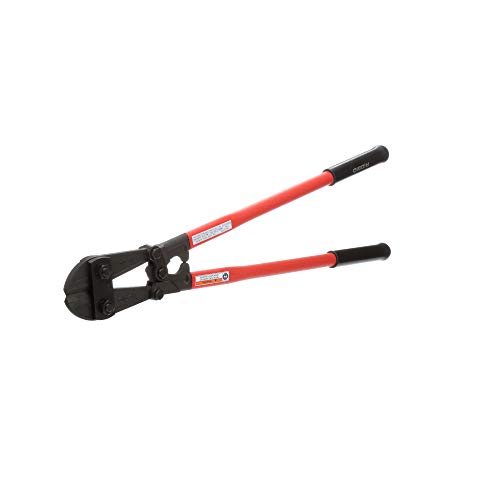
Pros
- Hardened alloy steel jaws resist dulling and maintain sharp cutting edges through extended use
- One-step internal cam mechanism eliminates alignment issues and ensures precise cuts every time
- Versatile cutting capacities let you handle different metal types without switching tools
- Comfortable, ergonomic handles reduce hand strain during extended use on the jobsite
- 24-inch length provides optimal leverage for cutting through tough, hardened materials
Cons
- Heavy-duty construction makes this tool heavier than compact alternatives, which can cause fatigue on all-day cutting tasks
- High cutting capacity means it requires significant hand strength to cut at maximum thickness, limiting use for those with limited grip strength
The RIDGID S24 is a serious bolt cutter built for professionals and dedicated DIYers who tackle heavy metal-cutting work. Its 24-inch length and hardened alloy steel jaws combine to deliver reliable performance on jobsites where durability matters. The tool handles an impressive range of materials, from soft nonferrous metals to hardened steel reinforcing rod, making it a versatile addition to any tool collection.
The one-step internal cam mechanism is a standout feature that keeps the cutting blades perfectly aligned without fussy adjustments. This design ensures consistent, clean cuts across the full range of metal thicknesses the tool supports. The ergonomic handles are thoughtfully designed to maximize mechanical advantage, which translates to less strain on your hands and wrists during extended cutting sessions.
For serious metalworking and construction tasks, the RIDGID S24 delivers the precision and durability you'd expect from a tool bearing the RIDGID name. Its multiple cutting capacities eliminate the need for multiple tools, and the hardened alloy steel jaws are engineered to maintain their edge through years of jobsite use. This is a tool that rewards quality with longevity.
| Specification | Detail |
|---|---|
| Brand | RIDGID |
| Model | S24 |
| Overall Length | 24 inches |
| Jaw Material | Hardened alloy steel |
| Soft Metal Capacity | 7/16 inch |
| Medium Metal Capacity | 3/8 inch |
| Hard Metal Capacity | 5/16 inch |
| Cutting Design | Center cut |
| Handle Type | Ergonomic with sturdy grips |
| Mechanism | One-step internal cam |
| Materials Cut | Bolts, screws, rivets, wire, soft steel, stainless steel, iron, spring wire, heat-treated rod, reinforcing rod |
Positioning the Cut: Open the jaws fully and position the metal you want to cut at the center of the cutting blades. The center-cut design ensures even pressure distribution for the cleanest possible cut. Align the material so it sits perpendicular to the blade faces.
Applying Pressure: Slowly close the handles using steady, controlled pressure. The ergonomic design provides mechanical advantage, so you don't need to force it. Let the hardened steel jaws do the work. For thicker materials, use smooth, continuous pressure rather than jerky motions.
Capacity Guidelines: Reference the marked capacities on the tool. Soft metals can handle up to 7/16 inch, medium metals up to 3/8 inch, and hard metals up to 5/16 inch. Exceeding these limits can damage the jaws or make cutting extremely difficult. For borderline sizes, use the next-lower capacity rating for best results.
Maintenance: After use, wipe the jaws clean of metal shavings and dust. Occasionally apply a light machine oil to the pivot point to keep the internal cam mechanism operating smoothly. Store in a dry location to prevent rust on the alloy steel jaws.
Hand and Eye Protection: Always wear heavy-duty work gloves to protect your hands from sharp metal edges and pinch points. Metal shavings can be sharp and unpredictable, so wear safety glasses to protect your eyes from flying debris during cutting.
Secure Your Workpiece: Use a vise, clamp, or stable work surface to hold the material you're cutting. Never hold small pieces by hand while cutting. Your hands should be positioned well away from the cutting blades at all times.
Proper Grip and Stance: Stand with your feet shoulder-width apart for stability. Keep your body balanced and never overreach. The 24-inch length provides good leverage, so you don't need to strain or twist your body to apply cutting pressure.
Respect Material Limits: Do not attempt to cut materials harder than the tool's rated capacity or thicker than specified. Forcing the tool beyond its limits can cause blade slippage, material kickback, or handle breakage. If a cut feels stuck, release pressure and reposition the material.
Storage and Inspection: Store the bolt cutter in a secure location out of reach of children. Before each use, inspect the jaws for cracks or damage. If the blades no longer align properly or show visible damage, the tool should not be used until repaired or replaced.
Maximize Leverage: Position your hands near the ends of the handles to maximize mechanical advantage. The 24-inch length is designed to give you leverage, so use it fully. You'll find that proper hand positioning makes cutting through tough materials significantly easier.
Use the Center Cut: Always position the material at the very center of the jaws where the blades have maximum strength and alignment. Cutting near the edges of the jaw reduces cutting power and can cause uneven cuts or blade damage over time.
Match Capacity to Material: Soft metals like copper and aluminum cut easily at the full 7/16-inch capacity. Medium-hardness materials like mild steel work best at 3/8 inch. Reserve the 5/16-inch capacity for hardened steel, heat-treated rod, and spring wire where maximum cutting force is needed.
Maintain the Mechanism: The one-step internal cam mechanism is what keeps your cuts clean and precise. A few drops of light machine oil on the pivot point every few months keeps this mechanism operating smoothly and prevents the blades from drifting out of alignment.
Clean Blades Regularly: Metal shavings can accumulate on the jaws and affect cutting performance. Wipe the blades clean after each use, especially when cutting materials that produce fine shavings. This simple habit extends blade life and ensures consistent cutting quality.

Pros
- Superior cutting power thanks to PowerPivot technology and double compound action mechanism
- Center-cut blade design delivers cleaner, more precise cuts than standard side-cut models
- Durable heat-treated and induction-hardened blades maintain performance over time
- 24-inch length provides excellent reach and leverage for heavy-duty cutting tasks
- Built to professional standards, making it a solid long-term investment for serious DIYers
Cons
- 24-inch length may feel unwieldy in confined spaces or for users with limited upper body strength
- Premium pricing reflects professional-grade quality, making it a larger upfront investment than basic bolt cutters
The H.K. Porter 24" PowerPivot Center Cut Bolt Cutter stands out as a professional-grade tool designed for homeowners and DIYers who demand serious cutting power. The PowerPivot technology and double compound action mechanism work together to amplify your cutting force, making short work of hardened bolts, chains, and padlocks that would challenge standard cutters. This engineering approach means less hand fatigue and more reliable cuts, even when tackling thick or stubborn fasteners.
The center-cut blade design is a key differentiator in this model's category. Rather than cutting from the side like many bolt cutters, the center-cut approach delivers superior precision and produces cleaner cuts on fasteners. Combined with the precision-engineered, induction-hardened blades and heat-treated construction, you get a tool built to maintain its sharpness and performance through years of regular use. The 24-inch length provides excellent leverage and reach, allowing you to access bolts in tight or recessed areas where shorter cutters fall short.
This is a tool for users who value durability and performance over price. The H.K. Porter brand brings decades of reputation for professional-grade cutting tools, and this model reflects that heritage. Whether you're cutting through old fence hardware, removing security chains, or tackling renovation demolition work, the PowerPivot's combination of cutting force, precision, and longevity makes it a worthwhile investment for serious DIY projects and regular maintenance tasks around the home.
| Specification | Detail |
|---|---|
| Brand | H.K. Porter (Crescent) |
| Model | 0190MCP |
| Length | 24 inches |
| Cutting Action | Double Compound Action |
| Blade Type | Center Cut |
| Blade Technology | Precision Engineered Induction Hardened |
| Blade Treatment | Heat Treated |
| Key Feature | PowerPivot Technology |
| Category | Bolt Cutters |
Positioning: Hold the bolt cutter with both hands, positioning the bolt or fastener between the two cutting blades. Ensure the material sits as close to the pivot point as possible for maximum cutting force and leverage.
Cutting Technique: Squeeze the handles together in a smooth, controlled motion. The double compound action will amplify your force, so avoid jerky movements. For stubborn bolts, apply steady pressure rather than sudden force to prevent slipping.
Safety: Always wear safety glasses when cutting, as small metal fragments can fly off. Keep your fingers clear of the blade area, and never attempt to cut materials harder than the tool's rated capacity. Store the cutter in a dry location to prevent rust and maintain blade sharpness.
Eye Protection: Always wear ANSI-rated safety glasses or a face shield when operating this tool. Metal fragments and small pieces can scatter when cutting hardened fasteners.
Hand and Finger Safety: Keep hands, fingers, and clothing clear of the blade area during operation. Never place hands between the handles while the tool is in use. Be especially cautious when cutting near your body.
Proper Material Handling: Secure the bolt or fastener in a vice or clamp whenever possible to prevent slipping. Never try to cut materials beyond the tool's rated capacity, as this can cause blade damage, slipping, or injury. Inspect blades regularly for chips or damage before use.
Storage and Maintenance: Store the cutter in a dry location to prevent rust and corrosion. Keep blades clean and dry after use. Do not expose the tool to moisture for extended periods, and consider applying a light coat of oil to metal parts if storing for long periods.
Maximize Cutting Power: Position the bolt as close to the pivot point as possible. The farther the material is from the pivot, the less mechanical advantage you have. This is where the 24-inch length really shines, allowing you to apply force at the handle ends for maximum leverage.
Extend Blade Life: Clean the blades after each use, especially when cutting materials that leave residue or rust. A light wipe with an oiled cloth prevents corrosion and keeps blades sharp longer. Store in a dry environment to avoid moisture damage.
Handle Stubborn Fasteners: For particularly hard or corroded bolts, apply penetrating oil and let it sit for 15-30 minutes before cutting. This reduces strain on both the tool and your hands. If a bolt is extremely tough, try cutting at a slight angle rather than straight through.
Maintenance Schedule: Periodically inspect the pivot point and hinges for debris or corrosion. A drop of light machine oil at the pivot keeps the compound action working smoothly. Check blade alignment by closing the handles gently and looking for any gaps between the blades.

Pros
- Exceptional cutting power thanks to compound action design that reduces effort required
- Durable chrome molybdenum construction with powder-coated finish withstands rust and corrosion
- Comfortable grip design minimizes hand strain during repetitive cutting tasks
- Versatile enough for home repair, chain work, wire cutting, and light industrial applications
- Precise jaw alignment delivers clean, controlled cuts through hardened metals
Cons
- No customer reviews available yet, so real-world durability feedback is limited
- Limited to cutting capacity of 1/4 inch for hardened metals, which may not suit heavy industrial work
The WORKPRO 18-inch bolt cutter combines practical engineering with durable materials to deliver a reliable cutting tool for homeowners and DIYers. The drop-forged chrome molybdenum steel jaws undergo heat treatment and quenching to achieve superior hardness and corrosion resistance. This construction means the tool can handle repeated use on chains, wires, and bolts without premature dulling or rust formation, even in damp garage or outdoor conditions.
What sets this bolt cutter apart is its compound lever-fulcrum design, which magnifies the force you apply through the handles. This mechanical advantage means you'll cut through tough materials with significantly less hand fatigue compared to standard cutters. The 8mm maximum opening and dual cutting capacities (1/4 inch for hardened metals with HRC≤42, and 5/16 inch for softer metals) give you flexibility across different projects without forcing you to switch tools constantly.
The ergonomic TPR soft-grip handles are thoughtfully designed to reduce pressure points during extended use, making this tool suitable for both quick repairs and longer cutting sessions. Whether you're trimming a chain link fence, cutting through lock bolts, or handling wire work, the balanced weight and grip comfort make the job noticeably easier. For homeowners seeking a dependable, long-lasting cutting tool that won't break the bank, this WORKPRO model delivers solid value and performance.
| Specification | Detail |
|---|---|
| Length | 18 inches |
| Blade Material | Drop-forged Chrome Molybdenum Steel |
| Blade Finish | Powder-coated for corrosion resistance |
| Cutting Capacity (Hardened Metal) | 1/4 inch (HRC≤42) |
| Cutting Capacity (Soft Metal) | 5/16 inch (HRC<25) |
| Maximum Opening | 8 millimeters |
| Handle Material | TPR Ergonomic Soft Grip |
| Design Type | Compound Lever-Fulcrum Action |
| Brand | WORKPRO |
| Color Options | Black, Blue, Red |
Preparing for Cutting: Inspect the bolt cutter jaws for any debris or damage before use. Ensure the handles move freely and the blades are properly aligned. Position yourself with a stable stance and good lighting on your work area.
Cutting Technique: Open the jaws fully and position the material to be cut as close to the fulcrum (pivot point) as possible. This maximizes cutting power. Close the handles smoothly and steadily, allowing the compound lever design to do the work. Avoid jerky motions or forcing the handles, as the tool is engineered for controlled, efficient cutting.
Material Positioning: For chains and thicker materials, center them in the jaws for clean cuts. For wires and thinner stock, position them slightly off-center if needed to prevent slipping. Never attempt to cut materials beyond the specified capacity, as this can damage the jaws or cause the handles to pinch your hands.
After Cutting: Wipe down the jaws and handles with a dry cloth, especially after cutting damp or dirty materials. Store in a dry location to preserve the powder-coated finish and prevent rust formation on the blade.
Hand and Finger Safety: Always keep your hands clear of the cutting path and jaws. The handles will snap shut with considerable force once you release them. Never place fingers or thumbs between the jaws or in the path of the blades. Wear work gloves to protect your hands from sharp edges and metal burrs created during cutting.
Eye Protection: Wear safety glasses when cutting metal, as small fragments or burrs can fly off unexpectedly. This is especially important when cutting chains or brittle materials that may shatter slightly.
Secure Your Work: Always secure the material you're cutting in a vise, clamp, or stable surface. Never hold small pieces in your hand while cutting. If the material slips, your hand could contact the blades or the handles could pinch unexpectedly.
Proper Capacity Awareness: Never exceed the tool's rated cutting capacity. Forcing the handles on oversized materials can cause the tool to slip, break, or pinch your hands. If material won't cut easily, it's beyond the tool's capacity. Store the bolt cutter safely with handles closed or partially open to prevent accidental closure.
Maximize Cutting Power: Position the material as close to the pivot point (hinge) as possible. The further from the hinge, the less mechanical advantage you have. This simple technique makes even tough materials cut smoothly without straining your hands or the tool.
Keep Blades Clean: After each use, especially with dirty or rusty materials, wipe the jaws clean. Debris buildup reduces cutting efficiency and can eventually prevent the jaws from closing fully. A quick wipe with a dry cloth takes seconds and extends tool life significantly.
Lubricate the Hinge: Occasionally apply a light machine oil or 3-in-1 oil to the pivot point. This keeps the handles moving smoothly and prevents rust formation at the hinge, which is critical for maintaining the compound action's effectiveness.
Organize by Task: Keep this bolt cutter accessible for chain work, lock removal, and general wire cutting. Its 18-inch length and moderate weight make it ideal for storage on a pegboard or in a tool bag. Unlike larger industrial cutters, it won't take up excessive space in a garage or workshop.

Pros
- 24-inch length provides excellent leverage and cutting power for thicker materials
- Ergonomic handle design minimizes hand strain during regular use
- Anti-rust coating protects the tool and maintains cutting efficiency over time
- Versatile enough to handle bolts, chains, wire, and padlocks in one tool
- Solid steel construction offers durability for frequent homeowner use
Cons
- No reviews available yet, so real-world durability and performance feedback is limited
- 24-inch size may feel bulky for users with smaller hands or those doing precision work in tight spaces
The KSEIBI 24-inch bolt cutter is built for homeowners and DIYers who need reliable cutting power without premium pricing. The 24-inch length gives you significant leverage advantage when cutting through tougher materials like fence bolts, chains, and padlocks, making the work less exhausting than shorter models. The high-quality steel construction combined with an anti-rust black coating means this tool should hold up well to outdoor conditions and regular use around the property.
What sets this cutter apart is its focus on user comfort. The soft-grip rubber handles are ergonomically designed to reduce hand fatigue during extended cutting sessions, which matters when you're tackling multiple fence repairs or property cleanup projects. The tool's cutting capacity handles hardened steel up to HRC 42 (5/16-inch diameter) and softer materials up to 3/8-inch, covering most common household cutting needs including bolts, wire, screws, and rivets.
This is a practical choice for homeowners who want a versatile, durable cutting tool for occasional to moderate use. While the lack of existing customer feedback means you won't find extensive real-world performance data, the solid engineering and reasonable price point make it worth considering if you need a dependable bolt cutter for fence work, chain cutting, or general property maintenance.
| Brand | KSEIBI |
| Model | 141585 |
| Overall Length | 24 inches (600mm) |
| Material | High-quality steel with anti-rust coating |
| Handle Type | Soft-grip rubber, ergonomic design |
| Cutting Capacity - Hardened Steel (HRC ≤ 42) | 5/16-inch (8mm) |
| Cutting Capacity - Soft Materials (HRC < 25) | 3/8-inch (9.5mm) |
| Suitable For | Bolts, chains, fence wire, screws, rivets, medium padlocks |
| Finish | Black anti-rust coating |
Proper Positioning: Always position the bolt cutter so the cutting blades are perpendicular to the material you're cutting. Place the bolt or chain in the center of the blade opening for maximum cutting force and clean cuts. Never force the handles closed if resistance is too high.
Using Both Hands: Grip one handle in each hand and use smooth, controlled squeezing motions. The 24-inch length provides leverage, but don't use it as a pry bar or apply twisting force. For tougher materials, position the item closer to the pivot point (where the handles join) for more cutting power.
Material Consideration: Check the hardness of what you're cutting. This cutter handles hardened steel up to 5/16-inch diameter and softer materials up to 3/8-inch. If material is harder than your tool's rating, it may slip or not cut cleanly. Always wear safety glasses when cutting, as metal fragments can fly.
Eye Protection: Always wear safety glasses or a face shield when cutting bolts, chains, or wire. Metal fragments can scatter unpredictably, and protecting your eyes is non-negotiable.
Hand and Finger Safety: Keep your hands clear of the blade area. Never position fingers near the cutting blades, and be aware that the handles can pinch skin when closing. Don't use the tool one-handed, as loss of control can lead to injury.
Proper Storage: Store the bolt cutter in a dry location to preserve the anti-rust coating. Keep it out of reach of children. If the blades become dull or damaged, replace the tool rather than attempting to sharpen it yourself, as improper sharpening can create unsafe cutting conditions.
Know Your Limits: Don't attempt to cut materials harder than the tool's rated capacity (HRC 42 for hardened steel). Forcing the cutter beyond its design limits can damage the blades, break the handles, or cause the tool to slip and cause injury.
Size Matters: The 24-inch length is ideal for homeowners who need good cutting power without excessive bulk. If you're working in tight spaces or have limited hand strength, a smaller 18-inch model might be easier to control. For heavy industrial work, 30-inch or larger cutters offer more leverage but are harder to maneuver.
Material Hardness: Before purchasing, consider what you'll be cutting most often. This KSEIBI model handles common household materials well, including fence bolts, chains, and padlocks. If you frequently need to cut hardened steel bolts thicker than 5/16-inch, you may need a professional-grade cutter with higher cutting capacity.
Ergonomics and Comfort: If you have arthritis, carpal tunnel, or hand fatigue issues, the soft-grip rubber handles on this model are a significant advantage. The ergonomic design reduces strain during extended use, which is important if you're tackling a large fence project or multiple repairs in one session.
Budget Considerations: This is a mid-range option that balances quality, durability, and affordability. It's suitable for occasional to moderate use by homeowners. Premium brands offer enhanced cutting capacity and durability for professional contractors, but this KSEIBI cutter provides solid value for residential property maintenance.
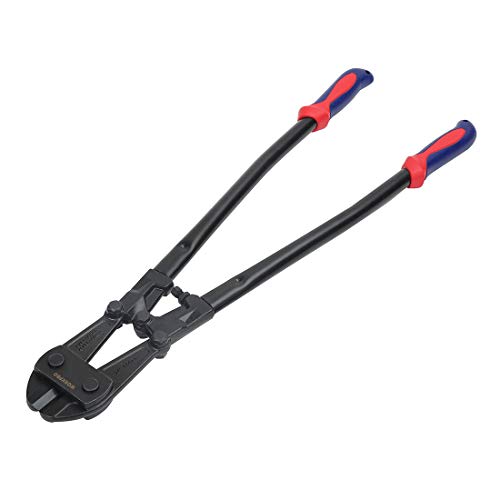
Pros
- Excellent leverage design reduces hand strain and makes cutting easier, especially for longer sessions
- Durable chrome vanadium steel construction holds up well to repeated use without dulling quickly
- Comfortable grip design minimizes fatigue and provides good control during cutting
- Reasonably priced for a quality tool that handles most residential cutting needs
- Compact 24-inch size strikes a good balance between cutting power and ease of storage
Cons
- Limited cutting capacity on hardened steel (5/16-inch max) means it won't handle very thick or extremely hard materials
- No customer reviews available yet, so real-world durability data from actual users is limited
The WORKPRO 24-inch bolt cutter is built on proven engineering principles that prioritize both power and usability. The drop-forged chrome vanadium steel jaws deliver consistent cutting performance across a range of materials, from padlocks and chains to soft metals and rivets. The powder-coated finish protects the jaws from rust and corrosion, helping the tool maintain its cutting edge through years of occasional to moderate use.
What sets this model apart is its thoughtful design for user comfort and control. The bi-material handle combines a sturdy outer shell with soft rubber gripping surfaces, reducing hand fatigue during extended cutting sessions. The classic lever-fulcrum mechanism is precisely engineered to maximize cutting force while minimizing the physical effort required, making it accessible for users of varying strength levels. The 24-inch length provides enough reach for most residential applications without becoming unwieldy to store or maneuver.
This bolt cutter is well-suited for homeowners and DIYers who need a reliable, no-nonsense tool for occasional cutting tasks around the property. Whether you're removing old locks, cutting chain, or trimming metal rods, the WORKPRO delivers solid performance at a reasonable price point. For professional contractors or those who regularly cut hardened steel, the cutting capacity limits may warrant consideration of a heavier-duty model.
| Brand | WORKPRO |
| Model | W017015A |
| Overall Length | 24 inches |
| Blade Material | Drop-forged Chrome Vanadium Steel |
| Jaw Finish | Powder-coated |
| Handle Type | Bi-material with soft rubber grip |
| Soft Metal Capacity | Up to 3/8-inch (11mm) |
| Hardened Steel Capacity | Up to 5/16-inch (8mm) |
| Suitable Materials | Padlocks, soft metal, bolts, rods, rivets, chain |
| Design | Classic lever-fulcrum with precisely aligned blades |
Safe Operation: Always wear safety glasses when cutting. Ensure the material you're cutting is secure and won't slip. Position the bolt cutter so the blades are perpendicular to the material for the cleanest cut.
Cutting Technique: Place the material to be cut as far back as possible in the jaws for maximum leverage. Apply steady, even pressure on both handles. For tougher materials, use a smooth, controlled motion rather than jerking or forcing the handles closed.
Material Placement: For padlocks, position the shackle toward the back of the jaws. When cutting chain, work link by link, placing each link at the blade's cutting edge. For bolts and rods, ensure they're fully supported to prevent bending.
Maintenance: After use, wipe the blades clean and dry to prevent rust. Occasionally apply a light machine oil to the pivot point to keep the mechanism operating smoothly. Store in a dry location.
Personal Protective Equipment: Always wear safety glasses to protect your eyes from metal fragments. Consider wearing work gloves to protect your hands from sharp edges and pinch points.
Before Cutting: Inspect the material for any obstacles or hidden hazards. Never cut electrical cords, live wires, or any material that could contain electrical current. Ensure the work area is well-lit and free of distractions.
During Operation: Keep your hands and body clear of the blade path. Never force the tool or use it for materials beyond its rated capacity. Ensure the material is properly secured so it won't slip or rotate unexpectedly.
After Cutting: Keep the tool away from children and store it in a safe location. Do not leave the bolt cutter unattended with the handles open. Clean and dry the blades after use to prevent rust and maintain cutting performance.
Maximize Cutting Power: Position the material as far back as possible in the jaws to take advantage of the lever-fulcrum design. This positioning gives you maximum mechanical advantage and makes cutting easier, especially on tougher materials.
Extend Blade Life: Avoid cutting hardened materials at or beyond the tool's rated capacity. Cutting softer materials whenever possible preserves the blade sharpness and extends the tool's working life. Keep blades clean and dry between uses.
Reduce Hand Fatigue: Use smooth, controlled motions rather than jerky or forceful movements. Let the tool's mechanical advantage do the work for you. For repetitive cutting tasks, take breaks to prevent hand and forearm fatigue.
Storage and Care: Store the bolt cutter in a dry location to prevent rust. Apply a light coat of machine oil to the pivot point periodically to keep the mechanism smooth and responsive. This simple maintenance keeps the tool performing like new.

Pros
- Powerful cutting capacity handles tough materials like hardened locks and chain-link fence
- Well-designed handles minimize hand strain with thermal insulation and anti-skid grip
- Adjustable blade clearance ensures consistent cutting performance over time
- Reasonable weight at 8 lbs balances durability with user control
- Included work gloves add practical value to the package
Cons
- No customer reviews available yet, so real-world durability feedback is limited
- Maximum cutting capacity of 3/8 inch limits use on thicker bolts and heavy-gauge materials
The SPENDINS 30-inch bolt cutter is built for serious cutting work around the home and property. Its blades feature drop-forged Chromium-Molybdenum alloy steel that undergoes high-frequency induction hardening, reaching 62 HRC hardness. This construction gives the cutter the durability and edge retention needed for repeated use on challenging materials like padlocks, chains, and fencing without premature dulling.
The mechanical design emphasizes user control and comfort. At 30 inches long and 8 pounds, the tool provides excellent leverage without becoming unwieldy for most homeowners. The thermal-insulated handles with soft rubber grips are thoughtfully engineered to reduce hand fatigue during extended cutting sessions. The internal cam mechanism ensures blade alignment remains consistent, which directly translates to cleaner cuts and more reliable performance. Eccentric adjustment bolts allow you to fine-tune blade clearance as wear naturally occurs over time.
This cutter handles materials up to 3/8 inch diameter for hardened steel (42 HRC) and up to 1/2 inch for softer materials (25 HRC), making it suitable for most residential projects involving locks, chains, wire, rebar, and metal fencing. The inclusion of heavy-duty work gloves in the package shows practical consideration for safety and immediate usability, though serious users may want to invest in additional protective equipment for extended work sessions.
| Specification | Detail |
|---|---|
| Length | 30 inches (750 mm) |
| Weight | 8 lbs |
| Blade Material | Drop-forged Chromium-Molybdenum alloy steel |
| Blade Hardness | 62 HRC |
| Max Cutting Capacity (42 HRC material) | 3/8 inch (10 mm) |
| Max Cutting Capacity (25 HRC material) | 1/2 inch (13 mm) |
| Handle Material | Thermal-insulated with soft rubber grip |
| Blade Adjustment | Eccentric bolts for clearance adjustment |
| Included Accessories | Pair of heavy-duty work gloves |
Proper Cutting Technique: Position the bolt cutter so the material sits near the middle of the blades, not at the tip or heel. This maximizes leverage and cutting power. Align the material perpendicular to the blade edges for clean, efficient cuts. Apply steady, controlled pressure rather than sudden jerking motions.
Maintenance for Longevity: After each use, wipe the blades clean and dry them thoroughly to prevent rust and corrosion. Periodically apply a light machine oil to the pivot point and internal cam mechanism. Check blade alignment using the eccentric adjustment bolts if you notice the cut becoming rough or uneven. Store in a dry location, preferably hanging or in a tool rack to prevent moisture accumulation.
Safety Practices: Always wear the included work gloves and consider additional hand protection. Keep your hands clear of the blade path during cutting. Never force the tool through material beyond its rated capacity, as this can damage the blades or cause slipping. Inspect blades before use for chips or damage. Keep the tool out of reach of children.
Personal Protective Equipment: Always wear heavy-duty work gloves when operating the bolt cutter. Consider wearing safety glasses to protect against flying metal debris, especially when cutting hardened materials or locks. Long sleeves and sturdy footwear are recommended for jobsite work.
Operational Safety: Never place your hands or body in the path of the cutting blades. Keep fingers clear of the pivot point where the handles meet. Do not attempt to cut material that exceeds the tool's rated capacity, as this can cause blade breakage or sudden slipping. Ensure the material is secure and won't roll or shift during cutting. Use proper stance and grip to maintain control throughout the cutting motion.
Storage and Handling: Store the bolt cutter in a secure location away from children and untrained users. Keep blades clean and dry to prevent rust and maintain safe cutting performance. Inspect the tool regularly for cracks, damage, or misalignment before each use. If blades become damaged or excessively dull, discontinue use and consider professional sharpening or replacement.
Is This the Right Tool for You? The SPENDINS 30-inch bolt cutter is ideal for homeowners and DIYers who regularly encounter cutting tasks involving padlocks, chains, fencing, wire, and metal bolts. If your projects typically involve cutting materials thicker than 3/8 inch diameter in hardened steel, you may want to consider a larger or specialized cutter. This tool is not designed for industrial-scale production work, but it excels at residential property maintenance and repair tasks.
Comparing Size and Capacity: The 30-inch length strikes a practical balance between leverage and manageability. Longer cutters (36+ inches) provide more mechanical advantage but are harder to control in tight spaces. Shorter cutters are more portable but require greater hand strength. The 3/8 inch cutting capacity covers most residential scenarios, including standard padlocks and chain-link fencing. If you regularly work with thicker materials, a 36-inch or 42-inch model with higher capacity may be worth the investment.
Quality and Value Considerations: The drop-forged Cr-Mo construction and 62 HRC hardness indicate a tool built for longevity rather than disposable use. The inclusion of work gloves adds practical value. Investing in a quality bolt cutter now means fewer replacements and more reliable performance over years of use. Proper maintenance and storage will extend blade life significantly.

Pros
- Exceptional cutting power with significantly reduced hand fatigue during extended use
- Premium German engineering and materials deliver long-lasting performance
- Versatile tool serves multiple purposes beyond bolt cutting
- Compact size makes it easy to store and handle in confined work areas
- Precision blades maintain sharpness and cutting efficiency over time
Cons
- Premium pricing reflects quality but may be a significant investment for occasional users
- Limited cutting capacity at 0.157 inches may require a larger cutter for industrial-grade bolts
The Knipex CoBolt compact bolt cutter represents German precision engineering applied to a tool that homeowners and DIYers actually use regularly. The standout feature is its high transmission ratio mechanism, which reduces the hand force required for cutting by 60% compared to conventional bolt cutters. This means less wrist strain and fatigue when working through tough materials, making it practical for extended projects.
The blade quality is impressive, with induction-hardened precision edges rated at 64 HRC hardness. Combined with the forged chrome vanadium steel construction, this translates to blades that stay sharp through repeated use and resist dulling from hard materials. Beyond cutting bolts, the gripping surface below the joint lets you pull or manipulate nails and wires from 0.039 inches, adding genuine versatility to the tool.
At 10 inches, the CoBolt strikes a practical balance between cutting power and maneuverability. It fits comfortably in tool bags and works well in confined spaces where larger cutters won't fit. While the price point is higher than mass-produced alternatives, the durability and ergonomic design justify the investment for anyone who values reliable tools that reduce fatigue during demanding work.
| Specification | Details |
|---|---|
| Brand | KNIPEX |
| Model | 71 01 250 |
| Tool Type | Compact Bolt Cutter |
| Length | 10 inches |
| Maximum Cutting Diameter | 0.157 inches (approximately 4mm) |
| Wire/Nail Grip Range | 0.039 inches and up |
| Blade Material | German Chrome Vanadium Steel |
| Blade Hardness | 64 HRC (induction-hardened) |
| Construction | Forged and oil-hardened |
| Force Reduction | 60% less hand force required vs. standard cutters |
| Special Features | High transmission ratio, precision blades, dual-purpose design |
Cutting Bolts and Hard Materials: Position the bolt or wire between the precision blades, aligning it perpendicular to the cutting edges. Apply steady, even pressure on the handles. The high transmission ratio means you need significantly less force than traditional cutters, so avoid overexerting. Close the handles smoothly until the material cuts through.
Gripping and Pulling Nails: Use the gripping surface located below the joint to hook nails or wires. Position the grip around the nail shaft and pull steadily. This feature works best for nails and wires between 0.039 inches and larger diameters.
Material Limitations: The CoBolt is designed for bolts, wires, and nails up to 0.157 inches. For thicker materials or industrial-grade bolts, a larger cutter will be more effective. Clean the blades periodically to remove debris and maintain cutting performance.
Hand Positioning: Keep your hands clear of the blade path when closing the handles. The sharp precision blades can cause cuts if fingers are in the way. Always maintain a firm grip on both handles to prevent slipping during cutting.
Eye Protection: Wear safety glasses when cutting bolts or hard materials, as small fragments can occasionally fly off during the cutting process. This is especially important when working on overhead projects.
Proper Technique: Avoid twisting the handles while cutting, as this can damage the blades or cause the tool to slip. Use smooth, controlled pressure rather than jerky motions. Never use the tool as a pry bar or leverage device, as this exceeds its design limits and can cause injury or tool damage.
Leverage the Transmission Ratio: The 60% force reduction is real, but it works best when you use smooth, controlled pressure rather than sudden jerking motions. Let the blade geometry do the work for you. This approach also extends blade life significantly.
Maintenance for Longevity: After use, wipe the blades clean with a dry cloth to remove metal particles and debris. Occasionally apply a light machine oil to the joint to keep it moving freely. Store in a dry location to prevent rust on the precision-hardened blades.
Choosing the Right Size Material: The 0.157-inch maximum capacity is ideal for standard bolts, padlocks, and chain links. If you regularly work with thicker materials, consider having both a compact cutter and a full-size option in your tool collection for maximum versatility.

Pros
- Cuts through hardened fasteners that standard bolt cutters cannot handle
- Ergonomic design with shock-absorbing handle reduces hand fatigue during extended use
- Replaceable cutter head saves money compared to buying new cutters
- Fine adjustment system ensures clean, precise cuts every time
- German engineering and build quality deliver lasting durability
Cons
- Higher upfront cost compared to basic bolt cutters limits appeal for occasional users
- Larger size and weight make it less portable for jobs requiring frequent repositioning
The KNIPEX 71 72 610 large bolt cutters represent a significant step up from standard hardware store models. Built with a cutting edge hardness of 62 HRC, these cutters can cleanly sever hardened steel bolts up to 48 HRC, making them invaluable for removing seized fasteners, cutting heavy chain, and tackling demolition work where tougher materials are common.
What sets these cutters apart is the engineering behind the ergonomics. The angled handles are precisely shaped to reduce the mechanical advantage needed per cut, while the forged stopper with integrated shock-absorber protects your hands and wrists from the repeated impact stress that comes with heavy cutting work. After extended use, your hands will feel noticeably fresher compared to standard cutters.
The 12-position eccentric screw adjustment system allows you to fine-tune the cutting geometry to match different materials and bolt conditions, ensuring consistently clean cuts without crushing or deforming the fastener. The replaceable cutter head is a smart feature that extends the tool's working life and reduces the need for complete replacement as edges dull over time.
| Specification | Details |
|---|---|
| Model Number | 71 72 610 |
| Brand | KNIPEX |
| Type | Large Bolt Cutters |
| Cutting Capacity | Up to 48 HRC |
| Cutting Edge Hardness | 62 HRC |
| Handle Design | Ergonomically angled with shock-absorber |
| Adjustment System | 12-position eccentric screw |
| Cutter Head | Replaceable, screw-connected |
| Handle Material | Forged with stopper |
Preparing for Cutting: Before each use, inspect the cutting edges for damage or dullness. Use the 12-position eccentric screw to adjust the cutter head based on the bolt's hardness and material. Start with a middle position and fine-tune as needed.
Proper Cutting Technique: Position the bolt or fastener as far back in the cutting jaws as practical to maximize mechanical advantage. Grip the handles firmly with both hands, keeping your body stable. Apply steady, controlled pressure rather than jerky motions. For extra leverage on very hard fasteners, position yourself so your body weight assists the cutting motion.
Maintenance: After use, wipe the cutting edges clean with a dry cloth to remove any debris or moisture. Periodically apply a light machine oil to the pivot point and adjustment screw to maintain smooth operation. If edges become dull after extended use, the replaceable cutter head can be swapped out to restore cutting performance.
Personal Protection: Always wear safety glasses when cutting fasteners, as small metal fragments can fly unpredictably. Consider wearing work gloves to protect your hands from sharp edges and pinch points.
Safe Operation: Keep your hands and fingers clear of the cutting path and pivot point. Never force the cutters through material that exceeds the stated capacity, as this can damage the tool or cause slipping that leads to injury. Ensure adequate lighting so you can see exactly what you're cutting.
Storage and Handling: Store the cutters in a dry location to prevent rust and corrosion. Keep them out of reach of children. When not in use, consider lightly coating the cutting edges with a thin layer of oil to protect against moisture. Always inspect the tool before use to ensure the cutter head is secure and the handles are intact.
Who Should Buy These Cutters: The KNIPEX 71 72 610 is best suited for homeowners who frequently tackle demolition projects, property maintenance, or metalworking. They're ideal for professionals in construction, electrical work, plumbing, and HVAC who regularly encounter hardened fasteners. If you only cut soft wire or aluminum occasionally, standard cutters will suffice and cost less.
When to Choose This Model: Select these large bolt cutters if you regularly face seized bolts, hardened steel fasteners, or heavy chain. The 48 HRC cutting capacity puts them in the professional-grade category. Their replaceable cutter head makes them economical for long-term use, offsetting the higher initial investment.
What to Expect: Plan to spend time adjusting the eccentric screw to match your specific cutting tasks. The learning curve is minimal, but taking time to dial in the right setting will improve cut quality and reduce hand fatigue. These cutters reward careful technique and proper maintenance with years of reliable performance.

Pros
- Exceptional cutting capacity handles hardened steel and heavy-duty fasteners that standard cutters cannot
- Replaceable cutter head design saves money compared to replacing the entire tool
- Precise 12-position adjustment system keeps the tool performing like new for years
- Ergonomic handle shape and shock absorber reduce hand fatigue during demanding jobs
- German precision engineering ensures durability and reliability on job sites
Cons
- Premium price point reflects professional-grade quality, making it a significant investment for casual users
- Heavier weight than consumer-grade bolt cutters may cause fatigue during extended overhead or repetitive cutting
The KNIPEX 71 72 460 Large Bolt Cutters represent professional-grade engineering designed for homeowners and contractors who demand reliability on serious projects. With a cutting capacity up to 48 HRC hardness, this tool handles hardened steel, reinforced chains, and heavy fasteners that would overwhelm standard bolt cutters. The cutting edge itself is hardened to approximately 62 HRC, ensuring it stays sharp through demanding applications.
What sets this tool apart is its thoughtful design for user comfort and longevity. The ergonomically angled handles are shaped to minimize cutting effort while the forged stopper with shock absorber protects your hands from impact stress. The 12-position eccentric screw adjustment system allows you to fine-tune the cutter's performance as it wears, maintaining precision over years of use. The replaceable cutter head means you can extend the life of your investment without replacing the entire tool when wear eventually occurs.
This is a tool for serious work. If you're handling padlocks on gates, cutting reinforced chain, or working with hardened fasteners, the KNIPEX 71 72 460 delivers the cutting power and durability you need. The initial investment is substantial, but the precision engineering, replaceable components, and German craftsmanship make it a worthwhile addition to any serious DIYer's or contractor's toolkit.
| Specification | Detail |
|---|---|
| Brand | KNIPEX |
| Model | 71 72 460 |
| Product Type | Large Bolt Cutters |
| Maximum Cutting Capacity | Up to 48 HRC hardness |
| Cutting Edge Hardness | Approximately 62 HRC |
| Handle Design | Ergonomically angled for reduced effort |
| Adjustment System | 12-position eccentric screw adjustment |
| Cutter Head | Screw-connected and replaceable |
| Shock Absorption | Forged stopper with comfortable shock absorber |
| Key Features | Optimized cutting edge angle, transmission ratio, and ergonomic design for high performance |
Positioning and Grip: Hold the bolt cutters with both hands, positioning the jaws around the bolt, chain, or fastener you intend to cut. Ensure the material sits centered in the cutting jaws for maximum leverage and clean cuts. Use a firm, comfortable grip on the ergonomic handles.
Applying Pressure: Slowly apply steady pressure by squeezing the handles together. The ergonomic design and optimized transmission ratio mean you should not need excessive force, even on hardened materials. Let the tool do the work rather than forcing it.
Making the Cut: Continue squeezing smoothly until the jaws meet and the cut is complete. Avoid jerky or sudden movements, which can damage the cutter head or cause the tool to slip.
Maintenance and Adjustment: After extended use, check the cutting performance. If you notice the cut becoming less clean, use the 12-position eccentric screw to adjust the blade alignment. Keep the tool clean and dry when not in use.
Wear Appropriate Protection: Always wear safety glasses when cutting, as small fragments can fly from the cut material. Work gloves are recommended to protect your hands from sharp edges and to improve grip control.
Inspect Before Use: Check the cutter head and handles for cracks or damage before each use. A damaged tool can fail unexpectedly and cause injury.
Secure Your Work: Use a vise or clamp to hold the material you're cutting whenever possible. Never hold material with your hand while cutting, as the tool could slip and cause a serious injury.
Avoid Overextending the Tool: Do not attempt to cut materials harder than 48 HRC or thicker than the tool's rated capacity. Using the tool beyond its limits can damage the cutter head and create safety hazards.
Keep Hands Clear: Always keep your hands and fingers away from the cutting jaws. The shock absorber protects against impact, but the jaws themselves are sharp and dangerous.
Leverage Matters: The farther down the handle you grip, the more leverage you have. For tougher cuts, move your grip closer to the end of the handles to reduce the effort required.
Regular Adjustment Maintenance: Check and adjust the eccentric screw every few months of regular use. Keeping the blade alignment precise ensures cleaner cuts and reduces hand fatigue.
Replace the Cutter Head Proactively: You don't have to wait until the tool stops cutting well. Replacing the head before significant wear develops keeps your cutting performance at peak efficiency.
Clean After Cutting Wet or Dirty Materials: If you cut through rusty chains or dirty bolts, wipe down the tool afterward. This prevents corrosion and keeps the mechanism working smoothly.
Store Properly: Keep the tool in a dry location and store it with the handles slightly open (not locked tight). This prevents stress on the hinge and spring mechanism over time.
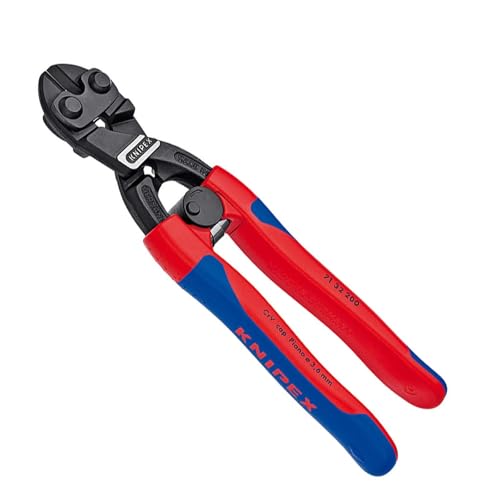
Pros
- Exceptional cutting leverage reduces hand and wrist strain significantly
- Notched blade design keeps thick wires and materials from slipping
- Built-in spring mechanism and locking device eliminate fumbling
- German-engineered precision with hardened steel that maintains sharpness
- Versatile cutting capacity handles bolts, nails, rivets, and multiple wire gauges
Cons
- Premium price point reflects professional-grade quality, not budget-friendly for occasional users
- No reviews available yet, so real-world user feedback is limited
The KNIPEX CoBolt Cutter represents a significant step up from basic diagonal cutters, particularly for homeowners and DIYers who frequently work with fasteners and heavy gauge wire. The lever-action mechanism is the key to its efficiency, requiring roughly 40% of the force you'd typically need with conventional high-leverage cutters. This design translates directly to less hand fatigue and more precise control, especially valuable when working on projects that demand repetitive cutting or when dealing with stubborn materials.
Build quality is where KNIPEX earns its reputation. The cutting edges are induction-hardened to approximately 64 HRC, which means they stay sharp through extended use on soft wire, hard steel, and even piano wire. The notched blade design is particularly clever for thicker materials and false ceiling work, as it prevents the wire from slipping sideways during the cut. The chrome vanadium steel body is forged and multi-stage oil-hardened, giving you a tool that will outlast many cheaper alternatives.
Practical features round out the package nicely. The integrated opening spring means the cutters snap open after each cut without extra effort, and the built-in locking device keeps them safely closed during transport or storage. The comfort grip handles are designed to reduce hand strain during extended work sessions. Whether you're cutting electrical wire, removing old bolts, or tackling HVAC projects, this cutter delivers the performance and reliability that professionals rely on.
| Specification | Detail |
|---|---|
| Brand | KNIPEX |
| Model | 71 32 200 |
| Type | High Leverage CoBolt Cutter |
| Maximum Cutting Capacity | 1/4 inch (6.0 mm) diameter bolts, nails, rivets |
| Cutting Edge Hardness | Approximately 64 HRC (induction hardened) |
| Material | Chrome vanadium steel, forged and multi-stage oil-hardened |
| Wire Gripping Diameter | 3/64 inch and larger |
| Features | Notched blade, integrated spring, locking device, comfort grip handles |
| Cutting Effort | 60% less than conventional high leverage diagonal cutters |
Basic Cutting Technique: Position the material to be cut in the center of the cutting blades, between the notch and the main cutting edge. Squeeze the handles smoothly and evenly, allowing the lever action to do most of the work. You should feel minimal resistance compared to standard cutters.
Gripping and Pulling Wire: Use the gripping surface located below the joint to hold and pull wires before cutting. This is especially useful for electrical work or when you need to reposition wire before making a cut.
Thicker Materials and the Notch: For thicker wires, false ceiling materials, or anything prone to slipping, position the material in the notched recess of the blade. This prevents the material from sliding sideways during cutting and gives you better control.
After Each Cut: The integrated opening spring will automatically snap the cutters open. Simply release pressure on the handles and the tool returns to the open position. Use the locking device to secure the cutters closed when not in use or during transport.
Eye Protection: Always wear safety glasses when cutting bolts, nails, or rivets. Small pieces can occasionally fly off during cutting. Wire cutting is generally safer, but eye protection is still recommended as good practice.
Secure Your Workpiece: Before cutting, ensure the material you are working with is stable and won't move unexpectedly. Use a vise, clamp, or workbench to hold larger items securely. Never cut material you are holding in your bare hand without proper support.
Inspect Before Use: Check the cutting edges for damage or dullness before starting your project. Dull blades require more force and are more likely to slip. If edges show significant wear, have the tool professionally sharpened or consider replacement.
Hand Placement: Keep your hands clear of the cutting blades at all times. Even with the reduced effort required, these are precision cutting tools with hardened edges. Never place fingers near the blades when squeezing the handles.
Storage and Transport: Always use the integrated locking device to secure the cutters in the closed position before storing or carrying them. This protects both the tool and anyone handling it.
Leverage the Full Lever Action: These cutters are designed for smooth, controlled squeezes rather than rapid or jerky motions. Take your time with each cut and let the lever mechanism do the work. You will notice that consistent, even pressure produces cleaner cuts than aggressive squeezing.
Maintain Your Cutting Edges: Keep the blades clean and dry after each use. Wipe away any debris, oil, or corrosion with a soft cloth. Occasional light oiling of the pivot point keeps the mechanism smooth without affecting cutting performance.
Choose the Right Blade Position: For standard wire and soft materials, use the main cutting edge. For thicker or harder materials that might slip, position the work in the notched recess. This simple adjustment dramatically improves your success rate and reduces frustration.
Electrical Work Advantage: The gripping surface below the joint is ideal for pulling and positioning electrical wire before cutting. Use this feature to strip, route, or adjust wire position without switching tools.
Invest in Proper Storage: Because these cutters are built to last, protect your investment with a tool roll, magnetic strip, or dedicated drawer space. Keeping them organized and protected extends their lifespan and ensures they are always ready when you need them.
Buying Guide: How to Choose the Right Bolt Cutters
Bolt cutters look deceptively simple, but the differences between a bargain-bin pair and a well-engineered set are significant. Before buying, it helps to understand what the specs actually mean for how the tool performs in your hands. This guide walks through every factor worth considering, from blade steel to handle length to cutting action.
Size and Handle Length
Handle length is the single biggest factor in cutting power. Longer handles create more mechanical leverage, which means you can cut through thicker or harder material with the same amount of force. A 30-inch model like the WORKPRO W017007A or the 30-inch Cr-Mo alloy cutter delivers significantly more cutting force than an 18-inch version. At the other end of the spectrum, the Knipex CoBolt 10-inch compact model sacrifices raw leverage for portability and precision, making it ideal for confined spaces or for carrying in a bag.
As a general rule: 14 to 18 inches works well for light-duty tasks like wire, zip ties, and thin chain links; 24 inches handles most padlocks, medium chain, and fencing; 30 inches and above is best for hardened shackles, rebar, and heavy-gauge materials. Think about the tasks you face most often before committing to a size.
Blade Steel and Hardness
The blade material determines both cutting capacity and longevity. Most quality bolt cutters use one of three steel types. Chrome-molybdenum (Cr-Mo) alloy steel offers an excellent balance of hardness and toughness, resisting chipping while staying sharp through repeated cuts. The WORKPRO W017007A and WORKPRO 18-inch model both use chrome-molybdenum blades, which is a strong choice at their price points. Chrome-vanadium steel is slightly softer but still handles soft-to-medium hardness metals without issue, as seen in the WORKPRO 24-inch chrome-vanadium model.
At the premium end, RIDGID and KNIPEX use hardened alloy steel jaws with tighter manufacturing tolerances. The RIDGID S24 specifies rated capacities for soft, medium, and hard materials, giving you a clear picture of what the blades can actually handle. KNIPEX takes this further by induction-hardening cutting edges to around 61 HRC while keeping the body tough enough to absorb impact without cracking. If blade longevity matters, investing in a well-rated steel type pays off over years of use. A dull or chipped blade is the most common failure mode for budget bolt cutters, so steel quality deserves serious attention.
Cutting Action: Single vs. Compound Leverage
Standard bolt cutters use a single-pivot cutting action. This works fine for softer materials but requires considerable hand and arm strength when cutting harder metals. Compound-action cutters add one or more additional pivot points to multiply the mechanical advantage you generate. The Crescent H.K. Porter 24-inch PowerPivot uses double compound action, which dramatically reduces the effort required to close the jaws through hardened material. The Crescent CT24HLC high-leverage compound model also delivers increased cutting force through its engineered pivot geometry.
For professionals who cut chain and padlocks regularly, compound-action designs reduce hand fatigue substantially over a long workday. For occasional home use, a standard action model at a budget-friendly price point often makes more sense. If you also work with fasteners and threaded hardware, a capable wrenches set rounds out your toolkit for tasks that involve loosening rather than cutting.
Handle Design and Ergonomics
Handles on modern bolt cutters fall into two broad categories: tubular steel and solid steel. Tubular handles are lighter and common on mid-range models like the WORKPRO and KSEIBI options. Solid steel handles are heavier but add rigidity, found on some KNIPEX and RIDGID designs. The grip material matters just as much as the handle material. Bi-material or soft rubber overmolded grips reduce vibration, prevent slipping in wet or oily hands, and reduce fatigue on repeated cuts.
The WORKPRO models all feature bi-material handles with soft rubber grip zones, which is one reason they earn strong user ratings across thousands of reviews. The KSEIBI 24-inch cutter also features soft-grip ergonomic rubber handles. For overhead or awkward-angle cuts, a non-slip grip can make a real safety difference. Pay attention to handle spread at rest as well. Very long handles on compact cutters can be awkward for smaller hands, so check dimensions before buying if grip reach is a concern for you.
Cutting Capacity: What Materials Can You Actually Cut?
Manufacturers typically rate bolt cutters by the diameter of material they can cut at three hardness levels: soft (annealed), medium (semi-hardened), and hard (hardened). A 24-inch bolt cutter may cut up to 7/16-inch soft steel but only 5/16-inch hard steel. Trying to cut beyond the rated capacity risks damaging the blades or causing dangerous blade slippage.
Common cutting tasks and what you need: standard wire mesh and baling wire requires almost any model; chain links and padlock shackles need a 24-inch or longer with compound action for hardened versions; rebar and heavy bolts demand a 30-inch model with Cr-Mo or equivalent alloy blades; electrical wire and cable can be cut with compact models like the KNIPEX CoBolt or the 10-inch compact cutter. For electrical wiring tasks where you also need to strip or terminate wire, a quality set of wire strippers belongs right alongside your cutters. Always check the rated capacity chart before buying rather than assuming a larger tool cuts everything.
Build Quality and Brand Reliability
Bolt cutters are a tool where brand pedigree genuinely matters. KNIPEX, a German precision tool manufacturer, sets the benchmark for blade quality and fit-and-finish. Their 610mm and 460mm large bolt cutters as well as the compact CoBolt series reflect decades of blade engineering expertise. RIDGID, long established in the professional plumbing and trades market, brings the same philosophy of rated, documented capacities and heavy-duty construction to their S24 model.
WORKPRO has built a reputation for delivering reliable construction at budget-to-mid-range price points, backed by tens of thousands of verified user reviews. Crescent H.K. Porter brings compound-action innovation and a long professional track record. For buyers on a tighter budget, the KSEIBI and the 30-inch Cr-Mo alloy drop-forged model offer capable performance with solid user feedback. Build quality shows up in hinge tightness, jaw alignment, and whether the handles flex under load. If you notice blade misalignment or wobbly pivots in a new tool, that is a red flag worth acting on immediately.
Jaw Alignment and Adjustment
One detail many buyers overlook is jaw alignment. The cutting edges must meet precisely at the center for a clean, efficient cut. Misaligned jaws cause the cutter to push material sideways rather than shear through it, dramatically increasing the required force and accelerating blade wear. Most quality bolt cutters include an adjustment bolt or nut at the pivot to let you dial in jaw alignment as the pivot wears over time. Check whether your chosen model includes this adjustment feature, particularly if you plan to use the tool frequently. RIDGID and KNIPEX both build this in as standard. For those who value precision in their hand tools broadly, a combination square is another tool worth having for layout work on the same projects.
Price Range and Value
Bolt cutters span a wide price spectrum. Budget picks like the WORKPRO 18-inch and the KSEIBI 24-inch land in the affordable range and handle most household cutting tasks without issue. Mid-range options like the Crescent CT24HLC, the WORKPRO 30-inch, and the WORKPRO 24-inch chrome-vanadium model deliver more material quality and cutting action refinement for a modest premium. The Crescent H.K. Porter PowerPivot and the RIDGID S24 step up to professional-grade construction. At the top of the price range, the KNIPEX large bolt cutter models justify their higher cost with German engineering, superior blade steel, and a lifespan measured in decades rather than years. For the occasional home user, a mid-range pick offers the best balance. Tradespeople and contractors who cut metal regularly will recoup the cost of a premium pair quickly through reduced fatigue and longer blade life. Pair your bolt cutters with a quality claw hammer and a sturdy workbench for a complete metalwork and DIY setup.
Why Trust Us
HomeThru is an independent editorial platform. We do not sell tools, fulfill orders, or have any commercial relationship with the brands we cover. Our recommendations come from structured independent research: we analyze manufacturer specifications, review verified user feedback across thousands of purchases, compare blade material data and rated cutting capacities, and benchmark each product against others in its size and price category. We update our evaluations regularly to reflect current availability, new model releases, and shifts in user sentiment.
Our editorial focus is on tools that deliver real-world performance for homeowners and professionals alike, not just products with the highest affiliate margin or the biggest marketing budget. When we recommend a budget pick, it is because independent research supports that value claim, not because it is the cheapest option to promote. The same standard applies to every premium pick in this list. For context on how we approach hand tool coverage more broadly, our research across screwdriver sets, hex key sets, and hand saws follows the same independent methodology.
Final Thoughts
After thoroughly evaluating every product in this lineup, a few clear standouts emerge depending on what you need. Here is how we would summarize the top picks:
- Best Overall: Crescent H.K. Porter 24-inch PowerPivot Bolt Cutter, double compound action, tubular steel handles, and padded non-slip grips make this the most well-rounded performer in the lineup for cutting chain, padlocks, and fencing with less effort.
- Best Budget Pick: WORKPRO 18-inch Bolt Cutter, chrome-molybdenum blades and soft rubber grip handles at an affordable price point make this the easiest recommendation for homeowners who need a reliable cutter for occasional tasks.
- Best Professional-Grade: RIDGID S24 24-inch Bolt Cutter, rated capacities across soft, medium, and hard materials, hardened alloy jaws, and RIDGID’s professional build quality make this a trusted choice for tradespeople who need documented cutting performance.
- Best Compact: Knipex CoBolt 10-inch Compact Bolt Cutter, extraordinary cutting force in a pocketable form factor, with over 4,000 verified reviews and a 4.8-star rating that speaks for itself.
- Best Premium Large Format: KNIPEX 71 72 610 Large Bolt Cutter, German-engineered hardened steel blades, precision jaw alignment, and professional-grade durability at the top of the price range for buyers who demand the best long-term value from their tools.
Whatever your project, the right bolt cutter dramatically reduces effort and delivers a cleaner result. Start with your most common cutting task and match the tool size and blade hardness to that use case. For related hand tool upgrades, explore our coverage of pry bars for demolition and nail-pulling work, or utility knives for precision cutting tasks where bolt cutters would be too aggressive. A well-chosen set of chisels and a reliable spirit level round out the kind of toolkit that handles virtually any home project with confidence.
Frequently Asked Questions
What size bolt cutter do I need to cut a padlock?
For most standard padlocks with unhardened shackles, a 24-inch bolt cutter with a capable blade provides enough cutting force. Hardened shackles found on higher-security locks require either a 24-inch compound-action model or a 30-inch heavy-duty cutter. Check the shackle diameter and hardness rating before assuming any standard cutter will work.
How do I know when my bolt cutter blades need replacing?
If you notice that cuts require noticeably more force than they used to, the blades are rolling rather than shearing, or you can see visible nicks and chips on the cutting edges, the blades are due for replacement or professional sharpening. On models with replaceable blades like several KNIPEX options, this is a straightforward fix. On budget models, replacement blades can sometimes cost nearly as much as a new tool.
Can bolt cutters cut through hardened steel chain?
Most standard bolt cutters cannot cut hardened security chain, which is specifically engineered to resist cutting. A hardened chain rated as cut-resistant will damage or chip blades that are not rated for that hardness level. Compound-action cutters with properly hardened blades rated for hard material can cut semi-hardened chain, but true security-grade hardened chain requires specialized equipment beyond a standard bolt cutter.
Are compound-action bolt cutters worth the extra cost?
For anyone cutting metal regularly, yes. Compound-action cutters multiply your mechanical advantage through additional pivot points, meaning less physical effort for the same or greater cutting force. The practical benefit is reduced hand and arm fatigue over a work session. For occasional home use, a well-made standard-action cutter at a lower price point is usually sufficient and performs well within its rated capacity.
How should I maintain bolt cutters to extend their lifespan?
After each use, wipe the blades clean of metal filings and debris. Apply a light coat of machine oil to the blades and pivot joint to prevent rust and keep the action smooth. If the jaws feel loose or misaligned, adjust the pivot bolt according to the manufacturer’s instructions. Store bolt cutters in a dry location to prevent corrosion. Avoid cutting beyond the rated capacity, as overloading the jaws is the fastest way to chip or break the cutting edges.




Write Your Review
No reviews yet. Be the first to share your experience!