

A Simple Kitchen Maintenance Rule Gains New Attention
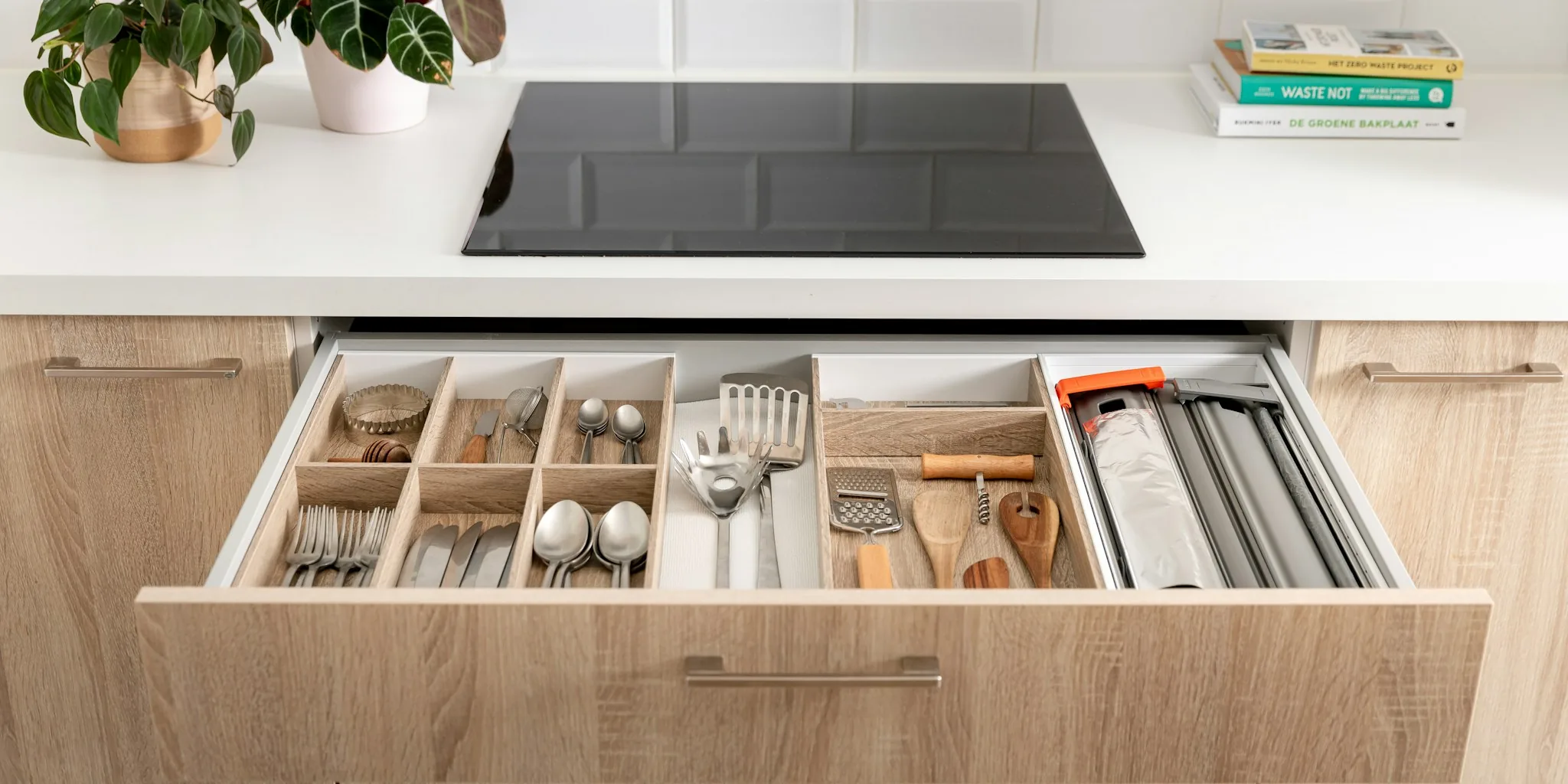
A multi-generational housekeeping tradition is drawing renewed interest from home organizers and kitchen enthusiasts across the country. The practice, maintained within one family for over seventy years, centers on a single but powerful rule: always close kitchen drawers immediately after opening them. This straightforward habit prevents mess accumulation and keeps kitchen storage in pristine condition, making it an ideal strategy for shoppers looking to maintain their kitchen investment.
What the Rule Is and Why It Works
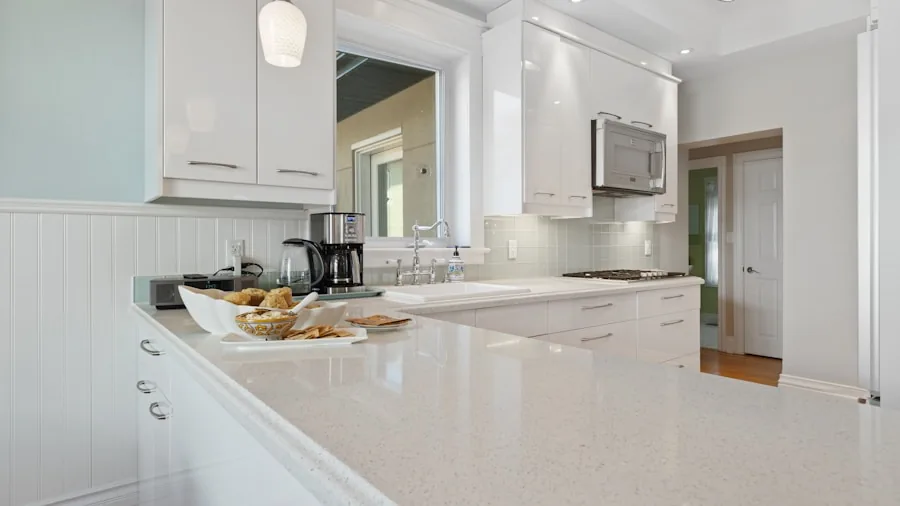
The core principle is simple yet effective. Whether you are retrieving utensils, storing items away, or working around an open drawer during meal preparation or cleanup, the drawer must be closed right away. This practice eliminates the opportunity for food particles, flour dust, and other kitchen debris to fall into drawer compartments where they would otherwise accumulate over time.
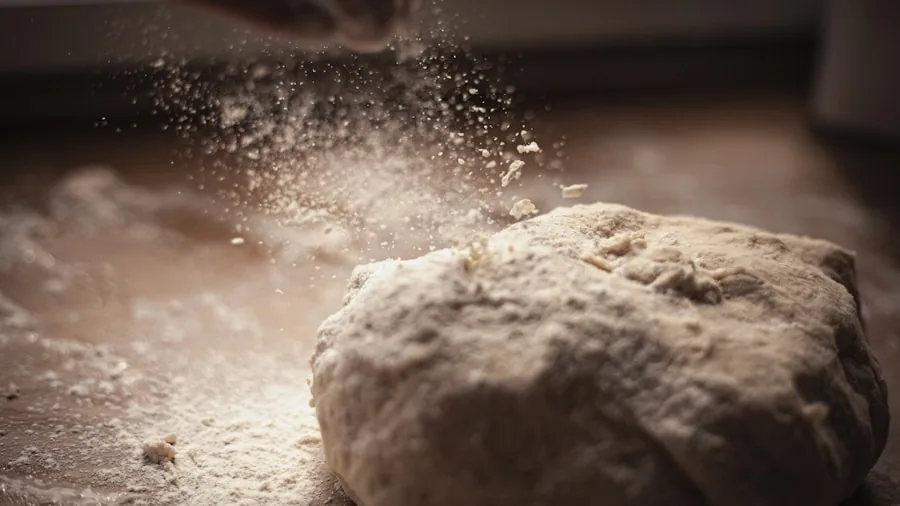
Consider common kitchen scenarios. You’re wiping down countertops after finishing dinner preparation, and breadcrumbs scatter everywhere. If a drawer sits open nearby, those crumbs can easily fall into the interior. In another situation, you’re measuring flour for baking while your child rushes to add it to the mixer. Flour inevitably spills, and an open drawer becomes a magnet for that loose powder. These everyday kitchen moments demonstrate why this preventive approach matters so much.
Why Prevention Beats Cleanup in the Kitchen
Kitchen drawers present unique cleaning challenges. They contain multiple utensils, gadgets, and tools that must be removed before any interior cleaning can happen. The awkward shape and depth of drawers make them difficult spaces to wipe clean or vacuum effectively. If you do choose to vacuum a drawer interior, you first need to sanitize the vacuum hose to avoid transferring floor dirt onto cooking and eating utensils.
This reality makes prevention the smarter strategy. By simply keeping drawers closed during all cooking, eating, and cleanup activities, you eliminate most opportunities for debris and spills to enter these storage spaces. It’s a protective measure that requires no special tools, products, or significant effort beyond developing a consistent habit. Over time, this practice becomes second nature to household members and dramatically reduces the need for deep drawer cleaning.
What This Means for Kitchen Shoppers Today
For homeowners considering kitchen upgrades or renovations, this principle has practical implications. When selecting new kitchen cabinetry or drawer systems, choosing hardware with smooth closing mechanisms and quality hinges supports this preventive approach. Drawers that close easily and stay closed offer better protection against the inevitable spills and splatters of daily kitchen life. When you are planning kitchen renovations or layout changes, keeping drawer accessibility and closure ease in mind can simplify your daily routines.
This rule also connects to broader kitchen organization strategies. When drawers remain closed and protected, their contents stay cleaner and more organized longer. Your cooking tools, measuring implements, and utensils maintain their appearance and functionality. This is especially valuable if you have invested in quality kitchen tools or matched drawer organization systems. Protection through prevention preserves your kitchen’s functionality and appearance far more effectively than frequent cleaning and reorganization.
Building Better Kitchen Habits
Establishing this rule in your household requires initial awareness and commitment, but it quickly becomes automatic. Family members and household staff should understand the importance of closing drawers immediately. Make it a non negotiable kitchen rule, the same way you might handle turning off the stove or washing hands before cooking.
The benefits extend beyond cleanliness. Closed drawers are also safer. Open drawers in active kitchen spaces create trip hazards and head bumping risks, particularly for children moving around the kitchen. They can catch clothing or create obstacles during the bustling activity of meal preparation or cleanup. This makes the practice advantageous from both sanitation and safety perspectives.
If you are working to improve kitchen organization generally, consider reviewing what you keep stored in drawers. Removing rarely used items or outdated kitchen tools creates more efficient drawer systems that are easier to maintain. When combined with the drawer closure rule, this creates a kitchen storage system that remains orderly and hygienic with minimal ongoing effort.
This straightforward but powerful kitchen management practice proves that sometimes the best solutions are the simplest ones. By closing drawers immediately and consistently, you protect your kitchen storage, preserve your tools and utensils, and maintain an organized space. For shoppers investing in quality kitchen products and cabinetry, this habit ensures that your kitchen remains a clean, functional, and pleasant space for years to come.





Write Your Review
No reviews yet. Be the first to share your experience!