
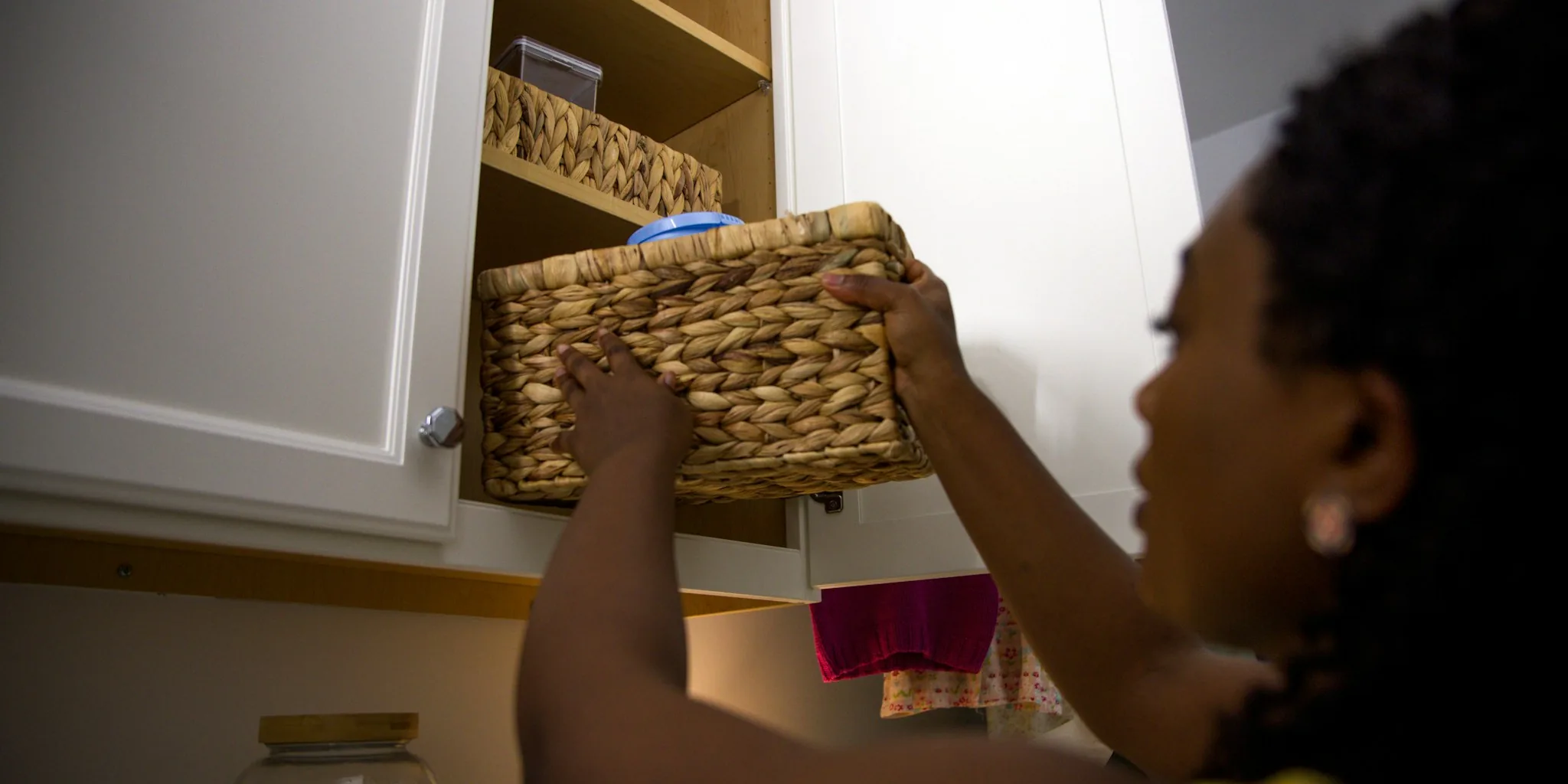

If you are over 55 and have occupied your kitchen for decades, you have likely accumulated far more items than you realize. A thorough kitchen evaluation can reveal surprising clutter hiding behind cabinet doors and in the backs of pantry shelves. Understanding what truly belongs in your kitchen during this phase of life helps create a more functional and safer cooking space.
Bulky Single-Purpose Appliances Take Up Valuable Space
Many households own kitchen appliances that sounded like great ideas at purchase but rarely see actual use. Waffle makers, ice cream makers, stand mixers, and panini presses appeal to young families managing multiple children and busy schedules, but they become storage problems for one- or two-person households. If these items have gathered dust for months or years, they are competing for cabinet real estate that could hold tools you actually use.
The solution is honest assessment: which bulky appliances genuinely fit your current lifestyle and cooking patterns? A bread maker might sit unused while a panini press serves lunch regularly. Keep only the appliances that deliver genuine value, and donate or sell the rest. This decision clears physical space and makes your kitchen workflow more efficient.
Children’s Dishes and Sippy Cups Belong in History
Adult children have moved on, yet many parents hold onto sippy cups, plastic plates, and bowls from their kids’ early years. The reasoning is understandable: saving them for future grandchildren seems sensible and sentimental. However, food safety standards change dramatically over decades. Plastic products from 10, 20, or 30 years ago may contain materials now recognized as unsafe or may degrade in ways that create hazards.
Rather than storing outdated children’s dishes indefinitely, invest in fresh, modern products when grandchildren arrive. This approach ensures food safety and eliminates the burden of maintaining items that no longer meet current health standards. The memories of your children using these dishes remain intact even after you pass the physical objects along.
Old Plastic Kitchenware and Food Storage Present Hidden Risks
Decades of cooking mean decades of accumulating plastic items: cutting boards, cooking utensils, and food storage containers that were once considered kitchen staples. As research evolves, many of these plastics have raised concerns about microplastics and potentially harmful chemicals. Unless you actively monitor product recalls and safety updates, you may unknowingly keep risky items in daily use.
When conducting a kitchen renovation or major decluttering project, this is the ideal moment to replace aging plastic items with safer alternatives. Glass, silicone, and bamboo options provide reliable replacements that reduce chemical exposure and work beautifully in modern kitchens. A smaller, more intentional collection of safe materials also makes cooking more enjoyable.
Inherited Items Need Purpose, Not Just Sentiment
Inherited kitchen tools carry emotional weight far beyond their function. A rolling pin, cookie cutter set, or serving platter used by a beloved relative connects you to cherished memories. The guilt of parting with these items can feel like betraying that person’s memory, which explains why so many kitchens hold inherited items that never get used.
However, storing unused inherited items out of obligation does not honor your family member’s memory. Instead, take photographs of the items before letting them go. The image preserves the memory permanently while freeing your kitchen space. If the item genuinely fits your cooking style and you display it thoughtfully, keep it. If not, donate or sell it knowing that the relationship and memories remain intact through photographs and in your heart.
Expired and Forgotten Pantry Items Waste Space
The further back your pantry extends, the more likely you are to discover forgotten jars, cans, and bottles with expired dates. Spices lose potency over time, condiments separate and degrade, and canned goods outlive their recommended shelf life. When you have occupied the same kitchen for many years, these items accumulate gradually until significant expired stock hides in plain sight.
Beyond expiration dates, consider any item you have not used in several years. If a specialty ingredient or sauce has sat untouched for this long, it almost certainly will not be used in the future. A thorough pantry purge creates instant gratification and opens up valuable storage space for items that align with your actual cooking habits.
Making Kitchen Space Work for You Now
Evaluating your kitchen at 55 and beyond is not about deprivation or throwing away memories. Instead, it is about creating a kitchen that serves your current life beautifully. Your kitchen bowl collection and cookware should support how you cook today, not accommodate future scenarios or past phases. Removing bulky appliances, outdated plastics, expired foods, and unused inherited items creates a streamlined space that is easier to navigate, safer to cook in, and more pleasant to spend time in. This intentional approach to kitchen organization pays dividends in daily convenience and peace of mind.


Write Your Review
No reviews yet. Be the first to share your experience!